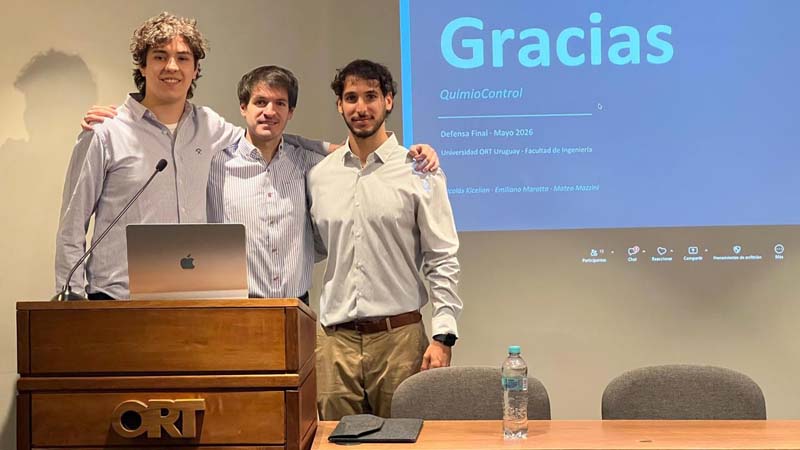
The project, called QuimioControl, is a digital system designed to manage and centralize cancer treatments, allowing patient information, medications, and protocols to be integrated into a single platform. The initiative arose from a specific need identified by the foundation itself.
“They told us about the challenges they faced with managing treatments, tracking patients, and calculating the doses given to them. They were doing all of that manually,” Emiliano said.
From paper to digital traceability
Until now, much of the treatment management was handled using paper forms and manual processes without a digital record. Treatments, which can last up to two years, were organized on paper and lacked centralized tracking tools.
In response to this, QuimioControl aims to digitize and ensure traceability at every stage of the process. The system makes it possible to “break down” chemotherapy protocols, making them more understandable, accessible, and user-friendly for healthcare professionals.
“The main goal is to simplify the protocols to make them more understandable and user-friendly, integrating patient data, medications, and treatment tracking,” explained Mateo.
A system that connects the entire process
The platform centralizes information, communication, and records in a single digital environment. Doctors can log in from anywhere to check the status of a treatment, prescribe medication, or leave notes for other members of the medical team.
In addition, the system supports the entire process of administering cancer medications, coordinating three key stakeholders involved in the process:
- Doctors, who evaluate the patient and prescribe treatment.
- The pharmacy area, where the pharmacist prepares the medication.
- The nursing staff, who are responsible for administering the dose to the patient.
“The idea is to cover the entire treatment process for a patient from start to finish,” Nicolás said.
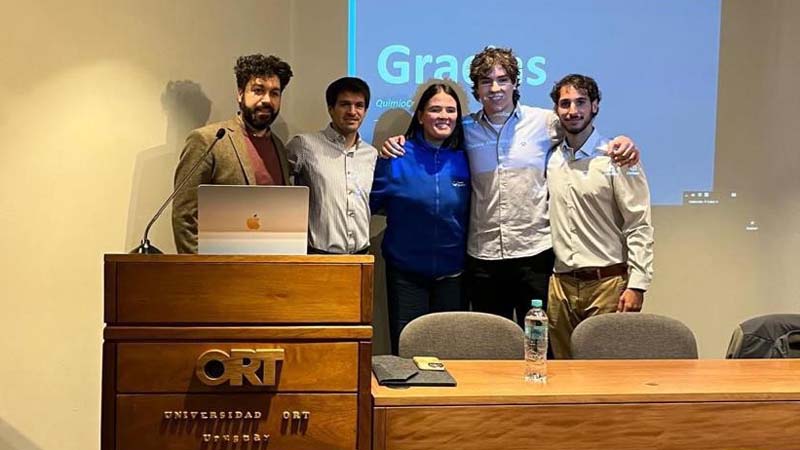
Adapting to complex treatments
One of the biggest challenges of the project was translating the complexity of cancer treatments into a flexible, user-friendly system.
The students explained that medical protocols involve numerous exceptions and variations. For example, a patient may not receive a medication on the scheduled date due to illness, or the doctor may modify part of the treatment based on the patient’s clinical progress.
“The treatment involved various medications that the doctor could add. It wasn’t very routine; there were a lot of exceptions,” Mateo said.
That is why QuimioControl was designed to allow these exceptions to be managed easily and in a traceable manner within the system—something that was particularly difficult using manual methods.
An interdisciplinary experience
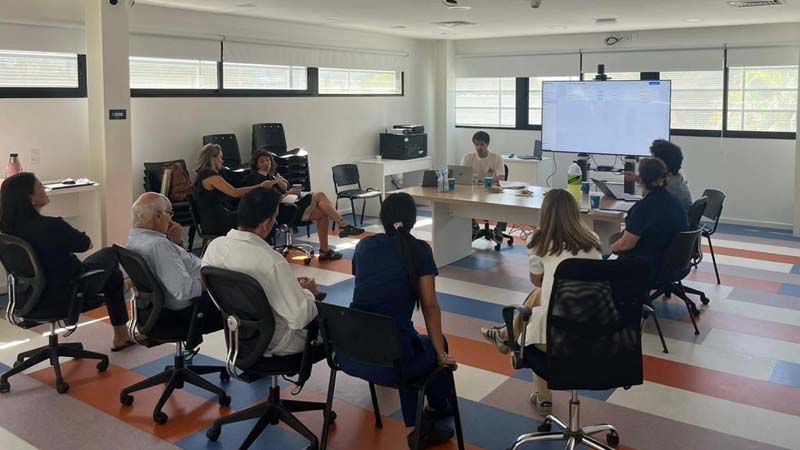
The partnership with the Pérez Scremini Foundation was one of the aspects the team valued most. The opportunity to work alongside doctors and specialists allowed the students to apply their technological knowledge to a real-world problem with significant social impact.
“Being able to combine the two disciplines to solve a real-world problem was a great experience,” said Mateo.
The work was carried out in collaboration with professionals from the foundation, including Dr. Gabriel Dapueto, who served as the technical counterpart throughout the project.
The race as the basis of the project
To develop QuimioControl, the students used technologies such as .NET with C# and Angular, as well as agile methodologies inspired by Scrum—tools they learned about during their studies.
“Courses like Software Engineering really helped us get organized, manage sprints, and gain a broader perspective on the project,” they said.
The team also highlighted the support provided by their advisor and the value of the thesis review sessions, which allowed them to improve the documentation and make the project more understandable to people outside the development team.
From the thesis to future implementation
QuimioControl is currently in the MVP (Minimum Viable Product) phase, which has been validated by the foundation. The team’s goal is to continue developing the system until it is ready for production and to turn it into a tool that specialists can use on a daily basis.
“The plan now is to move forward and put it into production so that, in the future, it becomes part of their daily routine,” Nicolás emphasized.
Learn more about the Bachelor's Degree in Information Systems