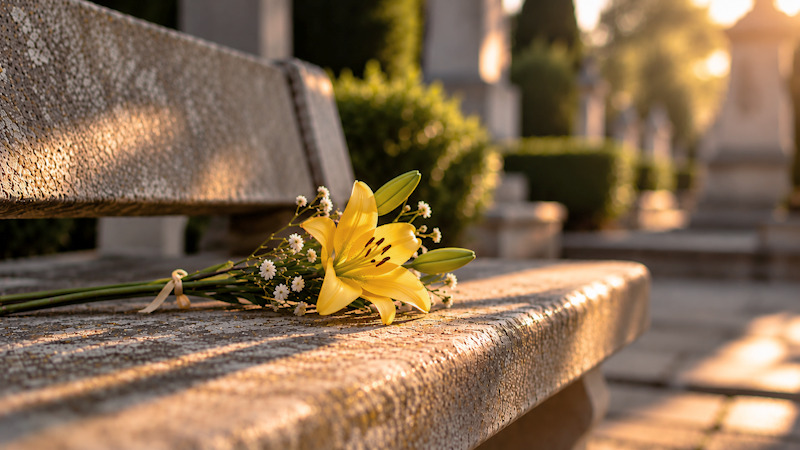
In Uruguay, All Souls' Day is observed on Monday, November 2, 2026. It is a fixed national holiday that falls on a weekday, and its tradition combines religious roots with a history linked to the country's secularism and cultural customs.
Origin of the date
The official name of this day is the Commemoration of All the Faithful Departed; it has been celebrated every November 2 since it was established in 998 by the Benedictine monk Saint Odilon of Cluny. It was created to channel communal prayers and acts of charity for the repose of souls.
This day is set aside for praying for deceased loved ones, unlike All Saints' Day, celebrated on November 1 and dedicated to the memory of those who attained sainthood. Thus, the calendar divides the observance into two days: November 1 for the saints and November 2 for family members.

After being adopted in Rome during the 16th century, this spiritual and cultural tradition became firmly established throughout the Catholic community and in various societies. Over time, the date transcended the strictly religious sphere to become a phenomenon of collective memory.
Legal Framework and Secularism in Uruguay
In Uruguay, this commemoration is linked to the process of separating church and state, which began with the transfer of cemeteries to municipal control in 1861 and the creation of the Civil Registry in 1879. Subsequently, Law No. 6,997 of 1919 established a work stoppage every November 2 under a secular framework.
According to the study“Uruguayan Secularism”(2011) by sociologist and researcher Néstor Da Costa, this reform was part of the secularization of religious holidays in the country. The change replaced traditional festivities with a day of a more intimate nature, focused on family remembrance and collective respect.
According to Law No. 16,805 and its amendments, November 2 is a fixed, non-transferable holiday, meaning its date cannot be changed. On that day, the private sector operates as usual, while schools and government offices suspend in-person services.
Cultural Traditions and Services
The main tradition in Uruguay involves visiting cemeteries to tend to family plots, place floral arrangements, and pay tribute to deceased relatives. This practice draws large crowds to cemeteries in Montevideo and throughout the country.
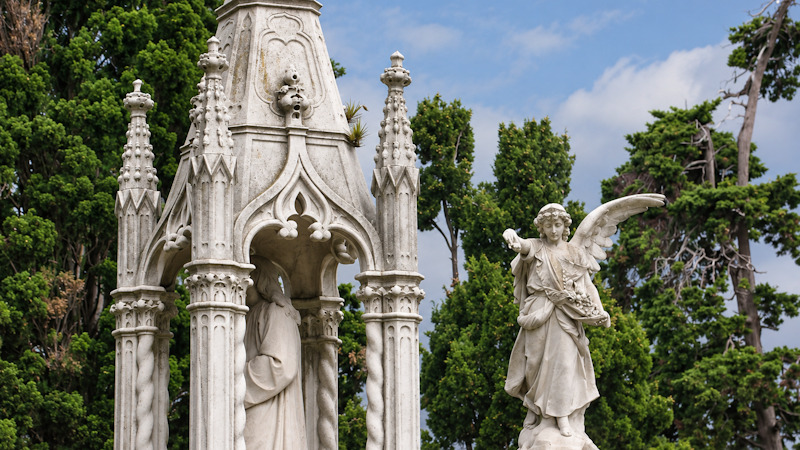
To meet the demand for transportation, agencies such as the Montevideo City Government are implementing special public transportation schedules and increasing service on routes leading to cemeteries. In addition, municipal cemeteries are extending their regular daytime hours.
Unlike other countries in the region, where the date is marked by celebrations, traditional foods, and altars, in Uruguay it is primarily a day of respect, silence, and family remembrance.
|
Service / Institution |
Operations on November 2 |
|
Universidad ORT Uruguay |
Closed buildings and suspension of activities. |
|
Municipal cemeteries |
Extended hours for the public and special maintenance work. |
|
Public Transportation (Montevideo) |
Increased service on bus routes heading to the cemeteries. |
|
Public Administration |
Suspension of in-person customer service or minimal staffing. |
|
Commerce and the Private Sector |
Normal business operations, as it is a workday holiday. |
Closure of facilities and services at the Universidad ORT Uruguay
In observance of All Souls' Day, the University of the West ( Universidad ORT Uruguay ) will suspend in-person academic and administrative activities on Monday, November 2, 2026. All of the institution's campuses and buildings will be closed for the day.
Classes will resume as usual on Tuesday, November 3, at their regular times.