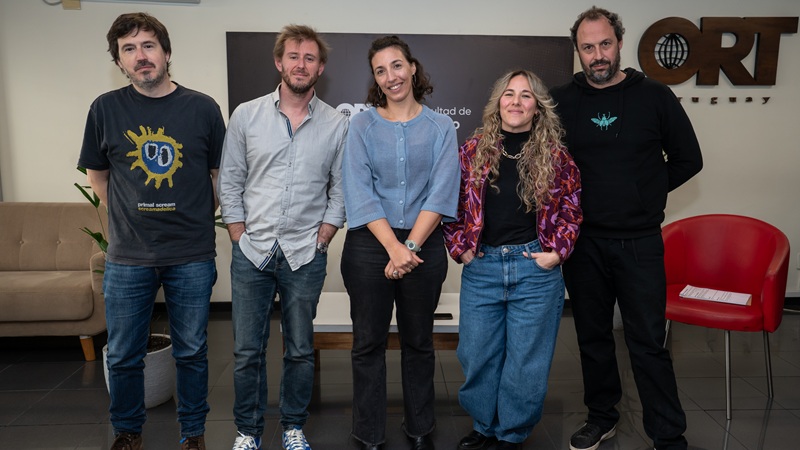
The animation workshops were organized by the Bachelor’s Degree Program in Animation and Video Games, under the overall direction of Alejandro Erramún, MFA, the program’s academic coordinator, and the general coordination of Diego Miranda, M.A., the assistant academic coordinator.
The 20th edition of the festival featured screenings of 53 short films from 43 countries, including Uruguay, France, Spain, Argentina, Hong Kong, Canada, Colombia, the United Kingdom, and Mexico.
In addition, a series of lectures was held by leading professionals from the animation industry.
On the first day, the Argentina-based stop-motion animation studio 2veinte presented its experience and history.
Meanwhile, on September 3, Colin Giles, director of the School of Animation and VFX at the Vancouver Film School, participated remotely from Canada via Zoom.
On September 4, a roundtable discussion was held with leading figures in the Uruguayan animation industry, providing an opportunity to analyze the current state of the field and its prospects for international growth.
The International Animation Festival also offered training sessions aimed at high school students interested in the field. From September 1 to 3, workshops were held on various techniques and aspects related to animation.
Commercial and Art House Animation
The first talk of the 20th edition of the FIA was given by Pablo Gostanian, co-founder and CEO of 2veinte, and Lisandro Schurjin, the studio's animation director.
Founded in 2008, 2veinte specializes in animation and motion graphics, with a strong focus on techniques such as 2D animation, digital animation, and stop-motion animation.
During the talk, the speakers provided an overview of the studio’s founding and professional history, as well as the challenges they faced on various projects.
They also shared with the audience some of the work they've done for companies such as Disney, Nike, Nickelodeon, and Fox.
One of the central themes of the conference was the importance of developing projects that serve a purpose beyond their technical implementation.
In this regard, Gostanian noted: "We realized that the animation had to have meaning."
Among the projects presented was the EA Skate 2026 & Nike SB trailer, a 35-second animated piece produced for Electronic Arts (EA) in collaboration with Nike Skateboarding.
The project sought to explore the "obsessive side of skate culture" through a portrayal of obsession and persistence using a raw visual aesthetic.
The piece combined 3D and 2D techniques in black and white and garnered 1.5 million views and about 94,000 likes on Instagram.
Other projects presented included two science-fiction commercials developed for Acer Predator. The commercials focused on the Predator Force and the rescue of one of its members, while showcasing the capabilities of the brand’s new line of technology.
To win the project, the studio had to compete against two other animation teams and develop a pitch in which they presented their proposal.
As they explained, this process highlighted the importance of having not only a solid visual concept, but also the ability to communicate and defend an idea to a client.
One of the elements that set their proposal apart was the decision to turn each component of the computer into a character in the squadron. In addition, the ships designed for the project were modeled after the company's logo.
Regarding the creative process, Schurjin emphasized the importance of seeking proposals that go beyond what the client has requested, while maintaining a balance between creativity and the project’s objectives:
You have to go above and beyond what they're asking for and be creative, but you also don't want to go too far, because they might not hire you.
The speakers also discussed projects related to Pepe the Frog, a character created by artist Matt Furie.
The studio was commissioned to develop new animated segments with the goal of helping to disassociate the character from the negative image it acquired after being used by far-right groups. Among the proposals they developed, they transformed Pepe into a mecha robot.
In addition to its commercial work, 2veinte presented some of its original projects. Among them is *Ara: Ballad of a Simple Man*, an animated series for adults currently in development that follows a broken man who finds revenge and redemption in a new time and place.
The project features a psychedelic aesthetic, and a trailer is currently available at has .
Finally, they also discussed *Ricochet Splendid*, an auteur short film that combines biting comedy and irreverent humor.
The story centers on a group of disobedient soldiers who, in the midst of a major war, rely on one another to get through difficult situations.
The Design of Narrative – Human Stories in a World of Artificial Voices
On September 3, the School of Design welcomed Colin Giles—director of one of the leading institutions in the field of animation—for the second time as part of the FIA, via Zoom.
Throughout his career, Giles has worked on projects for Disney, Nickelodeon, and Cartoon Network, and has also contributed to animated productions such as *Sausage Party* and *Ren & Stimpy*.
The Canadian director focused his lecture on the art of storytelling. From the outset, he pointed out that animator is also a storyteller and emphasized the importance of stories to people:
As human beings, we expand our knowledge when we share stories with one another.
To put this idea into context, Giles gave a brief overview of the technologies that have transformed the ways we tell and consume stories.
It began in the 1920s, with the development of the film industry, when stories were primarily enjoyed in movie theaters and the experience was a collective one.
In the 1950s, the advent of television marked another cultural shift by bringing the consumption of audiovisual content into people's homes.
Then, during the 1980s, the rise of video rental stores, such as Blockbuster Video, made it possible to rent movies and take them home. That same period also saw the rise of home video games.
In 2010, the rise of smartphones once again transformed the way people interacted with content: for the first time, people could access it from virtually anywhere and at any time.
According to Giles, this transformation also deepened audience segmentation and social fragmentation.
Today, access to streaming services such as Netflix, YouTube, Prime Video, Apple TV+, and Disney+ has further expanded the possibilities for those who create and consume stories.
Now you can share your story anytime, anywhere.
However, this abundance also poses a challenge. Giles referred to the existence of a“tsunami of stories,” in a context where it is becoming increasingly difficult to make a production stand out among the vast amount of available content.
Faced with this situation, he raised two questions: How can a story be made to stand out from the rest? How can it be made to stand out amid all the noise?
For Giles, one of the keys lies in the personal connection between the storyteller and the message they want to convey: "If your story means something to you personally, it will also mean something to someone else."
He then defined the art of storytelling as "the recounting of events through words, sounds, or images, often through improvisation or creative elaboration."
Based on this definition, he explained some of the elements a “ animator ” must consider when crafting a story: understanding what they want to convey, choosing the plot, defining the hero and the characters, applying the rule of three, and selecting the most appropriate medium to convey it—whether it be a book, social media, film, or other formats.
Later, Giles posed one of the central questions of his presentation: Which comes first, the story or the character?
In response, he argued that a story needs a character facing conflict, since stories always revolve around someone.
From there, he asked himself what makes a character memorable. First, he explained that a character must possess human traits that allow the audience to identify with him or her. He also pointed out that characters reveal themselves through the decisions they make and that their passions and fears help shape their identity.
Another concept discussed was the central idea of the story. According to Giles, to define it, we need to start with questions such as: What can we learn about life? and What is the central question posed?
Conflict also played a significant role in his presentation. In this regard, he posed a question that every storyteller should ask themselves: What are the consequences of failing to overcome the obstacle?
For Giles, conflict does not necessarily have to arise from a negative situation; rather, it is a fundamental element in driving the story forward.
Finally, he explained that stories also arise from the questions asked by the storyteller. Among them, he mentioned questions such as“What do you want to know?” and“What piques your curiosity?”
In this way, he highlighted the value of storytelling as a tool for understanding ourselves and also for connecting with the experiences of others.
- You might be interestedin: Three Days of Animation: Here's How FIA 2025 Was Celebrated
The Future of Uruguayan Animation on the World Stage
To wrap up the FIA conference marathon, a casual roundtable discussion was organized to reflect on the current state and future prospects of Uruguayan animation on the international stage.
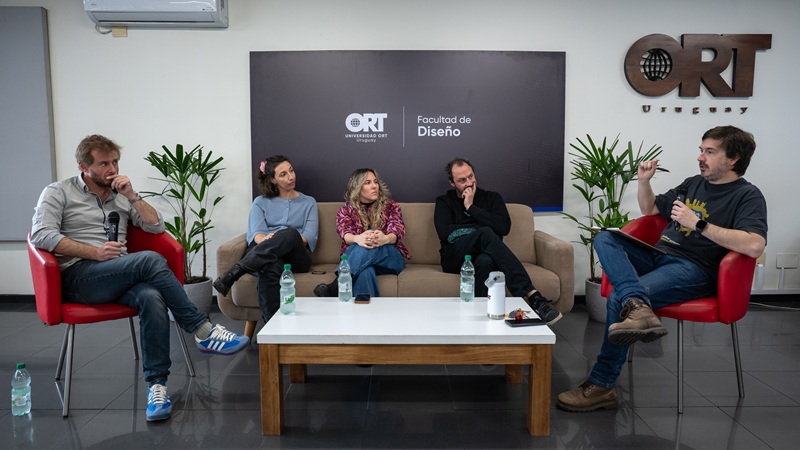
The talk aimed to review the current state of animation in Uruguay from a variety of perspectives: traditional and digital, institutional and commercial.
The event was moderated by Diego Miranda and brought together various voices from the industry: Gastón Fernández, audiovisual producer, VFX supervisor, and co-founder ofGalgo VFX;Piero Sabini, founder of Cuenco Cine; and Mariana Díaz Misurraco and Camila de los Santos, representatives of the Uruguayan Film and Audiovisual Agency (ACAU).
One of the first pieces of information shared was the actual impact of public support policies: between 2023 and 2025, the ACAU awarded 33 grants to animation projects at various stages of development.
That translates to 23 animation projects currently in various stages of development, most of which are produced domestically, with several being co-productions with other countries.
The speakers pointed out that this figure disproves the widespread perception that in Uruguay "it's always the same people who win" or that there are few animation projects.

At the same time, it was acknowledged that producing animation remains expensive and time-consuming compared to other audiovisual formats, which is prompting Uruguay to partner with neighboring countries and rely on specific quotas within funding calls to sustain the sector’s development.
According to the panelists, these support policies—which have been in place for just a few years—have already led to sustained growth in the number of 2D, 3D, and stop-motion animation projects and have enabled the consolidation of studios that previously could not secure funding through traditional film funds.
Speaking about production for international clients, Gastón explained how his studio shifted from the local market to the Mexican market because it was impossible to sustain certain projects at local rates.
He explained that today he works by putting together flexible, highly specialized teams tailored to each project, often recruiting talent from outside Uruguay due to the lack of niche technical profiles, and he emphasized the importance of “making an appearance” at international conferences and trade shows as a way to build trust and secure new contracts.
Piero Sabini, for his part, shared the journey of his short film "Lodo" —a co-production with Brazil that ultimately became predominantly Uruguayan and was screened in Rotterdam, São Paulo, and atthe Cannes Film Market—as a concrete example of how ACAU’s development and international promotion funds enable small projects to reach a global audience.
He also mentioned another short film nearing completion, directed by a Uruguayan " animator " with more than 40 years of experience who had never before received funding of his own, as evidence that the support ecosystem continues to expand.
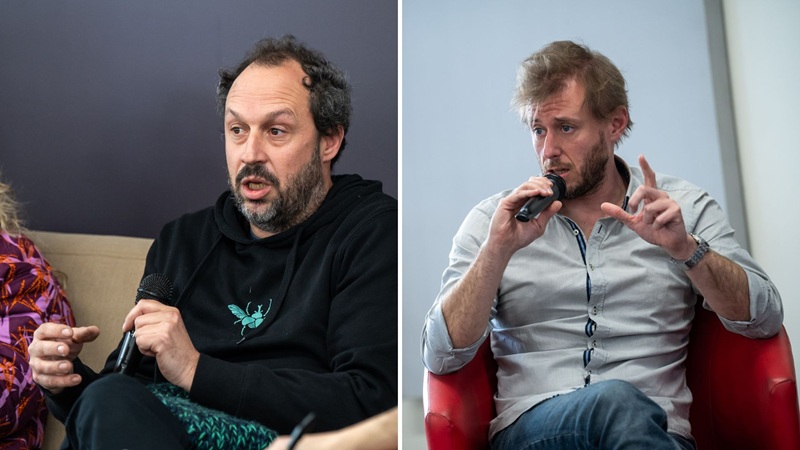
The discussion also addressed the challenges of the profession: the long-standing difficulty of specializing in a country with small, multitasking teams; the need to constantly learn new technical tools; and the impact of artificial intelligence, which—according to the panelists—puts pressure primarily on 2D and 3D digital animation, while leaving stop-motion in a relatively valued position due to its material and artisanal nature, which is currently experiencing a sort of “renaissance” on the international festival circuit.
It was emphasized that technical skills are increasingly accompanied by the need for soft skills and a unique artistic vision—one capable of withstanding changes in tools and trends.
It was also announced that Ventana Sur, the region’s most important audiovisual market after Cannes, will be coming to Montevideo. The event will take place from November 30 to December 4 in the Old City, with a pre-event session for students on October 16 at the National Library, and free accreditation arranged in collaboration with the film schools.
Toward the end, a thought-provoking question was posed: What would you like to see changed by the 25th edition of the festival, five years from now?
The responses all pointed to the need to strengthen and professionalize the community, with better working conditions and more stable production.
The discussion concluded with a shared assessment: the Uruguayan animation industry is experiencing a period of sustained growth thanks to public policies in recent years, but it still faces structural challenges —related to scale, specialization, and working conditions—that can only be resolved by building, as one of the panelists summarized, “a more professional ecosystem” that brings consistency and predictability.
Awards Ceremony
The awards ceremony was hosted by Alejandro Erramún, along with Diego Miranda.
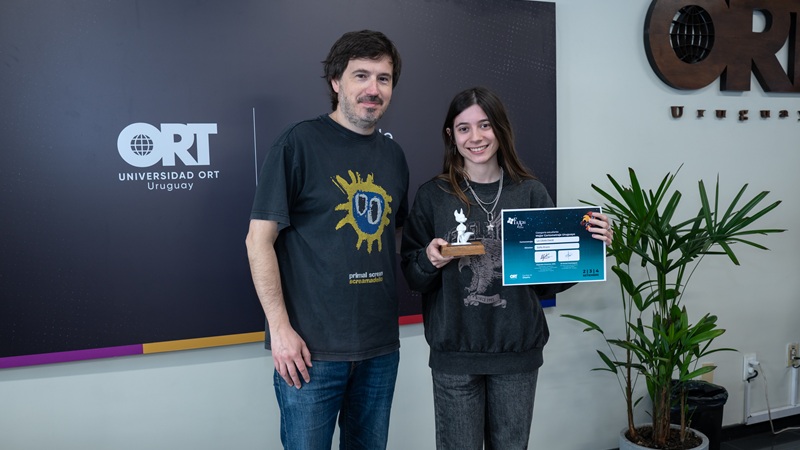
The winning short films were selected by a jury composed of Gastón Fernández, representing the animation industry; Valentina Büchner, who holds a degree in Animation and Video Games and is currently working on a stop-motion film by Walter Tournier; and Anita Aranha, a 2D illustrator and “ animator ” who holds a degree in Animation and Video Games.
Gerardo Castelli, academic coordinator of the Bachelor's Degree in Audiovisual and Film Communicationat ORT's School of Communication, also served on the jury.
Grand Jury Prize and Best Animated Short Film
The Ghost of the Country House
In 1819, an exhausted Francisco de Goya retired to“La Quinta del Sordo”to spend his final days away from public life and devoted to his work.
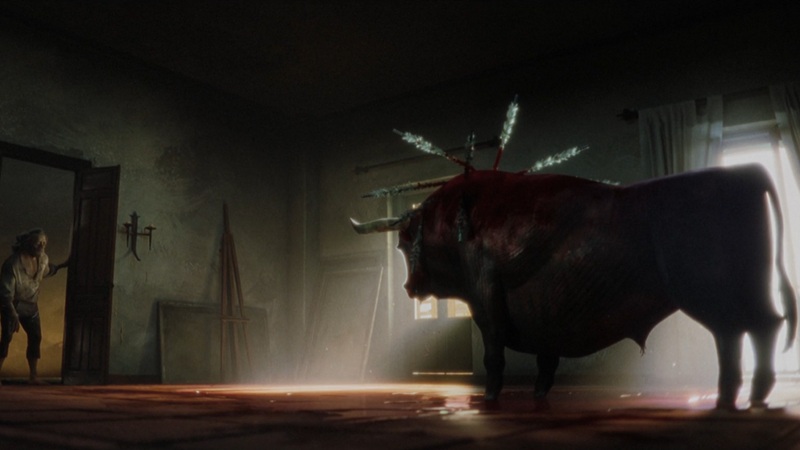
Unfortunately, in the deep solitude of that modest country house, the painter falls seriously ill. Closer to death than ever before, Francisco de Goya is tormented by the ghosts of his past.
Disturbed by these visits and with his health rapidly deteriorating, Goya painted the *Cuadros Negros* on the walls of his home as a last resort to drive the ghosts out of his life, losing almost everything in the process—including his sanity and, practically, his life.
Best Uruguayan Short Film and Best Music Video
In a Thousand Pieces - You Won't Like It
The song " No Te Va Gustar," whose music video was released in mid-2026, was directed by Uruguayan- animator r Pablo Marcovecchio.
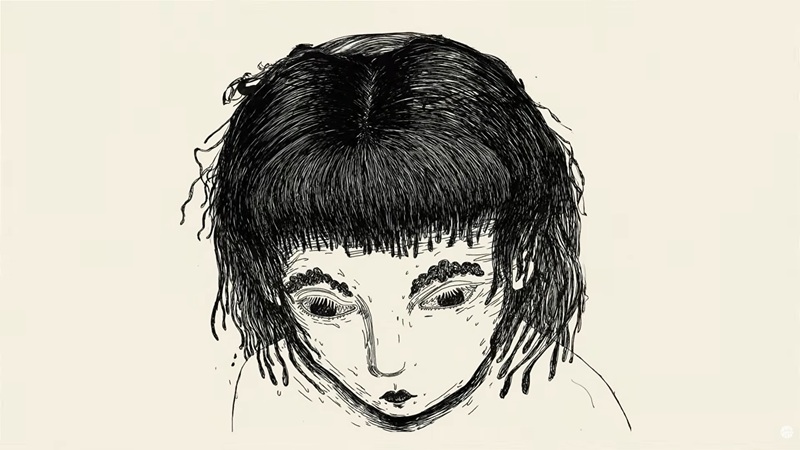
The song explores a relationship marked by intensity, conflict, and repeated attempts to end it.
Through a voice that conveys pain and weariness, she addresses the emotional toll caused by that relationship and the need to break free from that dynamic in order to reclaim her own boundaries.
Best Experimental Short Film
To decline
The discovery of gunpowder was accidental; it was originally conceived as a way to ward off evil spirits.
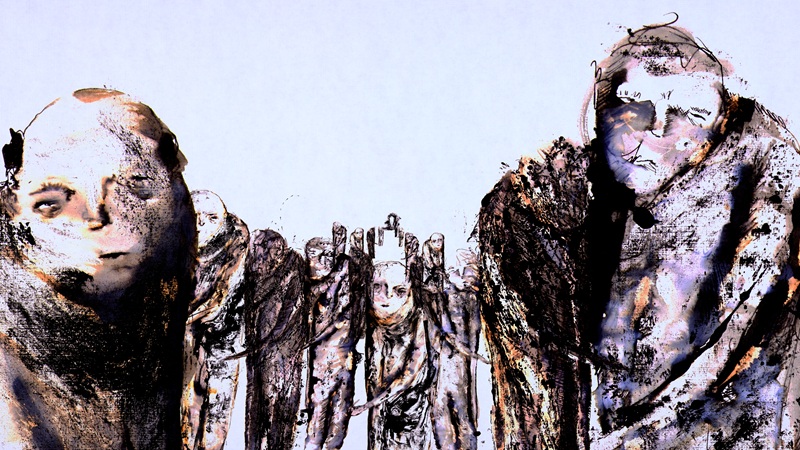
This movie begins in China, then moves to an event in Cartagena, and ends centuries later in Bogotá.
Best Music Video
Our Song - Atlante Muzik
The award for Best Music Video also went to “Nuestra canción” by Atlante Muzik, directed by Andrés Rossi.
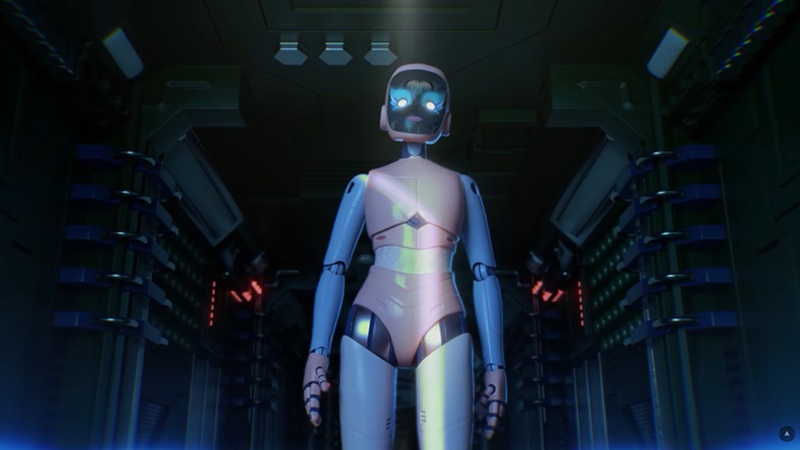
The song focuses on "an exploration of self-expression and the masks we wear to fit into a world increasingly shaped by algorithms and external expectations," according to the description of the music video posted on YouTube.
Best Uruguayan Short Film - Student Category
The Big Fakie
Mike and Paco, two alien friends, explore human ruins and discover a skate park.
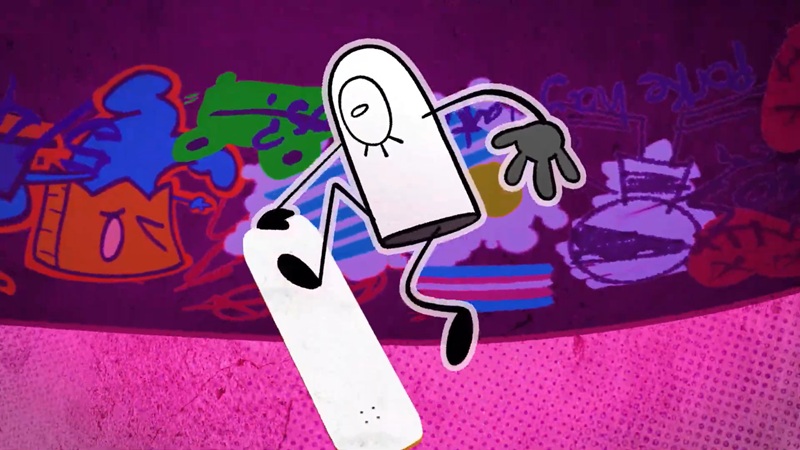
Falula, an alien tasked with cleaning up human remains, finds Mike's perfect skateboard.
They're fighting over it, and she agrees to give it to him… if he can impress her with some spectacular tricks. Will Mike be able to get the skateboard, even though he's never skated before?
Best Short Film (Student Category)
Natura Duramen
In the heart of a primeval forest lies its guardian, Varé.
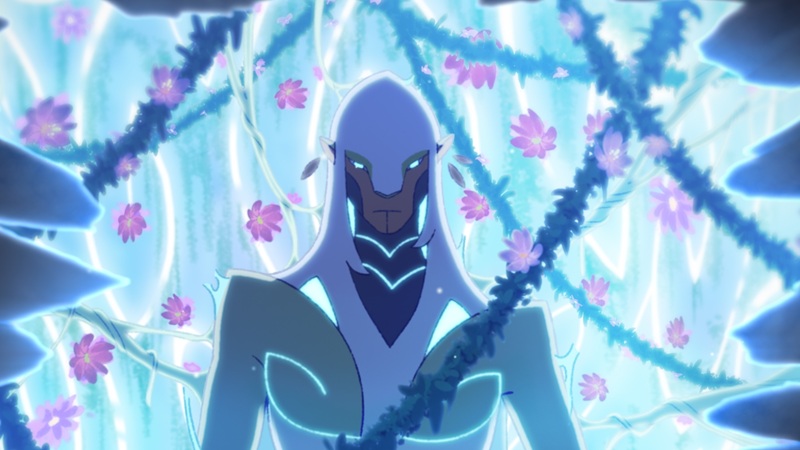
But when an unknown force emerges that threatens the natural world around him, he'll have to question everything he thought he knew in order to protect it.
Pre-college workshops
The first workshop was held on September 1. In “Designing a Character,” high school students were introduced to character creation for animation and learned how to give shape and color to their ideas using a method based on basic geometric shapes. The workshop was based on a fundamental premise: to design a character, you first need to understand it.
On September 2, the workshop “Introduction to Video Game Design” was held, during which participants learned about the different stages involved in video game development and the roles involved in the process. They also had the opportunity to apply this knowledge by creating their own video games.
Finally, on September 3, the “Concept Art for Environments” workshop was held, during which students explored the creative process of designing settings. During the workshop, they worked on aspects such as defining silhouettes and depth, as well as incorporating textures, details, and lighting in Photoshop to create coherent and expressive atmospheres.