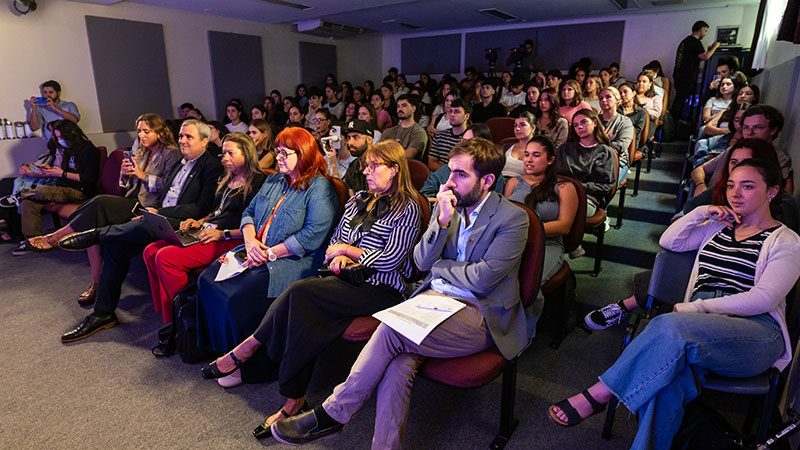
The events brought together researchers, academics, professionals, students, and others interested in learning about new perspectives on science, technology, economics, architecture, communication, design, education, and culture.
The program involved various schools, the Institute of Education, and other university departments, with events that combined academic exchange, professional development, the dissemination of knowledge, and cultural experiences.
Activities open to the general public included free events that allowed people from outside the institution to access spaces for learning, professional development , and the dissemination of knowledge.
A schedule of 262 events
Conferences were the most common format, with 109 events, followed by symposia (25), presentations (24), workshops (21), and exhibitions (18).
The program also included 27 informational sessions, as well as seminars, colloquia, panel discussions, exhibitions, book launches, and other events.
The activities were spread out over the 12 months of the year. November had the most, with 38 events, followed by June, with 31, and October, with 30.
In addition to one-off events, there were series, festivals, and conferences that featured activities on various dates, thereby expanding opportunities for participation and exchange.
Faculty Participation
The five schools of the Universidad ORT Uruguay, the Institute of Education, and other institutional units participated in a program that covered various fields of study.
The breakdown of events associated with each academic unit was as follows:
| College or institute | Related events |
| School of Management and Social Sciences | 76 |
| School of Engineering | 63 |
| School of Architecture | 52 |
| School of Design | 47 |
| School of Communication | 40 |
| Institute of Education | 4 |
Note: Some events were associated with more than one college or academic department, so the figures for each unit should not be added together to arrive at the institutional total.
The involvement of the various departments made it possible to organize interdisciplinary meetings, host national and international experts, and develop activities tailored to audiences with different interests and educational backgrounds.
Events with International Reach
The participation of international experts and the hosting of academic conferences were among the year's most significant events.
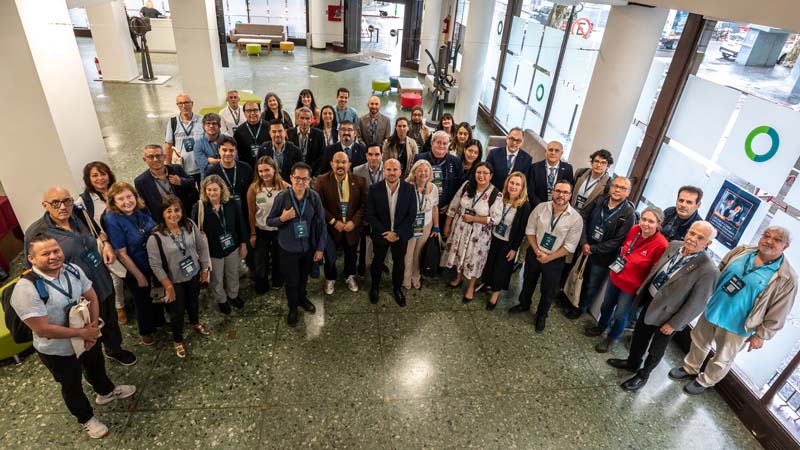
In March, the University of the Andes ( Universidad ORT Uruguay ) hosted, for the first time in the country, the 9th IEEE World Congress on Engineering Education (EDUNINE 2025), organized in collaboration with the School of Engineering.
The conference brought together researchers, academics, and professionals from various countries to discuss the challenges facing engineering education in light of advances in generative artificial intelligence and digital transformation.
In May, the School of Management and Social Sciences hosted the “International Days: Challenges and Security in Europe” conference, which focused on analyzing geopolitical shifts, security issues, and the challenges facing the European continent.
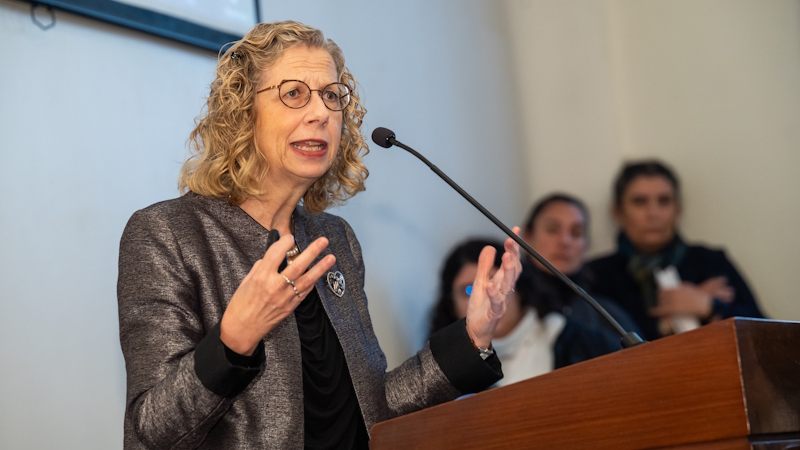
In June, the university welcomed Inger Andersen, Executive Director of the United Nations Environment Programme (UNEP), who headlined the conference “Planetary Crisis: Challenges and the Role of Professionals.” During the event, held at the Pocitos Campus, Andersen addressed climate change, biodiversity loss, and pollution, as well as the responsibilities facing future professionals in the face of these global challenges.
In September, the School of Architecture welcomed architect Frans de Witte from the Dutch firm MVRDV, who gave a lecture on housing, urban planning, and architectural innovation. The event provided an opportunity to learn about international projects and analyze the relationship between building design, climatic conditions, and the needs of those who live in them.
These meetings facilitated exchanges with specialists from different countries and brought academic and professional discussions of international scope to Uruguay.
Innovation, business, and professional development
In October, the School of Engineering helped organize the third edition of the Biotech Forum, held in collaboration with the Biotechnology Research and Innovation Center, the Pando Science and Technology Park, and the Uruguay Technology Laboratory.
The event, held at the LATU Innovation Park, brought together more than 250 people, including researchers, business leaders, entrepreneurs, and representatives of organizations involved in biotechnology. The program included lectures, panel discussions, and opportunities for discussion on the applications of this field in healthcare, food production, industry, and the development of new ventures.
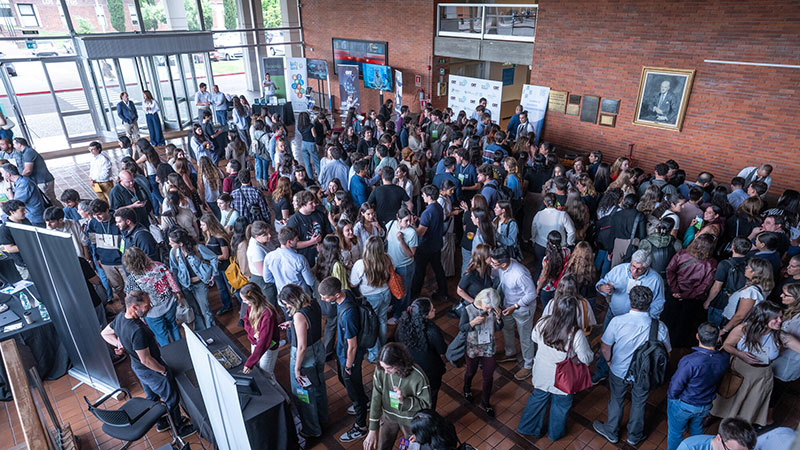
In July, the School of Business and Social Sciences organized the 11th Uruguay Tax Conference, which focused on examining the challenges of international taxation, the trade war, tax geopolitics, and the economic outlook for Uruguay.
The professional development also attended conferences on artificial intelligence, software development, leadership, business management, cybersecurity, and new technological tools.
At the School of Communication, one of the sessions addressed the challenges of investigative journalism in Uruguay, featuring journalists Carolina Delisa and Martín Tocar, who presented their book *Gustavo Penadés: Two Faces of a Man with Power*.
The event, held in May, provided an opportunity to reflect on journalistic research methodologies, the handling of sensitive information, ethical dilemmas, and the responsibility of the media.
Culture, Design, and Shared Experiences
The 2025 program also included activities that brought academic and cultural productions to diverse audiences.
From September 3 to 5, the School of Design organized the 2025 International Animation Festival, which was open to the general public and featured short films by filmmakers from more than 46 countries.
The program included exhibitions, lectures by industry professionals, and workshops for high school students, combining cultural exchange with an introduction to the creative processes of animation.
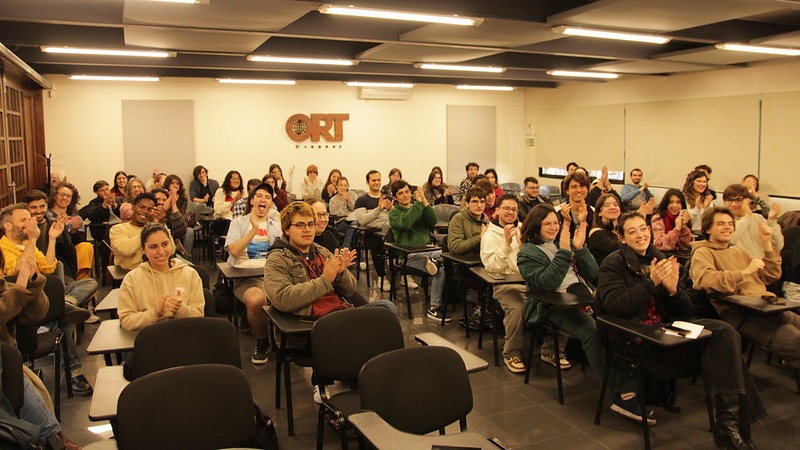
Another event was the "Betatesting" workshop, held in July at the Downtown Campus, which brought together students from the schools of Design, Engineering, and Communication, who presented nine video games currently in development so that the public could try them out and share their impressions.
Education and Knowledge Sharing
In March, the School of Architecture and the Institute of Education organized the seminar “Spaces That Foster Learning in Finland,” aimed at the general public, which provided an opportunity to analyze the influence of physical environments, architecture, and technology on educational experiences.
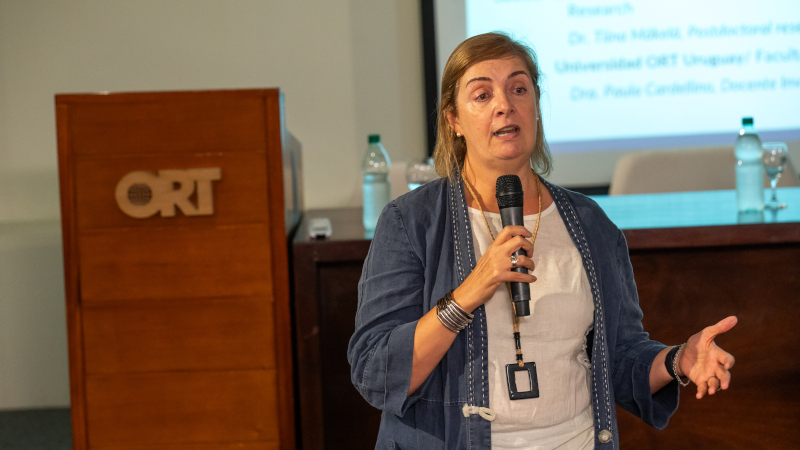
In July, the Institute of Education and the Organization of Ibero-American States presented the book *Toward a New Education: Key Ideas to Guide Transformation*, a publication that brings together contributions from Ibero-American experts on the main challenges facing education. The event provided an opportunity to reflect on the future of education, technological transformations, and the need to expand and diversify learning opportunities.
The program also included lectures and panel discussions on artificial intelligence and digital technologies in schools, among other initiatives related to teacher training and professional development.
Activities Open to the Community
In addition to events aimed at students, faculty, and alumni, the university organized educational activities open to people outside the institution, offering both in-person and online participation options.
Among them was the lecture “The Palm Weevil and Palm Trees in Uruguay,” organized by the School of Architecture on June 10 at the Pocitos Campus. The event was free and open to the general public, with prior registration via an online form. Those interested could attend in person or watch the live stream on Zoom, regardless of whether they were members of the university community.
During the meeting, Agricultural Engineer Gastón Colominas, an instructor in the Landscape Technology program, explained the characteristics of this invasive pest, its impact on palm trees, and prevention and control strategies to combat its spread in Uruguay.
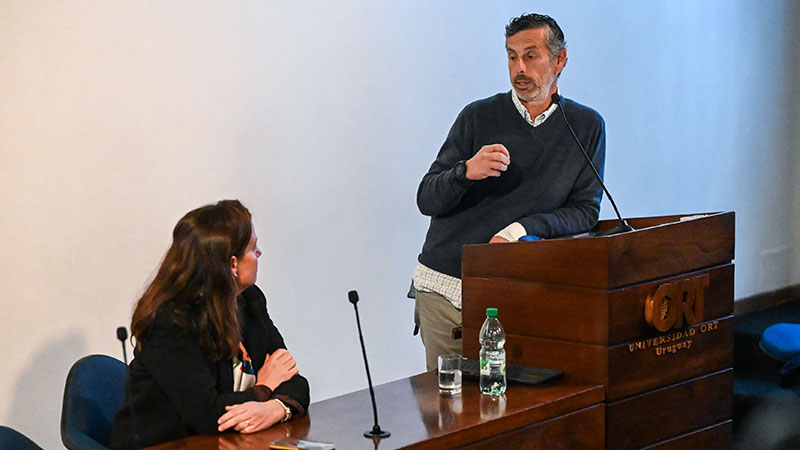
The program also included initiatives from professional development. Between October and November, the School of Design organized the series “New Professional Profiles in Industrial Design,” aimed at students, graduates, and the general public. The three talks, held on October 28, November 10, and November 25, addressed the strategic, digital, and entrepreneurial profiles within the discipline through experiences shared by industry professionals.
The events took place at the Downtown Campus and were streamed on YouTube, allowing participants to access the content remotely. The final session, focused on entrepreneurship, was free to attend but required prior registration for in-person attendance.
In November, the School of Design also organized the Multimedia Forum, an event open to the general public that took place over two days, the 12th and 13th, at the Downtown Campus. Admission was free with prior registration, and the event included four lectures and a workshop on audiovisual production, digital experience design, artificial intelligence, and new creative trends.
The event drew more than 80 attendees and provided an opportunity for professionals in the creative and technology industries to share their experiences and knowledge. Topics covered included audiovisual production tools, new applications of artificial intelligence, and accessibility and usability criteria for the design of digital products.
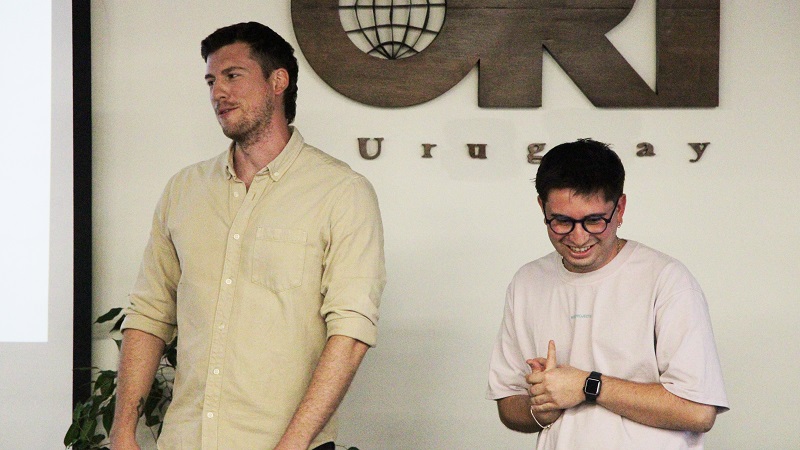
The event was also open to the public through meetings with international experts. On November 27, as part of Uruguay’s first Architecture Week, the School of Architecture welcomed Brazilian architect Marcelo Ferraz, who gave a lecture titled “Contemporary Architecture and Historical Heritage” at the Pocitos Campus.
The event was free and open to the general public, with advance registration required using forms available on the school’s website. Those interested could attend in person or watch the livestream on Zoom. During his presentation, Ferraz discussed the relationship between contemporary architectural interventions and the preservation of historical heritage.
These initiatives are linked to Sustainable Development Goal (SDG) 4: Quality Education, as they promote lifelong learning and expand training and professional development opportunities for people outside the university community. Through free programs open to the public and offering various participation options, ORT has made specialized knowledge accessible to society beyond its formal educational programmes .