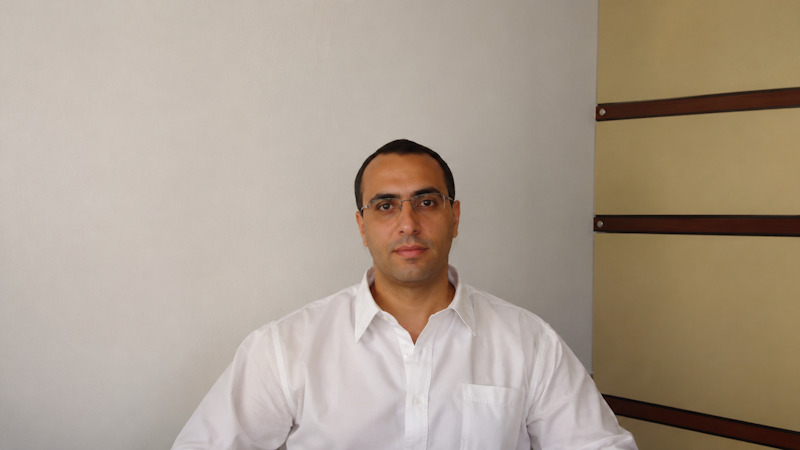
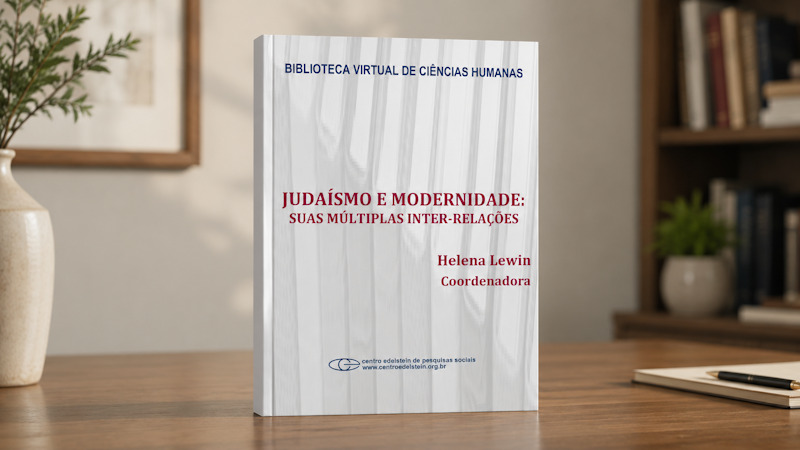
The paper “The Anti-Immigration Campaign in *La Tribuna Popular* and *El Debate*, 1936–1937” by David Telias, Coordinator of the Department of Jewish Studies, presented at the “4th Brazilian Conference on Jewish Studies,” which took place in November 2005 in Rio de Janeiro, was included in the book "Judaism and Modernity: Their Multiple Interrelationships" published in 2007 by the State University of Rio de Janeiro.
Interview with David Telias, Esq.
- What was the topic of your presentation?
- In our collective imagination, Uruguay in the first half of the 20th century is viewed almost as a paradise where various waves of immigrants arrived and adapted with virtually no difficulty. It is clear that, when compared to the rest of the region—and especially Argentina—one could say that this was indeed the case. However, I believe we should not underestimate the anti-immigrant movements that took place in Uruguay, particularly after the effects of the 1929 international crisis began to be felt there.
This, combined with the rise in our country of fascist ideology in certain political sectors and Nazism—stemming from the alliance between Hitler and Mussolini—fueled growing opposition to what were then new waves of immigration, as reflected by the conservative sectors represented in those newspapers. .
On the other hand, these sectors were aligned with the political powers that be, supporting the anti-Batllista dictatorship of President Gabriel Terra (1931–1938), and it was during the period analyzed in this presentation that the reform—or tightening—of the so-called Anti-Immigration Law took place . In this presentation, we analyze how these media outlets argued in favor of this reform of the law and what their conception of “exotic” immigration—particularly Jewish immigration—was.
-Why did you decide to study this particular topic?
- Come to think of it, maybe it wasn't entirely my own decision. I did it at the invitation of Daniela Bouret at the time; we worked on this together for several years, even after the book was published, since in 1998 we produced a historical-art exhibition held at the Cabildo in Montevideo, titled *Equipaje de Ilusiones* (Baggage of Illusions), which focused on Jewish, Armenian, and Spanish Republican immigration to our country.
- What was the hypothesis that was proposed?
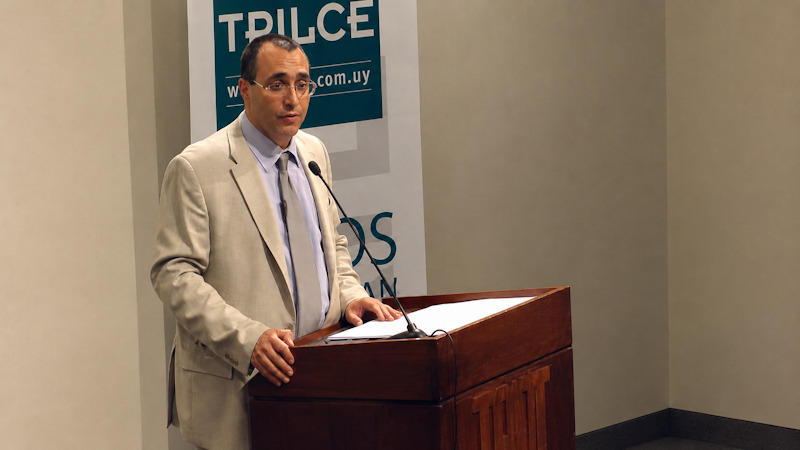
- Let’s say that the presentation does not put forward a specific hypothesis, since on this occasion the idea was to present a series of sources—primarily from the press— that have been overlooked due to a collective imagination that, as is often the case, is extremely selective. But the truth is that neither *La Tribuna Popular* nor *El Debate* were minor publications; rather, they were very important for their time in terms of their daily circulation. It should be noted that, although both are portrayed as anti-immigrant, their characteristics are not entirely the same.
While *El Debate* focused on tightening restrictions under the 1936 anti-immigration law, rarely mentioning Jews, *La Tribuna Popular* was clearly anti-Semitic and expressed clear concern about Jewish immigration among the various groups arriving at the time.
There were other media outlets aligned with them, such as *La Mañana*, for example. Since the presentation had to be limited in time and scope, I chose these two because they were, in a way, the standard-bearers during that period—which was the most turbulent, precisely because of the proposed reforms to the law.
- What were the reasons behind the anti-immigration campaign?
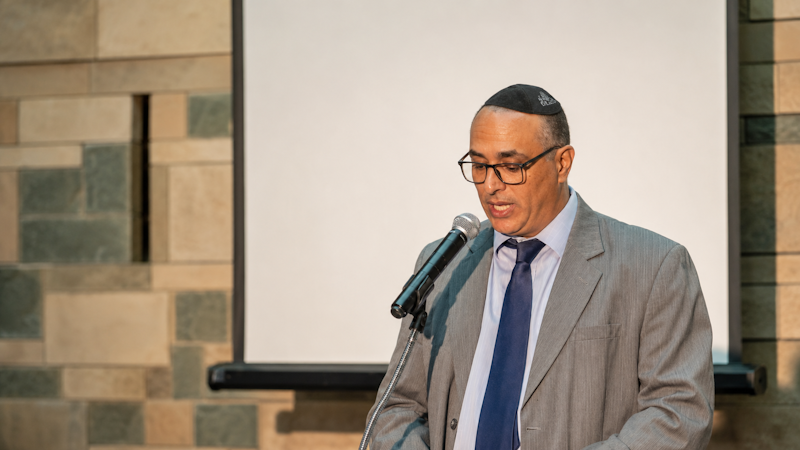
- There are many reasons. I believe the main one is economic. The law that was amended in ’36 had been enacted in 1932, at a time when Uruguay was beginning to feel the effects of the 1929 crisis. Added to that was a favorable international context. In other words, this wasn’t happening only in Uruguay. The most compelling evidence was the 1938 Evian Conference, at which no country in the world was willing to take in Jews fleeing Nazism, arguing, on the one hand, a supposed inability to create the conditions to receive them, but relying, on the other, on the anti-immigration laws that all countries had in place. There is the exceptional case of the Dominican Republic, but even there, the offer was made within the framework of existing restrictive legislation.
- What is the book that includes your article about?
- It is incredibly diverse, as it brings together a selection of dozens of papers presented at the Fourth Conference on Jewish Studies, organized every three years by the Jewish Programme the State University of Rio de Janeiro. Undoubtedly, sociological and anthropological studies on Brazilian Judaism predominate. But there are also works on microhistory, as well as analyses of international political issues such as the Arab-Israeli conflict.
- What new insights does the study offer?
- On a national level, perhaps not much, considering that it is drawn from research we began several years earlier and that was first published in the book *Entre la Matzá y el Mate: Jewish Immigration to Uruguay—A History in the Making*, which we co-authored with Daniela Bouret and Álvaro Martínez. Published in late 1997 by Banda Oriental, it had a very strong impact at the time, as it was the first work of its kind published in Uruguay. As for Brazil and the other countries that were in some way involved in the conference, I think it has had a significant impact, given that very little is generally known about Uruguay, and the image people have of it is very different from what the research shows.
-What aspect of your research sparked the most interest among the event organizers?
- I think, first of all, the fact that I’m from Uruguay. Unfortunately, for various reasons, we Uruguayans are participating less and less in the international academic community. But then, there’s the fact that they encountered a view of Uruguay that was quite different from what they expected.