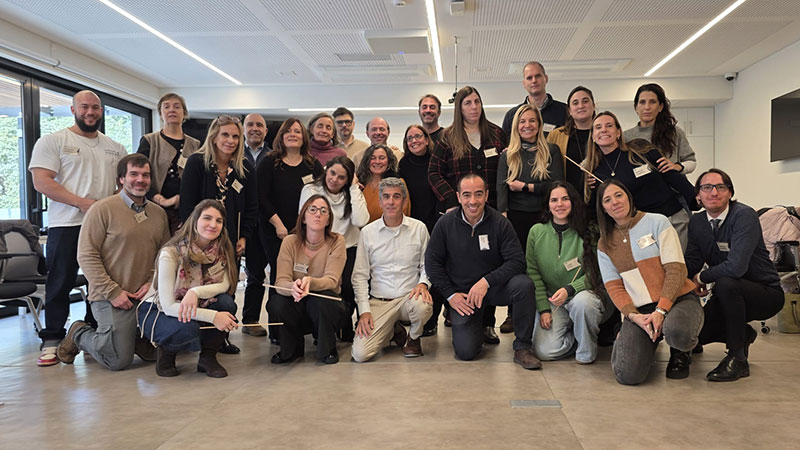
The event, which took place on June 22 and 24 at the Business School building, was part of the second level of the workshop “The Learning Team” and was led by Juan Carro, an engineer and consultant in organizational development and change management with experience in leadership, communication, customer service, and psychological safety in teams.
The workshop covered tools for improving coordination among people, clarifying responsibilities, and fostering results-oriented conversations.
One of the materials used in the activity aimed to encourage reflection on key concepts in team management in order to strengthen collaboration with team members and achieve organizational results in a more collaborative manner.
The proposal covered topics such as team development, building trust, conflict management, commitments, coordinating actions, requests, promises, and negotiation.
In this context, the workshop focused on the importance of clearly articulating expectations: who is making the request, to whom it is directed, what action is expected, by when, and under what conditions it must be met.
Shared Responsibility
Another key theme was the concept of accountability, which was defined in the workshop as the ability to take responsibility for results and maintain clear accountability within teams.
The instructor presented a framework of roles that distinguishes between:
- the person who is accountable and ultimately responsible for the outcome;
- the individuals responsible for carrying out specific tasks; and
- those who provide support to make the work easier.
He also summarized a key rule: tasks can be shared, but responsibility for the final result must be clearly assigned.
The training included self-assessment exercises to analyze how clearly each team understands its ultimate responsibility regarding the department’s goals, what happens when someone fails to meet those goals, and how such situations impact the experience of students or users.
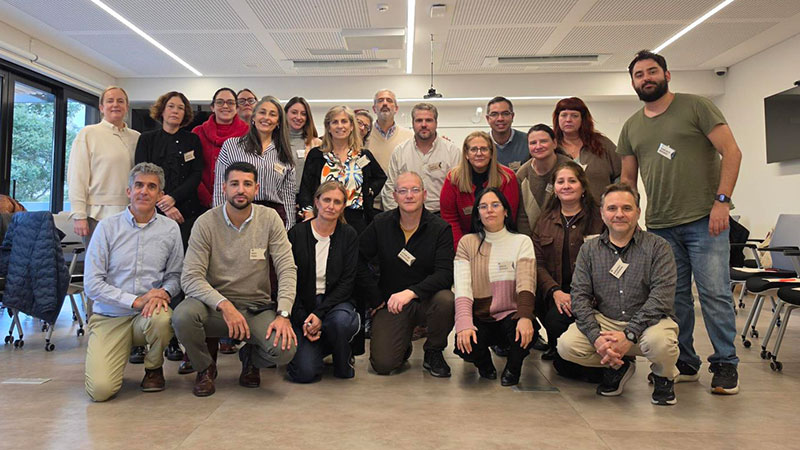
Effective Conversations
The workshop also explored language as a management tool. Through exercises on reactive and proactive communication, participants analyzed how the ways in which problems, requests, and disagreements are raised affect day-to-day coordination.
It was proposed to shift from discussions focused on complaints or assigning blame to conversations centered on facts, commitments, and possible courses of action. Along these lines, the workshop addressed the development of agreements as a central aspect of teamwork.
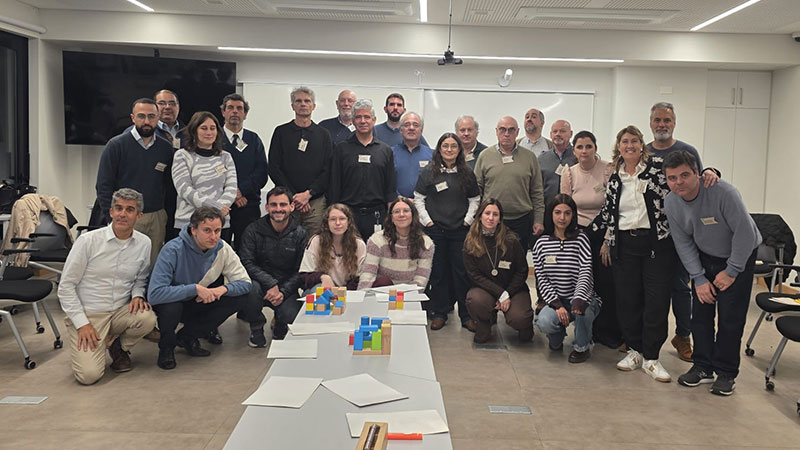
This training is part of the internal development initiatives promoted by the Human Resources Department at Universidad ORT Uruguay, with the goal of supporting the professional growth of its teams and strengthening leadership, collaboration, and management practices.
The initiative is linked to the Sustainable Development Goals, an agenda adopted by the United Nations in 2015 to address global challenges by 2030. In particular, it aligns with SDG 4: Quality Education, due to its emphasis on lifelong learning, and with SDG 8: Decent Work and Economic Growth, due to its focus on skills development for more effective work environments.