
Why, if Uruguayan tourism continues to grow, do many companies still face difficulties in improving their profitability? That was the question that kicked off the panel discussion “Tourism in Uruguay: Growth Without Profitability? What’s Going Wrong and What Needs to Change?”, organized by the School of Business and Social Sciences at Universidad ORT Uruguay.
The event brought together business leaders, professionals, government officials, and members of the academic community to discuss the main challenges facing Uruguay’s tourism industry. The discussion was moderated by Pablo Pesce, academic coordinator of the Tourism and Hospitality Management Technician program at Universidad ORT Uruguay, and featured Fernando Tapia, president of the Uruguayan Chamber of Tourism (CAMTUR); Patricia Marques, partner and director at PwC Uruguay; and Álvaro Moré, president of VML and WPP Production.
During the opening ceremony, Pesce highlighted the economic and social importance of tourism in Uruguay, while also pointing out the paradox that gave rise to the event: an industry that generates jobs, investment, and development is, at the same time, facing growing difficulties in maintaining business profitability. He also mentioned the recent cooperation agreement signed between Universidad ORT Uruguay CAMTUR to promote joint initiatives that benefit the sector.
An industry that is growing, but with companies under increasing pressure
Fernando Tapia noted that tourism is a strategic industry for the country, although he cautioned that growth in demand does not always translate into better results for businesses.
““It’s a very paradoxical moment,”, he said, referring to the contrast between tourism’s contribution to the economy and the reality facing many organizations in the sector. As he explained, Uruguay has the conditions to continue growing, but “when we look at the reality facing tourism businesses, there are enormous difficulties”. He also cited data from a study conducted by CERES showing that between 2011 and 2019, the sector’s real revenue declined while costs continued to rise.
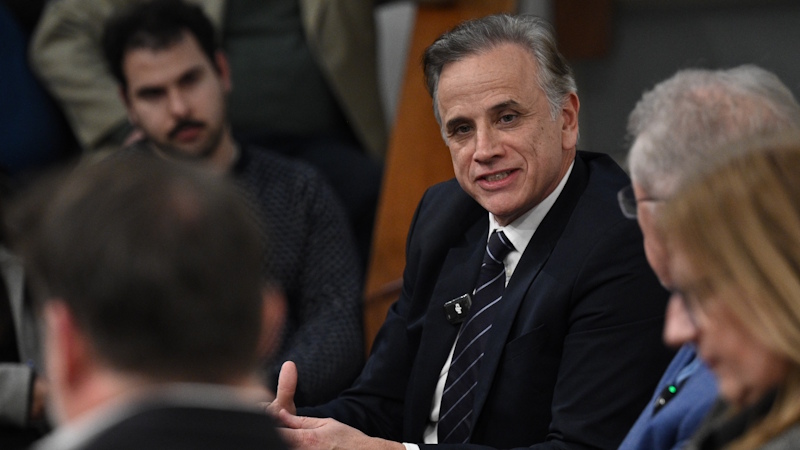
When asked about growth indicators, Tapia stated that the recovery in demand following the pandemic is evident, although he noted the need to distinguish between growth and development.
There is growth; the question is whether it is leading to development.
Fernando Tapia, president of CAMTUR
The Need for a Plan
One of the central topics of the discussion was the lack of a sustained strategy for tourism development.
Álvaro Moré argued that the country needs “a simple, actionable, short-term plan”, while Patricia Marques believed that this approach should be complemented by a long-term vision.
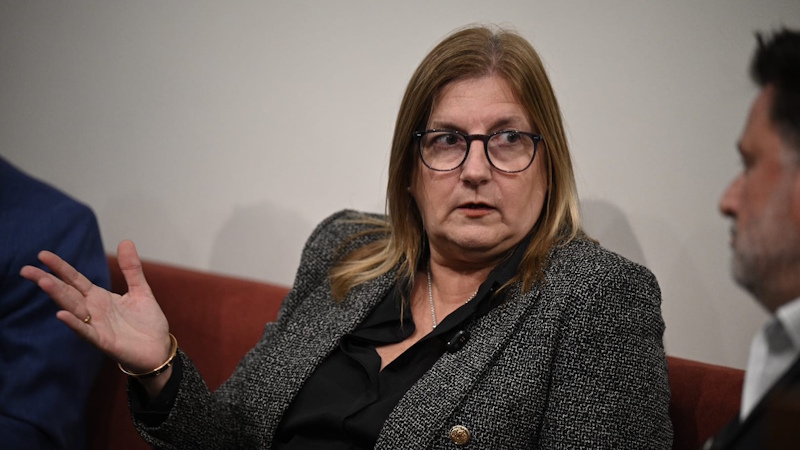
I think there needs to be both a short-term plan and a long-term one.
Patricia Marques, Partner and Director at PwC Uruguay
For Tapia, any strategy will only be effective if tourism is given priority on the national agenda.
““The plan works when senior management supports it,”, he said, adding that the challenge falls not only on governments but also on Uruguayan society as a whole.
Communication, Investment, and Information to Compete More Effectively
Another key focus of the panel was the need to strengthen international promotion and make better use of the available tools to raise the country's profile.
Moré emphasized that technology makes it possible to develop much more targeted campaigns.
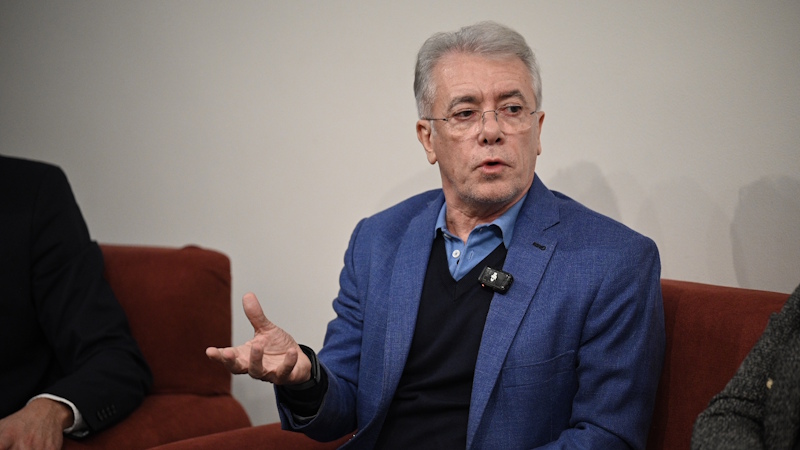
Today, thanks to the digital world, we can communicate whatever we want to whatever audience we want.
Álvaro Moré, President of VML and WPP Production
However, he cautioned that it is necessary to review how resources earmarked for tourism promotion are allocated.
Along the same lines, Tapia pointed out that improving connectivity and raising international awareness of Uruguay requires greater investment in promotion. As an example, he cited the case of Gramado, a Brazilian city that, thanks to a strategy sustained over decades, has established itself as a leading tourist destination.
Patricia Marques, for her part, emphasized the importance of incorporating evidence into decision-making.
“What isn’t measured can’t be managed”, he said, adding that the country needs to conduct a more in-depth analysis of the available information. He also noted that the challenges facing the tourism industry must be addressed from a comprehensive perspective, involving multiple sectors of activity.
Country brand, training, and a shared strategy
The discussion also covered the development of the country brand and the relationship between academia and business.
Regarding the identity of the destination, Moré was unequivocal: “Brands don’t change,”, he said, referring to the importance of developing strategies that remain consistent over time.
Tapia, for his part, emphasized the need to strengthen the relationship between the education system and the business sector.
“I think there’s a significant gap between education and the business world. But it’s not the academic sector’s responsibility. I think we in the private sector aren’t doing enough,”, he said, while emphasizing the importance of companies investing in the training of their teams.
As the panel drew to a close, the speakers agreed that solutions must be developed collaboratively.
Marques argued that “a plan with a comprehensive approach” is the way to strengthen the sector’s competitiveness and stressed that “a magic solution won’t work.” Tapia, for his part, stated that tourism must play a central role in the country’s strategy and that it is necessary to create conditions to stimulate both large-scale investments and those from micro and small businesses. Finally, Marques concluded that any future strategy must be “sustainable from every perspective.”
The event took place within the framework of the Framework Agreement on Institutional Understanding recently signed between Universidad ORT Uruguay the Uruguayan Chamber of Tourism, a partnership that seeks to promote joint initiatives in training, research, and knowledge generation to help strengthen Uruguayan tourism and enhance its competitiveness.
https://youtu.be/O3IIsTyd3CM