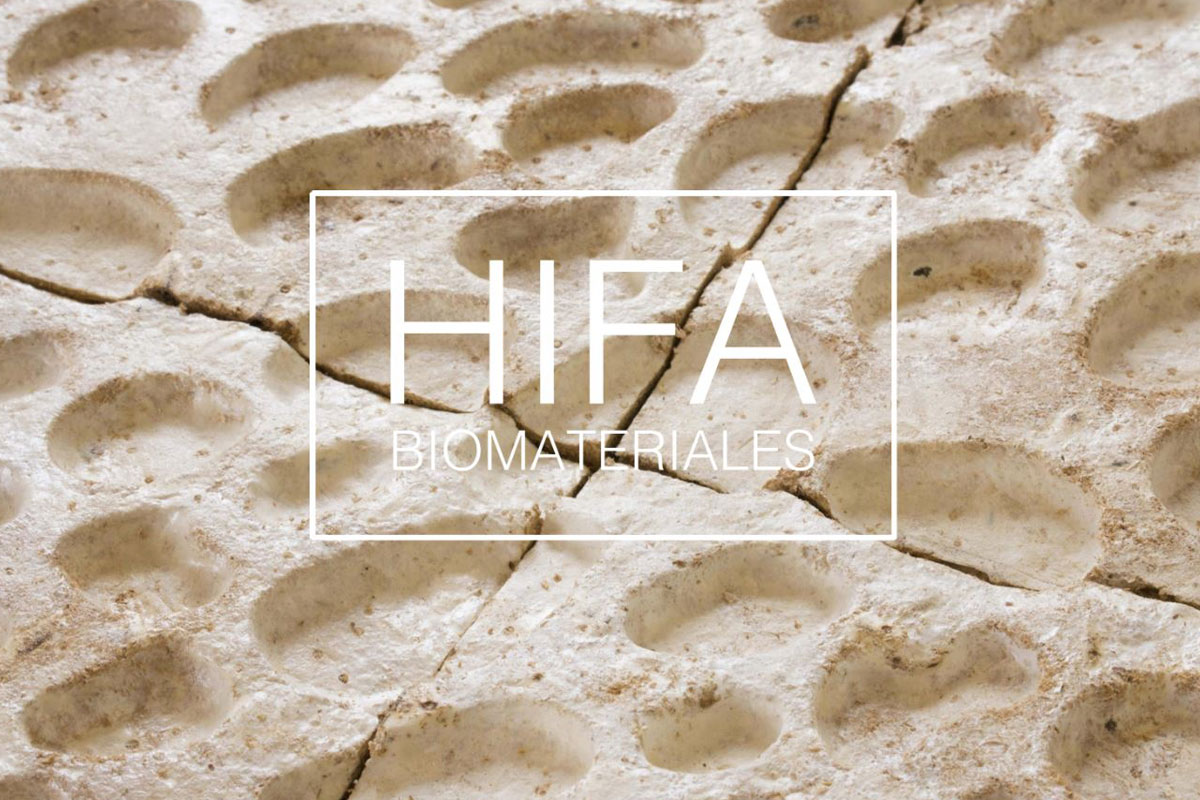
Replacing plastic is possible. Whether it’s a tray, cutlery, shoe soles, or even car parts, combining an edible mushroom with industrial waste yields a new biomaterial that serves as an eco-friendly alternative to plastic.
However, while the ingredients in the formula are known, the process for creating it remains a secret. Only three companies in the world—located in the United States and Europe—manufacture their products using this biomaterial. Now a fourth has joined the ranks, and it is Uruguayan.
Universidad ORT Uruguay Machado, a biotechnology engineer who graduated from Universidad ORT Uruguay , and Gabriela da Rosa, who holds a master’s degree in biological sciences, were able to develop this biomaterial—which does not yet have an official name—after numerous attempts. “We work in microbiology and knew it was made from a fungus that grows on wood and lignocellulosic waste, such as wheat or straw. From there, we experimented with various fungi, different substrates, and conditions to produce the same material, because it’s fantastic,” said Da Rosa.
Once the materials were secured, Guadalupe Sonneveld, who holds a bachelor’s degree in industrial design from ORT, joined forces with the two scientists to fill the design gap in the project. Today, the three of them lead Hifa, a startup has university’s Center for Innovation and Entrepreneurship (CIE), which aims to launch its eco-friendly products on the market soon.
From plastic cutlery to shoe soles
How is the biomaterial produced? First, the desired substrate—such as sawdust or rice husks—is placed in a mold along with the fungus. The fungus feeds on the substrate as it grows to take the shape of the mold. Finally, once it has reached the desired shape, the fungus is killed. The entire process takes seven days.
According to Machado, it was the biomaterial’s potential that led them to discover it. “We create a biomaterial from waste—in other words, we remove pollutants from the environment—and we also help the environment because it’s biodegradable. Plus, it’s water-resistant, provides acoustic and thermal insulation, and is fire-resistant,” the engineer explained.
According to Da Rosa, given its unique properties, the biomaterial can replace “anything made of plastic.” In this regard, Sonneveld added that in the United States, for example, a company started out working with packaging and is now specializing in textiles, specifically vegetable-tanned leather. “Another European company is making tiles, wall coverings, and modular sound-absorbing panels. It’s also partnered with Nike to produce part of the rubber in the soles of sneakers,” he explained.
Whatever the plastic item may be, it can be produced using this biomaterial, regardless of whether it is rigid or flexible. As Da Rosa explained, it all depends on the substrate used, the conditions provided for the fungus to grow, and the mold in which it is placed.
Slow but steady steps
The first product Hifa will launch on the market will be wall cladding panels. The entrepreneurs have already spoken with various architecture and design firms, which have expressed great enthusiasm for the material’s potential. Furthermore, La Casa Uruguaya, an ORT initiative, will incorporate these panels between walls to be used as thermal insulation.
“What sets us apart is that each piece is a unique tile (a piece used to form a mosaic). Although the process is standard and the shape is the same in every case, the design is different on each panel because the fungus grows differently in each mold,” explained Sonneveld. Hifa’s idea is to remind the customer that the product was made by a living microorganism. “This aligns with current trends, not only because it uses sustainable materials, but also because of the connection the product creates with nature,” added the designer.
While it is true that this biomaterial presents an excellent opportunity to begin phasing out plastic, Hifa must take slow but steady steps in the market. “If we started producing trays or cups, we wouldn’t be competitive. We want to enter the market with products that have high profit margins, and then, once everything is up and running, lower the margins on those products and move into packaging, ”Machado explained.
The entrepreneurs presented their ideas to the National Agency for Research and Innovation (ANII), and the project was approved for technical validation and business concept validation; as a result, Hifa will soon be ready to launch its first product.