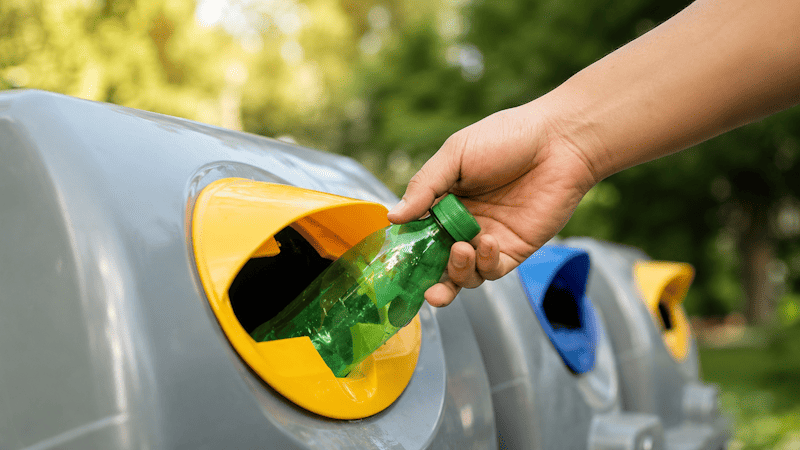
Acommitment to recyclingdoesn't require large investments, but rather everyday actions such asproperly sorting waste and being familiar with the available collection systems.
These initiatives strengthenenvironmental stewardship in Uruguayand enable students and communities to help build a culture in whichcaring for the environmentis part of daily life.
Whether through big or small actions, students can promote sustainable habits in their immediate surroundings.
As interest in environmental protection grows, sodo the opportunitiesforyoung people tolead initiatives for change.
What Is Recycling and Why Is It So Important?
Recycling is the process by whichwaste that has served its original purpose is collectedand transformed back into raw materials or new products.
Materials such as paper, cardboard, glass, certain plastics, and metals can be reintroduced into the production cycle.
In Uruguay, recycling is part of abroader strategy aimed at sustainablewastemanagementand the circular economy.
https://youtu.be/rSKeI6FPw0c?si=bNBFvJK8X3A4wR6j
This model aims tokeep materials in usefor as long as possible, promoting reuse before considering their permanent disposal.
According toCEMPRE Uruguay, one of themain challenges of recyclingis source separation. Whenrecyclable waste arrives mixed with organic matteror other waste, the material loses value or cannot be recovered.
Althoughpublic policies and infrastructureare essential, it all comes down to the people in their day-to-day lives.
In addition toreducing the amount of wastethat ends up in landfills, recycling offers numerous benefits:
- Reduces environmental pollution:By recycling materials that can still be put to good use, it helps preserve biodiversity and improve the quality of the environment.
- Protects natural resources:Manufacturing new products from recycled materials typically requires fewer raw materials than producing them from scratch. As a result, resource extraction is reduced.
- Reduces energy consumption: Recyclingmaterials consumes less energy than manufacturing new products, which helps reduce greenhouse gas emissions associated with production.
- Promotes the circular economy:Recovered materials are reintroduced into the production system, creating new opportunities for employment, innovation, and sustainable development.
Recycling also promotesgreater environmental awareness. It encouragesmore responsible consumption habitsand helps people reflect on the amount of waste they generate each day and prioritize values such asresponsibility and care for shared spaces.
This awareness oftenextends to other sustainable practices, such as reducing food waste or conserving water.
Actions University Students Can Take
According toUNESCO,education for sustainable developmentaims to strengthenthe knowledge and practicesneeded to address environmental challenges.
From this perspective,universities not only train professionals, but also developindividuals capable of driving changein their communities.
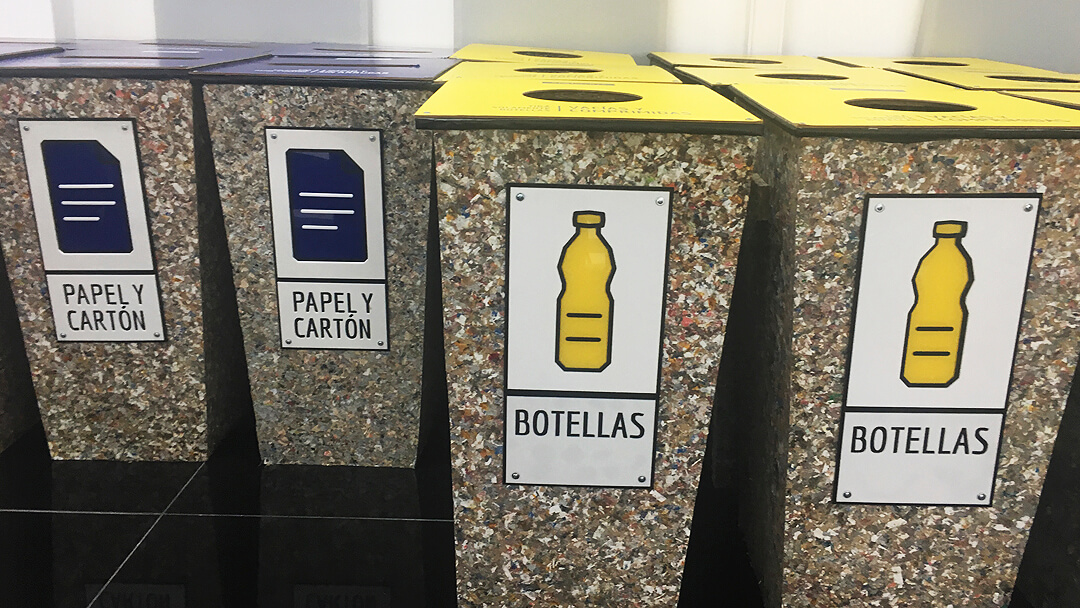
Thousands of peoplegather every day at academic centers andconsume large amountsof paper, plastic, and electronic waste; therefore,promoting a culture of sustainability at the universityhas a positive environmental impact bothon and off campus.
These spaces have the power tobring about behavioral changesthat are then carried over into society.
Beyond the specific policies of each institution,student participation contributessignificantly to the success of recycling initiatives.
- Organize waste sorting campaigns:Students can lead workshops to teach others how to properly sort paper, cardboard, plastic, glass, and other recyclable materials.
- Promote the reduction of single-use plastics:Replacing disposable cups, utensils, bottles, and bags with reusable alternatives reduces waste generation in schools.
- Promoting research and innovation projects: Manydegree programs offer opportunities to work on projects related to waste management, eco-design, the circular economy, or the recovery of recyclable materials.
- Participate in environmental programmes :Cleanup days in public spaces and environmental education activities allow students to collaborate with social organizations and educational institutions.
How to Promote Recycling at the Community Level
One of thesimplest ways to start becoming moreenvironmentally conscious is to find outwhat recycling options are available nearwhere each student lives, studies, or works.
Knowing the drop-off locations, accepted materials, and conditions makes it possible to put this into practice.
TheMontevideo City Governmentlists the existingvoluntary drop-off locationsforrecyclable materialssuch as plastic, paper, cardboard, and cans, as well as special waste such as used cooking oil and batteries. Information is also available through this initiative led by CEMPRE.
For students as well ascitizens of all backgrounds and ages, thisinformation serves as a starting pointfor doing their part in various ways.
Starting within their own community, students can take concrete steps:
- Create a neighborhood recycling guide: Gather information on drop-off locations, hours, accepted materials, and basic recommendations for sorting waste.
- Share clear information on social media: Provide simple guidelines on what can be recycled and how to prepare materials before taking them to a drop-off location.
- Coordinate efforts with others: Organize collection drives for paper, cardboard, plastics, or electronic waste on specific dates.
- Promote sustainable habits in shared spaces: Post clear signage, sort waste at student events, and reduce the use of disposable items.
Before organizing a campaign or promoting a community initiative, it’s a good idea to check which materials each collection system accepts.
Not all waste is recycled in the same way.
https://youtu.be/bi53YyYLoxs?si=IZltju8qeEBWUzM1
In the case ofMontevideo’s recycling centers, for example, they acceptclean, dry, and compacted recyclable materials, as well as some household electronic devices.
Proper sortingprevents recyclable waste from becoming contaminated andincreases the chancesthat it can be reintroduced into the production cycle.
Small steps to incorporate into your daily routine
Contributing to recyclingdoesn't always mean taking big steps, like organizing projects or participating in environmental campaigns. Often, the greatest impact comes fromsimple habits that we repeat every day.
College life is oftenmarked by demanding routines, such as attending classes, getting together with classmates to study, using public transportation, or buying food away from home.
Small, everyday changescan have an impact that extends far beyond the university setting.
Each of these activities presentsopportunities to reduce the amount of waste generatedandmake more responsible consumption choices, without having to completely change one's lifestyle.
- Bring areusable bottle or cupinstead of buying and throwing away a new one every day.
- Make the most of your study materials—for example,by using both sides of the paperand taking advantage of blank pages in your notebooks.
- Backpacks, calculators, headphones, and other electronic devices can oftenbe repaired instead of thrown away.
- When shopping, choose products withrecyclable packagingor those that contain less plastic.
- Sort waste at the university, in public spaces, and at home.
Above all, talking with friends, family, or coworkers about the importance of recycling canmotivate more people to incorporate these habitsinto their daily routines.
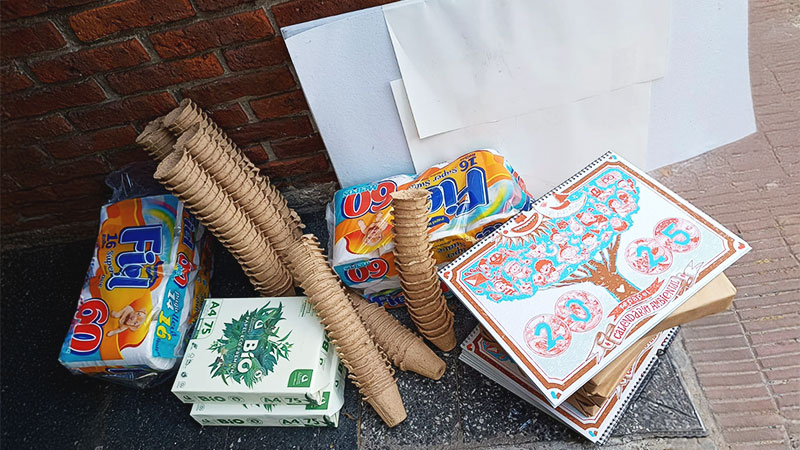
These actions may seemsmall on their own, but they have a much greater impact whenthey become part of the daily routineof hundreds or thousands of students.
Adopting these practices promotesmore responsible consumption in the long term.
Common Mistakes When Recycling and How to Avoid Them
Manyrecyclable materials lose their valuewhen they arrive contaminated with food scraps, liquids, or other debris, so following a fewbasic guidelines ensuresthat your efforts actually make a difference.
- Before recycling bottles, cans, or containers, it is a good ideato empty and rinsethem to remove any food or drink residue.
- Not all plastics are accepted by the same collection systems. Therefore, it’s a good ideato check which materialseach drop-off locationaccepts.
- Compressing plastic bottles orcardboard boxes helps optimize space during storage and transport.
- Batteries and electronic devices requirespecific management systemsbecause of the materials they contain.
Recycling is an essential tool, but it is part of abroader strategy.Reducing consumption and reusing products whenever possible oftenhave an even greater environmental impact.
Adopting these practices allows recyclable materialsto retain their valueand be reintroduced into the production cycle.
For students, moreover, understanding these aspects provides anopportunity to share reliable information withothers and thereby promote best practices.
- You may also be interested in:What is a hackathon, and what do you learn from these collaborative challenges?
Beyond simply sorting waste,recycling involves adopting a different approachto consumption and the environment.
https://youtu.be/gWUB9wMRiUQ?si=nbRLkWuOGtjbwfxt
For students, this stage represents anopportunity to develop habitsthat can last a lifetime.
Every day-to-day decisionhelps build a more sustainable society.
Learn more about ORT's recycling initiatives