-
https://www.youtube.com/watch?v=gWUB9wMRiUQ
In 2017, the university took steps to improve its waste management system.
The waste generated was monitored and tracked, and two main categories were identified: paper and cardboard, and PET (polyethylene terephthalate) plastic bottles.
There is a market for these fractions that can accept, process, and utilize them.
Year after year, the university implements new environmental measures that it extends to its suppliersand outsourced services, serving as a champion of initiatives that go beyond its own facilities.
Recycled waste bins, made from Tetra Brick® cartons and flexible packaging, were placed throughout the university’s facilities. These bins were purchased from a domestic company, thereby providing an alternative for managing these materials, which previously ended up in landfills.
Waste fractions were identified in accordance with the UNIT 1239:2017 standard on Waste Identification and Classification, using blue for paper and cardboard and yellow for plastic.
To gain the support of the university community, an interdisciplinary team of professionals was formed, comprising communication specialists, graphic designers, and industrial designers, who worked closely with the technical and services departments to launch a communication campaign.
The goal was to encourage and promote the use of the new recycling bins and to raise awareness about recycling in Uruguay.
-
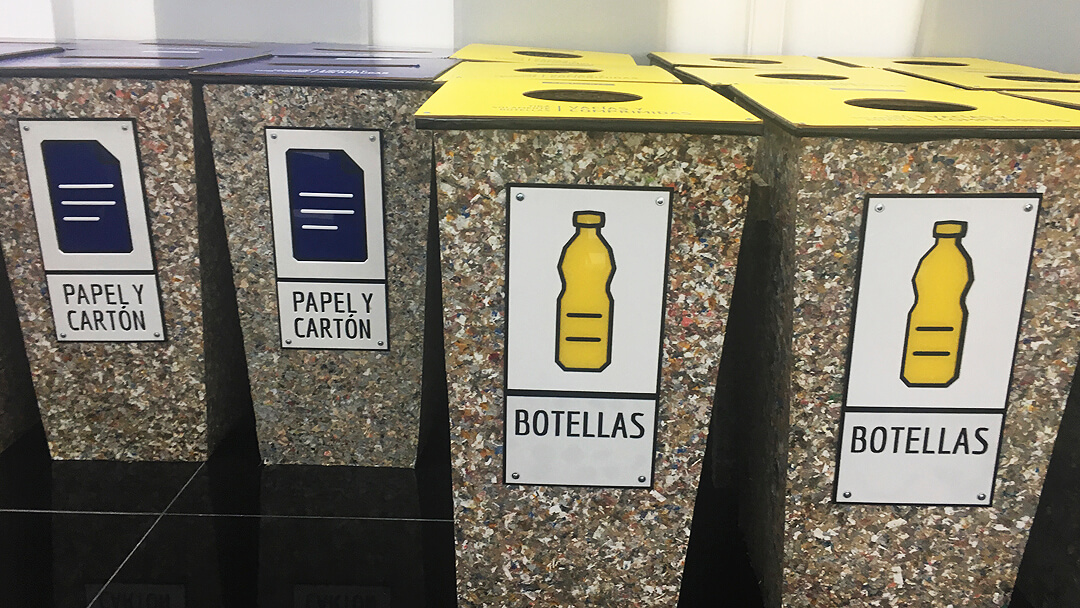
Recycling Initiative
Universidad ORT Uruguay been making strides in the area of waste management through the ORT Recicla program.
-
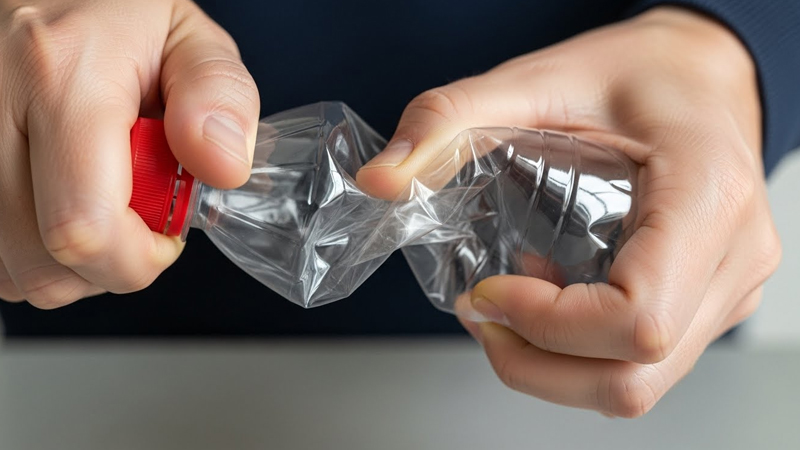
How to Dispose of Waste
Sorting waste is a simple action that makes a real difference.
With this guide, you can quickly identify what goes in each bin and how to dispose of it properly, helping to reduce waste, improve recycling, and protect the campus environment.
Clear information so you can do the right thing without any fuss.
-
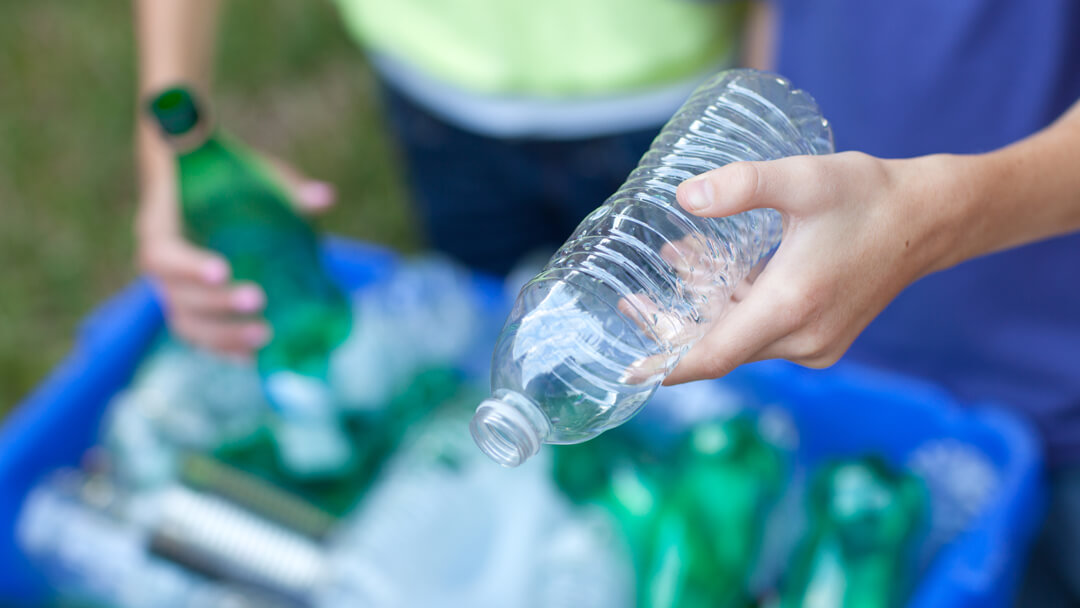
Plastic recycling
Plastic is not a material that biodegrades quickly. Therefore, burying it causes significant environmental damage. A plastic bottle, for example, takes 500 years to decompose.
-
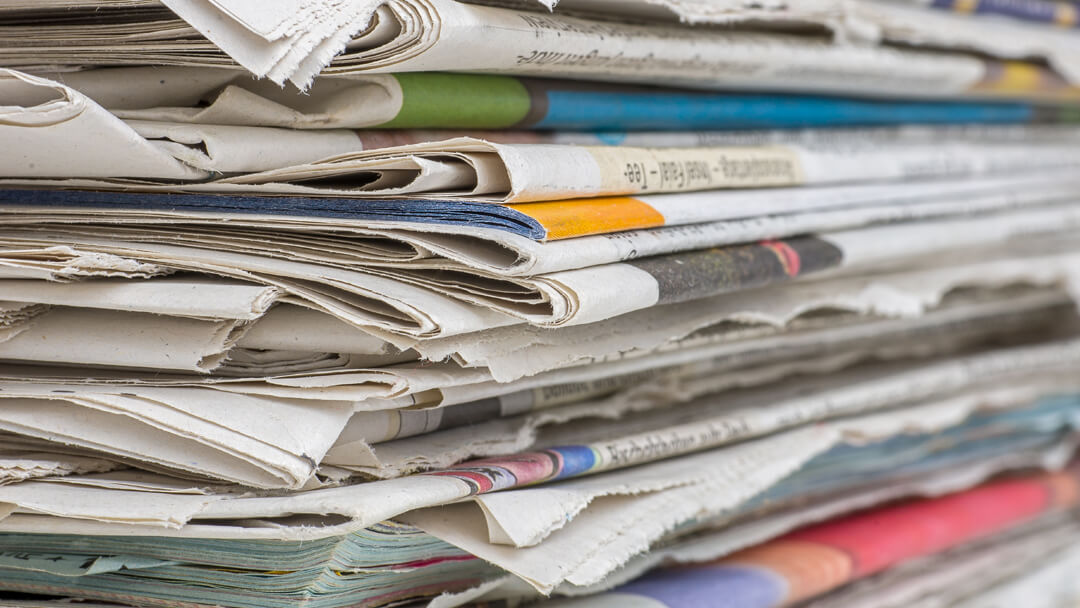
Paper and Cardboard Recycling
Recycling paper and cardboard reduces the amount of waste sent to landfills, extending their useful life and preventing greenhouse gas emissions. Paper and cardboard are among the most recycled materials in the world.
-
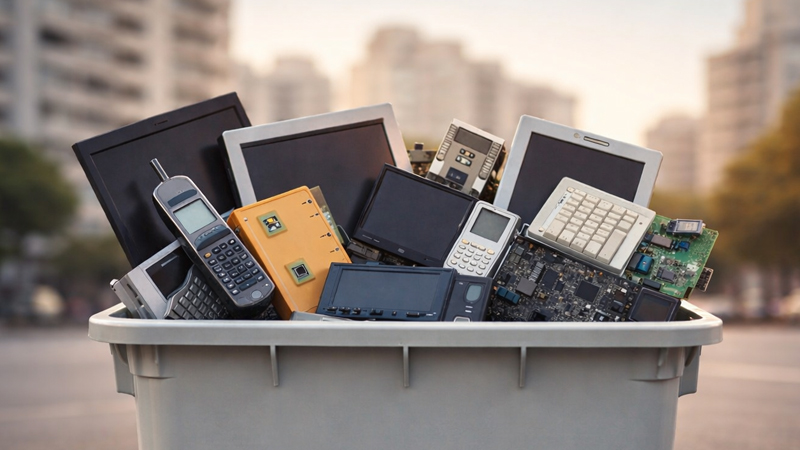
E-waste Recycling
Waste electrical and electronic equipment (WEEE) refers to all devices that require electrical current or electromagnetic fields to operate.
-
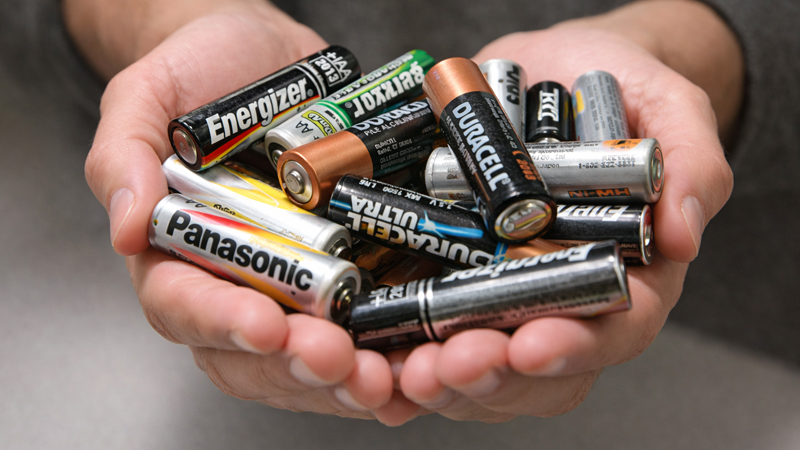
Battery Management (Separate Collection)
Batteries are classified as hazardous waste: they may contain metals and hazardous substances, so they should not be disposed of with regular trash.
-
UNIT Standard
On June 14, 2017, Standard 1239 for the Identification and Classification of Waste was presented at the headquarters of the Uruguayan Institute of Technical Standards. The standard outlines the basic principles for identifying and classifying waste generated by all types of activities.