-
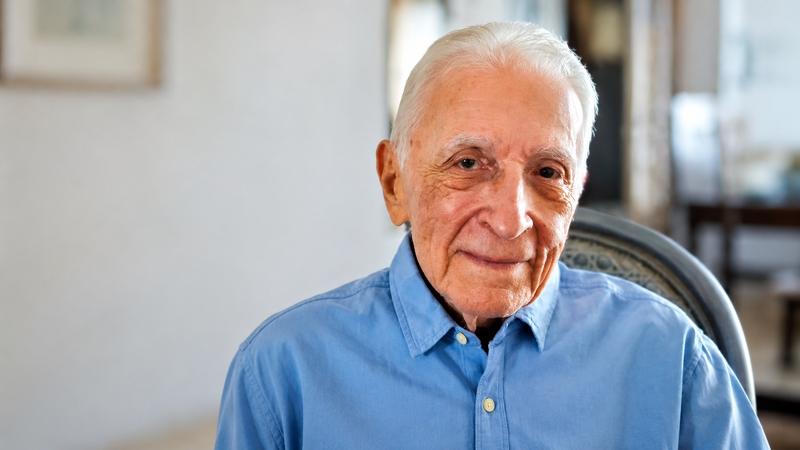
The book alternates between memories of childhood and adolescence and experiences from his career as a pediatrician and pediatric nephrologist, from his early years as a doctor through to his later years and retirement from the profession.
The book also offers an intimate look at the family and institutional ties that shape the author’s life. Its pages include references to Prof. Charlotte de Grünberg, director general of Universidad ORT Uruguay wife of Dr. José Grünberg, as well as to Dr. Jorge Grünberg, rector and the author’s son.
Drawing on this intersection of personal memory, a medical career, and family life, *Reminiscencias* offers an intimate account of the value of education, solidarity, the passing down of experiences, and human commitment in the face of the challenges of each era.
Book Launch
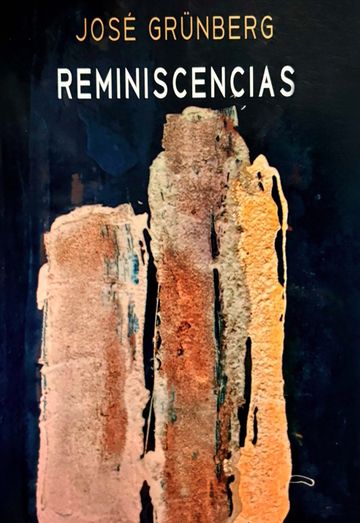
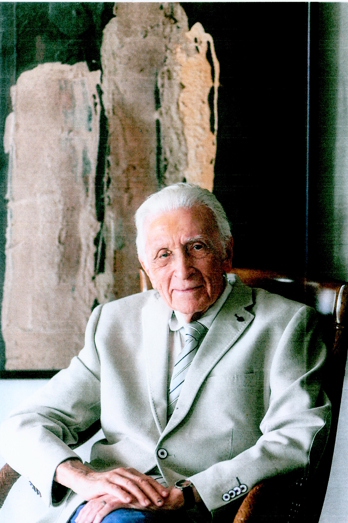 Through stories that touch on medicine, teaching, family life, immigration, illness, childhood, and solidarity, the author draws on personal experiences that reveal the human dimension of medical work. Listening, empathy, supporting patients and their families, making difficult decisions, and the value of human connections emerge as central themes in a work that combines memory, reflection, and sensitivity.
The book also includes references to the history of Universidad ORT Uruguay. Charlotte de Grünberg, ORT’s executive director and the author’s wife, appears in its pages; her story is also linked to the novel *La niña que miraba los trenes partir* by Ruperto Long. Jorge Grünberg, rector Universidad ORT Uruguay the author’s son, is also featured and is mentioned in various family-related passages that form part of the life story being told.
With humor, a critical eye, and a deeply human tone, *Reminiscencias* takes readers on a journey through everyday situations and extraordinary episodes that bear witness to a way of understanding medicine as a commitment to people. At the same time, it addresses topics such as discrimination, resilience, helplessness, grief, and the transmission of knowledge, always from a personal and reflective perspective.
News coverage
-
2026
• "Thank you, José!" — El País — June 20, 2026
• José Grünberg and the Value of Common Sense - Diario Serrano - June 15, 2026
• In Loving Memory of Dr. José Grunberg- Semanario Hebreo - June 13, 2026
-
2022
•Grünberg, José. Reminiscences. 119 pp. Self-published, 2021 - Journal of the Uruguayan Society for the History of Medicine - 12/2022
-
2021
• Stories of Empathy and Sensitivity - Voces Weekly - October 6, 2021
• Memories - José Grünberg - El Observador - September 27, 2021
•José Grünberg, the doctor who knew how to empathize - El País - August 26, 2021
• *Reminiscencias*, a book by Dr. José Grunberg featuring life stories — *Semanario Hebreo* — August 24, 2021
Recognition
-
Latin American Association of Pediatric Nephrology
Year 2017
-
Uruguayan Association of Transplant Recipients, Dialysis Patients, and Those on the Waiting List
Year 2015
-
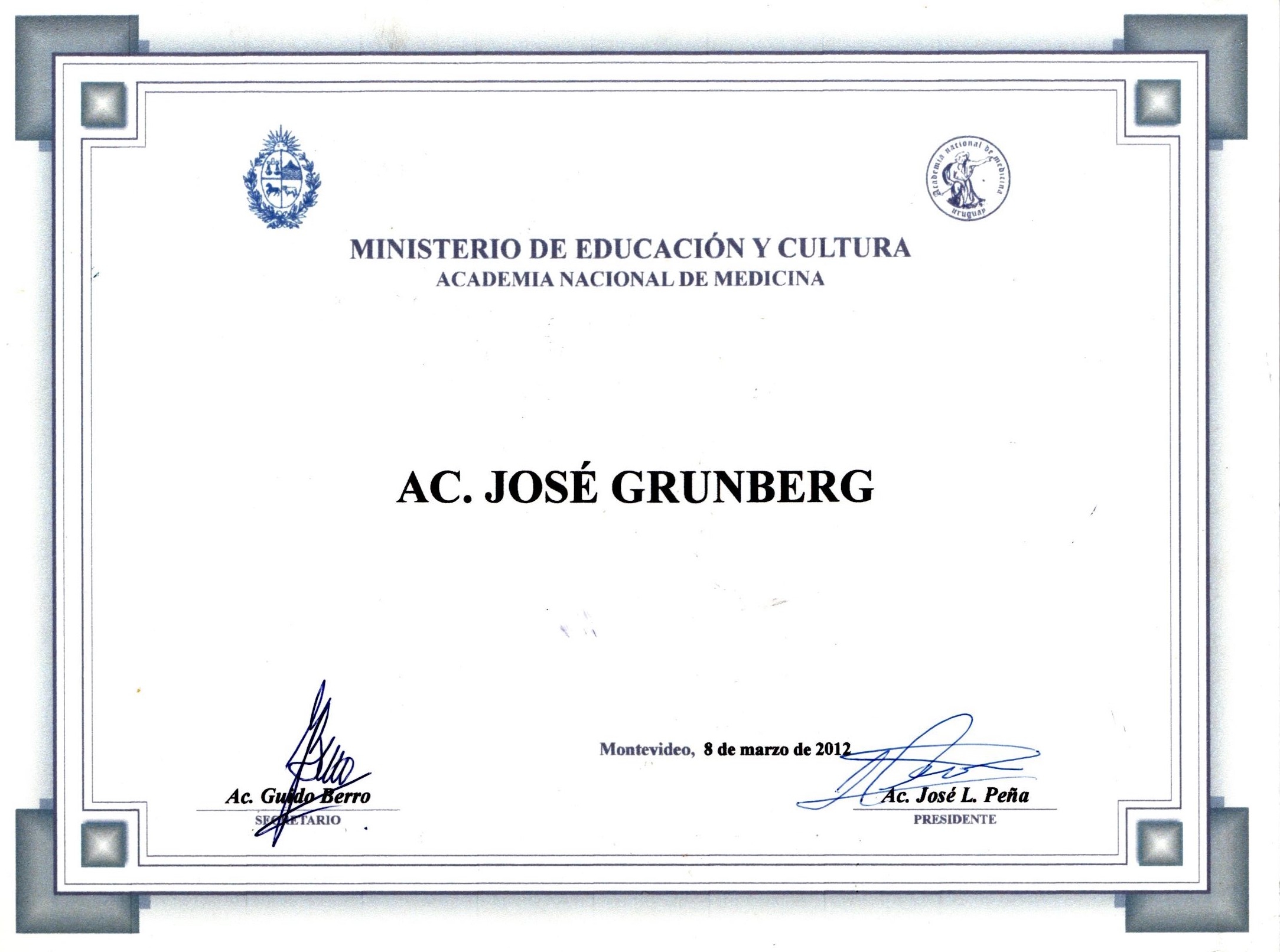
National Academy of Medicine
Year 2012
-
The International Pediatric Nephrology Association
Year 2001
-
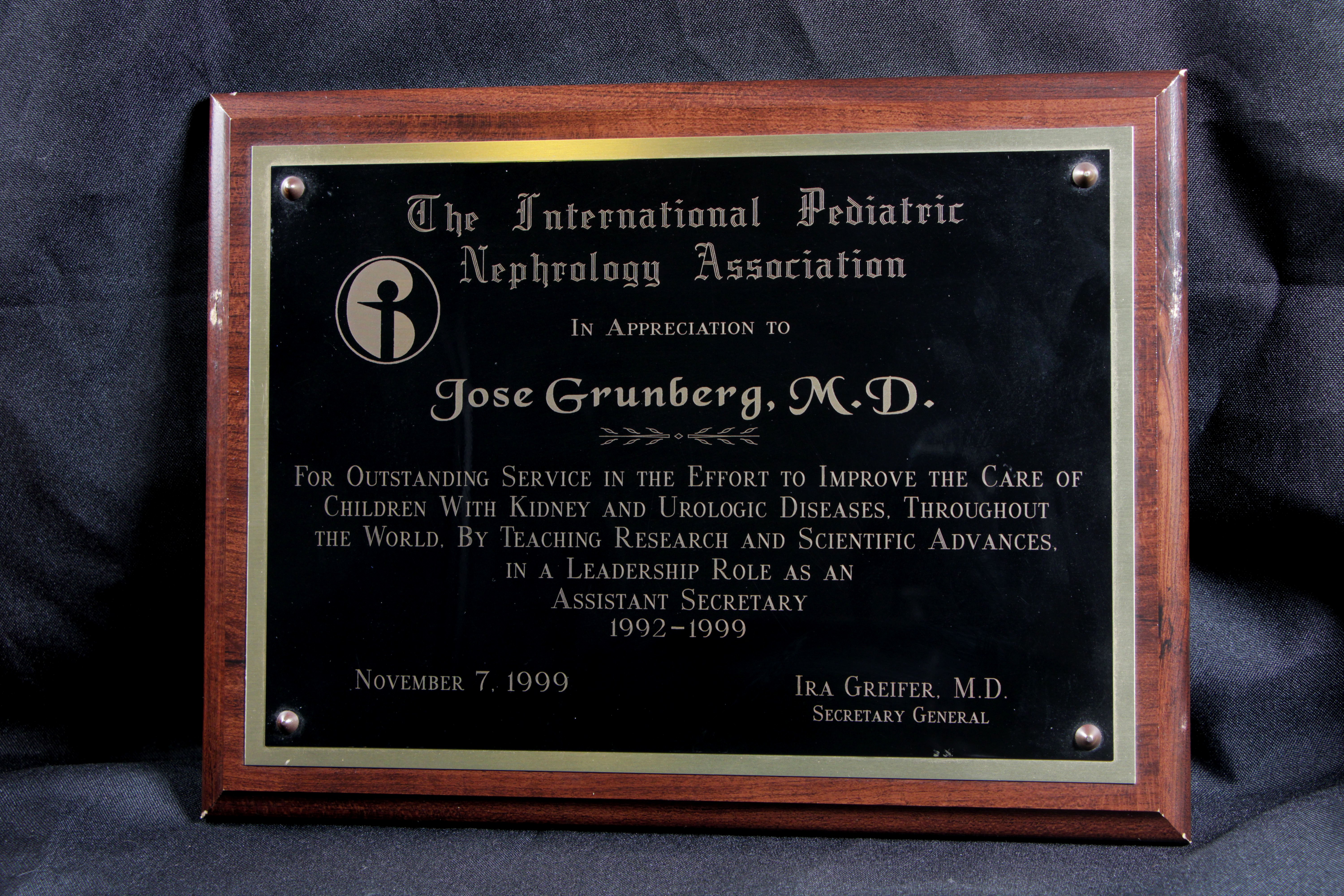
The International Pediatric Nephrology Association
Year 1999
-
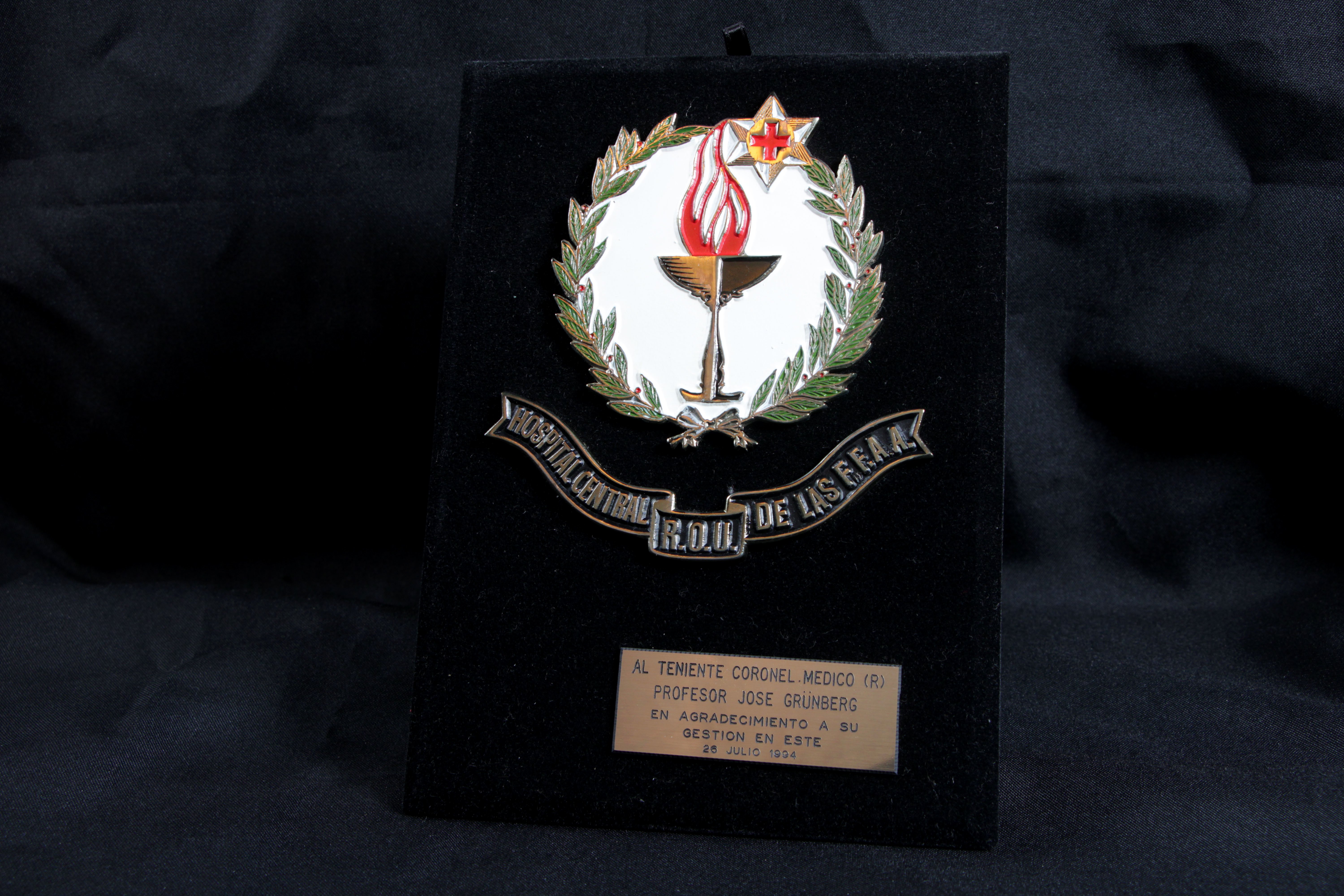
Armed Forces Central Hospital
The year 1994
-
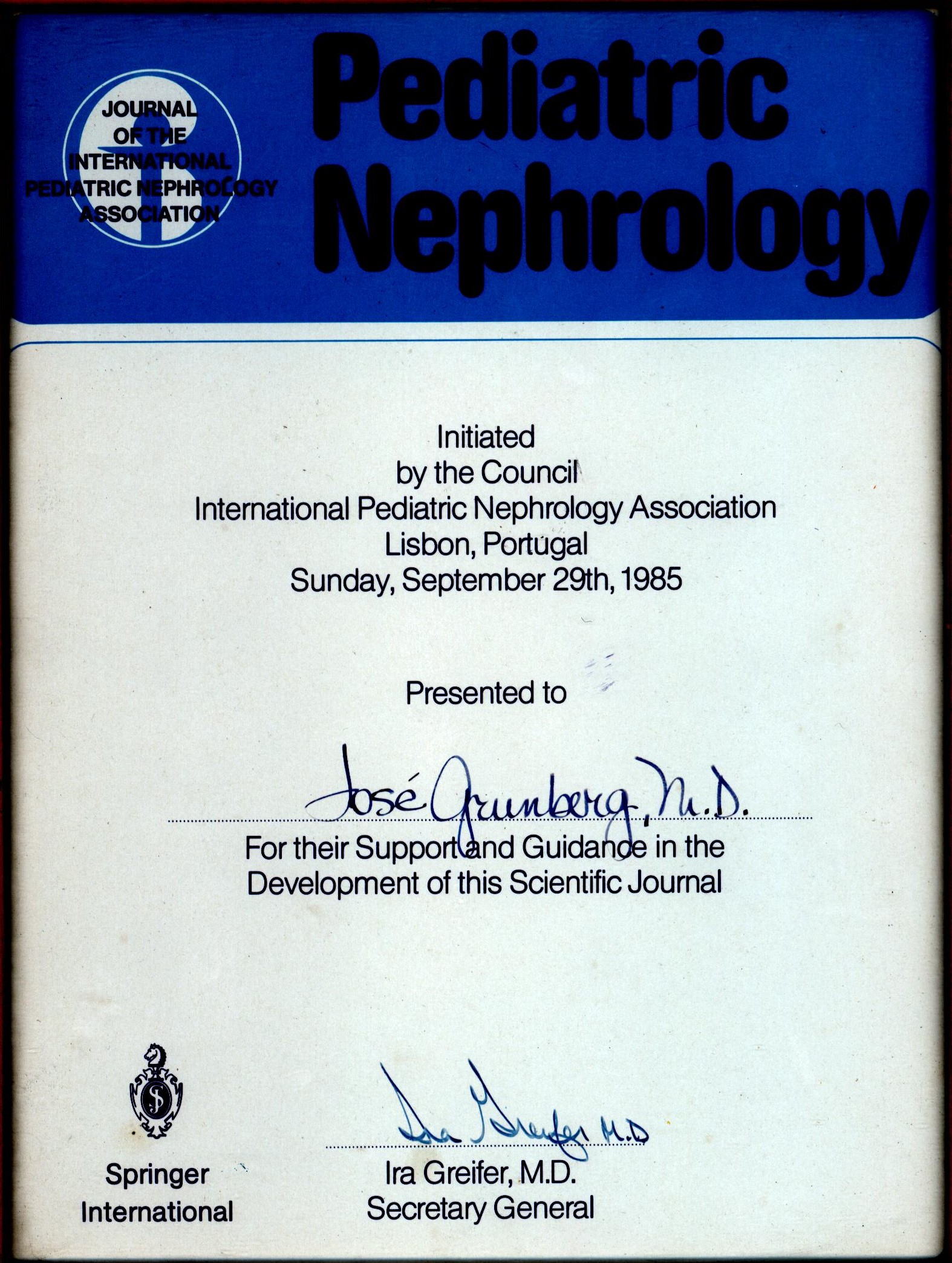
The Council of the International Pediatric Nephrology Association
The year 1985
-
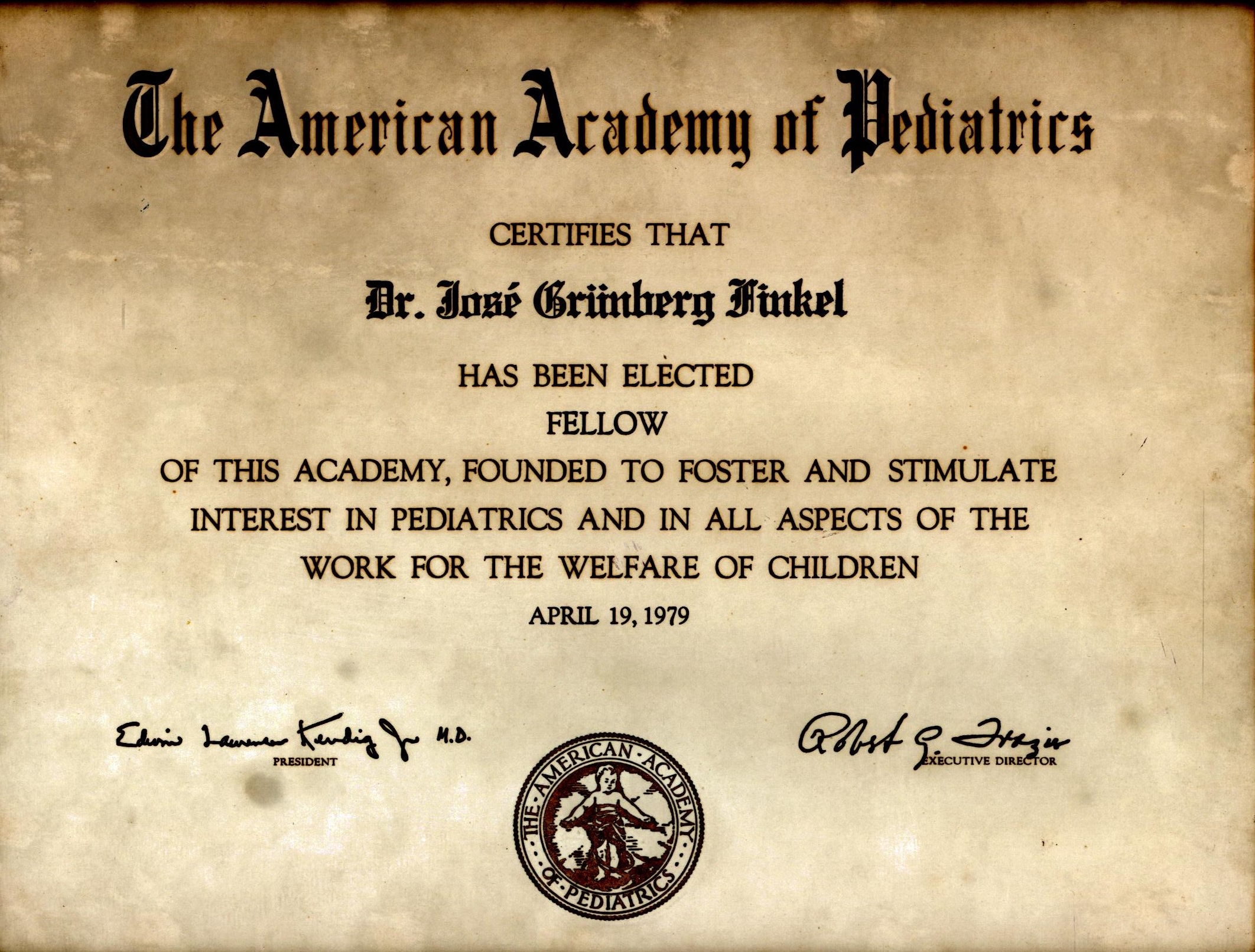
The American Academy of Pediatrics
The year 1979
-
Latin American Chapter / International Society for Peritoneal Dialysis
-
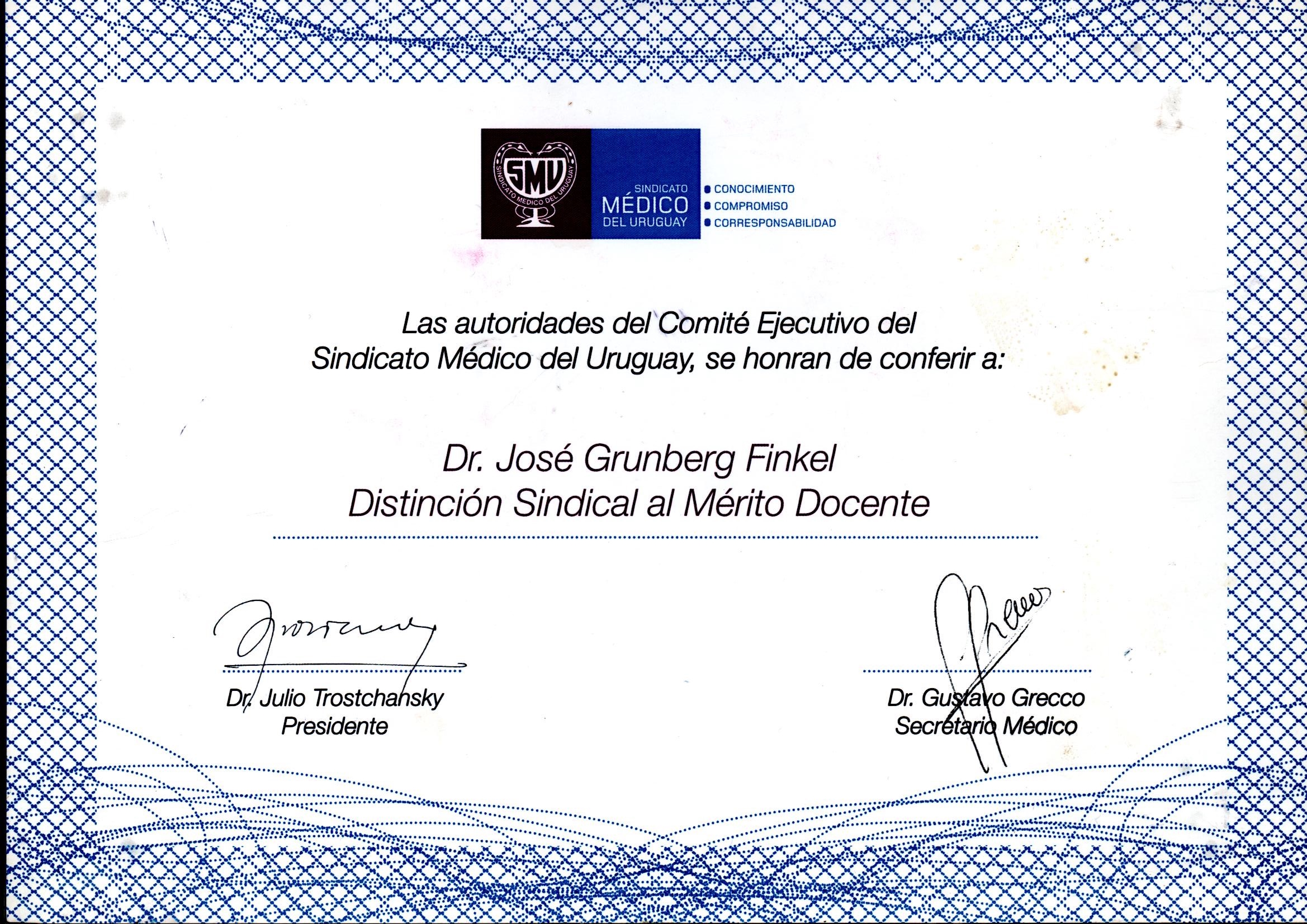
Uruguayan Medical Union
-
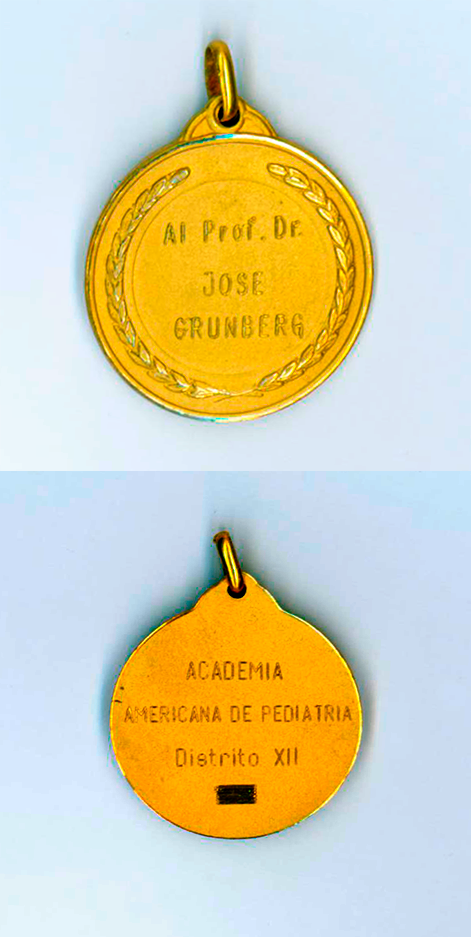
American Academy of Pediatrics (District XII)