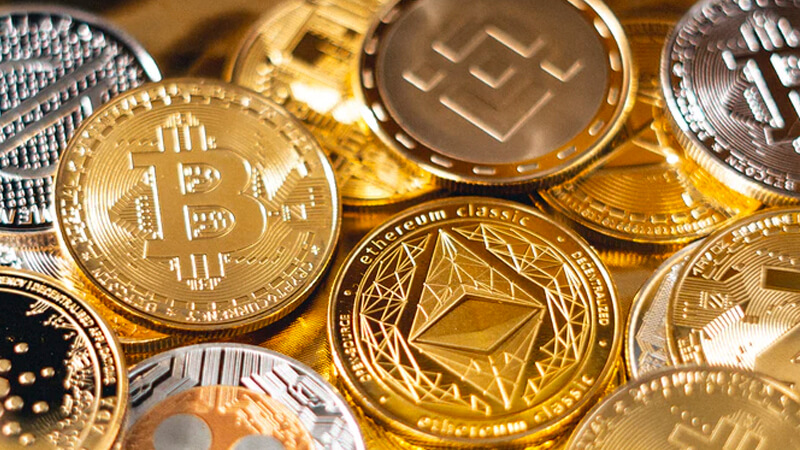
“According to Investopedia, as of January of this year, there were more than 4,000 cryptocurrencies. And they all have distinct characteristics. So much so that one could argue they shouldn’t even be considered part of the same category,” says Fernando Zimet, a professor at the Master’s in Accounting and Financeand the Specialization Diploma in Real Estate Business at Universidad ORT Uruguay.
When we consider cryptocurrencies as a digital medium of exchange for purchasing goods and services, various questions arise: regarding their origin, value, regulation, volatility, and environmental impact, among others. Both Zimet and Emiliano Zapata —an electronics engineer and a graduate of ORT, as well as the instructor for Digital Art Workshop 2 in the Bachelor’s Degree in Design, Art, and Technology at the university—address these questions from their professional perspectives.
-
What are cryptocurrencies?
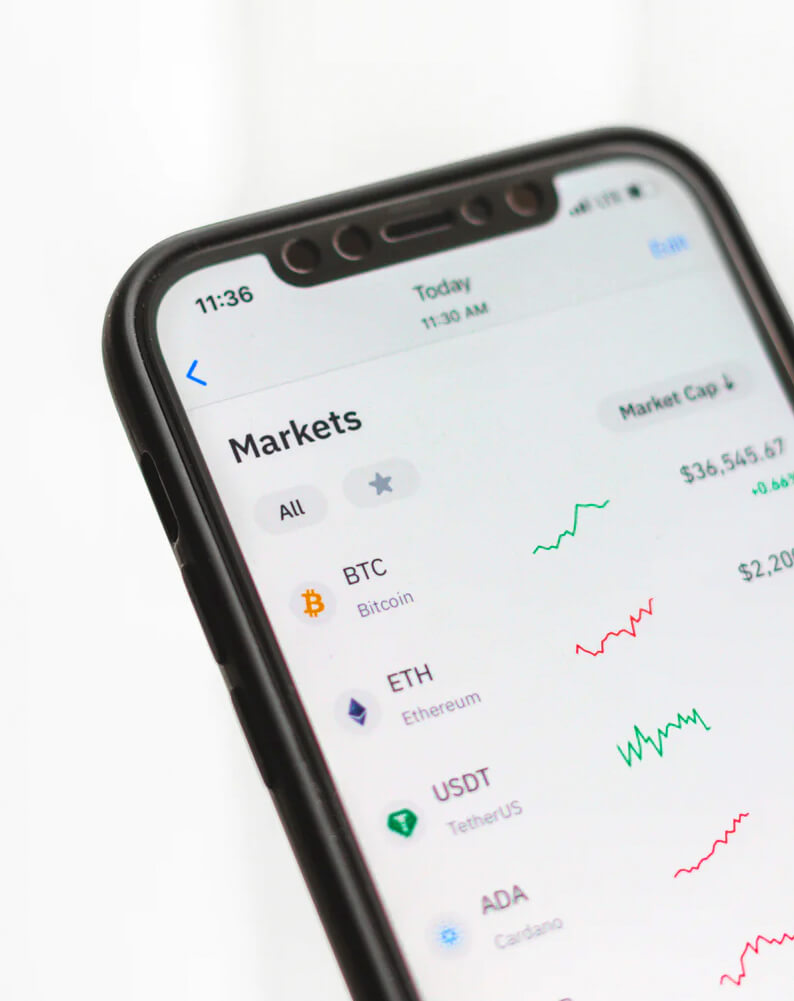
Zapata: Cryptocurrencies are digital tokens or currencies that have various uses and applications. Fundamentally, they are all easily transferable and impossible to counterfeit, as they use a technology called blockchain, through which transactions involving these currencies are stored in data blocks on a network distributed across multiple nodes that maintain a synchronized copy of this chain. In addition, each block uses cryptography to reference the previous block and to ensure the security of its data. This is why they are extremely secure.
Zimet: A cryptocurrency is a digital medium that can be used to purchase goods and services and does not require an intermediary or a central authority to validate transactions. It relies on a vast network of computers with nodes distributed around the world, using cryptographic methods to protect the information contained in money transfers and in the creation of new units. This is the method known as blockchain.
-
Can cryptocurrency be considered a currency?
Zimet: It is important to consider the following characteristics of coins to determine whether they can be classified as such:
1. Unit of account and price standard (allows prices to be set based on their own value).
2. Medium of exchange (it allows goods to be exchanged for one another, with differences settled through it, without any questions as to its acceptability).
3. Means of payment (used to settle financial transactions, such as a loan).
4. Store of value (allows purchasing power to be preserved over time).
With regard to most cryptocurrencies, it can be said that they possess some of these characteristics, but not all of them.
First of all, virtually all of them serve as a unit of account and a price standard.
Second, since cryptocurrencies are not universally accepted, their functions as a medium of exchange and a means of payment are, at the very least, incomplete. For example, under Uruguayan law, cryptocurrencies would be considered assets rather than currencies, so even if both parties agree, they cannot use them to purchase a registrable asset (such as real estate). That said, they can resort to the legal concept of a barter transaction.
Finally, with regard to its role as a store of value, given its extremely high volatility, this characteristic is, at best, once again imperfect.
In conclusion, cryptocurrencies are, at best, highly imperfect currencies.
-
In what context did cryptocurrencies emerge?
Zimet: The first cryptocurrency, Bitcoin, emerged amid an unprecedented crisis in developed economies, which was triggered by the subprime mortgage crisis in the United States.
In this context, central banks were printing money to pull economies out of the slump. This meant that people, disillusioned with the prevailing monetary system and fearful of rising inflation, were looking for alternatives.
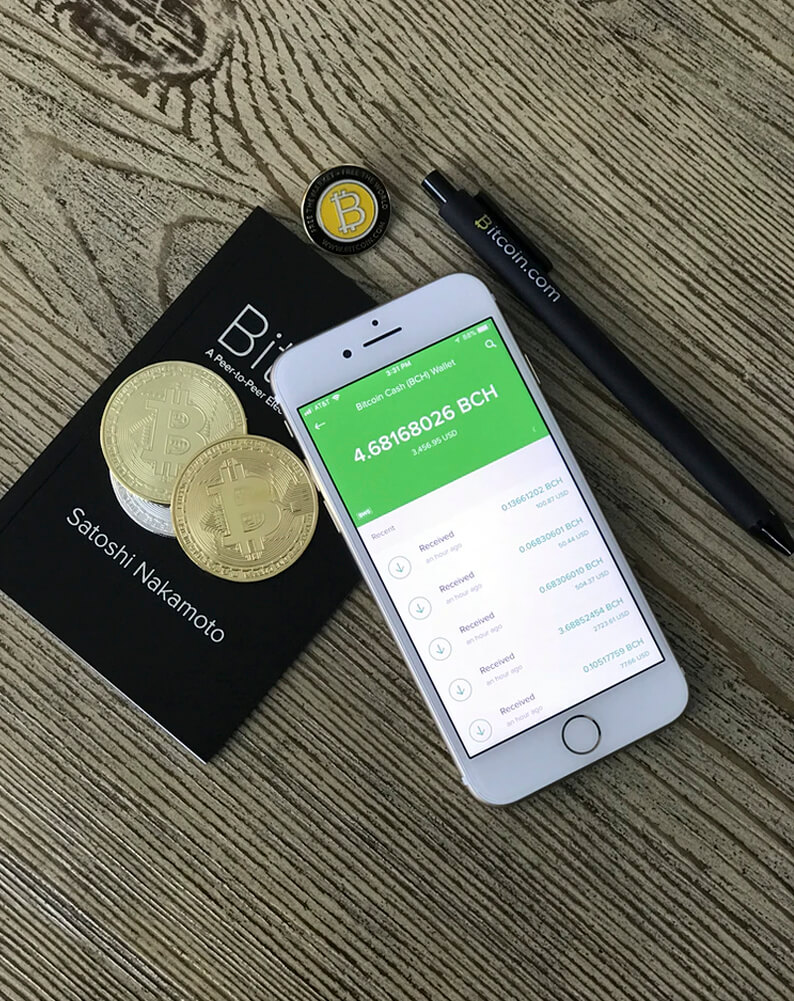
It was in this context that a paper was published introducing Bitcoin along with its cryptographic structure, which came to be known as blockchain—a technology that began to be developed immediately.
Zapata: Around 2009, an anonymous paper signed by Satoshi Nakamoto—whose true identity remains unknown to this day—was published, explaining how Bitcoin works and its programming. This occurred a year after the 2008 crisis, when the unsustainability of the fiat financial system—in which governments operate and where money is backed by nothing more than each country’s laws—became evident.
Bitcoin has emerged as an alternative to a financial system in complete decline. It is presented as money that is free from political affiliations, regulations, and exorbitant bank fees, operating through a decentralized network that does not rely on any third party (such as governments or banks).
Cryptocurrencies have complex implications and a complex background—and not just in economic terms. They are by far the most liberal financial instrument in existence, and they have social, political, philosophical, and other implications.
-
Why is it said that cryptocurrency mining harms the environment?
Zimet: It depends on the cryptocurrency, but, for example, Bitcoin requires an enormous amount of electricity to mine. Since much of that electricity comes from non-renewable sources, it tends to be highly polluting.
However, if some level of intervention by a central counterparty were permitted, this problem could be eliminated, as mining would no longer be necessary.
-
Why do some people choose to buy cryptocurrency?
 Zapata: This might be a bit subjective, but I'd go with the following options:
1. They view it as an investment, since it is possible to make a profit from fluctuations in its price.
2. For its own sake.
3. Because of the underlying philosophy.
Zimet: At first, cryptocurrency buyers were retail investors who were disillusioned with the global economic and financial system. However, as it became more popular, more and more people began to take an interest in these assets.
Among these investors, we find everyone from those who believe that cryptocurrencies will replace fiat currencies to those looking to diversify their portfolios. In the latter group, we are slowly beginning to see traditional financial institutions start to invest.
-
What are the implications of cryptocurrencies being unregulated and decentralized?
Zimet: The lack of regulations means that, at present, global regulators are only just beginning to develop their first frameworks for these assets.
The fact that they are decentralized means there is no central authority responsible for managing the assets. For example, if I have a digital wallet and lose my access password, I’ve lost the money, since there’s no one who can restore it for me. Likewise, there is no central ledger; instead, each participant in the system maintains their own daily ledger, and the verification process ensures that all ledgers match one another. That is why it is so secure.
-
Is its value determined by "supply and demand"? Why is its value so volatile?
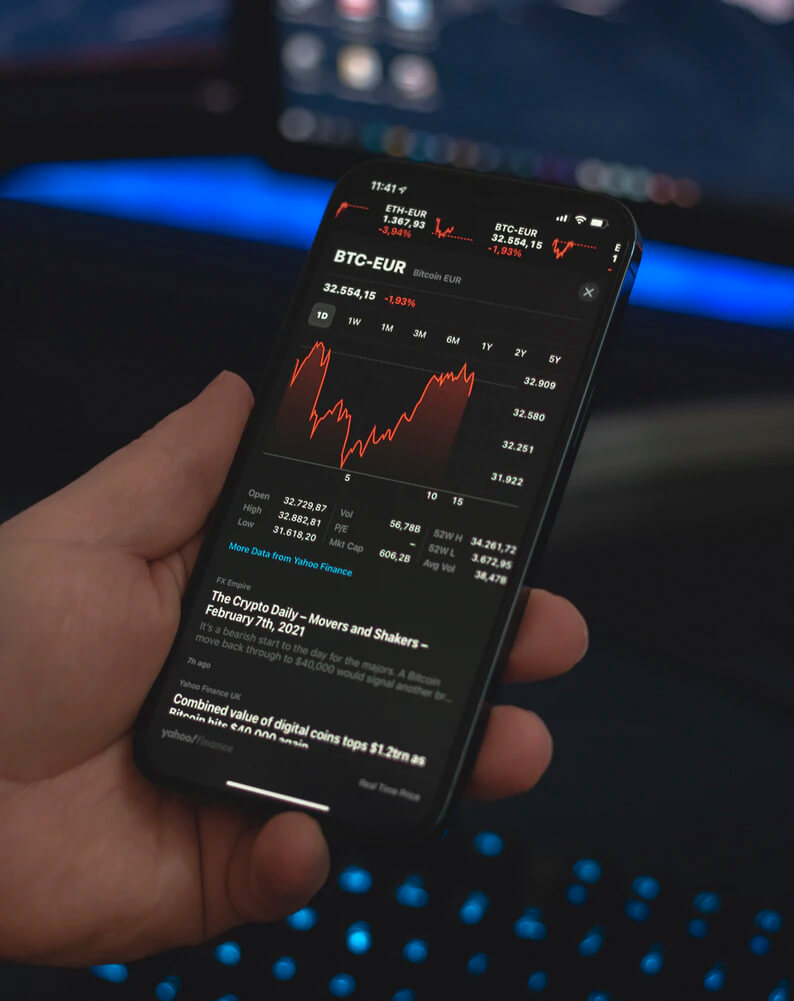
Zapata: The short answer is that it’s because the market is so young, and this implies two things.
On the one hand, the price of any good is determined by supply and demand and serves as a general consensus on the value of that good. In this case, however, because the underlying concepts of a cryptocurrency are often complex—involving disruptive and innovative technologies and lacking clear regulations or precedents to draw upon—that consensus is not so easy to reach.
On the other hand, most of its participants are retail investors, who are extremely sensitive and vulnerable to their emotions, and the price fluctuates accordingly. A typical example is that, when the price drops, they panic and start selling frantically, which causes even bigger drops. Or, on the contrary, they get euphoric and buy when the price rises, which drives it up even further.
Zimet: All assets—whether investment or consumer goods—in a market economy are governed by the interplay between supply and demand. That said, consumer goods depend on market structure (substitute or competing goods, type of goods, market organization, among other factors) and societal preferences. Both tend to change slowly, which lends a certain stability to prices.
For their part, the value of most investment assets is derived from what they promise to pay out. For example, if an asset promises to pay me $1,000 next year with a 100% probability, its value today is likely slightly less than $1,000 (due to the interest rate). This is because investors know what to expect from them, and therefore prices are more stable.
In the case of coins and collectibles (such as works of art), there is no associated cash flow. As a result, investors tend to speculate on future price movements without much information, relying solely on relative scarcity. This means that shifts in market sentiment can cause the asset’s price to fluctuate significantly.
-
Why does the fact that a businessman like Elon Musk publicly comments on cryptocurrencies, such as Bitcoin or Dogecoin, cause their value to skyrocket or plummet?
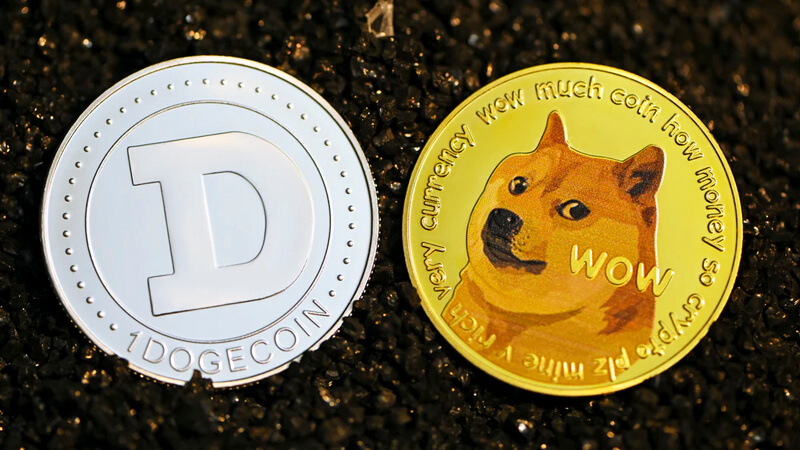 Zapata: Because of emotions. People find it very appealing to shift all responsibility for their decisions or opinions onto a third party, since if things go wrong later, the blame never falls on them but on that other person (even if they were the ones who bought or sold). This is even more true if that third party is one of the smartest and richest people in the world.
 On the other hand, Dogecoin is quite an interesting phenomenon, as it started out as a joke and—whether to see how far it could go or simply for speculative purposes—has reached its current status.
-
Is it advisable to invest in cryptocurrencies or use them as a means of payment?
Zimet: Although there are no drawbacks, using cryptocurrencies as a method of payment isn't easy, since not many people accept them.
If we can find people willing to accept it, there would be no problem. In fact, for cryptocurrencies that don’t involve high settlement costs, settling transactions between people in different countries—by bypassing the traditional financial system—can save money.
As an investment asset, investing in them may be a good option for certain clients who believe in this asset over the long term and have a specific risk-return profile.
However, it is important to consider the volatility in the market, and therefore it is advisable not to invest more than you are willing to lose. In fact, given the volatility of these assets, you should not invest a large percentage of your total assets. There are many stories of people who sold their homes to invest in cryptocurrencies when prices were at their peak and subsequently lost a huge percentage of their wealth.
Bitcoin, like other cryptocurrencies, is extremely volatile. In just one month, it lost nearly half its value. Some experts say these boom-and-bust cycles will continue for a long time, which is why those who invest with the expectation of getting rich quickly risk going bankrupt.
-
Why do you consider yourself an advocate for cryptocurrencies?
Zapata: I'm a defender, and I'm becoming more and more passionate about it for two main reasons:
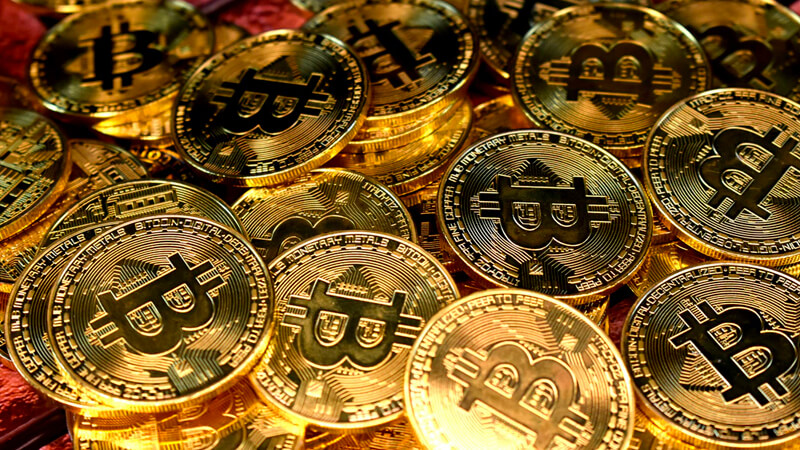 1. Because of the technology. I think blockchain is incredible, with countless applications yet to be discovered. It’s an unprecedented way to securely store and transfer information. And the more I learn about it, the more I believe it will eventually play a huge role in our lives.
2. I believe that cryptocurrency is a tool for democratizing money and that it opens up greater opportunities for all market participants. Currently, the balance is heavily tilted toward large corporations, banks, and governments. Cryptocurrencies make it possible to decentralize the economy and eliminate many intermediaries and the manipulation that maintains the status quo to preserve power.