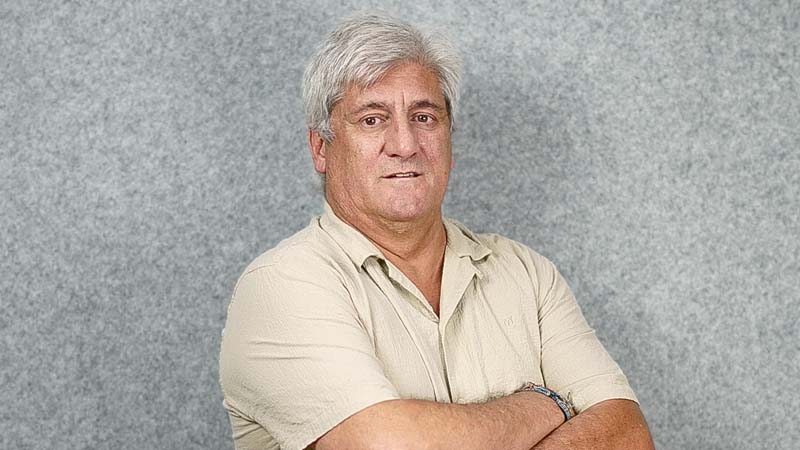
Carlos Sanguinetti, M.A., academic coordinator of the Engineering and Biotechnology degree programs, recalls that it all began with a casual conversation.“I’d had that idea in mind for a while, and one day we ran into Julio Fernández, E.S.C., who was the university’s vice president at the time, and we talked about it. A few days later, he called me, and a whirlwind of ideas began that soon took shape, ”he says.
A response to a global trend
At that time, biotechnology was seen as one of the emerging fields of the so-called “fourth wave.” “We realized that if we could train people in this discipline, it would boost the development of the field as a productive sector, ”he notes.
A pioneering challenge
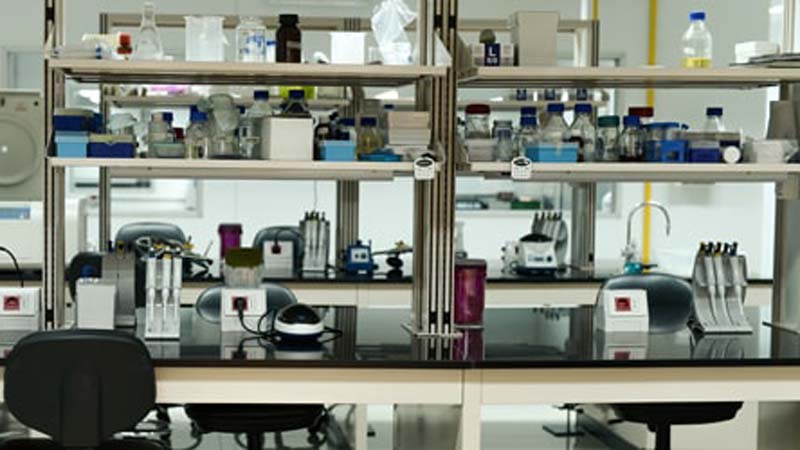
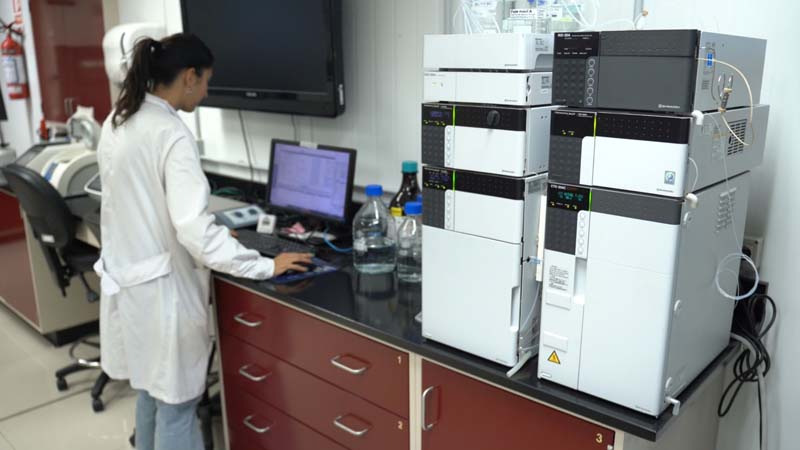
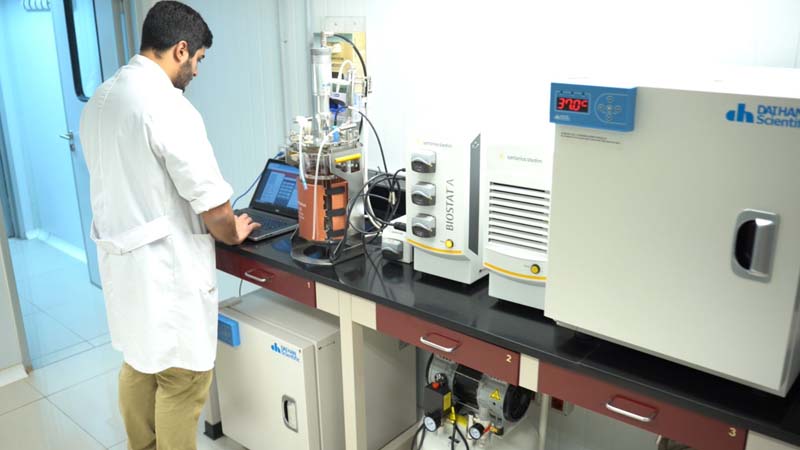
The proposal was unique in Uruguay and was initially met with uncertainty. “It was a huge challenge. That uncertainty soon faded because we put together a great team of faculty and researchers. We also had the support of the National Agency for Research and Innovation and funding from ORT to set up state-of-the-art laboratories from day one,” he explains.
Plan Progress and More Practice
Over the past 15 years, the curriculum has been updated three times (in 2016, 2021, and 2024) to keep pace with scientific and technological advancements.
“We’ve been adding more and more hands-on activities, which has become a key distinguishing feature of the Biotechnology program. We’ve also achieved a low dropout rate and forged closer ties with the industry.”
Part of the biotechnology ecosystem
The coordinator emphasizes that the program has become a key player in the sector. “We were the founders and driving force behind the biotechnology community. What’s most valuable is that today we’re considered part of that ecosystem and maintain excellent relationships with industry, other researchers, and institutions such as Pasteur, INIA, LATU, and IIBCE,” he says.
A growing sector
Over the past 15 years, the biotechnology sector in Uruguay has become well established. “Today, there are clear leaders, although there is still much work to be done. In biotechnology, the process takes a long time: achievements, discoveries, and returns on investment all take time, ”he explains.
Health, Artificial Intelligence, and New Challenges
Currently, healthcare is the area experiencing the most growth, although biotechnology is expanding into other sectors. To respond to these changes, degree programs are updating their curricula to incorporate advancements such as CRISPR, microRNA, and protein modeling. In addition, artificial intelligence is now an integral part of education and is transforming teaching and assessment methods.
Looking to the future
With 15 years of experience under its belt, Biotechnology is poised to continue innovating.
We are convinced that training specialized professionals drives the sector forward. That same spirit led us to take a new step with the launch of the Bachelor’s Degree in Bioinformatics.