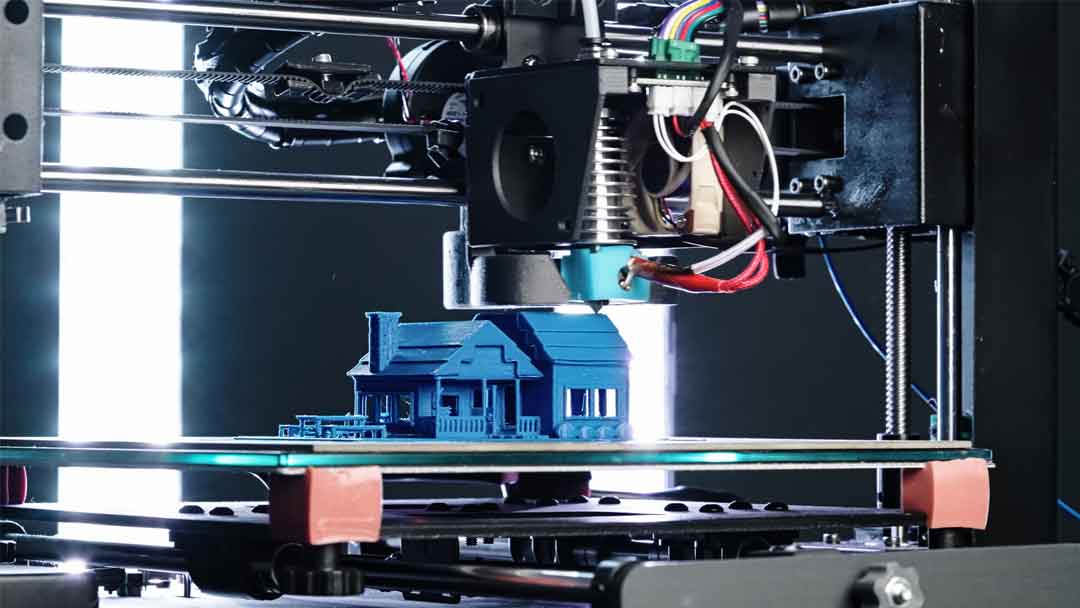
The integration of software, equipment, and new technologies into architecture—such as 3D printing—has led to improvements in the quality of design and the construction process.
Architect Gastón Boero, dean of the ORT School of Architecture, shares his perspective on the advancements in these technologies and their development in Uruguay.
Are the architecture and construction industries in Uruguay adopting technological advancements, such as software, artificial intelligence, robotics, and 3D printing?
For years, both the architecture and construction industries have been incorporating equipment to perform tasks, replacing and assisting the workforce as technological changes have progressed.
The integration of software, equipment, and new technologies in general has led to improvements in the quality of design and the construction process, reduced costs, and, in some cases, also reduced labor disputes.
Let’s consider the benefits of using CAD, prefabrication and industrialization systems, and the use of equipment by workers to perform their tasks. Experience shows that the adoption of technological advancements leads to improvements in work quality and productivity.
Therefore, the issue of incorporating technological advances into the construction industry is not, in itself, a new one. On the contrary, it is part of a long-standing tradition. However, what is striking is the slow pace at which the industry as a whole—not just the local sector—is adopting these new technologies.
The 2017 McKinsey report had already pointed out that the global construction industry is moving very slowly compared to the pace at which other industries have adopted technological advancements and digitalization.
As a result, our construction industry —despite being in the process of adopting technological advancements—remains a labor-intensive sector, relying on non-automated technologies and machinery. This has a negative impact on productivity and the quality of the work.
What is 3D printing of architectural objects?
3D printing of architectural objects is a technology that works much like an office printer: using a print head and self-bonding materials such as concrete or powdered plastics, it builds an object by layering material based on a digital model.
Therefore, to discuss 3D printing in architecture, we need a digital model— which serves as the basis for construction in space—a robot or robotic arm equipped with a print head that moves according to the digital model’s instructions, and a self-bonding material.
How widespread is 3D printing of homes around the world, and how far does Uruguay have to go before it can start 3D printing buildings?
3D architectural printing is still an emerging technology that has not yet reached the commercialization stage and is not yet available in Uruguay. One of the countries leading its development and implementation—primarily through the construction of prototypes—is China. It is also important to note the progress being made in 3D architectural printing in the United States, led by companies such as ICON.
At the local level, the Uruguayan Chamber of Construction has been reaching out to companies interested in 3D printing technologies, with a particular focus on their application in the construction of affordable housing.
However, reality confirmed what had been said earlier: that the vast majority of 3D printing technologies for architecture are not yet market-ready and need to be tested in relevant environments.
In any case, there is enormous anticipation surrounding 3D printing in architecture due to its potential to improve construction efficiency, reduce costs, and contribute to environmental sustainability through the proper use of materials, the reduction of construction waste, and the use of just the right amount of energy.
What is the main obstacle today to the widespread adoption of 3D-printed homes around the world?
To understand the challenges that 3D architectural printing faces in gaining a foothold in the world, we must first recognize that these technologies are revolutionizing the way we think about architecture and, specifically, the way professionals integrate and interrelate our knowledge in the fields of design and construction.
In this regard, 3D-printed housing represents a paradigm shift. Today, the field of architecture is undergoing a transformation in how we design and manage technical building information, driven by the adoption of computer-aided design software and, in particular, BIM methodology. However, these changes have not yet impacted construction practices, as buildings are still being constructed in the same way as they have been for generations.
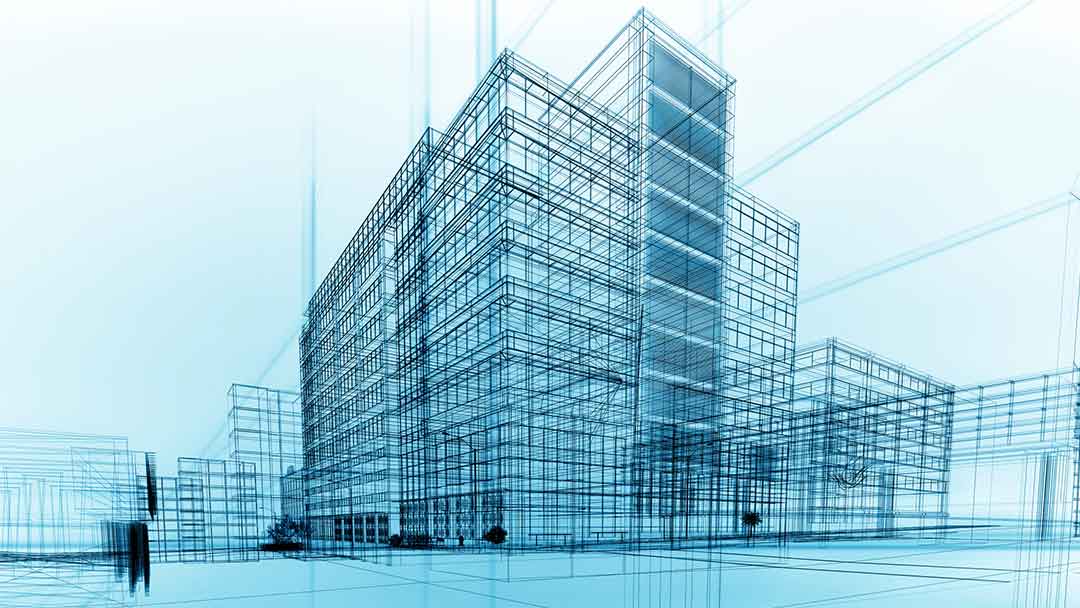
The adoption of 3D printing in architecture involves a shift toward the digital design of models that serve as the basis for on-site construction, eliminating blueprints, drawings, details, and other conventional technical documents (with the associated benefits in terms of reducing errors, costs, and time, etc.).
It also involves robotic construction (the structure is built by a print head or robot), using digital and automated processes that affect production speed, quality, costs, labor, building codes, and so on . There are many changes across various areas, and their impacts have not yet been adequately assessed.
That is why I echo the words of Jorge Eduardo Pazos, Executive Director of the Uruguayan Chamber of Construction, in saying that the adoption of these technologies and tools—primarily at the local level—will depend on our ability to identify the industry’s real challenges and develop a roadmap to bridge the gaps.