The documentary
The film premiered on Friday, March 30, at Cinemateca 18 as part of the 36th Uruguay Film Festival. Its second screening will take place on Wednesday, April 4, at 6:00 p.m. at theCine Universitario (corner of Canelones and Carlos Quijano).
The director is Marcos Banina, who produced the film alongside Valentina Baracco and Gerardo Arambillete. The editing was handled by Magdalena Schinca and Soledad Castro. Pablo Tierno and Roció López worked on sound; Andrés Costa handled post-production sound. The original music was composed by Matías Singer; the graphic design was by Santiago Albano. Ires Radocaj, José Pedro Favaro, and Mariana Winarz handled the translations.
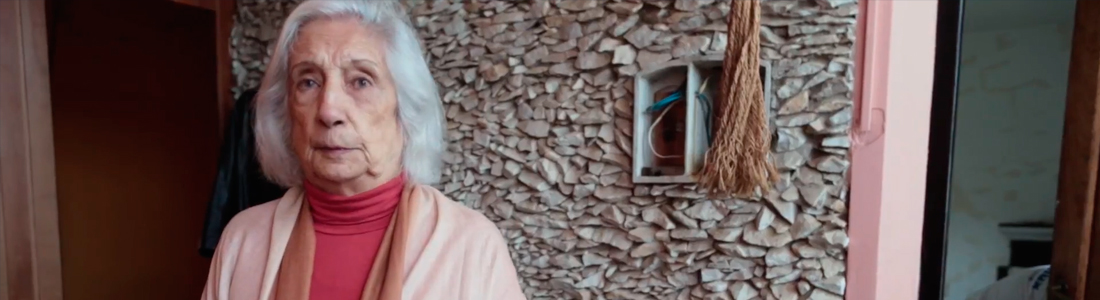
The documentary runs 82 minutes and tells the story of Banina’s family, intertwined with historical events such as wars and dictatorship. Memory and inherited ideology are the film’s central themes. Croatia, Italy, and Uruguay are the settings that shape and underpin this narrative of a search for the past.
Valentina Baracco
Baracco, founder of Monarca Films, noted that while the film specifically tells the story of Banina’s family, it also reflects what happens in other families and the consequences that follow. “The driving force is that search for one’s own perspective,” she said.
Work began in 2012; in 2013, Banina contacted Baracco—whom she knew from other projects—and they began working together. “I sensed a search for a unique perspective; I really identified with it and got on board with the project,” Baracco recalled. She added: “We kept filming and editing, filming and editing. It’s a film that really took shape during the process.”
They covered all the team's expenses until October 2015, when they received a grant from Montevideo Socio Audiovisual. This enabled them to film abroad.
One major challenge was that we had to travel to Croatia and Italy. It was necessary for the film. The other challenge is getting people to believe in you and join the project.
The documentary workshop in the Communication degree program “opened Baracco’s eyes.” That was when he said, “I want to do this.” “The program helped me develop my perspective and instilled in me a passion for filmmaking,” he concluded.
https://www.youtube.com/watch?v=t7gIs0_edPA