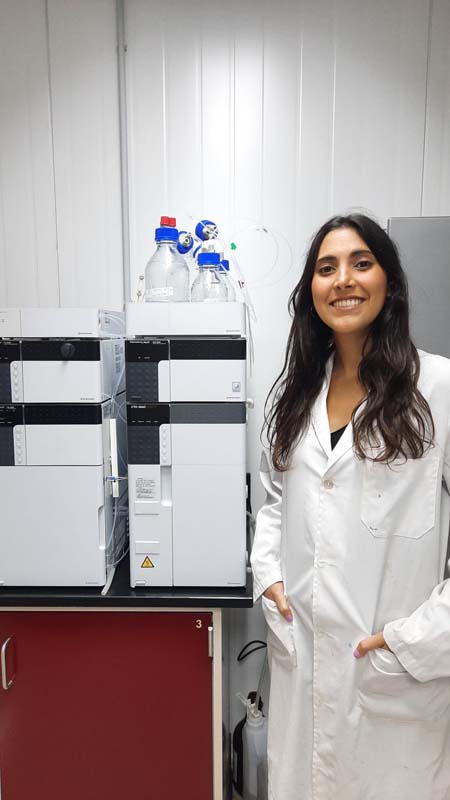
 Their proposal, submitted to Middlebury College’s 2024 Projects for Peace program, aims to democratize access to energy by establishing biorefineries that transform polluting byproducts from the biodiesel industry into valuable commercial resources, with a focus on sustainability and social impact.
Projects for Peace is a global program that partners with educational institutions to identify and support undergraduate students who develop innovative, community-centered, and scalable solutions to society’s most pressing problems.
How did the idea to participate in Projects for Peace come about?
The opportunity to participate in the 2024 edition of Projects for Peace came to us through Sara Goldberg, the faculty’s coordinator of Institutional Relations and Projects.
The opportunity arose when Andrés and Santiago, biotechnology engineering students, were about to begin their final thesis project and approached us to join one of our research lines, which focuses on the use of biocatalysts for the recovery of industrial waste.
The purpose of this program is to fund student projects related to peace.
What requirements did they have to meet?
We were tasked with developing a project that addressed issues such as food security, educational inequality, environmental degradation, inadequate healthcare services, social divisions, and the limited economic opportunities faced by certain segments of society. In particular, we focused on addressing the issue of environmental degradation and the importance of energy democratization.
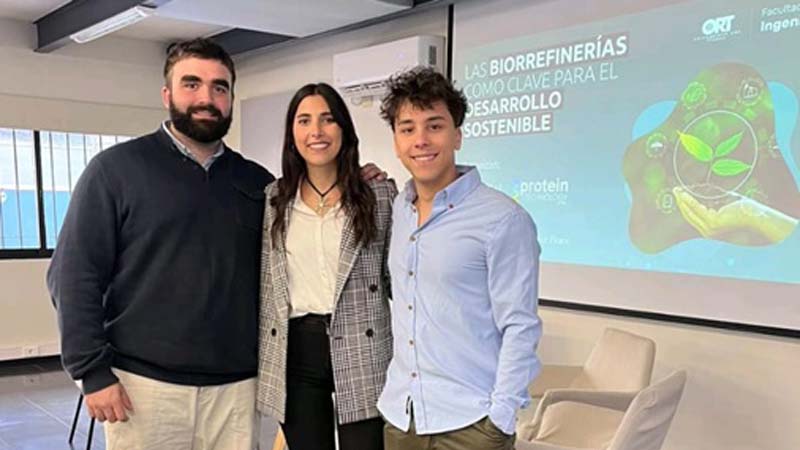
What was the main focus of the proposal?
As scientists, we have the opportunity to develop green technologies that can help mitigate pollution generated by industries—in our case, the biodiesel industry. At the same time, we can develop processes that add value to the waste generated, which will ultimately have an impact on the price of the industry’s final products, making them more accessible to the public. That is where the concept of a biorefinery comes in.
This concept is similar to that of oil refineries, but its goal is to create facilities that use biomass as a feedstock to produce a range of marketable chemicals and energy. It is a concept designed to make the most of what renewable sources have to offer.
What stands out in your proposal?
We particularly emphasize the importance of establishing biorefineries within the renewable energy industry as a way to promote energy democratization and environmental protection. In other words, to make energy more accessible to more people while having a positive impact on the environment.
A sustainable approach to the biodiesel industry
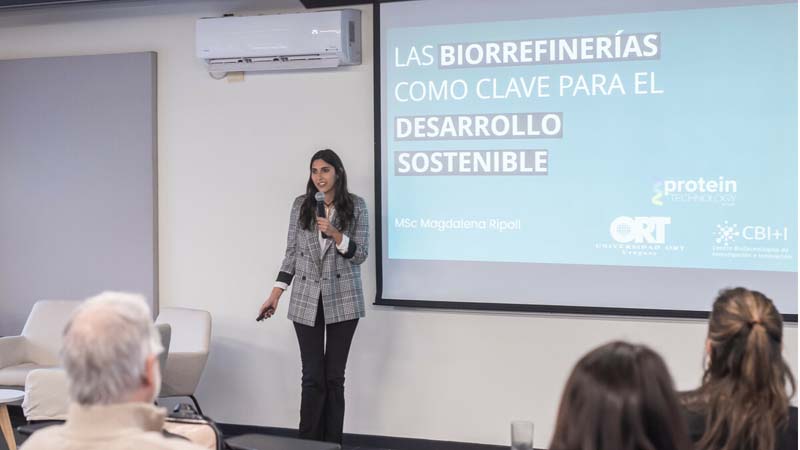
How do you plan to address the issue of crude glycerol?
In particular, the biodiesel industry generates large quantities of crude glycerol, which is a byproduct of biofuel production. This byproduct is not only highly contaminated but also has a very low market value, making its commercialization unprofitable. At the same time, supply significantly exceeds demand, so the excess crude glycerol generally has to be incinerated, which produces byproducts that pollute the environment.
Our approach involves using bacteria of the genus Gluconobacter, which have the ability to convert this byproduct into value-added products, such as dihydroxyacetone, which is widely used in the cosmetics industry.
What impact do you hope to achieve with this initiative?
Our idea is that, by biotransforming crude glycerol into value-added products, we can not only reduce the environmental impact of biodiesel production (by utilizing one of its polluting byproducts), but also provide the industry with another marketable product that improves its bottom line.
By marketing these types of products made from waste materials, the industry generates profits, enabling it to offer fuel at lower prices. This makes it possible to improve the population’s access to energy.
The Future and Sustainability
What results have you achieved so far?
Following the project presentation, which took place at the university on August 14 and during which we shared our findings, we engaged with the business community—an initiative we hope will lead to future projects.
How important are these types of initiatives for sustainable development?
We believe that initiatives like this are key to sustainable development, as they help meet society’s current needs without compromising the well-being of future generations.
In this case, we are developing a process that reduces the environmental impact of the biodiesel industry, which indirectly has several positive effects in other areas.
From a social perspective, it improves the population’s access to renewable energy, thereby helping to enhance people’s quality of life. From an economic perspective, it creates new markets and new job opportunities, boosting the economy in an environmentally responsible manner.
Learn about theBiotechnology Engineering program