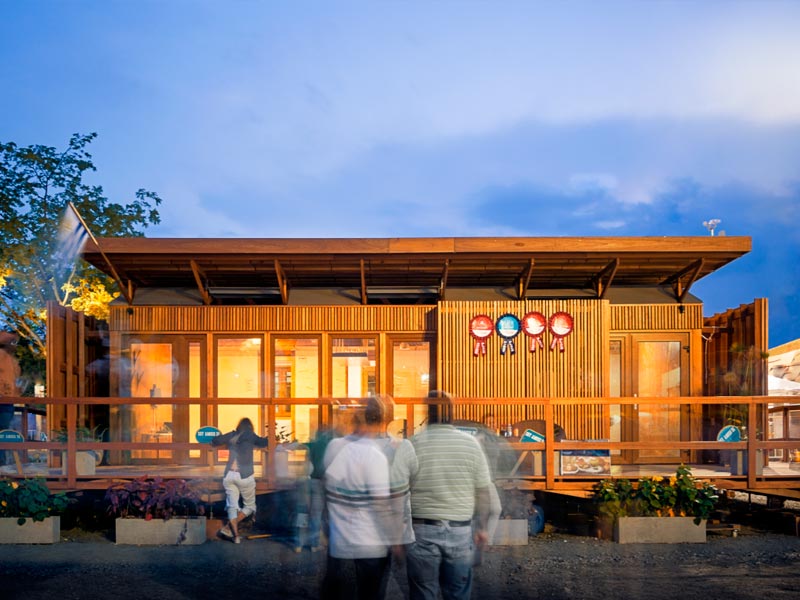
The United Nations (UN), through its Environment Division, has included among the four innovative solutions developed in Latin America that could change the world La Casa Uruguaya, a project developed by faculty and students at Universidad ORT Uruguay. This has been a major achievement for the project team, composed of faculty, alumni, and students from the various schools within the institution.
The article “Four Innovative Solutions from Latin America That Could Change the World” features four initiatives, including La Casa Uruguaya. Under the slogan “A Home for Sustainable Living,” the organization has highlighted the project’s effective use of passive thermal cooling techniques and the optimization of solar energy.
Excerpt from the article: Four innovative solutions developed in Latin America that could change the world.
A Home for Sustainable Living
Energy consumption in our home is heavily influenced by natural conditions such as ventilation, temperature, and lighting. If the house is very warm, we will likely use the air conditioner. And if it has few windows, we will rely more on artificial lighting.
In the coming years, it will be essential for the construction sector to address these factors in order to improve energy efficiency and accelerate the fight against climate change. Currently, 38% of total energy-related CO2 emissions come from the building sector, according to the 2018 Global Status Report.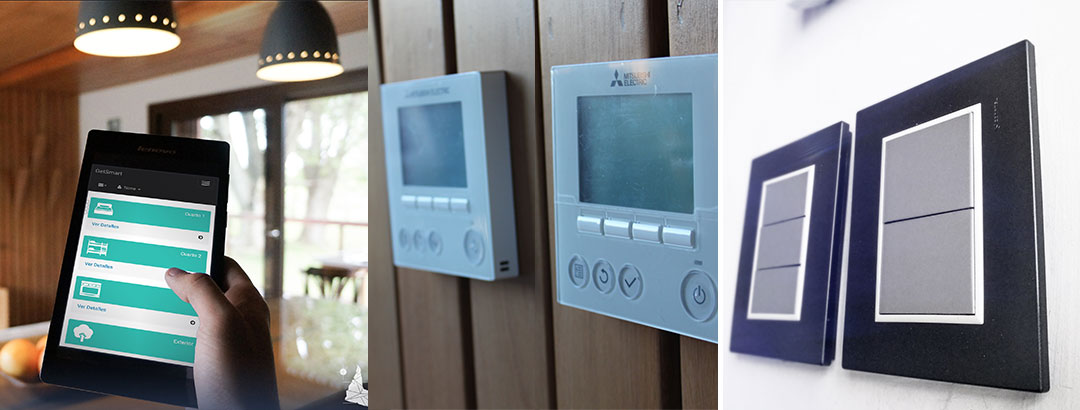
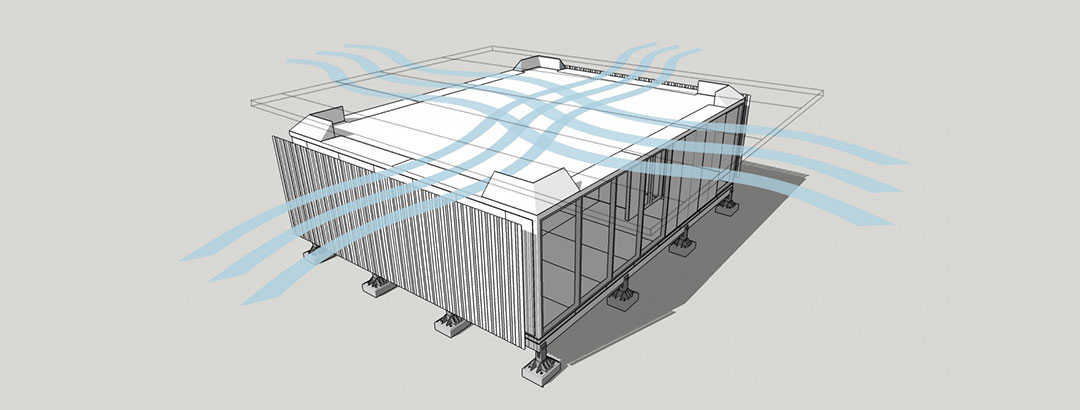
With this challenge in mind, a group of students, alumni, and faculty members from Universidad ORT Uruguay La Casa Uruguaya, a sustainable and smart housing project that leverages bioclimatic architecture and technology to reduce electricity consumption while offering a sustainable and affordable lifestyle. The house is essentially a home inside a box, explains ORT University. Its insulation prevents heat and cold from entering. It has two roofs—one on top of the other—and, between them, movable panels that open or close remotely to regulate the internal temperature. Its windows are strategically located to improve lighting.
The house is self-sufficient with solar power, alerts residents to energy waste, features a water reuse system, and uses sensors to control temperature, humidity, and lighting. The unit can be installed in 15 days and costs between $50,000 and $90,000. Thanks to its innovation and energy efficiency, La Casa Uruguaya the awards at the 2015 Solar Decathlon Latin America and the Caribbean, an international academic competition sponsored by the U.S. Department of Energy. In 2016, the project received a National Energy Efficiency Award in Uruguay. Currently, the team members are marketing the project in their country.