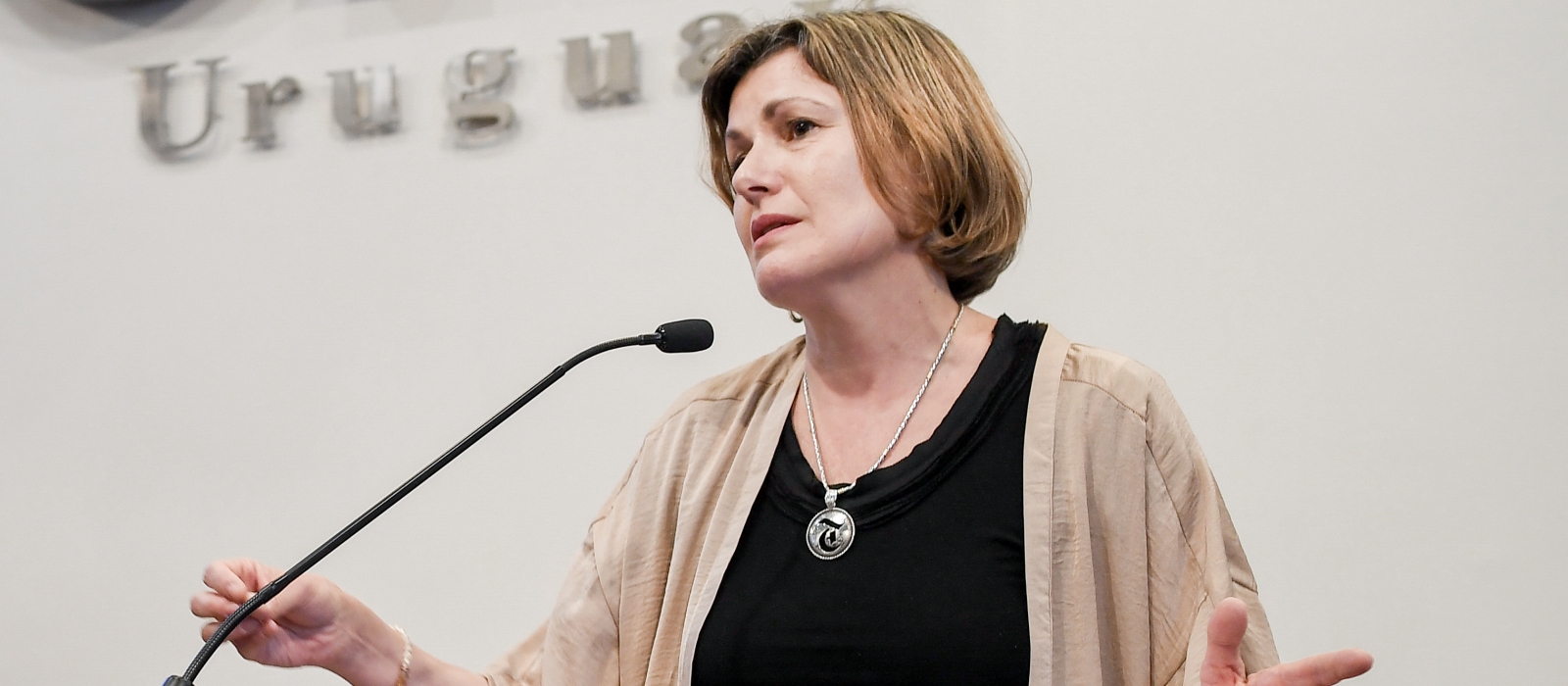
The expert discussed how brands are responding to this situation, their responsibilities toward the environment, customers, and society, and how students are reacting to this new paradigm.
-How is the current situation affecting the relationship between people and brands?
-At this time, there are very drastic changes in behavior associated with isolation, the risks of COVID-19, and hygiene recommendations—changes that are not new, but have now become more widespread.
From a marketing perspective, these changes call for different approaches—ones that address people’s needs, take their circumstances into account, and support them during such a difficult time, whether we’re in isolation, worried about a loved one, or facing changes in our work situation or routine.
Therefore, if the purpose of brands is to make a difference in society or in the lives of the people they serve, then all the more reason for them to stay close to those people and tailor their offerings to that context.
-How are brands supporting people during this time?
For example, washing your hands with soap has always been important, but people are now more aware of it. At Unilever, working with a brand of hand soap, we aim to raise awareness of the recommendations from the World Health Organization and the Ministry of Public Health, emphasizing the importance of washing your hands with soap.
If the most important thing is to do what’s best for people, we prioritize that above all else. In this case, that means washing hands correctly and frequently. People should use whichever brand they find most convenient. The brand provides this information and aims to reach as many people as possible.
Here’s another example: there are brands that encourage physical activity; however, right now many people are at home, unable to go out and exercise. So, through their media channels and social media, these brands are working to provide access to fitness instructors, so people can exercise from home. This helps people feel better physically and mentally during isolation, while preventing the negative effects of a sedentary lifestyle.
-Has there been a paradigm shift in marketing in recent years toward greater social responsibility?
-I prefer to talk about purpose-driven brands—ones that are committed to the environment, to people—so they can access new or better benefits—and to society as a whole.
Ultimately, the purpose of brands is to try to improve people’s lives. Each brand has its own positioning. It has been proven that purpose-driven brands are the ones that grow the most and are most valued by younger generations.
Brands that have been operating this way over the long term build a stronger, more trustworthy connection with people. All of their social media activities will carry credibility.
Brands that have been operating this way over the long term build a stronger, more trustworthy connection with people, so all their social media activities will carry credibility.
-As a professor and marketing instructor, how do students respond to all this information?
-They're very well received. The younger generations are the most critical of brands and the ones who most appreciate long-term, committed efforts that value people, whether they're customers or not.
The " Brands with a Purpose " course I teach as part of the Specialization Diploma in Marketing Management gives me great satisfaction to see the students' enthusiasm as they work on building brands with a purpose, beyond mere functional benefits.