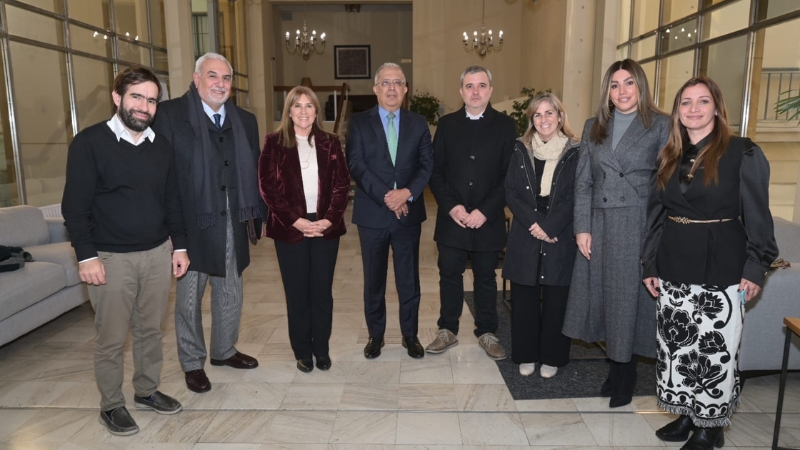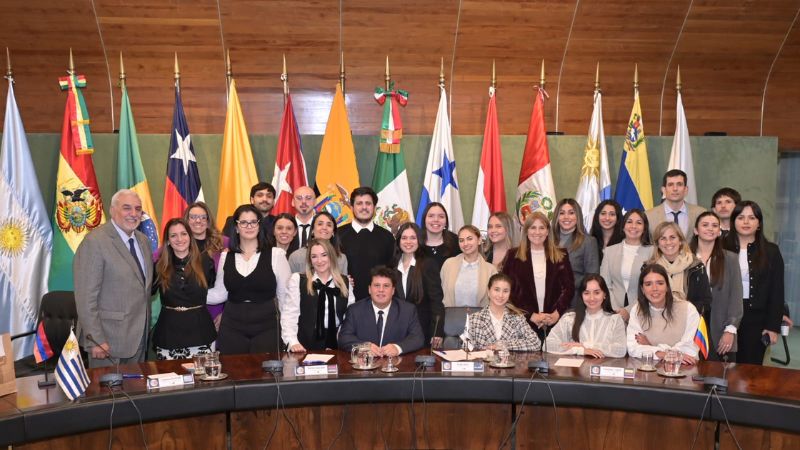
On Tuesday, June 24, the event " Cultural Exchange: Diplomacy Through Events" was held at the headquarters of the Latin American Free Trade Association (ALADI). This academic event brought together prominent representatives of the diplomatic corps and protocol specialists.
The event was organized by students inthe Public Relations and Event Managementand Corporate Communication and Public Relations Analyst programs at the School of Communication, as part of the course "Event Production, Ceremonial, and Protocol," with the aim of bridging the gap between theory and professional practice.
During the event, participants discussed how formal occasions can serve as bridges between cultures, fostering mutual understanding and respect on the international stage.
The discussion focused on the importance of adapting ceremonial practices to the specific characteristics of each country, incorporating their own symbols, customs, and narratives.

In addition, as part of the event’s artistic and symbolic component, Natalia Barenchi painted a piece live while the presentations were taking place.
The painting, created in keeping with the event's values, was donated to Aladi as a token of appreciation and a symbol of this cultural exchange.
Ceremony as a Strategic Language
One of the central themes of the meeting was the role of protocol in institutional relations.
Francisco Purificatti, Uruguay’s Deputy Director of Protocol and State Ceremonial, emphasized that far from being a rigid practice, protocol should be understood as a flexible and practical tool:
The protocol is innovative, problem-solving, and communicative.
He then highlighted the need for creativity in organizing formal events that adapt to changing circumstances.
This view was shared by the other speakers, who agreed that protocol not only governs form but also conveys each nation’s diplomatic intent and values.
Identity, Culture, and Memory
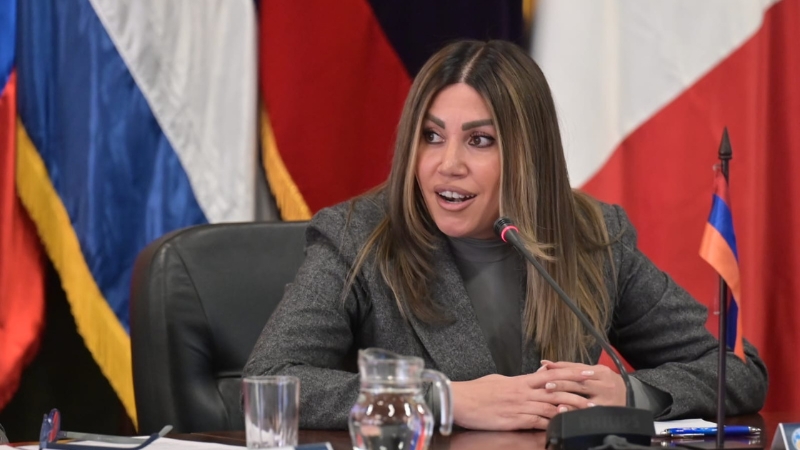
Armenia’s ambassador to Uruguay,Mariam Gevorgyan, emphasized the importance of symbolic gestures in diplomatic relations and how respect for historical memory becomes an essential component of protocol.
The protocol requires that the visit begin with a memorial service for the Armenian genocide.
He explained that it is a practice that honors the victims and reaffirms the commitment to human rights and peace.
For his part, Francisco J. Coy Granados, Colombia’s ambassador to Uruguay, highlighted the value of culture as a tool for fostering international connections.
We are fortunate to have many forms of cultural expression; vallenato is one of them, and it has gained international recognition as a symbol of Colombia.
He emphasized how art and music are also part of diplomatic language and a country's image.
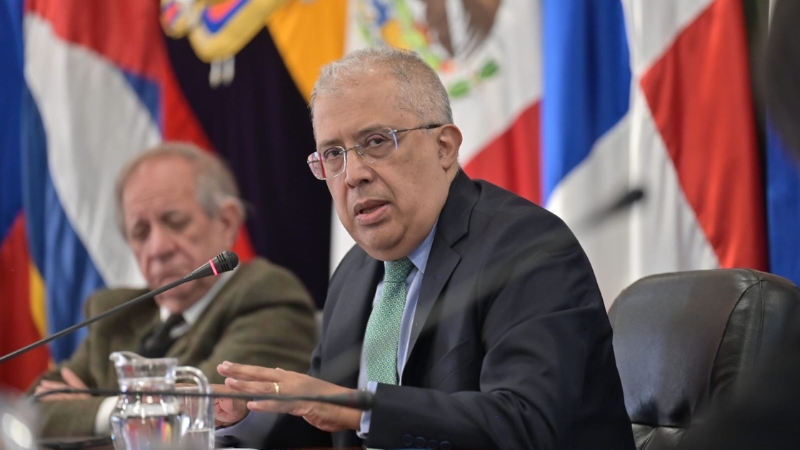
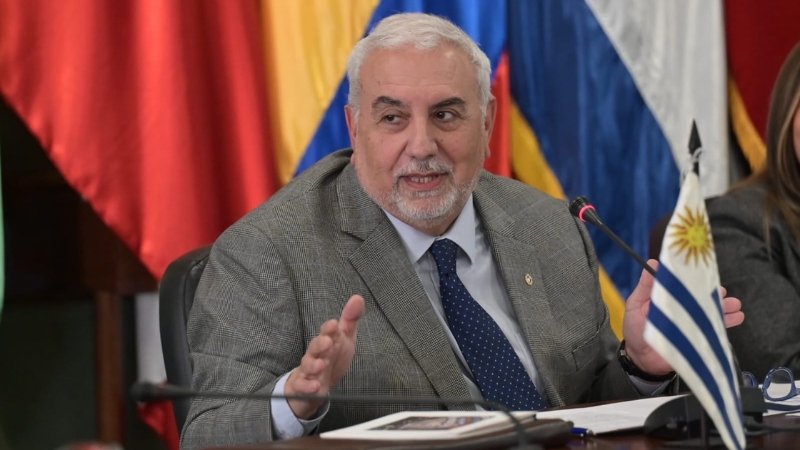
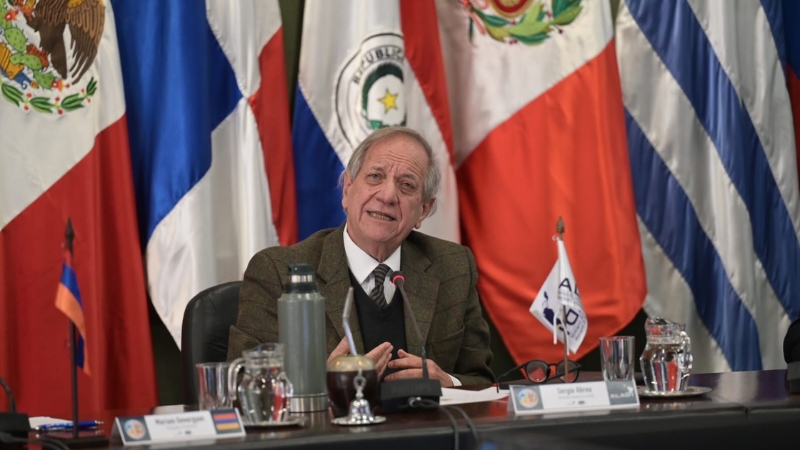
Sergio Abreu, Secretary General of ALADI, offered a profound reflection on the unifying role of diplomacy:
Diplomacy is an essential tool for bringing us together. It allows us to interact without discriminating on the basis of culture, religion, or what each person does.
His remarks reinforced the idea that respect and diversity must be at the heart of any diplomatic practice, regardless of geographical or ideological differences.
Vocational training with a humanistic approach
Beyond the exchange of technical knowledge, the event sought to inspire future professionals in the fields of communications and event planning to approach their work from an ethical and empathetic perspective.
Learnaboutthe programsin Public Relations and Event Planning
and Corporate Communications and Public Relations Analyst
One of the key messages of the meeting was the importance of respect as a rector principle rector multicultural contexts. During one of his remarks, Francisco Purificatti noted:
You are working with people, for people, and for a society made up of all of us. And that society, culturally speaking, has it all. We speak with respect.