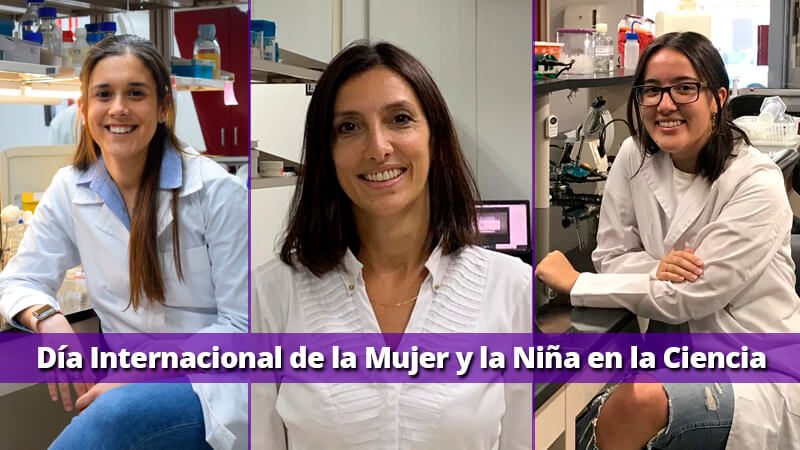
On December 22, 2015, the United Nations Educational, Scientific and Cultural Organization (UNESCO) designated February 11 of each year as the International Day of Women and Girls in Science.
Given the obstacles women continue to face in various professional fields, this initiative was launched to support young women; their education and their ability to fully express their ideas are the driving forces behind development and peace. The goal is to strengthen the participation of women and girls in the fields of science and technology.
For this reason, on February 11, Universidad ORT Uruguay the fight for gender equality in science through three representatives of its female scientific community: Professor Lorena Betancor; graduate and professor Pía Campot; and student Evangelina Saravia.
"Celebrating this day means honoring our knowledge and values. It means thanking those who passed the torch to us and letting them know that we will carry on this important legacy," says Saravia.
Marie Curie as an inspiration
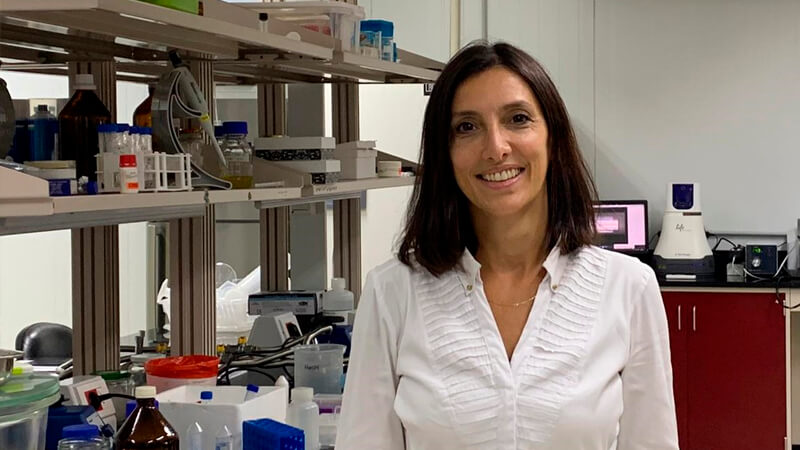 Lorena Betancor holds a Ph.D. in Molecular Biology. She teaches in the following degree programs: Biotechnology Engineering and the Bachelor's Degree in Biotechnology at ORT, and she is also a professor of Protein Technology in the university's School of Engineering.
Ever since she was a child, Betancor has been interested in biology and in the how and why of things from a molecular perspective. “Social convention dictated that, if I liked biology, I should study medicine,” she says.
That interest and curiosity in science endured over time and gradually evolved into a calling that, once she finished high school, led her to pursue not a degree in medicine, but a bachelor’s degree in biochemistry. As she recalls, one of the female scientists who inspired her on that path was Marie Curie: “I read her biography as a teenager, and it made a deep impression on me.”
When discussing the obstacles women face in the field of science, Betancor believes that, in terms of practical considerations, one of the main barriers for women is balancing family responsibilities with their professional lives. She argues that the hours dedicated to research are many, both in the lab conducting experiments and also reading, thinking, and creating. “That takes a heavy physical and mental toll, which falls much more frequently on women,” she notes.
A struggle that continues
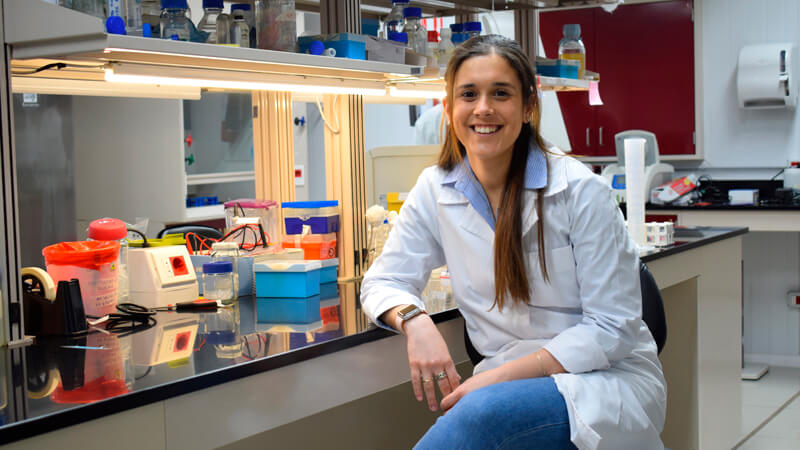 Pía Campot holds a degree in Biotechnology Engineering from ORT; she is a professor and assistant coordinator of the Biotechnology Laboratory at the university’s School of Engineering. She was recently recognized by the Spanish-language edition of MIT Technology Review—the magazine of the Massachusetts Institute of Technology (MIT)—as one of the 35 Innovative Young Latin Americans of 2020, for his startup Enteria, a biotechnology company focused on the analysis of the human microbiome.
Like Betancor, Campot had always been interested in science because “it was a way to find explanations for things.” When he finished high school, he came across ORT’s Biotechnology Engineering program, which was fairly new at the time. He didn’t know much about the program other than that it involved working in a lab, but he found it fun. That’s how he got into the world of biotechnology, and he says he has no regrets.
According to Campot, throughout her career as a scientist, she has had to endure prejudiced looks for being a woman leading a scientific project, and she asserts that gender equality in her field “is something we must continue to fight for.” This is especially true given that scientific output by women drops significantly as they have to balance family life with their professional careers: “It puts us at an unfair disadvantage compared to men,” she adds.
Education that aims to raise awareness
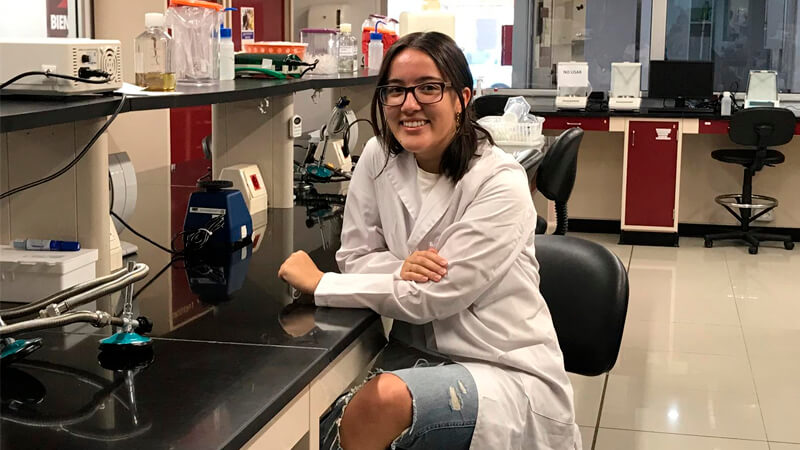 Evangelina Saravia, meanwhile, has been studying Biotechnology Engineering at ORT since 2019. She says she is confident that gender inequality in science will gradually disappear starting with education: “At the university, in the course Ethical and Social Aspects of Biotechnology, I’ve taken classes on the topic to raise awareness.” Gender equality in the field is something that gives her hope for the future of the profession she has chosen.
Saravia has been interested in science since she was a child. She enjoyed chemistry classes and found that a degree in biotechnology engineering encompassed everything she hoped for in her future career.
February 11, a date that brings attention to the issue
According to UNESCO, science and gender equality are essential for sustainable development. However, women still face barriers in this field: less than 30% of the world’s scientific researchers are women.
For Campot, it is important to continue the work that has been done to promote support for women in this profession, and to inspire and spark an interest in science among girls who are just starting out on this path.
For her part, Betancor says she sees an encouraging interest among her female students in learning about and engaging with the scientific world. She believes that raising awareness of the gender gap in science is the first step toward reducing it. “Furthermore, it’s an initiative that helps highlight role models for girls and brings these topics closer to their parents, guardians, or educators, who ultimately become the primary promoters and facilitators of their engagement with science,” she explains.
According to UNESCO data, less than 30% of the world's scientific researchers are women.
Meanwhile, Saravia believes it is extremely important to have a special day, such as February 11, to highlight the achievements of other women who can serve as role models for many others, in order to inspire and motivate more young people to explore the world of science. “We have to be persistent so that more and more people become aware of gender inequality, which remains a global concern. Celebrating this day is about honoring knowledge and values. It’s about thanking those who passed the torch to us and telling them that we will carry on this important legacy,” she concludes.