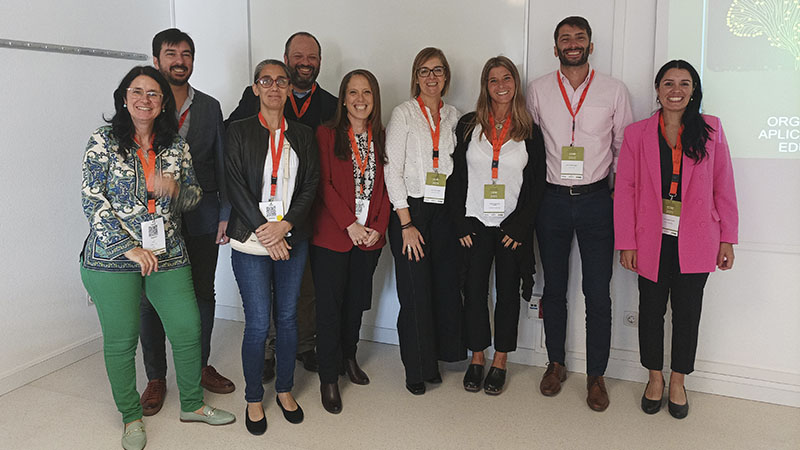
“Attending the conference and symposium was an opportunity to showcase the transition toward transformative leadership in educational organizations, driven by research, knowledge generation, the establishment of shared goals, and teamwork,” said Victoria Sequeira.
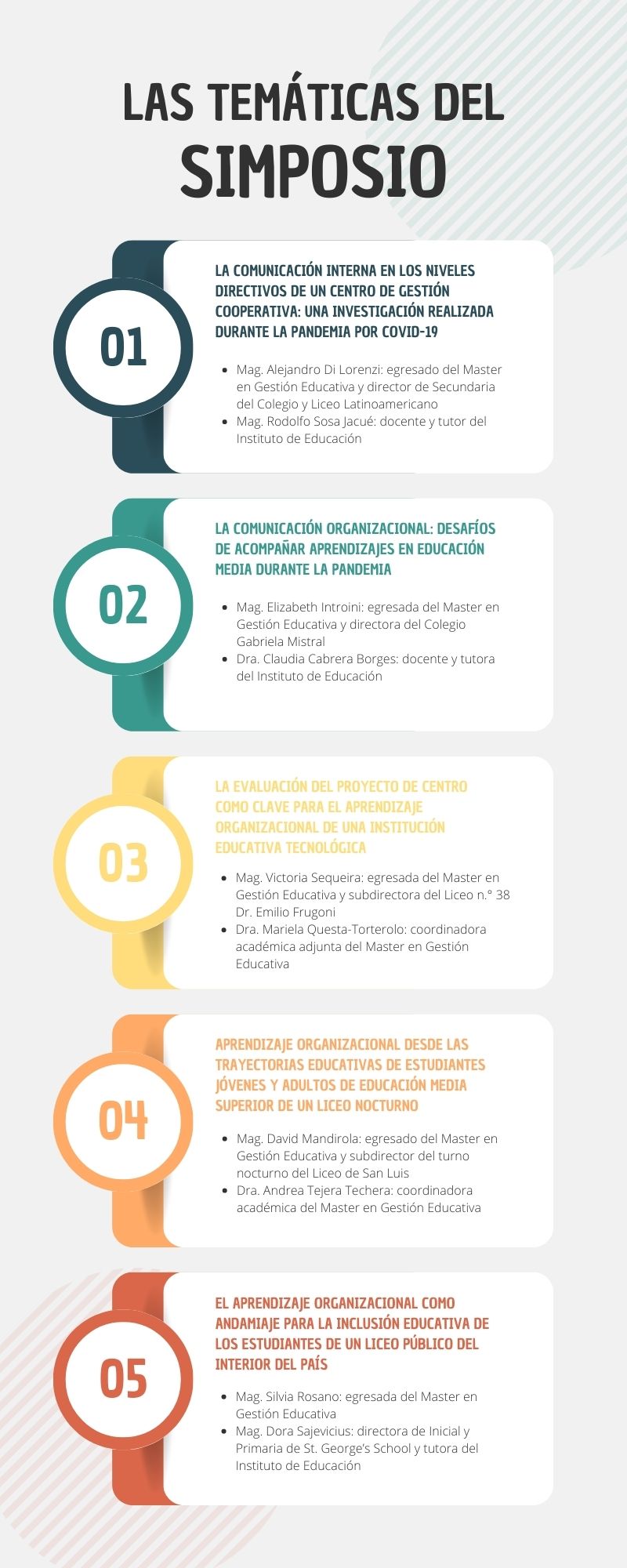
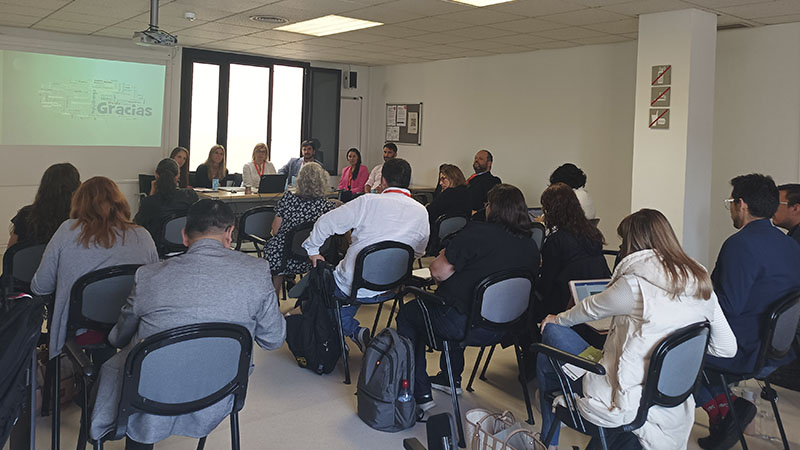
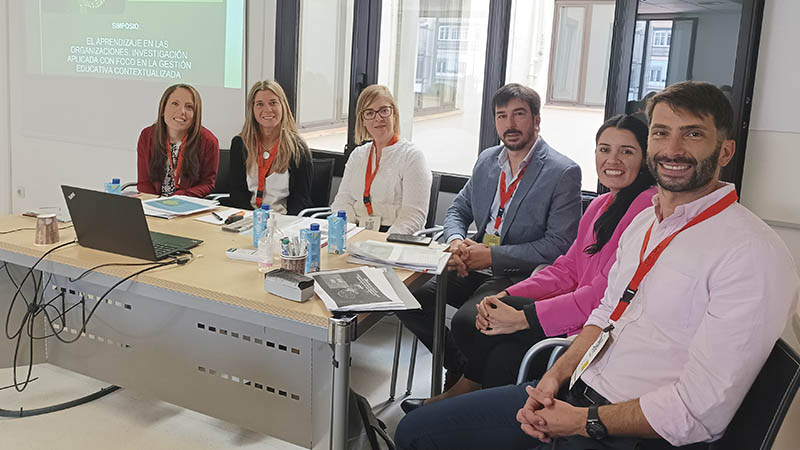
Together with David Mandirola and Elizabeth Introini, the graduates of the Master’s in Educational Management reflected on their experience participating in the symposium “Learning in Organizations: Applied Research with a Focus on Contextualized Educational Management”—coordinated by Dr. Andrea Tejera Techera—which aimed to share the applied research projects designed and implemented throughout the program.
During the event, which was part of the 7th EDO International Congress held May 17–19, 2023, in Barcelona, researchers presented studies conducted as part of the final project for the Master’s in Educational Management program at Universidad ORT Uruguay, which were carried out during the COVID-19 pandemic in Uruguayan schools.
More specifically, at the peer-reviewed symposium, five proposals were presented that identified different issues and, through a collaborative process of designing an improvement plan, proposed viable solutions for addressing issues related to internal and external organizational communication, the evaluation of the school project, student pathways, and educational inclusion.
“This was a very significant event because, in addition to facilitating the continuation of the learning processes undertaken in the Master’s in Educational Management program, it featured the recent graduates as key participants,” stated Andrea Tejera Techera and Mariela Questa-Torterolo.
According to Sequeira, who currently serves as assistant principal at Liceo No. 38 Dr. Emilio Frugoni and as a guidance counselor and tutor at the Institute of Education at Universidad ORT Uruguay, participating in these types of activities allows for the review and updating of scientific practices, in order to “implement measures to build work teams, promote organizational culture, and create training opportunities.”
It was also an opportunity to discuss with other professionals and academics the research that Universidad ORT Uruguay conducting “to lead organizational improvement processes” in Uruguayan schools.
For this reason, following the conference, Sequeira stated that he had learned the importance of understanding “other strategies that management can implement to improve the institution,” as well as the need to “continue conducting research that allows for critical and scientific reflection on the creation and management of knowledge for organizational learning.”
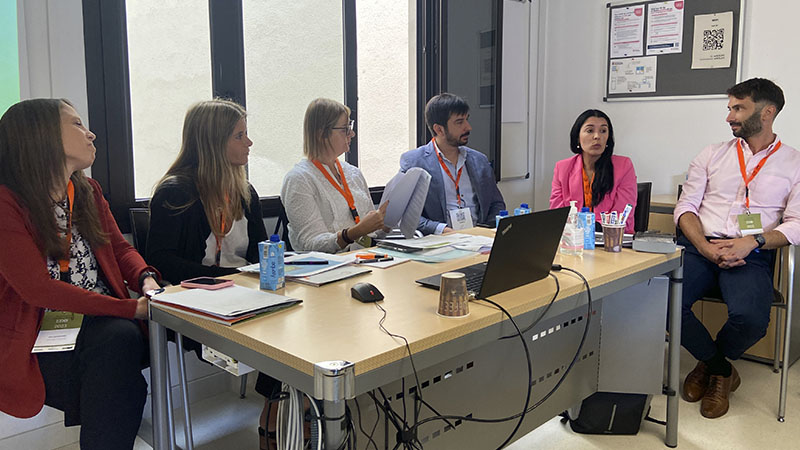
“It was a motivating and enriching experience thanks to the generous and meaningful exchanges with colleagues from other countries regarding the generation and dissemination of knowledge gained through various research processes,” said Victoria Sequeira.
The challenge of putting together a program worthy of an international conference and showcasing the work being done in Uruguay to the academic community was one of the reasons David Mandirola decided to participate in the symposium.
After the event concluded, the assistant principal of the night shift at Liceo de San Luis noted that the outcome was extremely positive: “I appreciate the exchange that took place, not only with the ORT colleagues who attended, but also with the rest of the participants from Latin America.”
“Our symposium was greatly enriched during the discussion session, when various colleagues shared their experiences and perspectives, asked us questions, and praised the work we had done,” he added.
In particular, the graduate took away insights into how organizations have adapted in the wake of the pandemic. From a professional standpoint, Mandirola believes he will be able to apply this knowledge to his role in managing an educational institution. “I firmly believe that, at the local level, this represents a great opportunity to begin fostering collective intelligence, drawing on diverse experiences and perspectives,” he concluded.
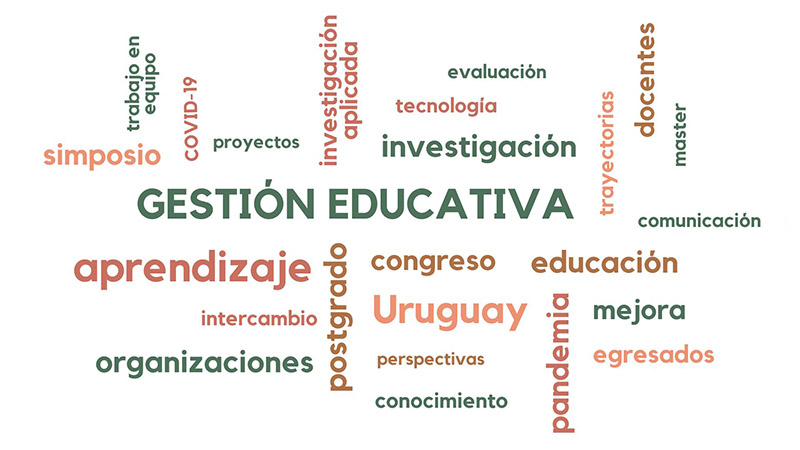
“Working together is a strategy that I believe we should promote in our educational organizations,” said David Mandirola.
Participating in the 7th International EDO Congress presented a twofold challenge for Elizabeth Introini, principal of Gabriela Mistral School. On the one hand, it required the hard work of condensing her extensive Master’s thesis in Educational Management into just a few words.
On the other hand, it meant presenting it to the audience, who were given an opportunity to ask questions, in order to reflect on and discuss ideas for improvement.
However, for Introini, that was “one of the most rewarding aspects of the event,” as the exchange with colleagues allowed them to reconsider the issues from new perspectives.
“The experience left us reflecting on how to continue embracing technology without losing sight of face-to-face interactions along the way—interactions that allow us to achieve synergy among all parties and build meaningful approaches to education, ”said the graduate.
“I’m left with the idea of guiding organizations toward a form of collective intelligence that allows us to learn by doing things together,” said Elizabeth Introini.
“This conference has provided yet another opportunity to showcase the outstanding work being done as part of the Master’s Program in Educational Management, to delve deeper into the skills we foster, and to demonstrate the importance of applied research in educational management, ”said Andrea Tejera Techera and Mariela Questa-Torterolo of the Academic Coordination Office for the Master’s Program in Educational Management.
According to what they pointed out, traveling abroad always “opens up opportunities for growth through exposure to other cultures.” Since the event brought together academics from around the world, in addition to fostering discussion and exchange, it allowed participants to “weigh strengths and weaknesses, as well as identify potential areas for improvement in their daily work.”
Beyond the development of professional skills, Tejera Techera and Questa-Torterolo highlighted the fact that they had strengthened personal bonds with their colleagues, which, in their view, “make the working groups to which they belong more valuable.” In fact, they said that, during the conference, there were discussions and reflections on the“importance of teams for effective knowledge management in organizations in general, and educational institutions in particular.”
“In this case, the collective effort that was achieved is evident; in addition to the academic preparation of the presentations, it required individual effort to attend and to balance personal and professional commitments with the event,” they added.
“For the faculty and alumni, the goal is to strengthen the professional learning community we strive to build every day. Without a doubt, we all return feeling rejuvenated and full of new ideas,” concluded Tejera Techera and Questa-Torterolo.