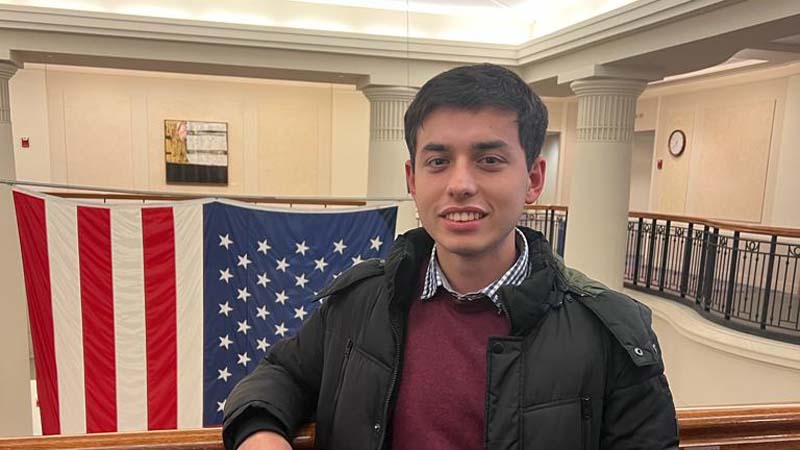
The scholarship lasts for a month, and Renzo is making the most of it, as he explains in the interview, where he talks not only about what he’s discovering and learning during the trip, but also about the entrepreneurial spirit that’s been with him since he was very young.
How did you secure the scholarship from the U.S. Embassy for the Study of the United States Institutes (SUSI) for Student Leaders programme?
I found out about it from Enrique Topolansky, director of the Center for Entrepreneurship Innovation (CIE), where we are incubating the Viatik project (a platform that connects drivers with passengers to share travel expenses).
He recommended it to me because I fit the profile they were looking for: young people with leadership potential and a background in entrepreneurship, especially in the social sector—an area that Viatik focuses on, since it helps reduce the carbon footprint.
After a few interviews, I was selected along with five other Uruguayans to travel to the United States. The program is designed so that five participants each from Uruguay, Brazil, Argentina, and Chile take part.
What would you highlight about the program?
So many things, because it's a once-in-a-lifetime experience. I still can't believe I'm here and have this opportunity.
We are all living together in a house in Amherst, Massachusetts, and attending various classes, seminars, and presentations on leadership, entrepreneurship, and community service. It’s an intense experience, and we’re studying and learning a lot.
I feel like everything I learn will be useful not only at Viatik, but also in any future projects I undertake.
The program is run by the Institute of Training and Development in Amherst, which is responsible for coordinating all our activities, such as a trip to Arizona that I am currently taking to learn about the local culture and attend classes at the University of Arizona.
We also attended classes at the University of Massachusetts and Amherst College, and we had the honor of taking a class at Harvard University.
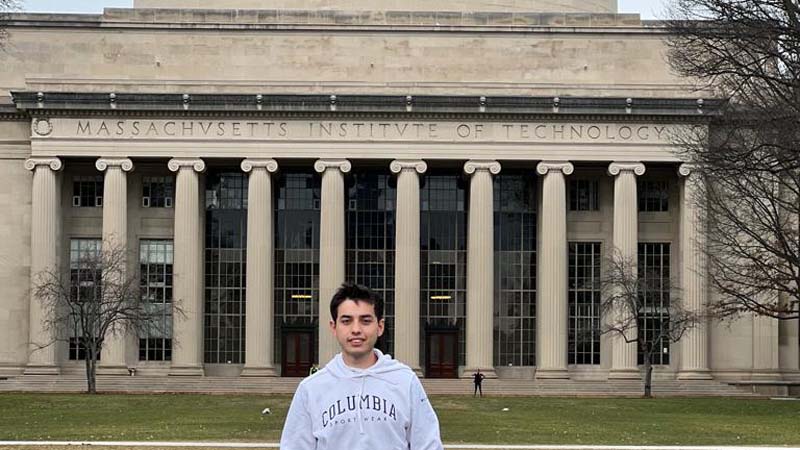
But the program isn't just about academics; it also has a cultural component that allowed us to visit different places, such as Boston and New York, where we had classes at Columbia University.
The program lasts a month, and I’d like to recommend it to anyone interested in participating.
The entrepreneurial spark
Now, moving on to your startup and your interest in technology, how did the idea for the startup come about?
It all started a few years ago. I’ve always been interested in technology and programming, since I studied a technology-focused high school program at UTU. Then, when I was 15, I became fascinated by the various apps coming onto the market and how they worked, and that’s when I first learned about the concept of a startup.
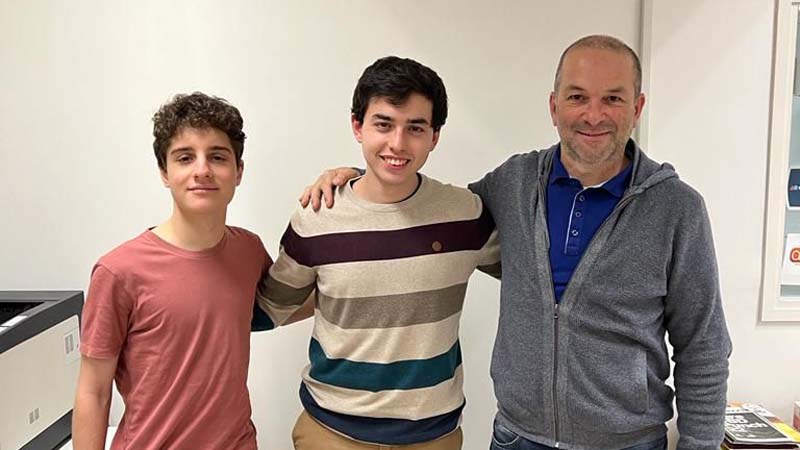
At Viatik, there are three of us: Gonzalo Aszyn, who is also studying systems engineering; my uncle Germán Mazzarino, who graduated from ORT; and me.
After a while, my uncle and I discussed the idea of connecting people for long-distance trips. Since we’re both from Salto, we understood the problem and started planning a solution.
When I started my Systems Engineering program, I chose ORT not only because it had an excellent curriculum, but also because of its connection to the CIE, which was the ideal place to begin developing the idea.
I remember knocking on the door of the Center and discovering a whole new world—people who helped us along the way and a lot of hard work—but thanks to all of that, I am where I am today.
What was your experience with the CIE like, and what would you highlight about their support?
They helped us avoid running into a lot of obstacles; at first, we were planning to launch a massive product, but they told us not to—they advised us to start with something simple and then keep improving it. Thanks to their advice, we avoided a lot of mistakes.
How does the platform work, and how much do drivers and passengers save?
For example, if you're a driver, this allows you to sign up, post a ride, and set a price per seat—though we also suggest prices to give you an idea. The platform can be accessed via the website or the app.
The app is currently free to use. The driver and passenger work out the payment details between themselves. After each ride, a form is sent to everyone involved so they can rate the experience and the condition of the car.
We help passengers save 45% or more compared to the cost of a bus ticket, depending on the route.
Meanwhile, drivers can save up to 75% on fuel and toll costs, depending on the number of passengers joining the trip.
You mentioned that you aren't making a profit right now. How is the business structured to generate revenue and continue growing?
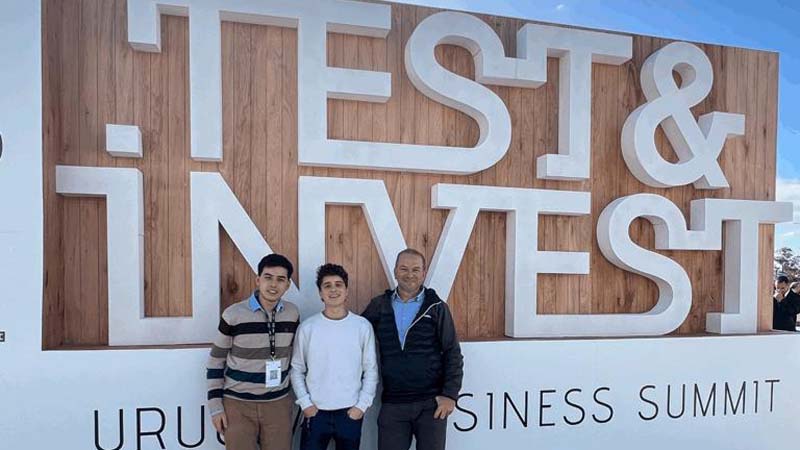
We aren't making a profit yet. We're waiting until we have a larger user base before we start charging a commission on rides. What we do have is funding from the National Development Agency (ANDE) and the National Agency for Research and Innovation (ANII).
Do you feel that Uruguayans are embracing this new trend?
Yes. People are really excited about it; many were already familiar with this concept, which works well in other countries. We’re gaining more users all the time, the platform is growing, and there are more trips. That’s what excites us.
As of today, there are already more than 9,500 registered users on the app. It’s important to note that we launched on July 18, 2022—less than a year ago.
Since then, it’s been a huge effort and a lot of hard work. We started out as a team of three, and now there are seven of us working on the project.