Freedom of expression is essential to democracy. We are simultaneously living in an age of information that enriches democracies and an age of misinformation that strengthens authoritarian regimes.
However, in this scenario, authoritarian regimes have also used these new technologies to consolidate their power domestically, while at the same time undermining open societies around the world.
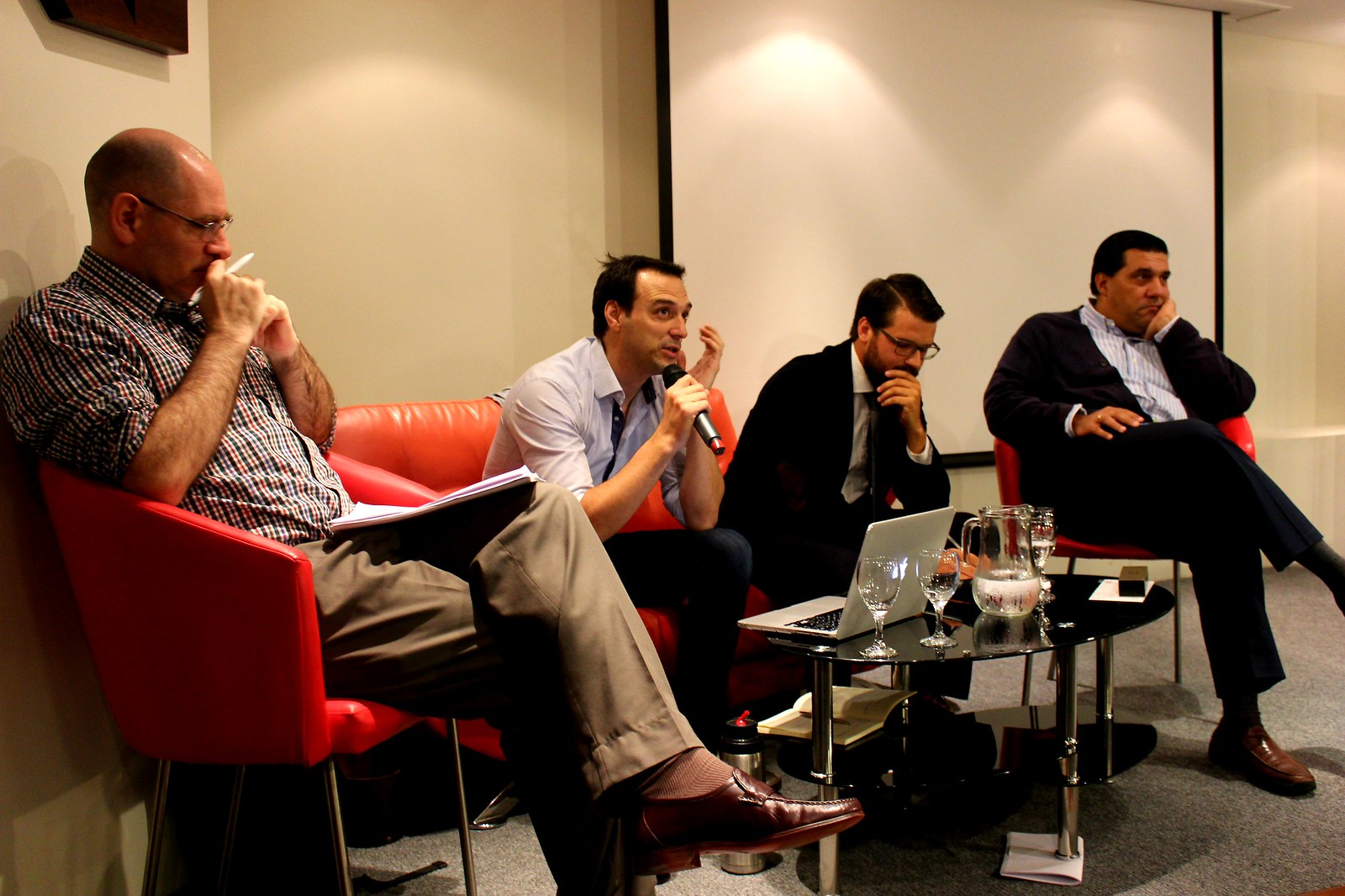
“In these challenging times for open societies, do the media hold the reins of power? Do new technologies share this responsibility?” asked Professor Pedro Isern, the panel moderator.
“The crisis of democracy is the collapse of trust—the belief that politicians are not only corrupt but also incompetent,” said Leonardo Martín, citing this as one of the causes behind the rise of authoritarian leaders.
“Anti-politics, populism, and nationalism are the consequences of the crisis of democracy,” he added. “Social media isn’t inherently good or bad; it’s a tool whose impact depends on how we, as individuals, choose to use it.”
Meanwhile, Andrés Rivas Casas argued that there is a belief that “the greater the freedom of expression, the healthier the democracy.” However, “the democratization of opinion leads to discontent and dissatisfaction.”
“We must avoid placing blind faith in progress by believing that every technological advancement leads to a better future; instead, we should be skeptical and exercise caution about where we are headed.”
For his part, Facundo Ponce de León stated: “Truth is not what it is, nor is it fidelity to a promise, but rather the correspondence between a sign and its referent. This is what relates to the media.”
https://youtu.be/0b5dcbQkszA?si=bbPK-N7tJlErKyCo