Since 2011, the architecture program at Universidad ORT Uruguay a hands-on course in its curriculum that encourages students to move beyond lab projects and put their knowledge into practice. The course is called Construction Methods 4.
This course is offered in the sixth semester and is designed to give students direct exposure to the workplace before they become professionals. It also aims to have students perform construction tasks and handle all types of tools and materials on job sites. In other words, students are expected to become part of the construction workforce.
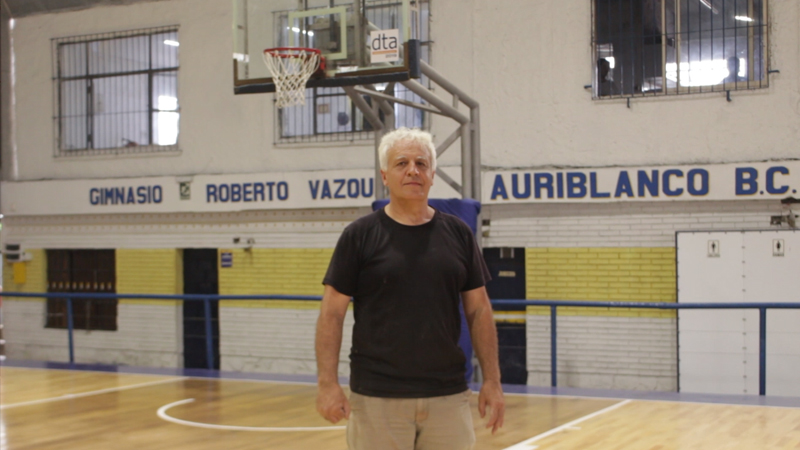
With the aim of ensuring that the internships would be beneficial to third parties, the ORT School of Architecture has sought to collaborate on projects with various NGOs and other institutions. This year, the internships took place at Auriblanco Basket Club, in conjunction with the elective course “Steel Framing.”
Construction Methods 4 is the final course in a series of courses—Construction Methods 1, 2, and 3—that cover everything from the broadest to the most specific aspects of building construction: site measurements, the characteristics of reinforced concrete, and wood and steel structures, among other construction-related details.
All of these courses are taught by Ricardo Romero, an architect and university professor, who provided details on the work covered in Construction Methods 4.
-
Since when have these internships been offered at NGOs and other organizations?
Construction internships began at ORT’s School of Architecture in 2011. Visits to NGOs began in 2015, when it was decided that the projects carried out by students should benefit others and not merely serve as laboratory exercises. Almost all of these organizations engage in community service and require building infrastructure projects in which we can assist.
-
What is the educational purpose behind these activities?
The goal of the course is for students to gain a much deeper understanding of construction materials, tools, and procedures so they can manage construction sites and provide more accurate instructions. They do this by performing hands-on construction tasks, using common tools and materials found on construction sites.
-
In the construction of what structures have the students already participated?
Facades in poor condition have been repaired; sidewalks, ramps, and entrance porches have been built at a neighborhood health clinic; flooring and windows have been installed in a community dining hall; and two classrooms have been built at a school for low-income children. At the NGO La Muralla, for example, all kinds of work have been carried out: erecting walls, pouring concrete slabs, plastering, tiling bathrooms and kitchens, waterproofing rooftops, building partitions and ceilings with drywall, painting, among other tasks.
-
What do the students think of the course?
Students believe this is an essential course in their program; they feel they have learned the most from it and in the most engaging way, because they have discovered personal skills they didn’t know they had. They take comfort in the value they have provided to others.
-
As a teacher, what do you consider to be the most significant aspect of these practices for student development?
The most meaningful and rewarding aspect of working with NGOs is seeing university students from affluent backgrounds collaborate and interact with young people from disadvantaged backgrounds and field staff, in an atmosphere of cooperation, mutual respect, and personal growth.