Andrea Herrera's participation
This event featured Andrea Herrera, co-founder of 1087, a brand that designs and creates alternative products using natural ingredients and plastic-free packaging.
has currently has variety of products, including solid shampoo and conditioner, dish soap, and solid pet shampoo, among others.
Herrera participated in this activity as part of the Industrial Design 1 (third semester) to develop containers for the personal transport of solid shampoo, engaging in the case presentation, concept development, and evaluation of final models and prototypes over a four-week period. In this regard, Herrera stated:
Over the past two years of marketing our products, we’ve noticed that our customers are interested in—and in need of—a solution for the portability of 1087 solid shampoos. That’s why we decided to reach out to the School of Communication and Design at Universidad ORT Uruguay. We quickly received a positive response and found the faculty to be very receptive; they were interested in the proposal and eager to present our challenge to the students in the Bachelor’s program in Industrial Design.
Andrea Herrera
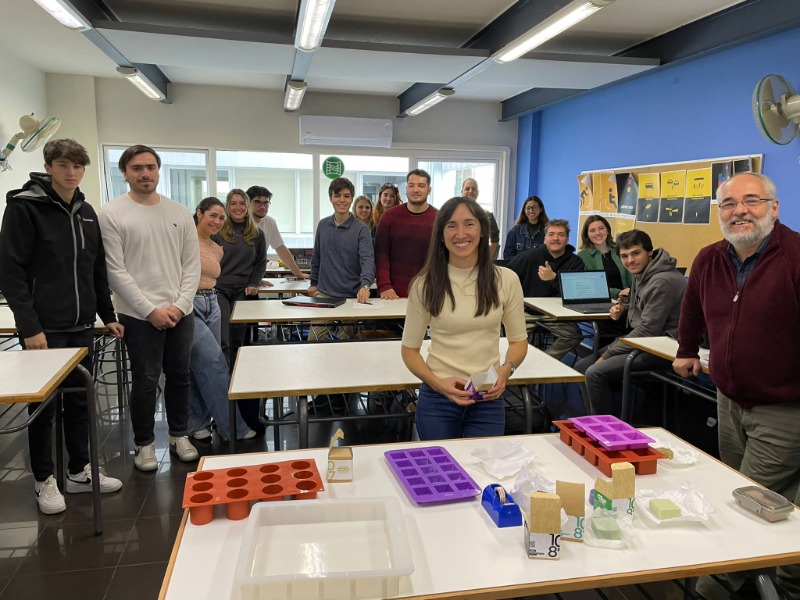
To begin with, the session began with a presentation in which Herrera provided some details about the 1087 project, showcasing some of the brand’s products and the manufacturing tools used to create them. Finally, the challenge was presented : to design a container for 1087 solid shampoos while addressing the various constraints they would face, such as raw materials and product uses, among others.
The group of students was divided into six subgroups of three to four people. At this stage, the six groups presented the state of the art regarding 1087, followed by a Q&A session so that the students could address all their concerns and begin the challenge.
“It was a very enriching experience, during which we were able to discuss with the students our concerns regarding the use of raw materials and the product’s applications, among other things,” Herrera said. In the second phase of the activity, the following week, the six groups presented a preview of their research and some designs. Regarding the event, Herrera said:
Honestly, we never imagined that the challenge we set would yield six completely different, original, and feasible solutions in just one month. We are extremely grateful to the faculty and Industrial Design students at Universidad ORT Uruguay their contributions to this project and for finding solutions to a real, existing problem faced by our consumers.
Andrea Herrera
Solution for the portability of solid shampoos for 1087
The activity was conducted in two formats: one team-based and one individual. For the Industrial Design 1 course, a team-based approach was proposed for the study of a real-world case involving a product line from the brand 1087, a startup dedicated to producing natural personal care and household cleaning products without using plastic packaging.
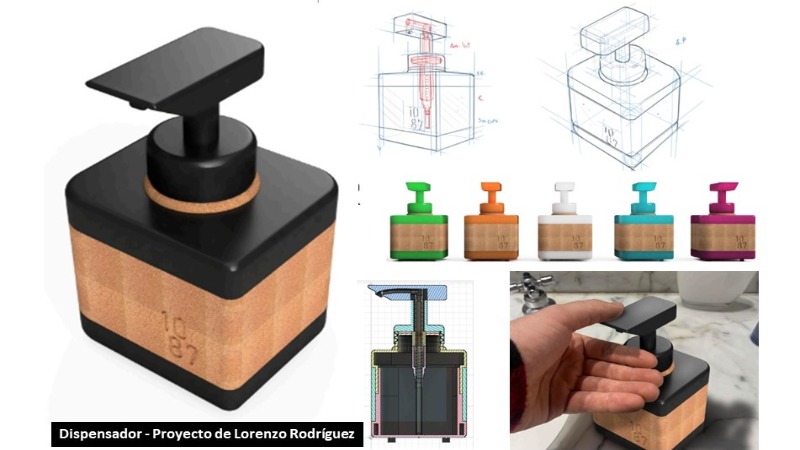
The process began with identifying the request, gathering information, and framing the approach to the project. This was followed by market research, an analysis of materials and processes, brainstorming, validation with the client, a presentation, and the preparation of project documentation and a final report.
To build on the research elements and findings, the proposal was developed as a team effort. This was followed by a period of individual reflection and the creation of a complementary product design linked to the brand.
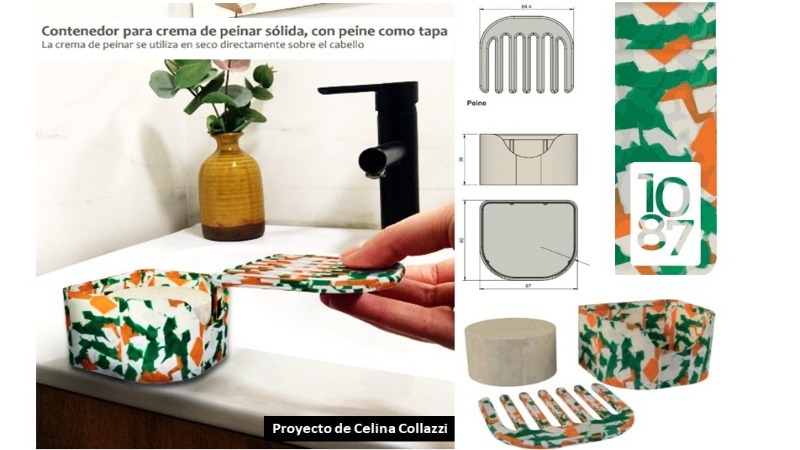
When asked about the students’ experiences and the challenges they faced during the activity, D.Ind. Oscar Aguirre, a professor in the Bachelor’s Degree in Industrial Design, emphasized that the students had to immerse themselves in the concept of the brand and the values it promotes in order to develop a product in line with those values.
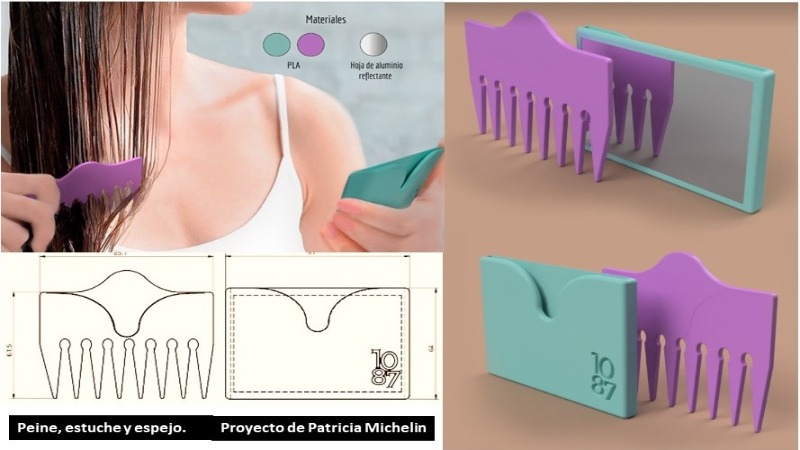
“They faced limitations in technology and materials while striving to produce a product that minimizes environmental impact while also being functional and valued by the customer,” noted Mr. Aguirre, who also summarized:
It was motivating for the students to tackle a real-world case, especially given that they had just come off two years of remote learning. They had to roll up their sleeves, test materials, gather information, and refine their ideas—all with the goal of demonstrating progress at the next meeting with the client. The client highly valued the proposals they developed, which also served as a boost to the group.
Mr. Aguirre
Yerba container / Covey
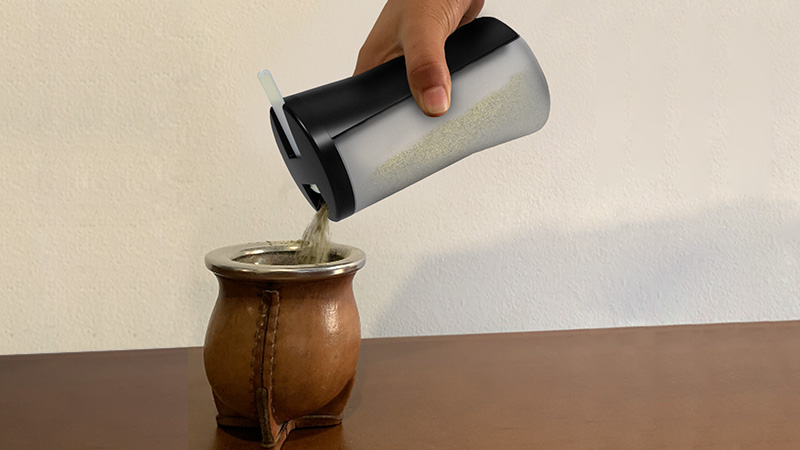
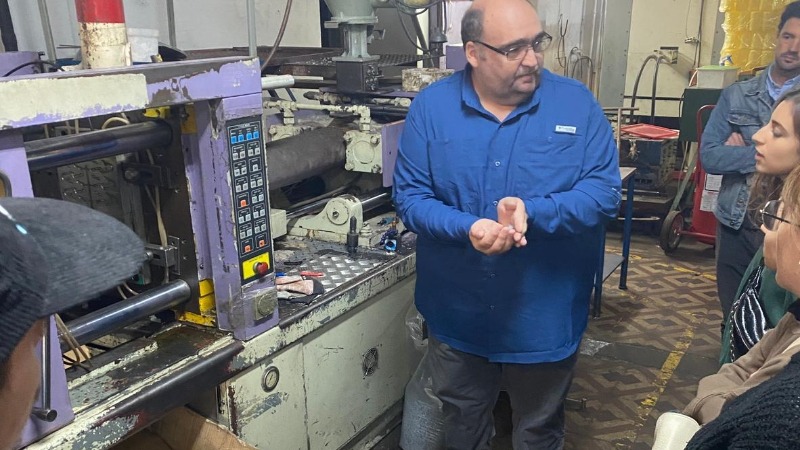
For the course in Industrial Design 3 (fifth semester), meanwhile, students worked on the design of a container for yerba mate, manufactured using injection and blow molding of high-density polyethylene, to be produced by a local manufacturer. Additionally, the company’s industrial plant was used as a production reference, and a technical visit was conducted to the facility of the company Covey.
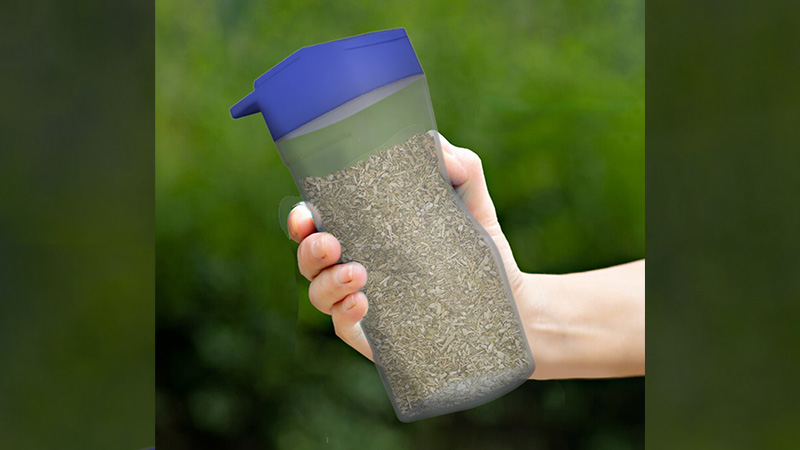
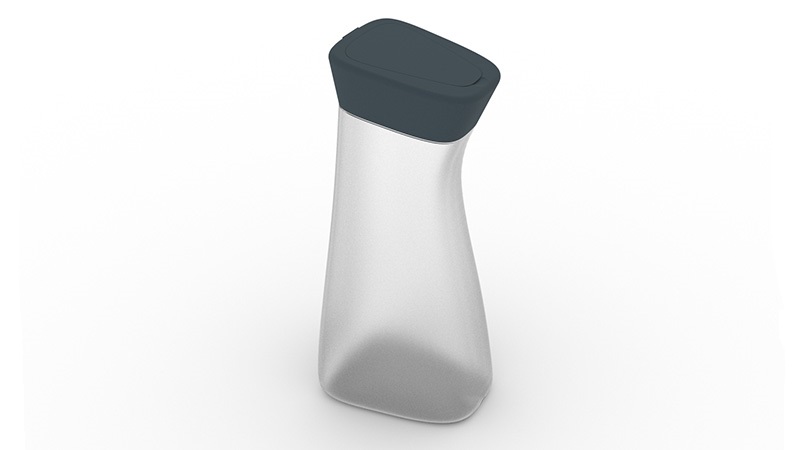
Among the challenges the students faced during this activity, Industrial Designer Maximiliano Izzi, a professor at the Bachelor’s Degree in Industrial Design, noted that the biggest challenge was adapting their proposals to the company’s technical production limitations.
“Being able to tour the manufacturing plant and speak with the company’s director helped me get a sense of the production environment in which their designs would be implemented and how to adapt them to these constraints in order to improve their production feasibility,” he added.
Regarding the evaluation of the work carried out, Mr. Ind. Izzi noted that the students’ designs successfully improve the functionality of the yerba container, giving it a more contemporary look that is in line with the new context of mate consumption.
Furniture / Soca's
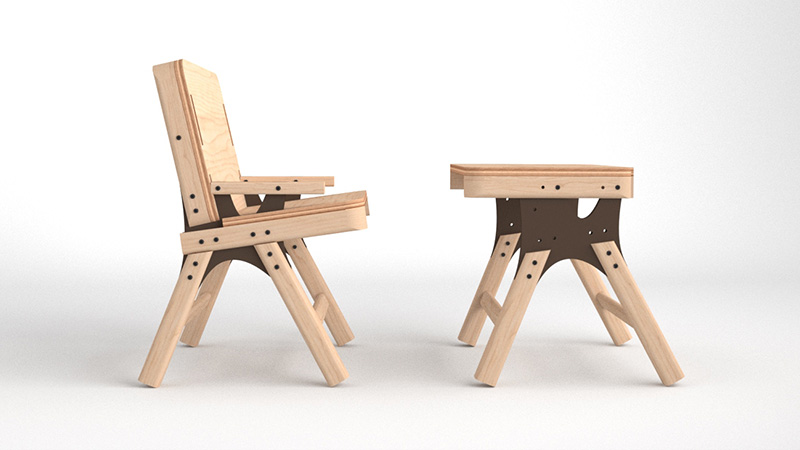
Finally, also for the Industrial Design 3 (fifth semester), students worked on designing “ready-to-assemble” furniture for home use, manufactured using CNC milling, to be produced by a local company that served as a production reference and included a technical visit to its manufacturing facility.
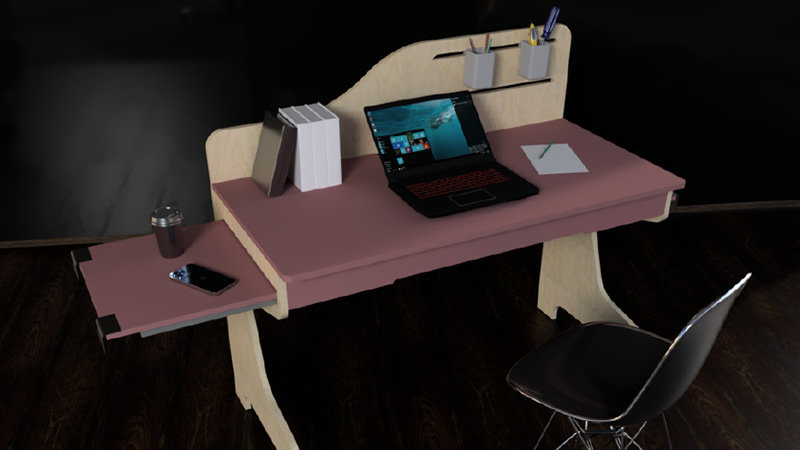
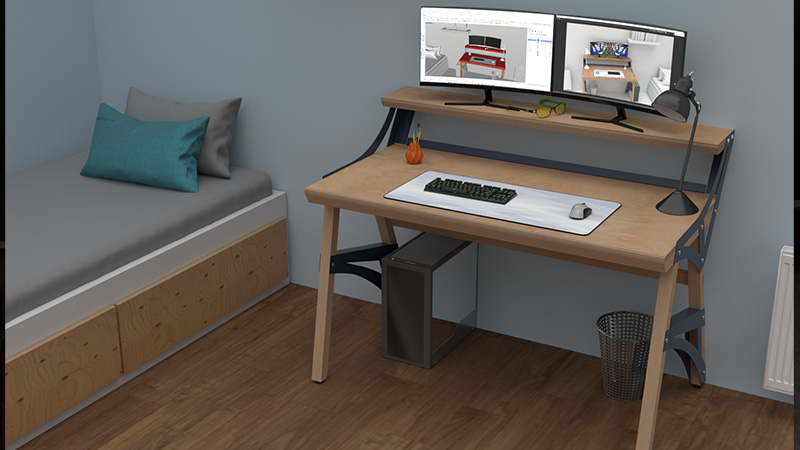
The Soca's Carpentry is known for its highly technical approach to the design and manufacturing process. In this regard, “the students had the opportunity to see firsthand how designs are translated into CNC (computer numerical control) production processes and the challenge of creating products for digital manufacturing processes,” noted Industrial Designer Izzi.
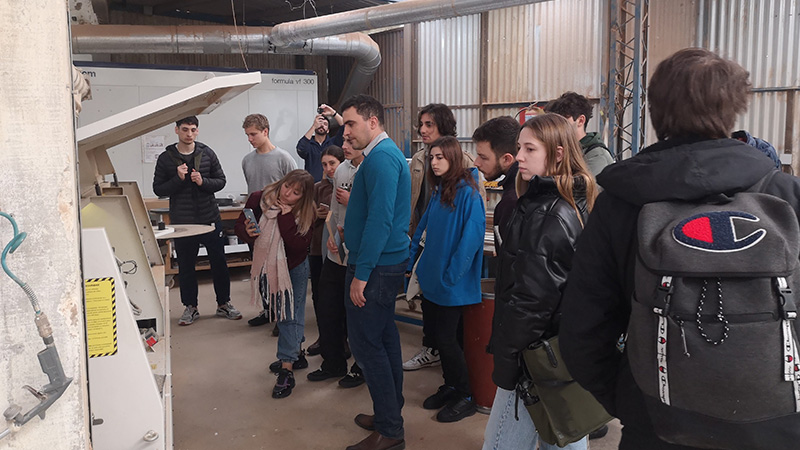
He also noted that all the projects demonstrated a solid process of ideation, prototyping, and validation, with iterative refinement to arrive at solutions that align the users’ objectives with Soca’s production capabilities.