World Industrial Design Day has been celebrated every June 29 since 2007, coinciding with the founding date of the International Council of Societies of Industrial Design (now the World Design Organization) in 1957.
With the aim of gaining a better understanding of what this profession entails, beyond a narrow definition.
We explore the wide range of opportunities available through the stories of four graduates of the Bachelor’s Degree in Industrial Design from our School of Communication and Design: Federica Fernández, Nicolás Noblía, Pablo Pirotto, and Daiana Pandolfo.
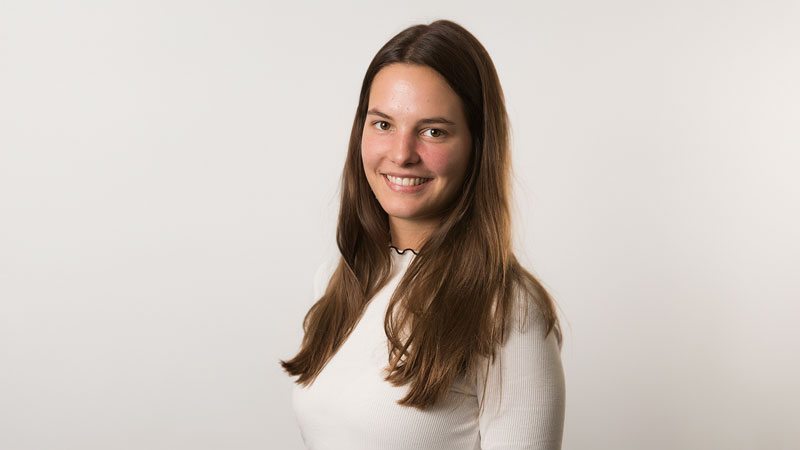
Fernández works as a mechanical design engineer at Integer Holdings Corporation, a U.S. company specializing in the design, development, and manufacture of medical devices, which in Montevideo focuses primarily on neurostimulators.
I joined the company four years ago as a mechanical design technician, and after two years (this year), I was promoted to the position of engineer.
Nicolás Noblía, meanwhile, serves as Design and Commercial Product Manager at Berlin Brands Group, a German company that brings together several brands across different product categories, specializing in the design and marketing of consumer goods through digital sales channels, primarily Amazon.
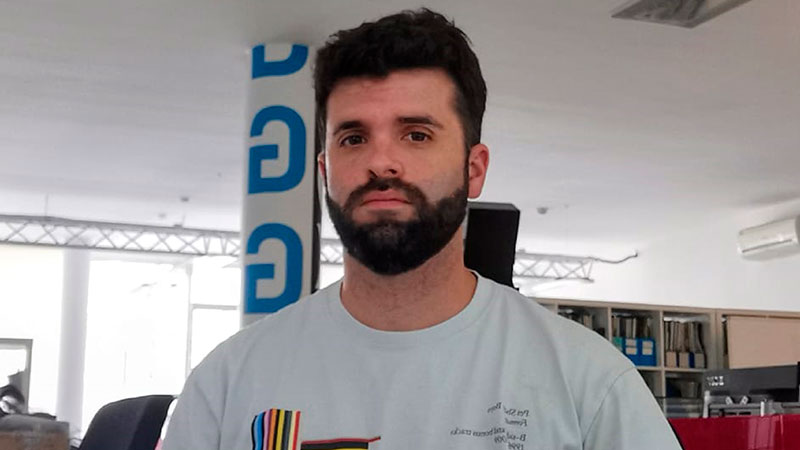
There, Noblía oversees Blumfeldt, a brand focused on the Garden & Living sector. Her role involves analyzing market data, identifying consumer trends, and understanding what consumers are looking for, in order to then begin the process of designing a product that meets the functional, aesthetic, technical, and commercial requirements of the market.
BBG is a company that embraces remote work and is currently experiencing growth, and it also combines two areas I'm passionate about: design and business.
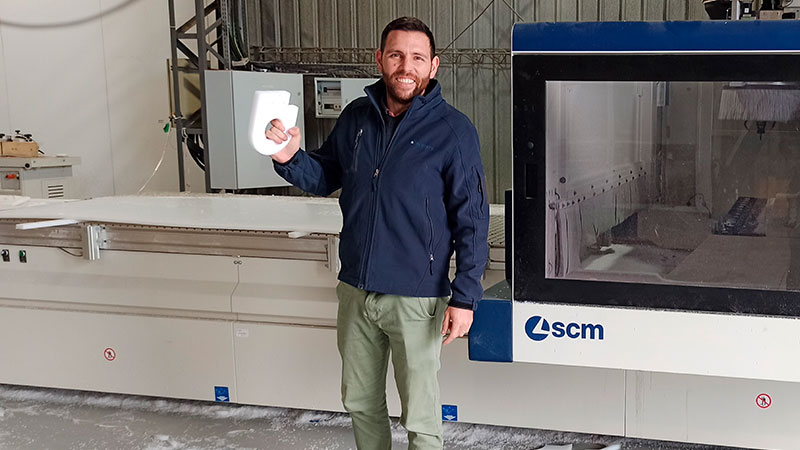
Pablo Pirotto is part of Asuan S.A., a leading Uruguayan manufacturer of red meat processing and packaging systems for Latin America, and, as of this year, a partner of Frontmatec: the world’s leading provider of custom equipment and automation solutions for the meat industry.
In his role as head of design and planning, he leads a team of industrial designers, mechanical technologists, and engineers to define and optimize the department’s workflow.
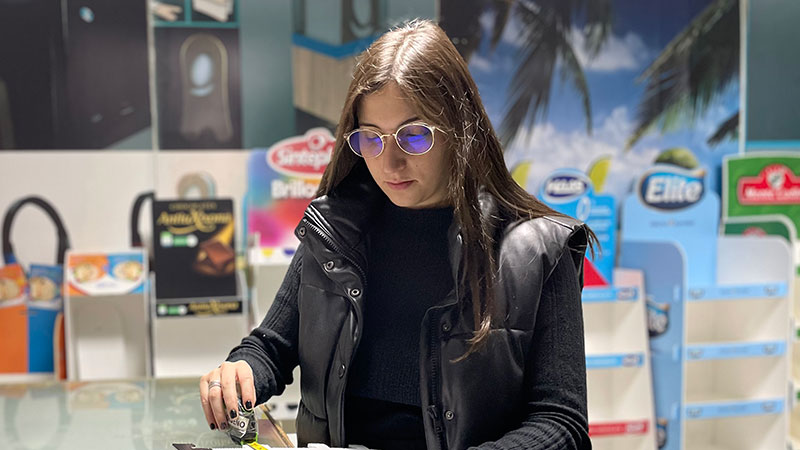
Finally, Pandolfo works in the design department at Dafelir, a manufacturer of plastic honeycomb panels (cartonplast).
She is also responsible for creating prototypes and handling production logistics, primarily the design of displays and signage, as well as the development of new projects.
The wide range of opportunities
There are many diverse specializations within industrial design, and these four designers are a clear example of this. Federica Fernández specializes in mechanical design and DFM (Design for Manufacturability),“specifically in the field of medical devices: both implantable and external.”
As he explains, this was a direct result of the direction his career took, and it allowed him to venture into an unfamiliar field—one that is not very common in Uruguay—and provided him with an opportunity for growth.
“I specialized in furniture design, starting with urban furniture because of my background in metallurgy, and then for the home,” says Nicolás Noblía, who, after developing pieces with a strong metal presence and winning the international Salao Design competition alongside Andrés Espina (also a graduate in Industrial Design from ORT) and Pablo D’Angelo (a professor at the ORT School of Design), began working on home furniture for major companies in the Brazilian market, such as Tok & Stok, Mobly, Muma, Veromobili, and others.
These days, at BBG, I’ve broadened my focus even further, since the Garden & Living category—in addition to furniture—includes subcategories such as outdoor stoves, grills, heating, cooling, and more.
Throughout his career, Pablo Pirotto has worked in various areas of industrial design, starting with custom furniture: “An incredible experience, where functionality and aesthetics come together perfectly to meet the client’s needs,” he says.
He then worked on the design of industrial equipment and piping for the metallurgical industry, as well as on the development of conveyors for the meat-processing industry, where he specialized in transfer criteria, belt behavior, and motorization for product transport.
“In my case, I’ve been working with digital printing, screen printing, CNC cutting technology, and die-cuttingfor a year now, ”says Daiana Pandolfo. She adds that she considers her specialty within the vast world of design to be product development using these technologies, and that working closely with the manufacturing process has allowed her to learn about raw materials and plastic extrusion.
The Motivation of the Industrial Designer
Each designer’s motivations and incentives can be as diverse as the number of possible specializations within the profession. For example: Noblía draws inspiration from analyzing everyday situations to create a product that reflects each user’s personality, the endless possibilities this entails, and the commercial value that each challenge brings in itself.
For Federica Fernández, on the other hand, it is the learning experience and opportunity for innovation that come with the inherent dynamism of manufacturing devices with unique features and complexities.
Pirotto’s passion lies in team management and project planning to develop solutions for people, guided by the principle of “doing things right.” Pandolfo, meanwhile, is motivated by order, symmetry, and the idea that “form follows function,” as well as the environmental impact of his 100% sustainable projects, because he wants to contribute to caring for the planet in his own way.
However, everyone agrees on the mission of industrial design: to transform people’s lives, to a greater or lesser extent. Fernández (who works with medical devices) is motivated by the responsibility that comes with her work and, at the same time, by how rewarding it is to design a device that brings about a radical change in patients’ quality of life. Along the same lines, Noblía maintains that“the possibilities are endless, but making the right decisions so that everything makes sense and creating a product that subtly improves people’s lives is a constant challenge that becomes captivating.”