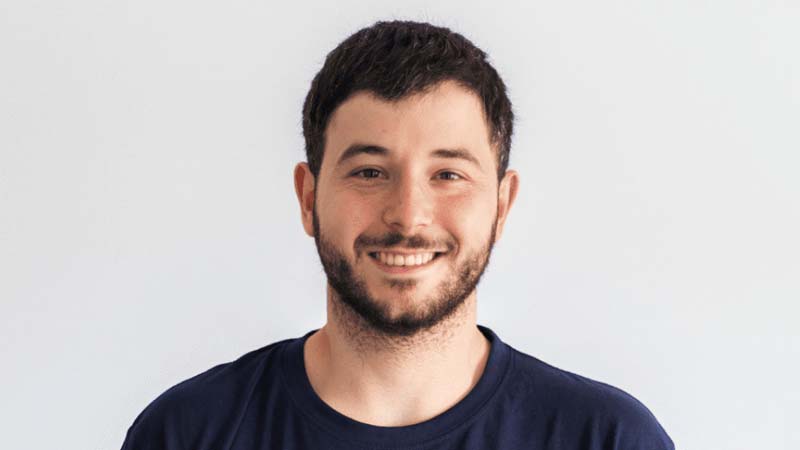
His project aims to evaluate the effectiveness of virtual reality (VR) as a complementary treatment for mental disorders.
The thesis evaluated the effectiveness of virtual reality in psychological therapy, highlighting its potential to complement traditional approaches. Marco concludes that the technology offers new opportunities in psychotherapy, although it still faces challenges such as cost and widespread implementation.
Why should we care about mental health and virtual reality?
“I wanted to do something different, something that combined technology with social impact,”Marco said. Initially inspired by a desire to explore alternatives for treating addictions such as smoking, he decided to broaden his scope to include more prevalent disorders such as anxiety, phobias, and post-traumatic stress.
“Mental health is a global issue. According to data from the Pan American Health Organization, in 2019, 970 million people suffered from some form of mental disorder. Uruguay is no exception to this reality, and I feel that VR could provide useful tools in this context.”
The research approach: from the scientific literature to local experts
Marco's work combined a comprehensive review of the scientific literature with interviews and surveys of mental health professionals. To do this, he used tools such as the PubMed platform, which allowed him to narrow down more than 24,000 initial articles to an analysis of 87 relevant studies.
“I interviewed local psychologists and distributed surveys that yielded 15 responses. Although this is a small number, it indicates a positive attitude toward the use of technologies such as VR in therapy,” he explained. “Many professionals see potential in these tools, provided their effectiveness can be demonstrated.”
What does virtual reality bring to treatment?
The key findings highlight the positive impact of VR in the treatment of certain disorders, particularly in exposure therapy. These therapies allow patients to gradually confront their fears or traumas in a controlled and safe environment.
“For example, someone with a fear of spiders might start by viewing a virtual representation of the spider from a distance, and then move on to closer, more interactive levels. VR facilitates this gradual exposure,” Marco said.
Another interesting application is the use of avatar therapy for patients with schizophrenia, where VR helps simulate scenarios that allow the therapist to address auditory hallucinations in an immersive way.
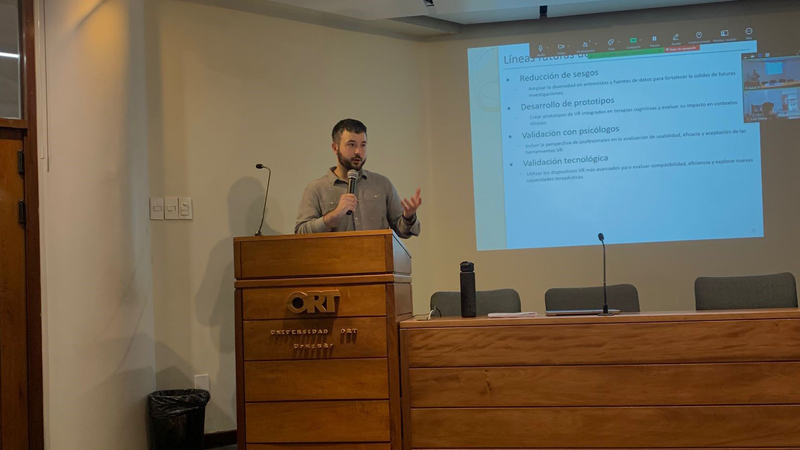
Technology Adoption: Barriers and Opportunities
A key challenge in implementing VR in psychotherapy is the cost of the devices. “The most advanced headsets, such as the Apple Vision Pro, cost around $3,500, which is out of reach for many. However, there are more affordable options, such as those from Meta, which cost around $500, or even basic alternatives that work with smartphones,” he explained.
Projections: The Future of VR in Psychotherapy
Looking ahead, Marco envisions virtual reality as an integrated complement to traditional therapies. “It won’t replace the therapist, but it could be a tool to enhance sessions, especially in remote settings.”
He also mentioned the possibility that professionally validated apps could allow users to practice certain therapies on their own, guided by the software, when they are unable to see a therapist.
Lessons Learned and the Value of Research
“What struck me most was the intersection between partially digitized fields, such as psychology and technology. As engineers, we’re often used to programming without understanding the human impact of what we do. This thesis allowed me to broaden that perspective,” Marco reflected.
He also emphasized the importance of conducting a literature review before embarking on the practical development: “Understanding the state of the art and current challenges is key to approaching any project in an informed manner.”
Would you recommend writing a research thesis?
“Absolutely. It’s a different kind of challenge than what we’re used to, but it broadens your horizons and connects you with important social issues. I think any systems engineering student should consider it.”
With a thesis that combines technological innovation and social relevance, Marco Fiorito demonstrates how engineering can be a tool for improving lives, even in areas as sensitive as mental health.