Martín Sommaruga and the Founding of Rufina
Martín Sommaruga, who holds a bachelor’s degree in graphic design from the School of Communication and Design at Universidad ORT Uruguay—where he served on the faculty for a decade—is the creator of Rufina, the official typeface of the British royal family.
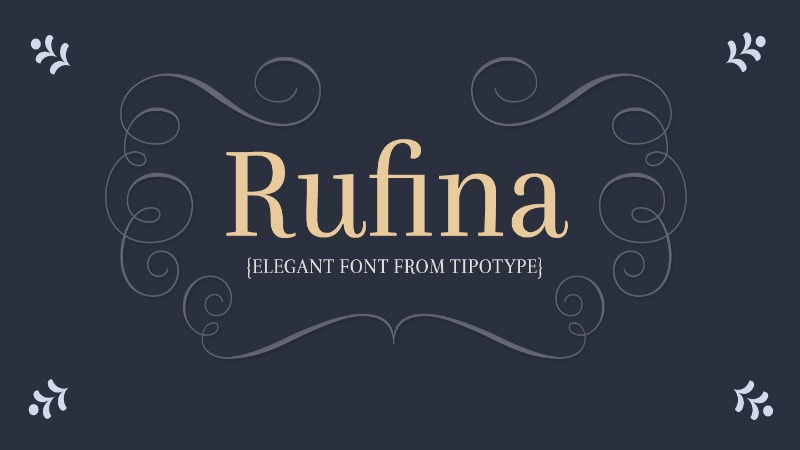
Since 2000, he has been in charge of the graphic design department at Montevideo COMM, and in 2009, together with Vicente Lamónaca, academic coordinator of the Graphic Design program at Universidad ORT Uruguay, he founded Tipotype, Uruguay’s first typographic foundation.
After completing his Bachelor’s degree in Graphic Design, driven by curiosity, in 2010 he began designing typefaces so that other designers and people could use them.
That same year , he designed his first typeface, Rambla, which was used, for example, in the new design of the Uruguayan national ID card. His second typeface, meanwhile, was Rufina, which is currently used by the royal household for all official communications.
The typographic elegance of Rufina
Formally speaking, Rufina is a typeface grounded in historical research, reminiscent of calligraphy and characterized by its elegance. In this regard, Mr. Sommaruga noted:
Rufina is a typeface that draws inspiration from various elements spanning different eras in the history of typography, from Roman to modern styles, such as Bodoni. It began as a learning exercise, and almost before I knew it, it had evolved into a typeface family.
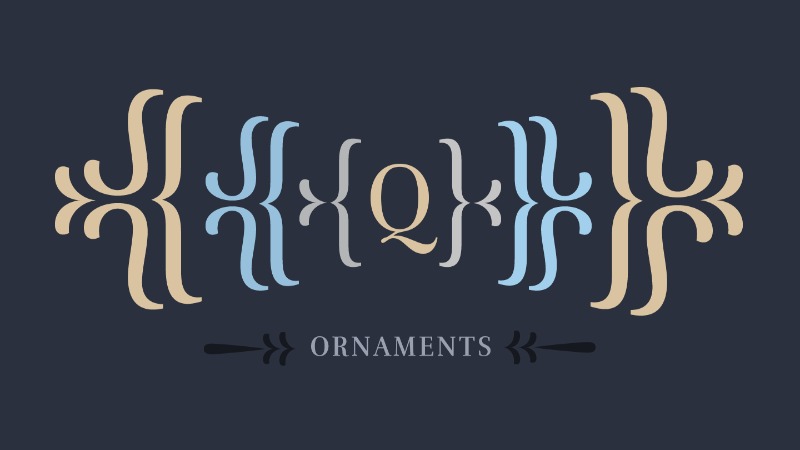
The family includes two weights (Regular and Bold), their italic versions, and two alternative versions with calligraphic features. It also includes a set of pictograms and ornaments.
Speaking about Rufina’s creative process, Mr. Sommaruga recalled:
During the design process, I examined and analyzed various structural characteristics and proportions throughout the historical evolution of typography. For example: the proportions of uppercase and lowercase letters and their relationships, the different types of serifs and their terminations, the angles of the structural axes, contrasts, etc. And I gradually developed my own approach to applying these principles.
These characteristics led the British royal family to choose it for use in all direct and official communications. The place where the use of this typeface is most evident and has the widest reach is on the royal family’s official website.
- You might be interested in "Letter Design: Differences and Similarities Between Typography and Lettering."
On the screens at the iconic Piccadilly Circus intersection—one of London’s most popular corners—every message is displayed using Rufina. The font is also used on letterheads, invitations, and other communications from the royal family. Following the death of Queen Elizabeth II, Rufina was also used in the obituary and in all official and press communications.
In addition to the striking typographic elegance of the font designed by Martín Sommaruga, the royal family’s communications team’s choice of Rufina demonstrates that, in the age of data and information, there are no longer any geographical boundaries. In today’s hyper-globalized world, it is possible to access any market, including that of the British royal family.