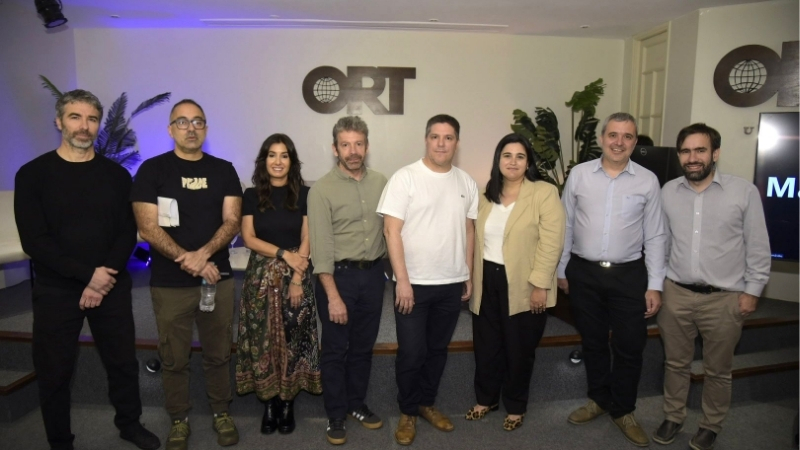
From October 22 to 24, 2025, the School of Communication at Universidad ORT Uruguay together students, faculty, researchers, and industry professionals for theSecond InMediaciones de la Comunicación Conference, an event that established itself as a forum for dialogue and experimentation on contemporary challenges in the media field.
Over the course of three days, there were panel discussions, workshops, and presentations focused on artificial intelligence, media ethics, and changes in the digital ecosystem.
The main objective was to strengthen the ties between the university, the media, and the creative industries, while promoting critical thinking and applied innovation.
Academic presentations and emerging talent
The conference kicked off with a presentation of outstanding projects by studentsand graduates from the Business Communication, Advertising and Marketing, Audiovisual, and Journalism programs.
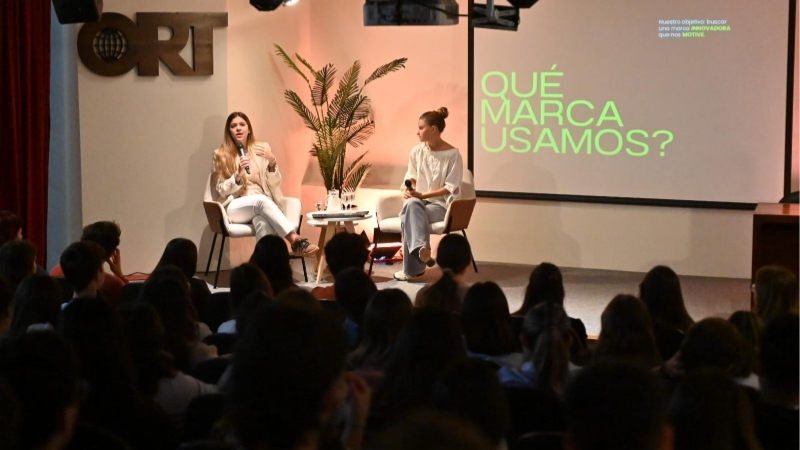
These events provided an opportunity to showcase the academic and creative work of future professionals, who shared their processes, strategic approaches, and lessons learned in conversation with faculty and alumni.
In addition, theCommunication Research Centerpresented its first report on information consumption, perceptions of artificial intelligence, and trust in the media in Uruguay.
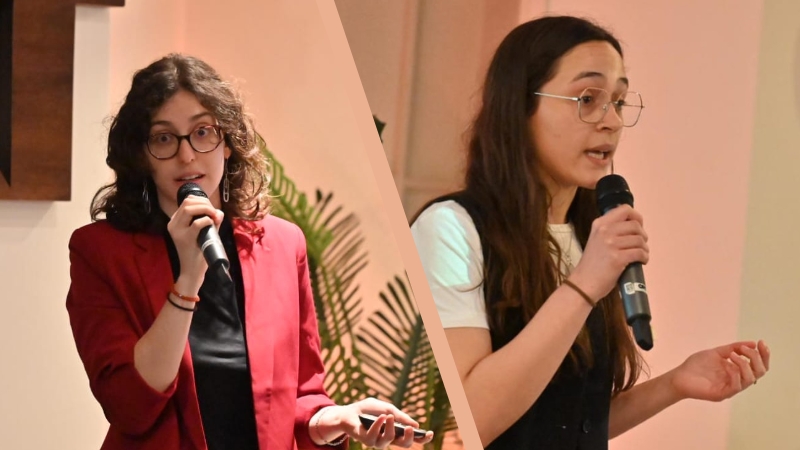
The study provided an empirical look at how Uruguayans stay informed and view the role of the media in a context of growing technological influence.
Vocational Education: Identity, Creativity, and Critical Thinking
Practical training played a prominent role in the conference. In the workshop“Personal Branding: Your Voice, Your Value,”consultantNatalia Susterproposed a practical approach to building a coherent and authentic professional identity, exploring the value of personal communication in both workplace and digital environments.
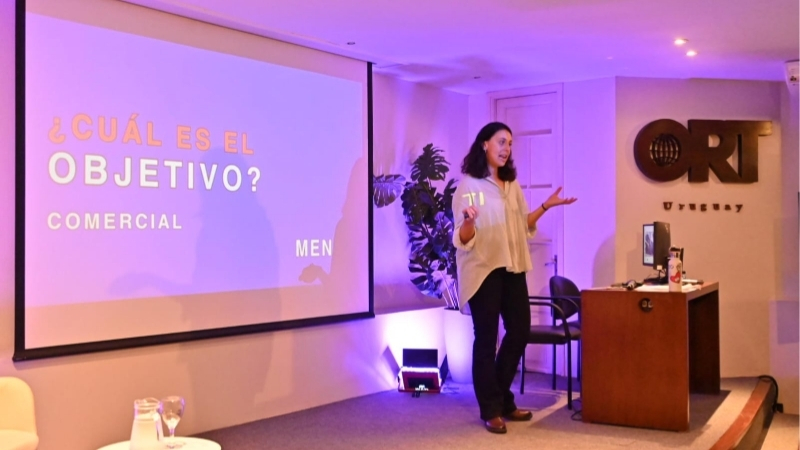
For its part, the event organized by theUruguayan Advertising Circle (CUP) and theNotableagencygavestudentsa glimpseinto the professional world through real-world case studies, creative strategies, and mentoring.
The event highlighted the role of collaboration and creativity as driving forces in the advertising industry.
Romina Calcagno’s presentation,“Thinking About What We Think: Biases, AI, and Creativity,”prompted a deep reflection on how cognitive biases influence both human processes and artificial intelligence algorithms, and how they can affect idea generation and decision-making in the creative field.
Google: Innovation and Ethics in Action
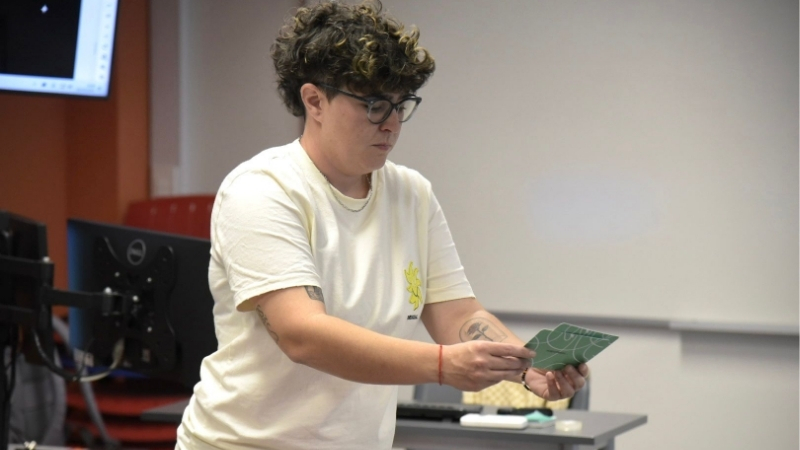
Among the most notable events was theGoogle News Initiative's IA Prototyping Sprint, facilitated by the international team atFathm Ltd.
This workshop enabled Uruguayan media outlets to develop artificial intelligence prototypes for use in their newsrooms, exploring concrete solutions to improve efficiency and innovation in journalistic processes.
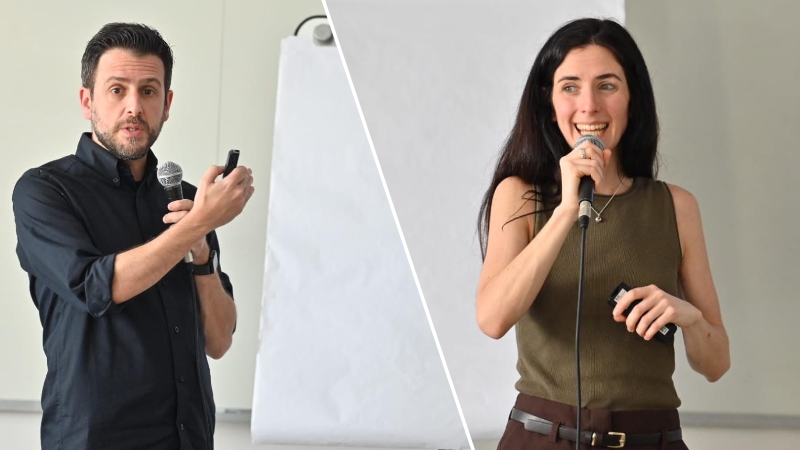
Meanwhile, the team fromChequeado, a leading Argentine fact-checking outlet, arrived in Montevideo with support from the European Union tolead the workshop“ChequIAr in the Age of Disinformation.”
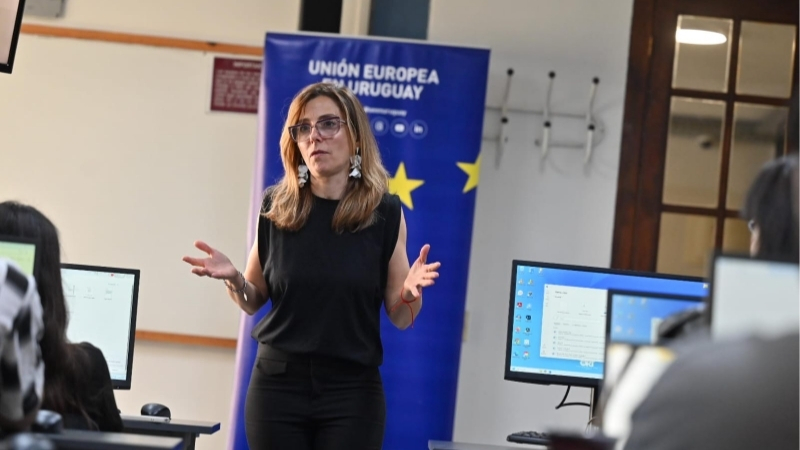
The event explored strategies for detecting and combating misinformation, promoting an ethical approach to the use of AI in the production and dissemination of news content.
International Debate: Creativity and Culture in the Age of AI
The panel“Creativity in the Context of AI: Impact on Cultural Industries,”featuring Martín Becerra, Federico Beltramelli, Valentina Moré, Juan Robledo, and Jimena Hernández, and moderated by Lautaro Cossia, offered an interdisciplinary exploration of the convergence between technology, creativity, and culture.
The speakers discussed how artificial intelligence is redefining creative processes, cultural production, and workplace dynamics in the audiovisual and communications sectors.
Voices from the Faculty: Learning and Community
The event was opened byFrancisco Arri, the academic secretary, who emphasized the importance of these opportunities as part of a well-rounded education:
Taking advantage of these opportunities means understanding that part of the college experience takes place outside the classroom. It goes beyond the teacher-student relationship and also happens in activities like this one, where recent graduates share their experiences.
The Dean of the School of Communication, Dr. Esteban Zunino, highlighted the importance of the event as a bridge between academia and the media: “This event aims to do just that: open the doors of the School so that academia can engage in dialogue with the professional world.”
Since its first edition, the InMediaciones Conference has sought to establish itself as an annual event that combines research, education, and critical reflection.
Looking to the Future: Research and Critical Thinking
The closing ceremony reaffirmed the School of Communication’s commitment to critical thinking, technological innovation, and engagement with the professional community.
“These types of activities strengthen the ties between stakeholders in the media ecosystem, fostering innovation and ethical reflection on the use of artificial intelligence.”
The academic journal*InMediaciones de la Comunicación*served as the scientific and editorial platform for the event, dedicated to the study of changes in communication.
His presence reinforced the School’s commitment to integrating research, teaching, and professional practice in an ongoing dialogue with the challenges of the present.
- You might be interested in:First InMediaciones Conference on Communication