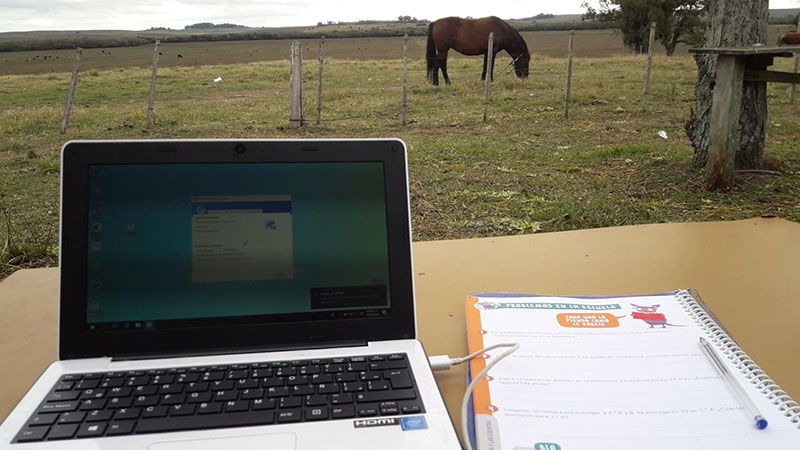
Was the health crisis an opportunity to modernize education? Or are we still facing the same challenges and problems we had before the pandemic?
The health crisis presented a great opportunity to integrate technology into daily life and explore its effective applications. These changes are part of a modernization initiative that must continue in order to address current challenges and those that will arise in the future; however, this must be done with the ongoing support of teachers to bridge the gap created by periods of remote learning.
After two years of COVID-19, what lessons have we learned? Of all the measures we’ve implemented and lessons we’ve learned, which ones can we continue to apply in the classroom in the future?
The lessons are countless: ranging from personal insights into our own capabilities to the significant opportunities for change and innovation that were there but that we were unable to effectively implement. The process of ongoing teacher training must continue so that this knowledge can be brought into the classroom in the future.
- You might also be interested in reading: "Formal, Inclusive, and Emotional Education: Three Pillars of the Contemporary Classroom"
And what, exactly, should we definitely stop doing in class?
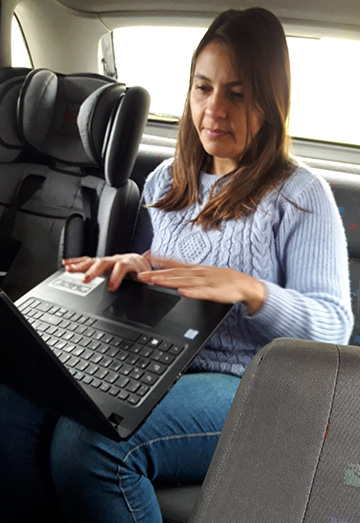 We should stop “teaching.” Instead, we should focus on fostering independent learning—or, at the very least, the ability to make decisions.
Thinking about the students who experienced the closure of schools and that emergency remote learning, what distinctive and positive traits do you think they will have in 20 years’ time, compared to other generations?
The positive aspect is the growing recognition of the value of educational institutions and their teachers, as well as the opportunities for exchange with their peers.
Are there any skills or areas of knowledge that they haven’t developed as a result of the pandemic, the closure of schools, and the lack of in-person instruction?
At the elementary school level, challenges increased, particularly with regard to the acquisition of knowledge and skills in language arts. It was observed that daily instruction—both in terms of sequencing and in-depth coverage—was insufficient when it came to individualized attention. This led to learning gaps among children from low-income households and those with pre-existing learning difficulties.
What do you think teachers should focus on today in order to address the consequences of pandemic-era education?
It is important to focus on the key aspects of the subject matter and how they apply to everyday life, helping students see how the content or skills they are learning can be applied, as well as providing emotional support.