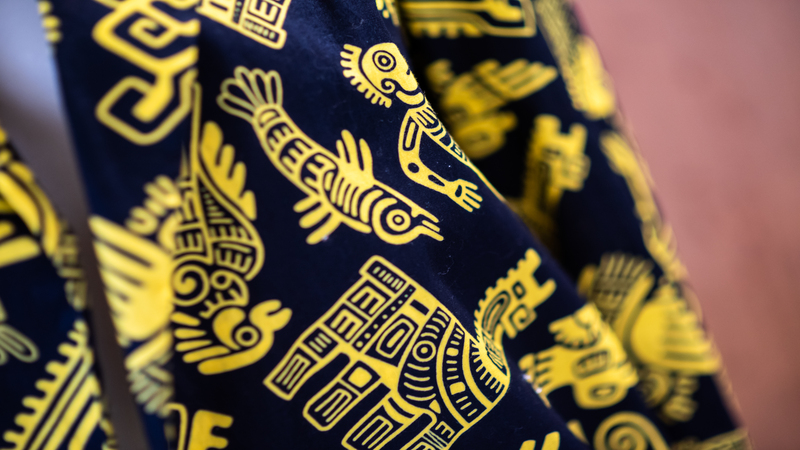
This event was organized by a group of communication students as part of the course "Event Planning, Sponsorship, and Patronage" in the Public Relations and Event Management program.
The event was hosted by Virginia Machado, a student in the Corporate Communication and Public Relations Analyst program, and moderated by Keitla Pallero and Agueda Farias, students in the Corporate Communication and Public Relations Analyst program and the Public Relations and Event Planning Technician program, respectively.
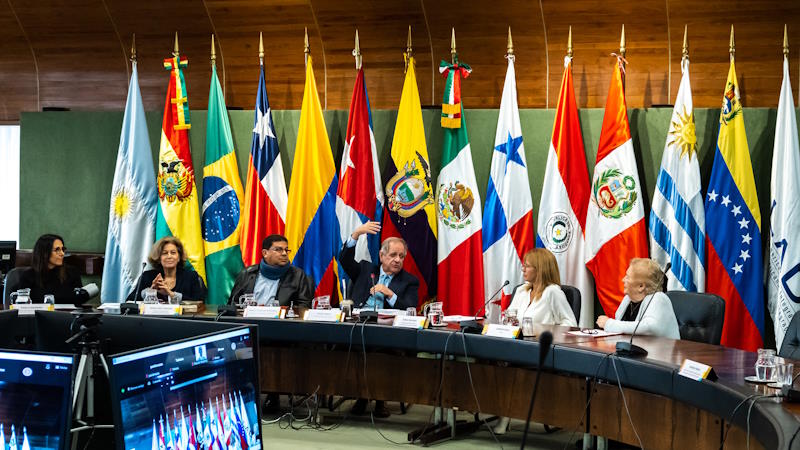
The event aimed to foster a discussion about fashion as a form of artistic expression, the place the discipline has earned in museums, and the role of the various cultural actors involved in this expression of an era’s identity.
In this context, prominent speakers shared their perspectives on the motivations, opportunities, and challenges involved in designing and merging the worlds of art and fashion within these iconic spaces. The symposium provided a forum for reflection and inspiration, where participants discussed how design and fashion can enrich the visitor experience in museums, fostering interdisciplinary dialogue and new forms of cultural appreciation.
Fashion, Culture, and History
The event began with remarks by Sergio Abreu, Secretary General of the Latin American Integration Association (ALADI), who expressed his pleasure at participating in and hosting an event that builds bridges of dialogue between academia, art, fashion, culture, and inspiration as a form of spiritual expression.
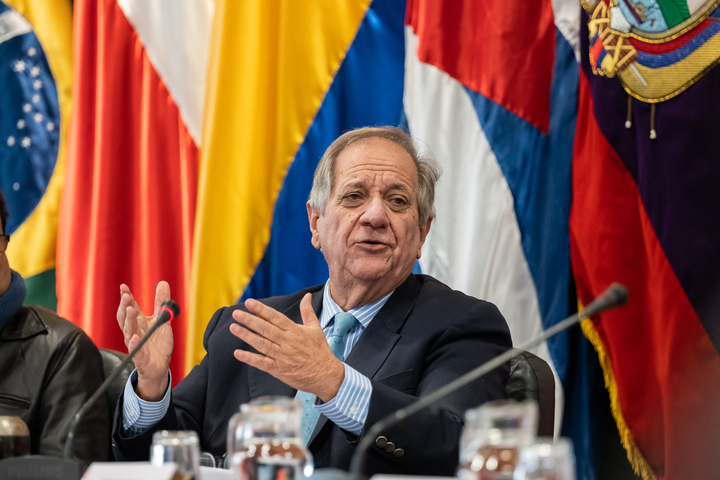
Next to speak was Carlos Aguilar, who has served as the Ambassador of the Republic of Panama to Uruguay since April 2022. Aguilar stated that, as an expression of culture and identity, the clothes we wear tell stories and“have a lot to do with heritage and traditions.”
He also emphasized how the realization that the production and design of garments—as a folk practice among certain indigenous peoples —constitutes an art form and, as such, a worldview that must be preserved, has enabled museums to undergo a transformation today. In this regard, he noted:
“It is very important to us that all forms of cultural expression have a place not only in glamorous settings, but also in academia and museums.”
Carlos Aguilar
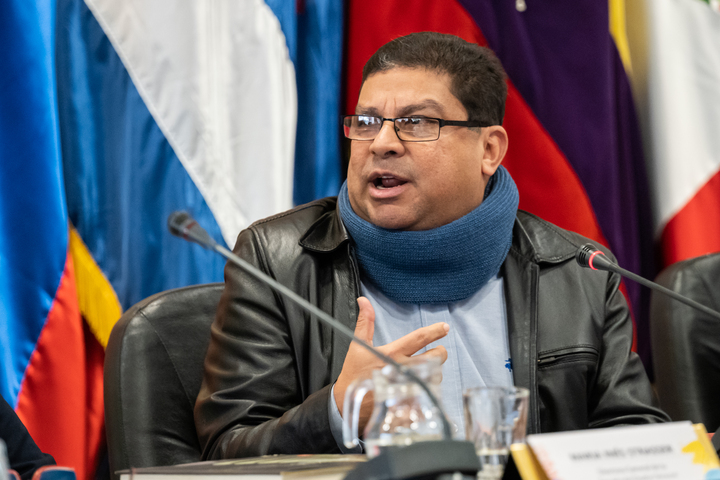
María Inés Strasser, a designer and researcher in the fields of design, art, and fashion, revisited the historical perspective of fashion design and how it has directly influenced modern societies—for example, during World War II.
The researcher traced the history of museum exhibitions, noting how fashion designs were gradually incorporated into them and what this integration meant in each era. She also emphasized the importance of professional training and the development of a collection so that fashion can gain a foothold in spaces of high cultural value, such as museums, and effectively convey its messages.
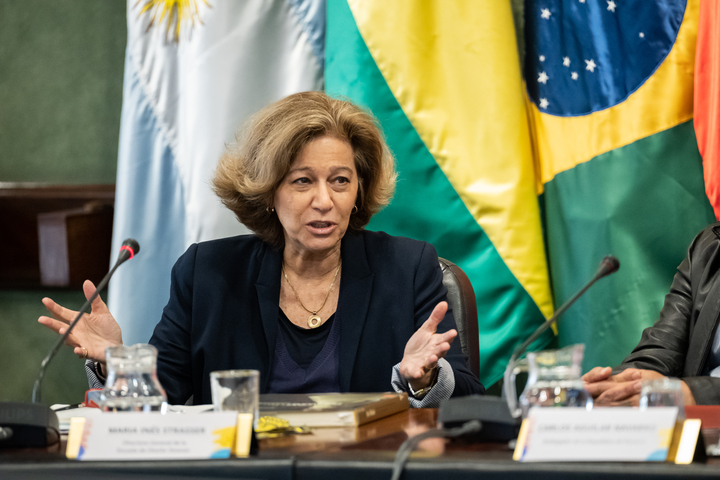
Fashion relies on cultural influences to express itself in the best possible way.
María Inés Strasser
For her part, Sonia Fontans, who holds a degree in International Relations from the University of the Republic and has, among other things, served as events coordinator at the Museum of Pre-Columbian and Indigenous Art (MAPI), echoed some of Aguilar’s points and emphasized the importance of restoring the cultural value of the artistic works of indigenous peoples.
In this regard, Fontans emphasized the importance of appreciating the narratives behind pre-Columbian artifacts, while lamenting that many museums still hold a conservative, canonical, and elitist view of the collections that should be displayed in museums.
In contrast, Gisselle Mazarino, a student in the Corporate Communication and Public Relations program, expressed her dissatisfaction with museums as venues for fashion exhibitions; however, she acknowledged the historical and cultural value of these spaces.
Finally, Carmen Roza, an actress, teacher, and psychologist, highlighted the importance of new technologies in expanding museums’ reach today, in the digital age. Roza shared her experiences conducting virtual tours of museums and placed special emphasis on the value and contribution these spaces offer in terms of history, art, and culture. “Museums are living history,” Roza noted.