The film *La estrella* —produced by student Virginia Hinze—won the Best Fiction Feature Film Production Award. The jury stated: “Artistically and technically sound, delving into the personal struggles of a successful soccer player, while keeping the sport itself off the field.”
In the Feature-Length Documentary category, the award went to *Tierra de niños*, directed and produced by Carolina Campo. The jury’s statement reads: “For creating a space that is both innocent and unsettling, where the imagination, spontaneity, and playfulness characteristic of childhood coexist with loneliness, uncertainty, and latent violence. A space where children have the opportunity to represent themselves, where their voices and actions shape the audiovisual narrative, rather than the discourse of the adult world. The project confronts us with the uncertain fate we face as a society when we leave children behind.”
That whisper
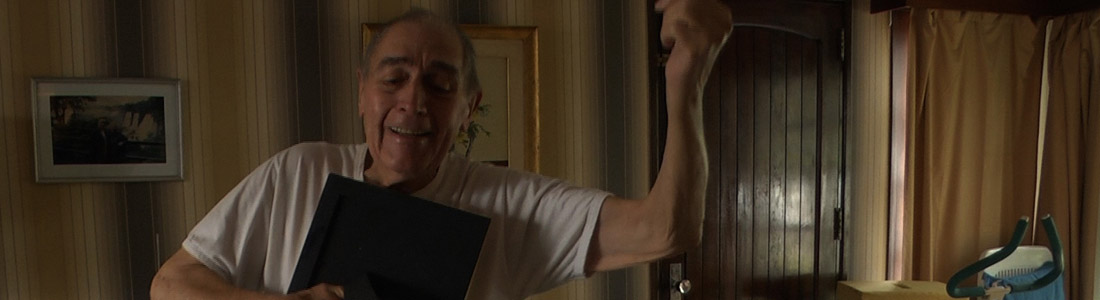
In the same category, the film *Ese soplo*—directed and written by Valentina Baracco, a senior in the Bachelor’s program—also received an award. The jury noted: “It offers an intimate, emotional, and honest portrayal of the bond between the director—a granddaughter who films—and her grandfather, who dreams of preserving his life through cinematic memory. A work born of the tension between the camera that captures and the passing of time, portraying attachment and separation, affection and inevitable loneliness, but above all, the desire to be alive.”
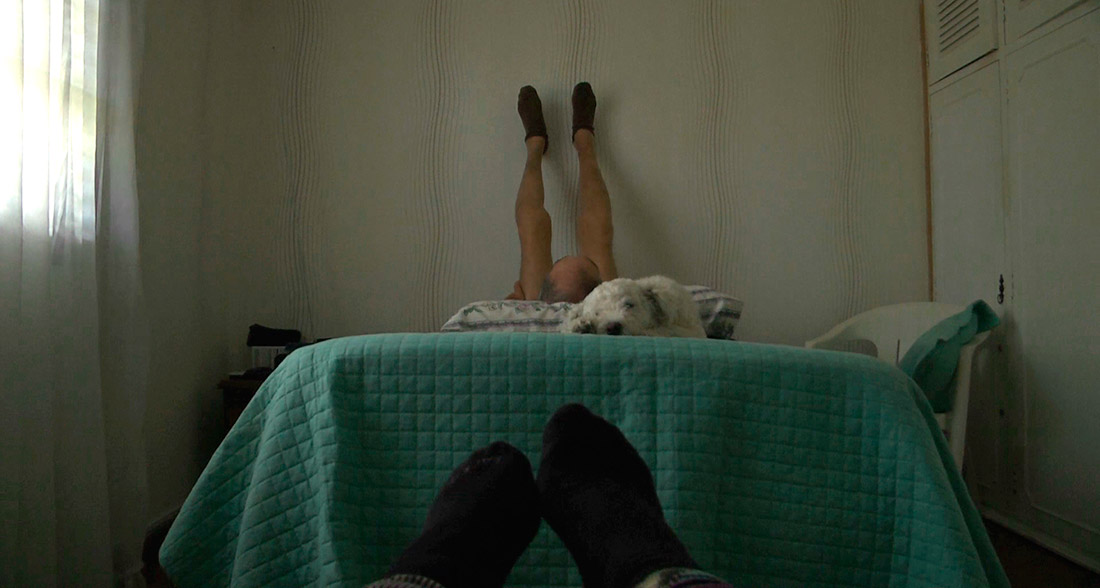
“Ese soplo” is currently in production. “This grant allows us to shoot the film this year,” said Baracco. “Beyond the financial aspect, it’s a great recognition of the film; it lends it prestige and helps us seek funding abroad to complete it, as well as providing the prestige needed to submit it once the film is shot and has a rough cut. The backing of national funds is extremely important in the development of a project.”
"This project is being filmed thanks to the support of a great team of people who have contributed resources, equipment, and hard work," the producer noted. "Getting this far is the result of many years of hard work and doing things with passion, because we love what we do."
“My grandfather Fernando, at 88 years old, wants us to make a film about him, and he’s asking me to help him make it happen,” Baracco summarized. This project aims to reflect on loneliness in old age and his attempt to connect with other generations. “The film becomes an attempt to combat that loneliness, with the hope of succeeding. I believe the importance of this documentary lies in this very point, since, through the portrayal of this intimate relationship between a grandfather and a granddaughter, it highlights the idea and need for understanding between these two generations, in a society where the elderly—valued for their life experience—watch life pass them by. I believe that one of the things that most motivated me to make this film is the desire to be alive that I think it conveys.”
Perkal: The Memory of a Name
Also produced by Baracco, *Perkal: The Memory of a Name* received a Special Mention in the feature-length documentary category “for its fresh, intuitive, and warm take on a story involving illness, migration, tragedy, and the challenges of building an identity.”
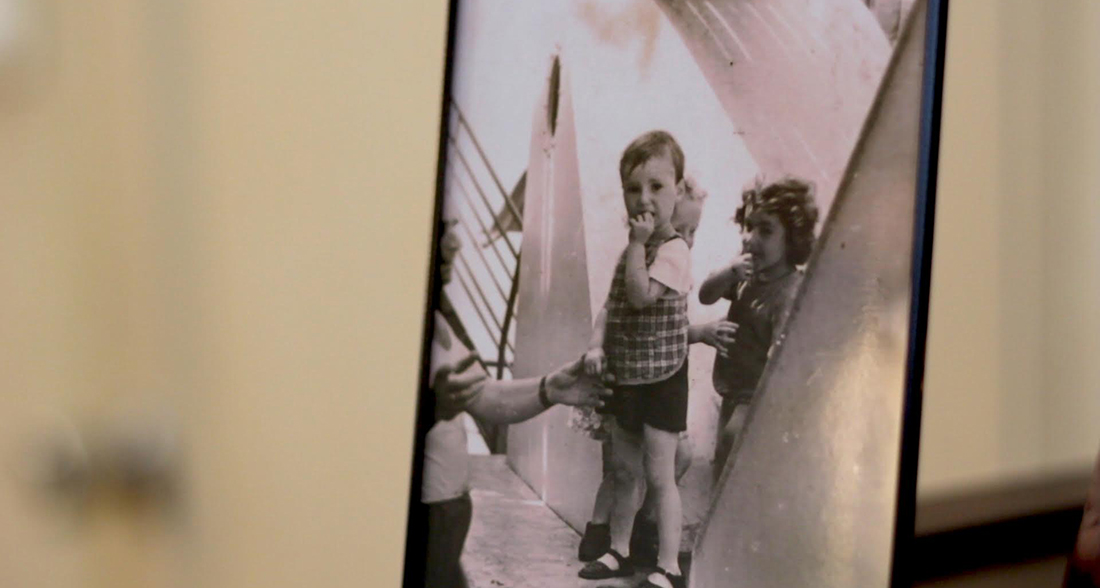
“The photo of a boy boarding a boat, leaving a war behind—horrors that were never spoken of again. Sixty-five years have passed since that photo was taken, and the boy, my father, is now battling cancer. The story of my time leads me to rethink my family history and connect with a silenced past. I pick up my camera to try to piece together what has been forgotten and left unsaid.” This is how Paola Perkal introduces her feature film, which is currently in development.
Perkal was part of the DocMontevideo pitching program in 2016 and won the award presented by DokLeipzig, which allowed him to attend the festival’s market, forge partnerships, and travel to Poland to film.
“The recognition we received from the ICAU Development Fund not only brings prestige and helps us secure new funding, but also ‘shows that we have a solid project on our hands,’” the producer notes.
Swap meet
In the TV Documentary Series category, the awards went to *Cambalache*, co-produced by Baracco. The jury praised its “fresh and original take on the world of tango.”
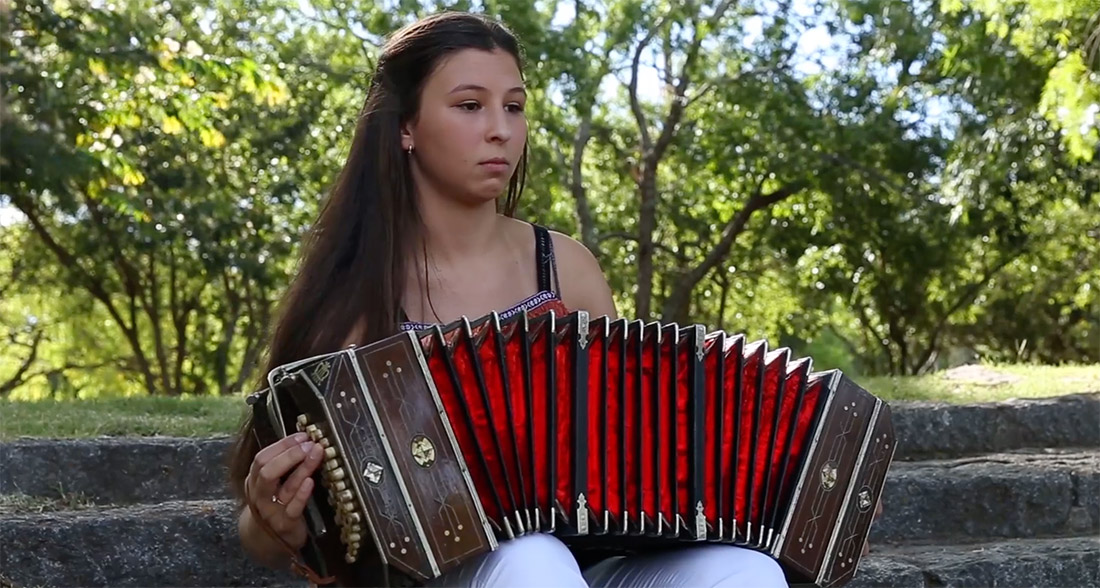
This is an eight-episode documentary series that aims to portray the current state of tango through its transformations throughout history. “The central thread of the entire series will be Rosalía, a tango enthusiast who accompanies the characters in each episode, observing, asking questions, and sharing this passion, so that together they can build and narrate the Uruguayan tango scene. The characters will be a diverse group of people who are part of this scene.”
“We’ll explore their connection to tango through their daily lives, focusing on the small details that link them to this passion, and sharing simple stories that resonate with the audience, making this phenomenon feel familiar and accessible.”
"Cambalache" is produced by Baracco and Eugenia Olascuaga, and directed by Rosalía Alonso. “We are currently working on developing the series, negotiating with other institutions, and expanding the project, and we plan to begin filming in the second half of this year.”
Through the eyes of a filmmaker
*Ese soplo*, *Perkal*, and *Cambalache* are produced by Monarca Films, a production company founded by Valentina Baracco in 2011, which partners with other companies to create audiovisual works for film and television “with sensitivity and an auteur’s vision.” Baracco recalled that in 2018 Monarca Films released Ópera prima,a feature-length documentary directed by Marcos Banina and co-produced with Crepitar Estudio. She added that they are currently editing Hasta caer, Juan Ignacio Monteverdi’s first feature-length fiction film.
The resultswere announced on April 20, 2018, and a total of twelve audiovisual projects were awarded grants. Collectively, they received 21 million Uruguayan pesos.