The publication brings together works by landscape architects from different countries across the continent who address current environmental and social challenges through landscape design. The presence of “Wild Butterflies” in this collection highlights an initiative developed in Montevideo that combines native vegetation, butterfly migration, and citizen participation in public spaces.
IFLA is a global federation that represents 80 national associations from Africa, the Americas, Europe, Asia-Pacific, and the Middle East, whose mission is create sustainable and balanced living environments worldwide for the benefit of humanity. The inclusion of the project in this selection positions Paula Rial’s work within an international framework linked to the regeneration of landscapes and perspectives in the Americas.
The “Wild Butterflies” Project in Montevideo
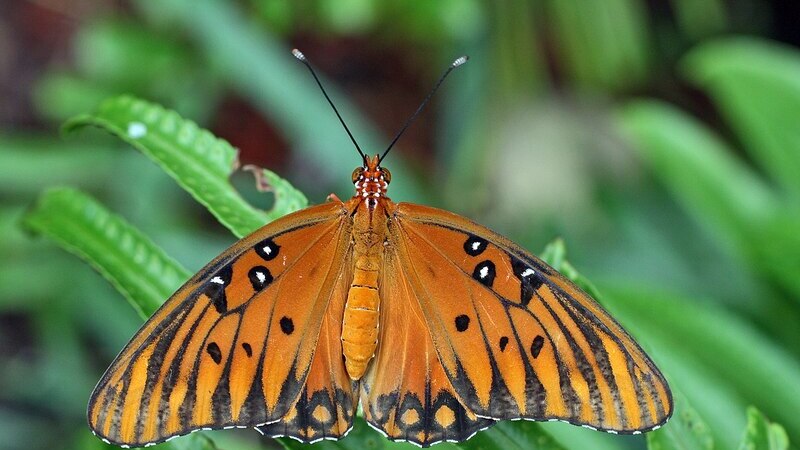
Featured in the exhibition Gobierno Intendente 2020, an exhibition of urban projects in the city, “Wild Butterflies” emerged from the observation of the annual migration of the “espejito” butterfly (Agraulis vanillae), which swarm the Uruguayan coast every February. This phenomenon serves as a reminder of the importance of creating spaces in the city that offer shelter and food for these insects and other pollinators.
The initiative proposes installing patches of native vegetation in squares and parks, designed as butterfly gardens and spaces for environmental education. These patches are envisioned as nodes in a network of ecological corridors that connect different public green spaces, linking the urban fabric with local biodiversity.
In the publication, the project is featured in the section titled “Environmental/Social Planning, Design, and Management” and includes a series of images: a demonstration display featuring native host plants intended to attract and feed local butterflies, an urban map showing the network of butterfly gardens and diagrams linking collection sites, laboratories, and refuge patches, along with photographs of “mirror” butterflies on native blooms.
In a second phase, the project includes registration and participatory monitoring activities, as well as coordination with educational and academic programs. By recognizing butterflies as biological and cultural indicators, “Mariposas Salvajes” proposes moving from mere isolated observation to a collective experience in constant transformation of urban biodiversity.
Each planting module includes herbaceous plants, shrubs, and trees selected for their value to pollinators and their ability to bloom at different times of the year, ensuring a constant supply of nectar and pollen over time.
- You might also be interested in reading: “Landscaping and Native Plants at Museums at Night: Opening of Campo Sucio”