
The award-winning project explores the possibility of using various fungi in newly modified landfills.
A technological innovation is proposed, taking into account logistical aspects of its implementation, such as allocating a portion of a tax to mushroom research and production, as well as establishing research centers in collaboration with specialized institutions and companies.
The fungi suggested are Petalotiopsis microspora, Aspergillus tubingensis, Pleurotus ostreatus, and Schizophyllum commune, which break down the plastic over time.
In addition, the social aspect is taken into account, with a proposal to create local training and employment programs focused on managing landfills using the aforementioned fungi.
https://www.youtube.com/watch?v=RlkBVloijk8
Sofía and Agustín, who are in 6th grade at Liceo 15 (Montevideo) and 5th grade at Liceo Solymar 1 (Canelones), respectively, will each receive a 50% scholarship to pursue a bachelor’s or associate’s degree at Universidad ORT Uruguay.
About the Contest
The "Good Ideas to Combat Plastic Pollution" contest was organized by ORT in partnership with the United Nations Environment Programme (UNEP).
It was aimed at students enrolled in the 5th or 6th year of high school in 2023, regardless of their academic track, at public or private institutions in Uruguay, or those enrolled in the equivalent technical high school program at the University of Labor of Uruguay (UTU).
The assignments were to present, in both written and visual form, a proposed solution to the problem of plastic pollution. Both pieces were required to clearly identify the problem to be addressed and the proposed solution.
The competition jury, convened by the UN, consisted of Alberto Pacheco Capella, director of UNEP Southern Cone; Marisa Cirillo, executive director of the NGO CEMPRE; and Pilar Lacalle Pou, president of the NGO Urumepa.
The Problem of Plastic
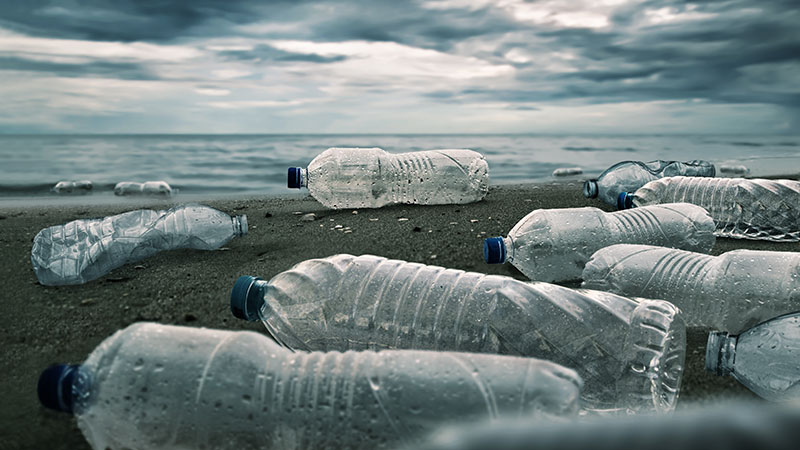
Plastic has been one of the most significant developments of the 20th century, but due to the excessive and inappropriate use humans have made of it, it has become a genuine global problem.
This material can take up to 1,000 years to break down in the environment, and its spread across the globe—on land and in the oceans—has been devastating and costly; yet it is preventable if societies decide to take concrete action to combat it.
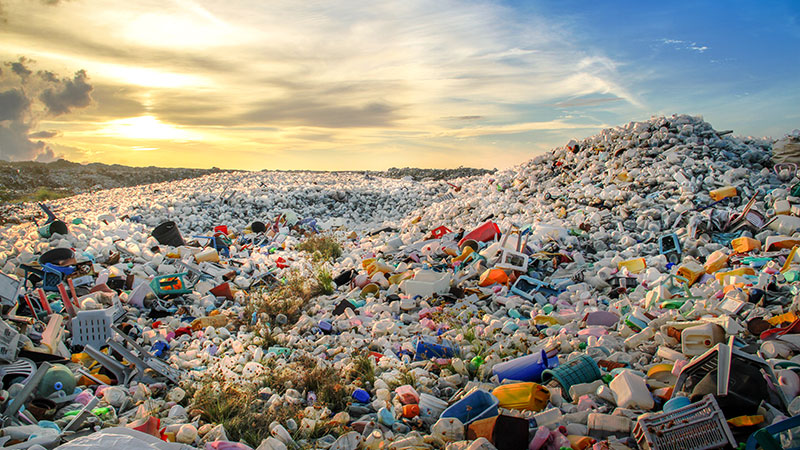
In Uruguay, nearly 200,000 tons of plastic products are used annually, but recycling rates are very low: less than 5%.
Solutions often need to be implemented on a larger scale. However, the ideas that give rise to these solutions usually originate on a small scale, often involving simple yet completely innovative concepts.
Learn more about recycling initiatives at the university