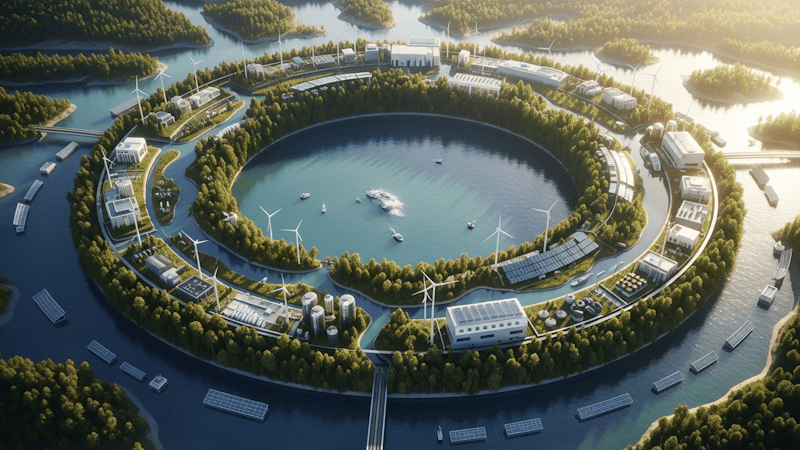
The pressure on our natural resources grows with each passing year. It is no longer sustainable to rely on systemsthat merely extract, produce, use, and discard.
Finding development models that strike a balance between economic growth, social well-being, and environmental protection has become an urgent challenge, especially for the younger generations who will inherit the planet.
Given this reality, concepts such as the circular economy, sustainability, and the Sustainable Development Goals take on new significance in discussions about the future.
What is sustainable development?
One of the cornerstones of global policy in the 21st century is sustainable development.
The concept originated in the 1987 Brundtland Report, which defined it as the ability to meet the needs of the present without compromising the ability of future generations to meet their own needs.
It is widely recognized that economic growth cannot be separated from environmental protectionor social welfare.
Sustainable development is based on three dimensions:
- Environmental: Everything related to the protection of ecosystems, the reduction of pollution, and the responsible management of natural resources.
- Social: Focuses on ensuring equity, inclusion, health, education, and quality of life.
- Economic: Promotes efficient, innovative production systems capable of generating economic growth without destroying the natural environment.
Sustainable development is about balancing these three dimensions, seeking a balance rather than prioritizing one over the others.
In this context, the 2030 Agenda for Sustainable Development, adopted by the United Nations in 2015, established the Sustainable Development Goals (SDGs).
https://youtu.be/MCKH5xk8X-g?si=YwO0RkOKU7Arj1xT
The SDGs are defined as a set of 17 goals that serve as a guide for building a more just, resilient, and environmentally friendly future —both for us and for future generations.
From poverty eradication to access to education and climate action, the Sustainable Development Goals address the challenges of the modern worldand promote more responsible models, such as those proposed by the circular economy.
Fundamentals of the Circular Economy
The circular economy aims to keep materials and products in use for as long as possible in order to reduce waste.
Unlike the traditional linear model, it promotes more efficient and regenerative production systems.
This approach involves redesigning industrial processesand exploring new ways of consuming.
It is often associated with recycling, but the circular economy encompasses much more than that.
- Longer-lasting products: By extending a product’s lifespan, the need to manufacture new ones is reduced, which in turn reduces the extraction of natural resources.
- Eliminating waste from the start: We propose products that use fewer components, are easy to disassemble, and are made from recyclable or biodegradable materials, thereby reducing the amount of waste.
- Optimizing production processes: Circularity involves reintroducing waste into the production system as raw material. This creates more efficient value chains and reduces environmental impact.
- Ecosystem restoration: The goal is not only to minimize negative impacts but also to generate positive ones. For example, through practices such as regenerative agriculture, reforestation, and soil restoration.
Far from being merely an environmental strategy, this represents a profound shift in the way we understand and value growth and sustainability.
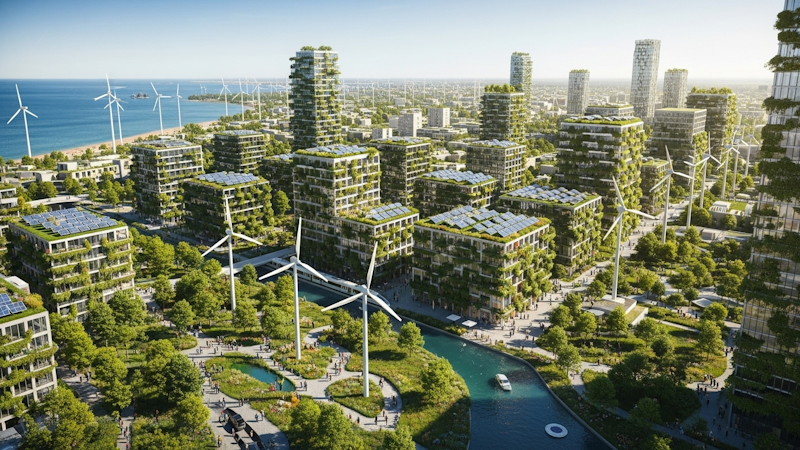
Just as sustainable development seeks to strike a balance between social well-being, environmental stewardship, and economic prosperity, the circular economy has become an essential pathway to achieving that balance and making a truly sustainable future possible.
Benefits of the circular economy
The Circular Economy Around the World
The circular economy is not just a theoretical concept.
Companies and organizations are already implementing projects that demonstrate their potentialand scope to make the future more sustainable.
Ellen MacArthur Foundation
It is considered one of the most influential initiatives in promoting the circular economy. It works globally to accelerate the transition toward regenerative models.
https://youtu.be/aqeulFxqT1Y?si=kbQ6lR6pGCsUuCla
Through partnerships with governments, universities, and major corporations (such as Google, Nike, and Unilever), they design circularity strategies, conduct research, and create tools that facilitate the adoption of sustainable practices across multiple sectors.
Their program New Plastics Economy is one of the global leaders in reducing plastic waste.
European Green Deal
An action plan led by the European Union to transition its economy toward more sustainable models, with the goal of achieving climate neutrality by 2050.
The Green Deal emphasizes the need for all sectors to transition toward more efficient and circular practices.
This involves reducing dependence on finite resources and cutting greenhouse gas emissions.
Its initiatives promote packaging redesign, increased use of recycled materials, improved waste management, and the elimination of unnecessary plastics.
IKEA
The Swedish multinational IKEA has announced its commitment to becoming a fully circular company by 2030.
https://youtu.be/_Q08g-sjp6E?si=dh7WoNwS5QgPos8H
Their initiatives include designing products that are more durable and easier to disassemble, increasing material recycling, offering repair and buyback services, and implementing furniture rental models.
Given its global scale, this project is one of the most ambitious circular economy initiatives, particularly in the retail sector.
Enel Group
The energy company Enel has developed a circular economy approach within its renewable energy plants.
This involves using recycled materials in construction and recovering components at the end of the useful life of solar and wind farms.
Strategies are promoted to reduce the environmental impact throughout the entire life cycle of infrastructure.
Their projects also include the restoration of the land where the plants are installed, thereby promoting local biodiversity.
These are just a few examples of initiatives that use the circular economy to make a significant impact in different regions and sectors around the world.
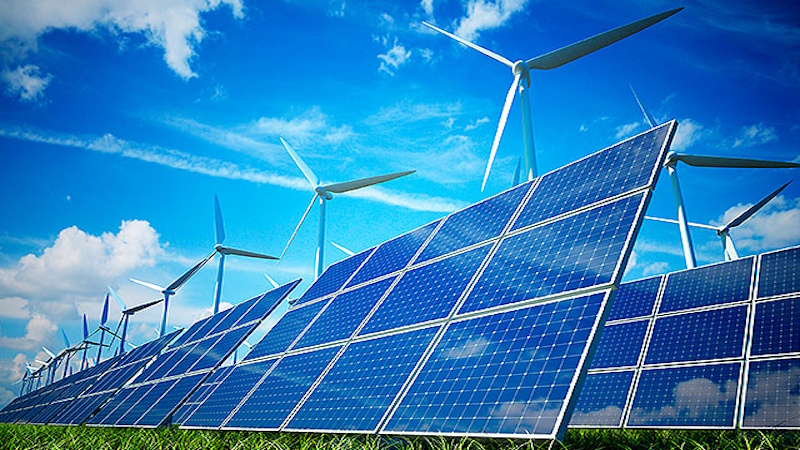
From ambitious public policies to private-sector initiatives with a global reach, the circular economy is emerging as a key component in addressing today’s environmental challenges.
Circular Economy and Innovation
The circular economy does not merely aim to reduce waste or extend the useful life of products. Its goal is also to drive technological innovation to create more efficient and sustainable solutions.
New technologies make it possibleto design smarter processes, optimize resources, and create business models.
Digitalization, artificial intelligence, robotics, and the Internet of Things (IoT) are new strategic allies in implementing circularity on a large scale.
Some specific examples of technological innovation applied to the circular economy include:
- Smart sensors and data analytics: These enable the tracking of the status of materials and products, optimizing their use and reducing waste.
- 3D printing: It allows you to produce only what is needed, reducing waste and enabling customized repairs.
- Sharing economy platforms: Models for renting, buying back, or sharing products that reduce the demand for new resources.
- Recyclable materials: Development of bioplastics, reusable alloys, and materials designed to be fully reincorporated into new products.
In addition, the combination of the circular economy and technological innovation creates new opportunities for business, employment, and sustainable economic development.
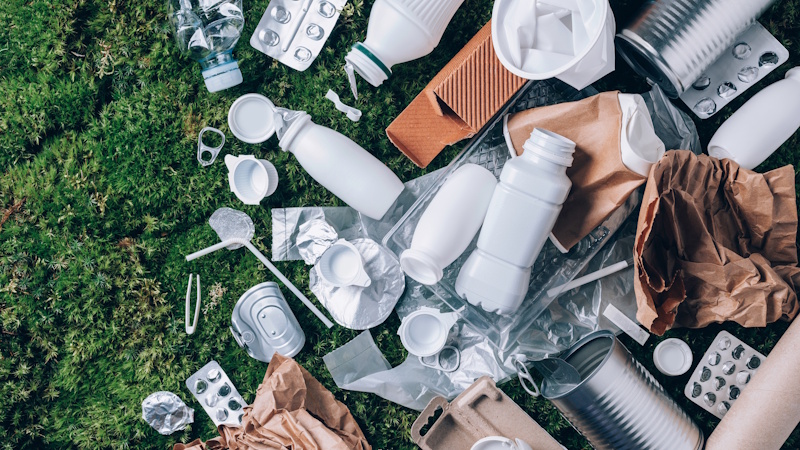
Technology, therefore, becomes a cornerstone for the circular economy to evolve into a model of sustainable development, capable of transforming entire industries and generating long-term positive impacts.
Challenges of the circular economy
Although the circular economy offers environmental, social, and economic benefits, there are still challenges to overcome.
The transition from a linear model of production and consumption to a more sustainable one does not happen automatically.
There is a need to rethink production systems, adapt public policies, and foster technological innovation.
Above all, we must foster a profound cultural shift.
These challenges arise at various levels:
- Cultural shift: Despite growing interest in sustainability in recent decades, the transition to models based on reuse or repair requires changes in behavior and overcoming resistance to the new.
- Lack of infrastructure: Efficient systems for collection, sorting, reprocessing, and recycling are needed. In many countries, this infrastructure is inadequate or outdated.
- Product and process redesign: Many companies lack the technology, resources, or expertise needed to redesign entire production lines.
- Economic barriers: In the short term, the circular economy typically requires significant upfront investments, and small and medium-sized enterprises lack access to financing or incentives that would facilitate this transition.
Despite various challenges, the circular economy continues to establish itself as an essential strategy for addressing the climate crisis, reducing dependence on finite resources, and building more resilient societies.
https://youtu.be/0zOn23vNz18?si=ldmchCz_xg_o4f77
Overcoming these barriers requires cooperation among governments, businesses, educational institutions, and citizens, as well as a sustained commitment to innovation and regenerative design.
Moving toward a more sustainable and equitable future for everyone requires the development of new environmentally focused initiativesand a greater commitment to changing the way we produce and consume resources.
The circular economy is an essential strategy.
It not only promotes the efficient use of materials, but also fosters innovation and helps build more resilient supply chains.
Although implementing these changes requires overcoming cultural, technological, and structural barriers, every success story demonstrates that change is possible and that the benefits can be significant both now and in the future.