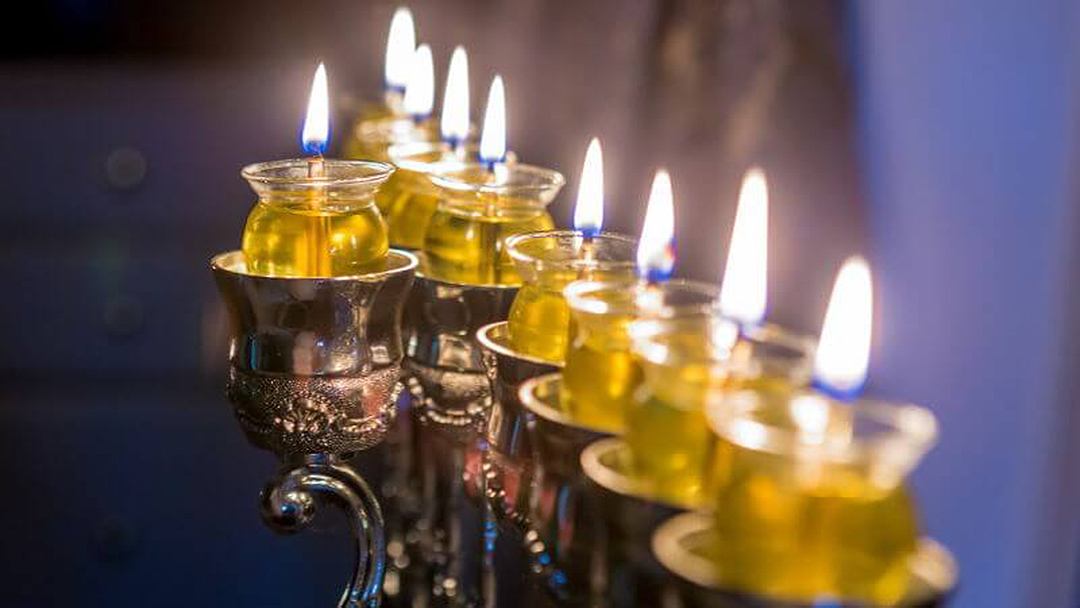
On the evening of December 4, 2026, the Jewish people will begin the festival of Hanukkah, which tradition has given various names: the Festival of Lights, the Festival of Faith, the Festival of Dedication, and the Festival of the Miracle; beginning a few minutes after sunset with the lighting of the first of the eight candles, which—one per day and always using the central candle of the special nine-branched menorah—are lit over the following eight days.
Toward the end of the 4th century BCE, the Greek Empire conquered the Land of Israel, attempting to subject the Jewish people to a process of acculturation that divided the conquered population into those who accepted Hellenization and those who passionately opposed it. The actions of both sides laid the cultural foundations of the Western world that remain to this day.
Around 175 B.C. King Antiochus of Syria seized power, anti-Jewish measures against their faith and culture intensified to the point of forcibly dismantling the Temple in Jerusalem and desecrating it by placing pagan idols there, before which the Jews were forced to bow down, in addition to other measures that affected their daily lives and prevented them from performing their rituals.
This sparked a violent reaction among the Jewish people, who, led by the Hasmonean clan and commanded by Mattathias and his five sons at the head of the Maccabees, succeeded in expelling the Seleucids from Jerusalem and, most importantly, in liberating the desecrated Temple between 165 and 164 BCE.
In the Talmud (the book of Jewish oral tradition), the event is recounted as follows: When the Hasmoneans prevailed over the Greeks, they searched the Temple and found only a single jar of oil lying intact and unopened, bearing the seal of the High Priest. This contained enough oil to provide light for a single day, but then a miracle occurred, and they lit the lamp with that oil, which burned for eight days. One year later on that date (the 25th of Kislev on the Jewish calendar), a festival was established featuring the recitation of the prayer of thanksgiving known as Hallel (Talmud Bavli, Tractate Shabbat, 21b).
Like almost all Jewish holidays, Hanukkah has taken on a universal significance today. It is the holiday that symbolizes the struggle against intolerance, against the violent imposition of ideas, and against restrictions on freedom of worship and thought. It represents the struggle to preserve the values unique to each culture and to foster peaceful and respectful coexistence among those who hold different views.
At Universidad ORT Uruguay this holiday year after year, so that it may serve as a starting point for personal and collective reflection, inspiring us to build the ever-possible miracle of a society based on respect for differences.