-
https://www.youtube.com/watch?v=g19IYaSDI2o
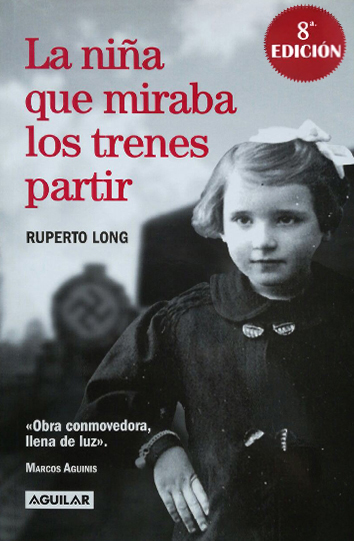 Book Launch
Author: Ruperto Long
The author met the protagonist, Prof. Charlotte de Grünberg, president of Universidad ORT Uruguay, at a reception held by the university, and they had a brief conversation during which she shared some details about her life.
This inspired him to create a story that contrasts events from World War II with the present day, inviting readers to reflect and become more aware.
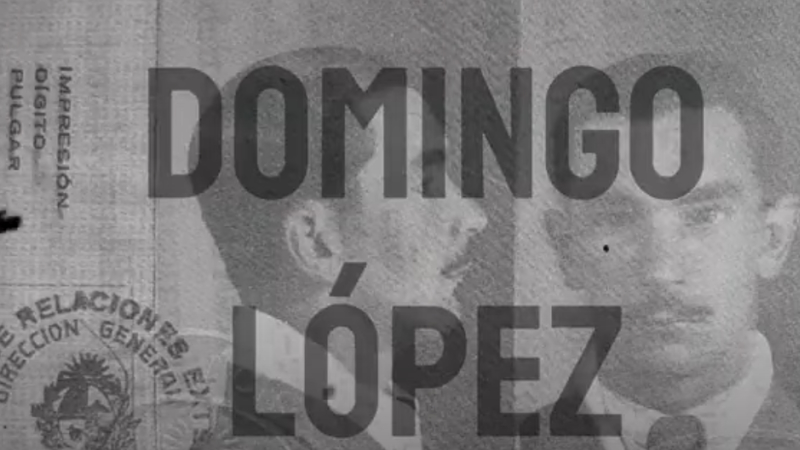
In the book, Charlotte’s life intertwines with that of Domingo López Delgado, a Uruguayan soldier who had gone to war as a volunteer, as well as with those of other real and fictional characters. At the end, there is a summary that recounts the fates of the real people who appear in the book.
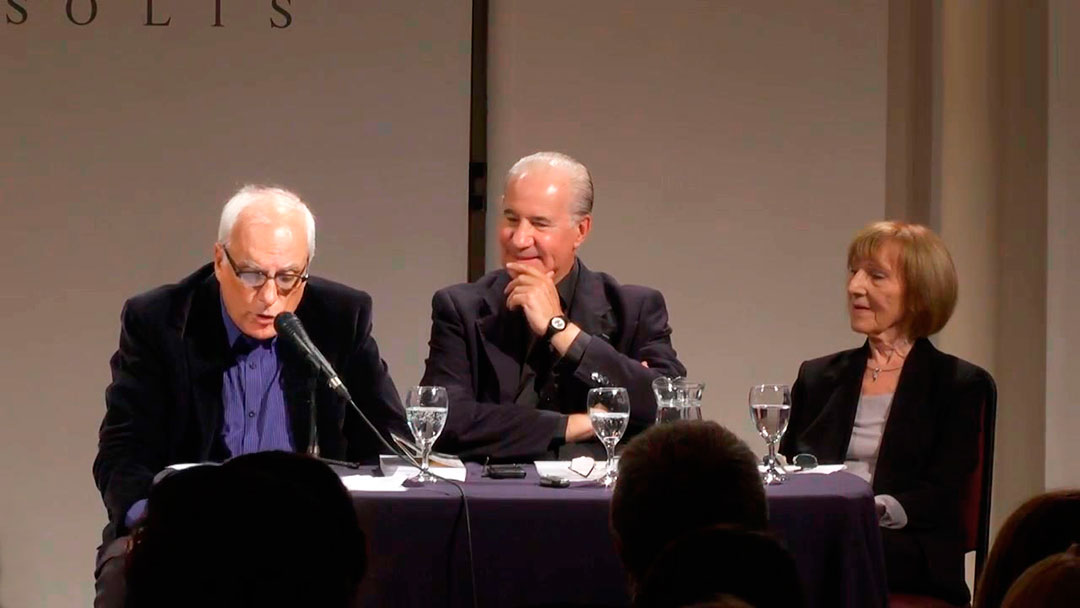
The presentation took place on Thursday, April 7, 2016, in the Delmira Agustini Hall at the Solís Theater, and the keynote speaker was Uruguayan writer Hugo Burel, who explicitly noted that the persecution of Jews continues to this day, citing the example of businessman David Fremd and comparing Hitler to ISIS.
“Another of the play’s merits is that it serves as a ruthless mirror that reflects the past to warn us about the present. Yesterday it was Hitler. Today it is ISIS and its madness, which threatens anyone who thinks differently from its political and religious delusions,” he added.
A book trailer for the novel was shown, and to conclude the event, Alberto Magnone and Lea Ben Sasson performed three songs:“Jerusalén de oro,”“El árbol de eucalipto,” and“Libertango”(the latter featuring a recitation by Horacio Ferrer).
Among those who attended the event at the Solís Theater were the Israeli ambassador, Nina Ben-Ami; the rector Universidad ORT Uruguay, Jorge Grünberg (Charlotte’s son); the rector the Catholic University, Eduardo Casarotti; former presidents Luis Alberto Lacalle and Julio María Sanguinetti; Nationalist Party senators Luis Alberto Lacalle Pou and Luis Alberto Heber; the Secretary General of the Organization of American States (OAS), Luis Almagro; as well as other officials from Universidad ORT Uruguay.
"Stories That Never Lose Their Relevance." Galería de Búsqueda Magazine – April 14, 2016: Pages 36 and 37.
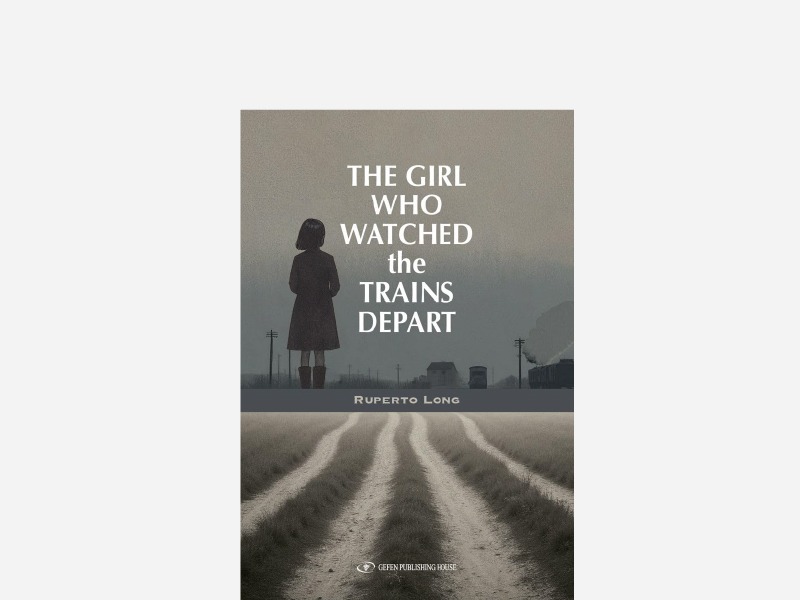
The book has been translated into Italian, Romanian, Hebrew, and English.
2016 Golden Book Award
In the "National Author Fiction" category, presented by the Uruguayan Book Chamber.
Editions of the book
-
United States
-
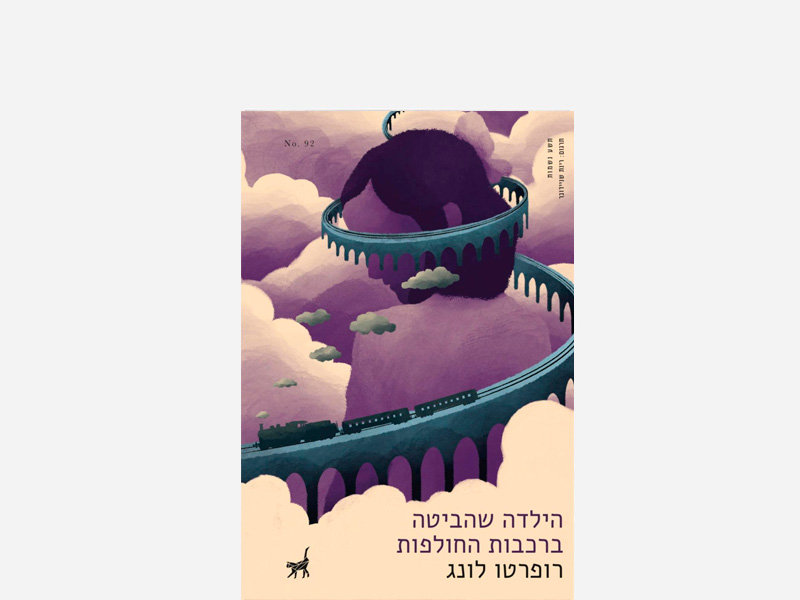
Israel
-
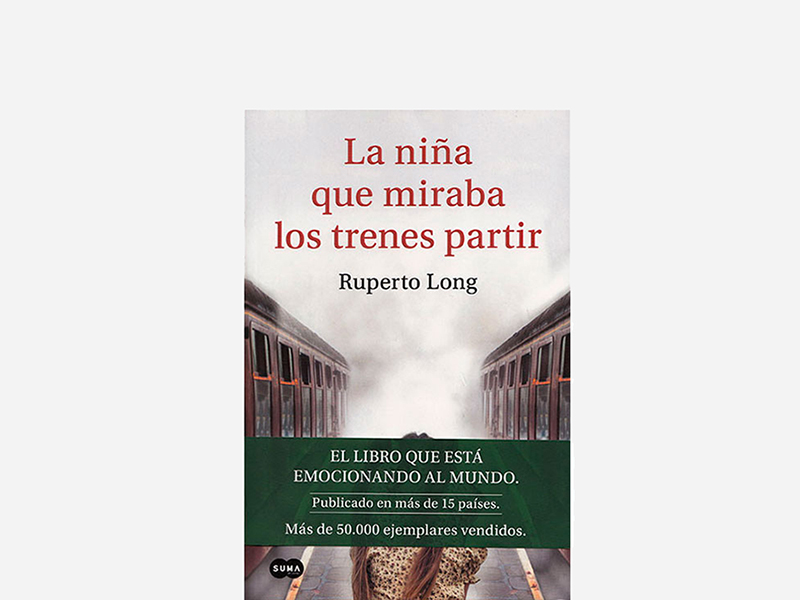
Spain
-

Italy
-
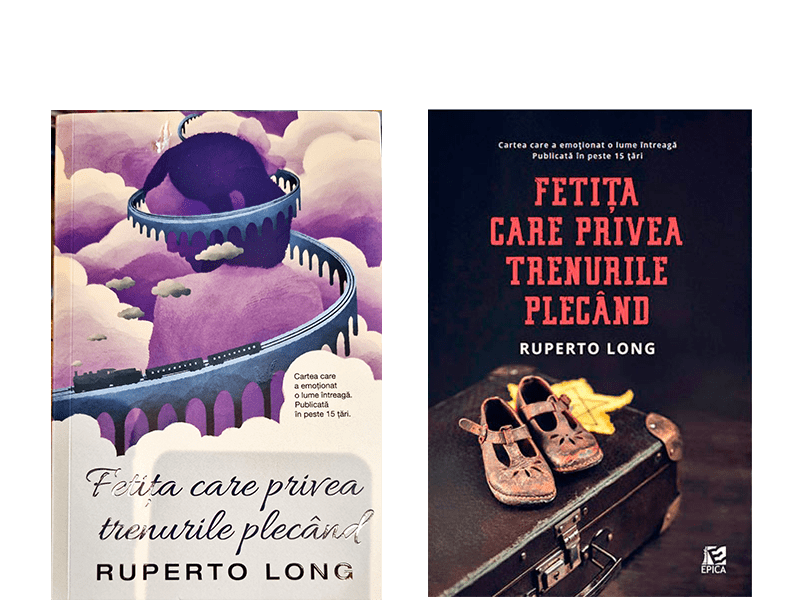
Romania
-
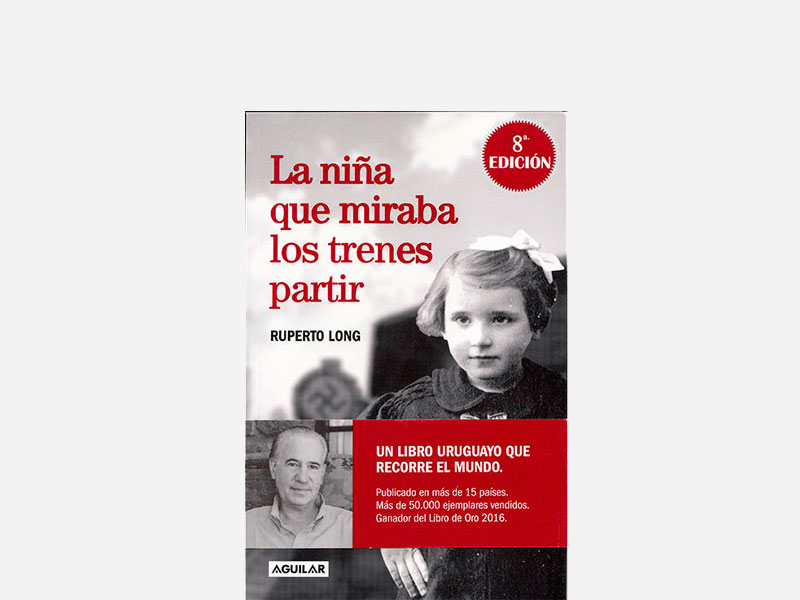
Uruguay
-
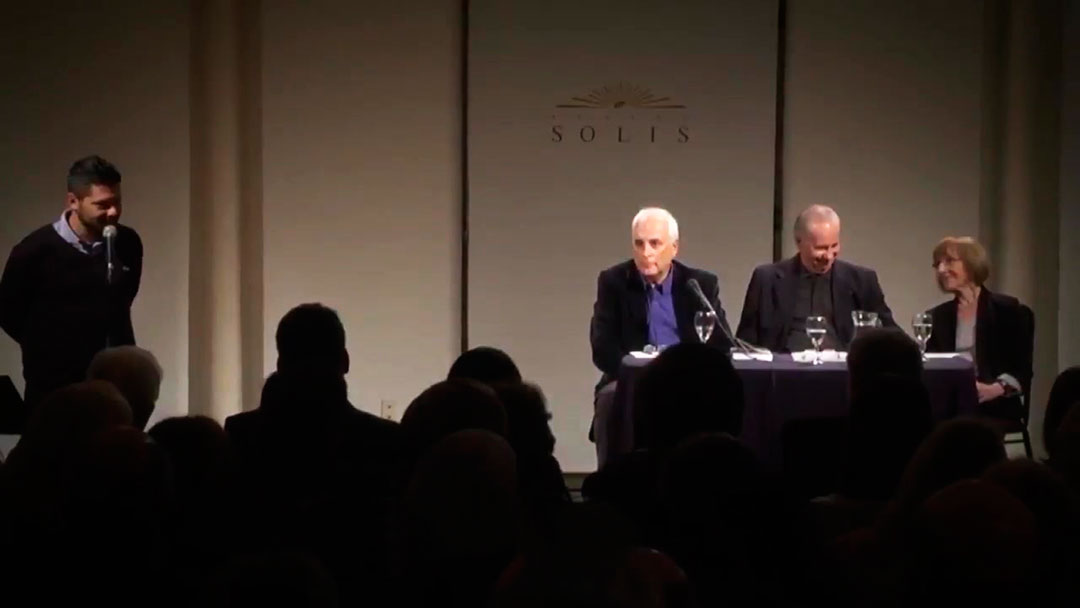
Launch event
Delmira Agustini Hall, Solís Theater
Montevideo, Uruguay
April 7, 2016On April 7, 2016, Penguin Random House hosted the book launch for The Girl Who Watched the Trains Depart by Ruperto Long, in which one of the main characters—the girl of the title—is Professor Charlotte de Grünberg, president of Universidad ORT Uruguay. The book recounts a period of her childhood in Nazi-occupied France. The event took place in the Delmira Agustini Hall at the Solís Theater.
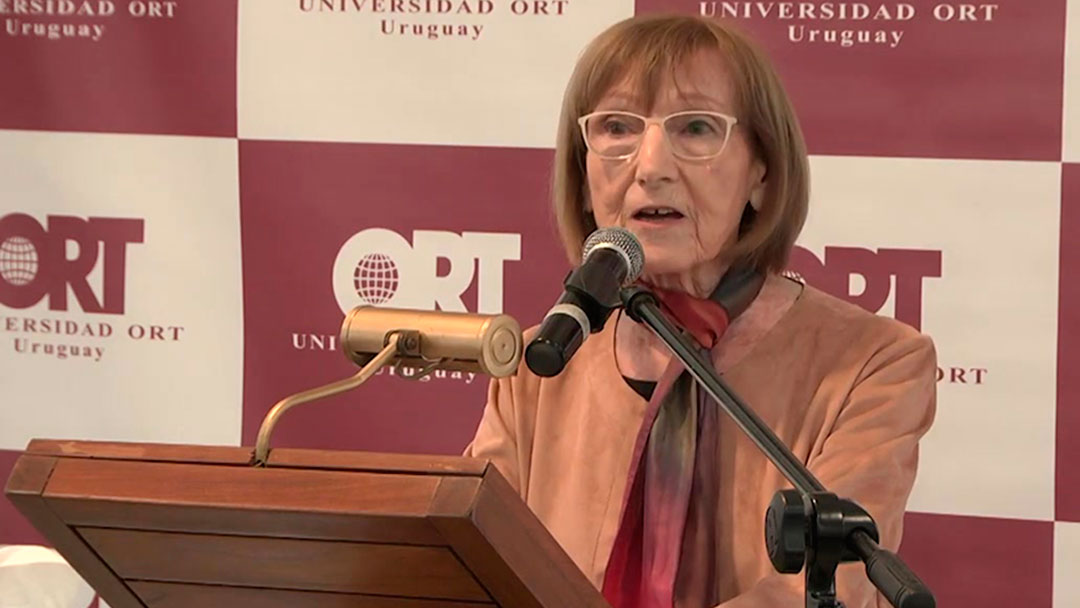
The writer Hugo Burel reviewed the book, after which the author spoke, discussing the process that led him to write this “nonfiction novel,” and Prof. Grünberg spoke about how those years of barbarism affected so many millions of lives, including her own and those of her family.
The event concluded with performances by singer Lea Bensasson and musician Alberto Magnone.
Reflections on the book
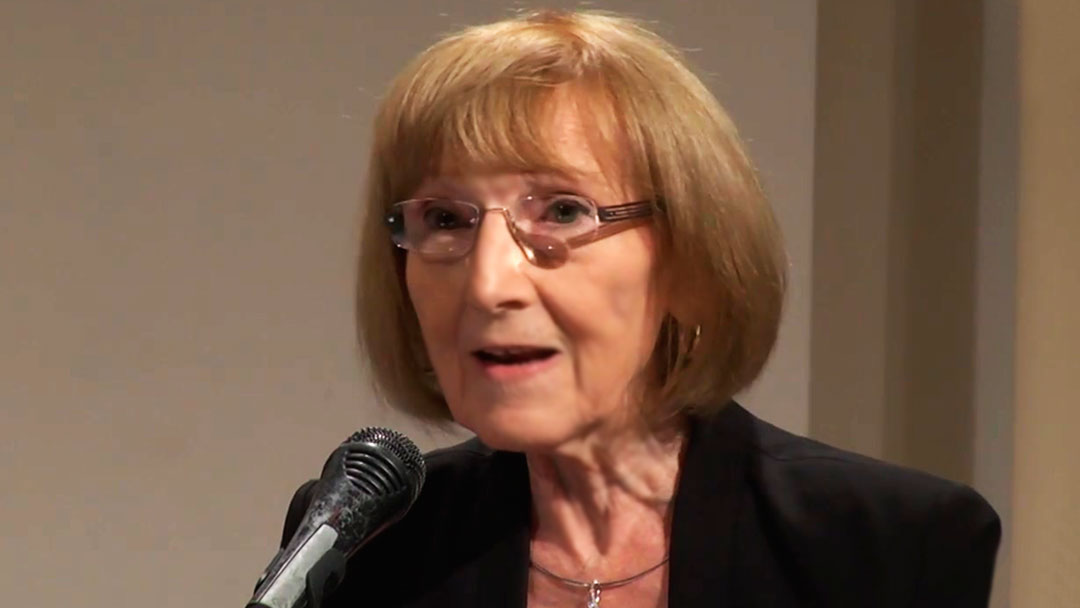
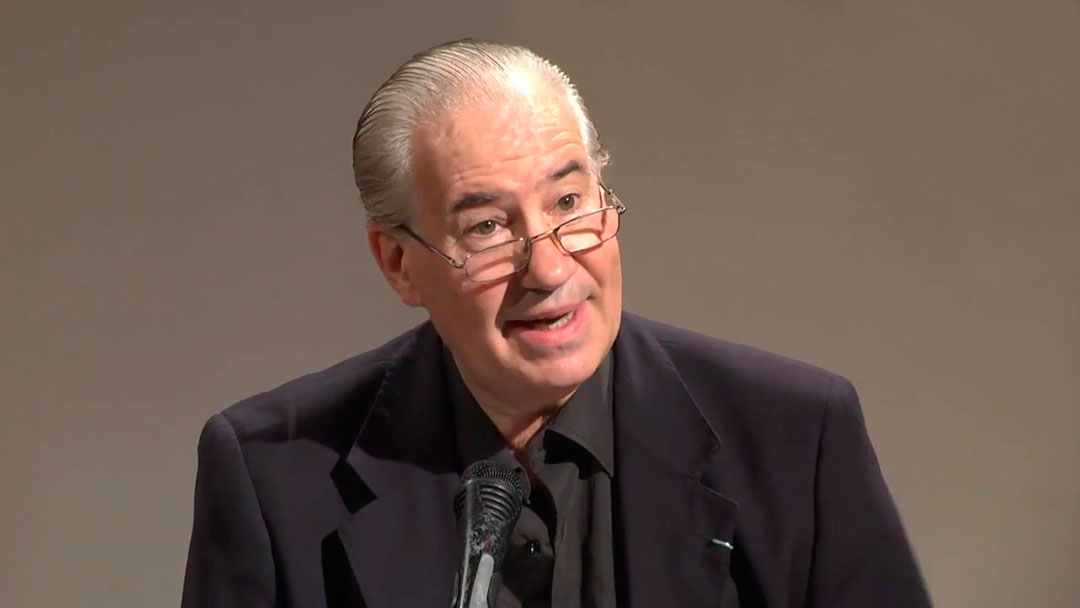
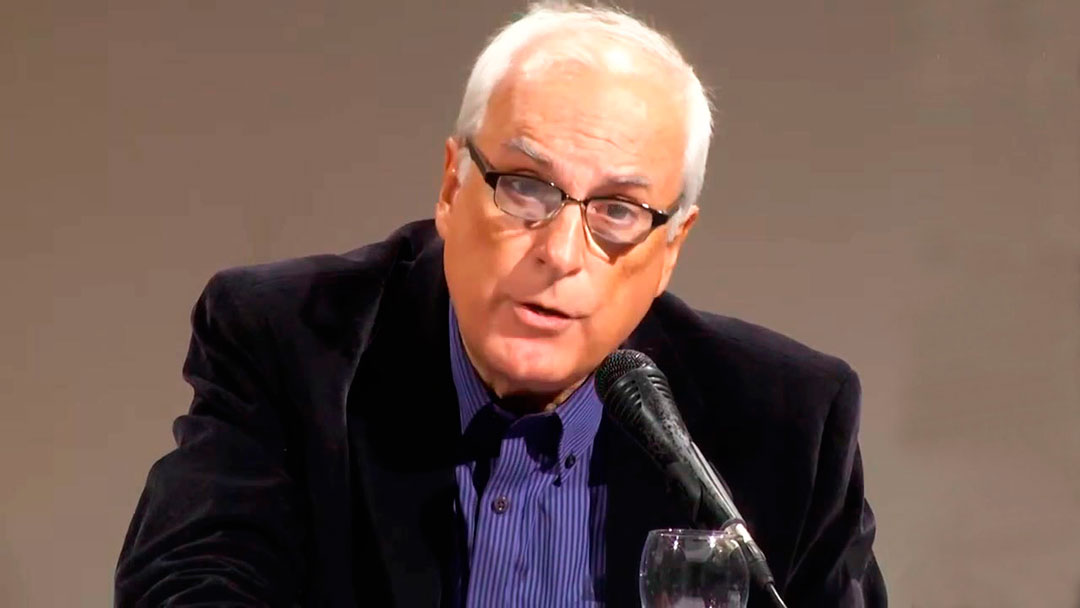
-
Transcript of the speech by Prof. Charlotte de Grünberg
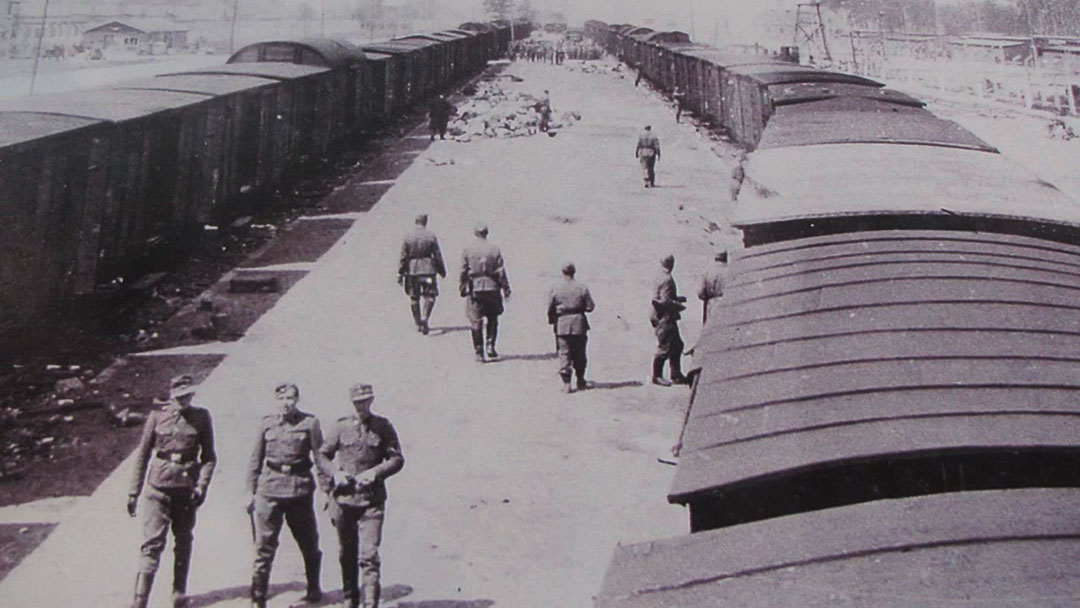
I am the girl who watched the trains depart more than 70 years ago.
In 1947, the French writer, anthropologist, and philosopher Georges Bataille said that “Auschwitz is the work and the sign of man. From now on, the image of man is inseparable from that of a gas chamber.”
In 1939, an Austrian Jewish teenager who had managed to flee her country found refuge in our home in the city of Liège, Belgium, until the country was invaded.
From her stories, we already had an idea of what we Jews could expect and of what would soon befall us.
With Belgium occupied in May 1940, and faced with the need to escape the new established order and its persecutions—particularly of Jews—we sought refuge in the southern part of France occupied by the Italians, which seemed to be the most logical option (due to proximity), the shared language, and the hope of living in an area still free from German occupation.
It is difficult to imagine what it means to be suddenly sentenced to the loss of belonging to one’s own national territory, the violent rupture with all the customs that usually permeate a “normal life.”
Civil death.
Constant fear.
Becoming a fatally disposable object without a name of one’s own.
No friends.
No witnesses to a previous life.
It is chilling to feel that one has no accessible place on the planet, nor any space to go with the right to stay. A ghetto without walls, one might say, stalked at every moment by raids from the Gestapo, from local collaborators, from denunciations.
How does a child adapt to the sudden loss of all his points of reference? Having to unexpectedly transform not even into another person, but into an opaque “non-person,” seeking anonymity and invisibility as the only way to protect oneself from evil.
Our exile lasted for more than 1,000 days and nights, traversing much of France. I watched many trains pass by toward their macabre final destination, while raids occurred at all hours.
Seventy years ago, the Nuremberg Trials—the first of their kind—investigated the crimes of World War II and the Jewish Holocaust. The war claimed the lives of more than 60 million people, including six million Jews and other minorities, in addition to the devastation of much of Europe.
The results of the trial were impressive. And its impact on international law was undeniable. Unfortunately, neither the laws of international courts nor those enacted over the years—which form an ever-growing body of law—have succeeded in deterring the use of indiscriminate violence on a global scale.
Is life not a fundamental value to be defended against the terror that indiscriminately kills and subjugates?
In light of everything that happens daily, I ask: How is it that we have not yet managed to transform what is happening into an educational reality?
Have we learned nothing?
Photos from the launch

Presentations
-

April 2026
Presentation of "The Girl Who Watched the Trains Leave" in English.
-
March 2026
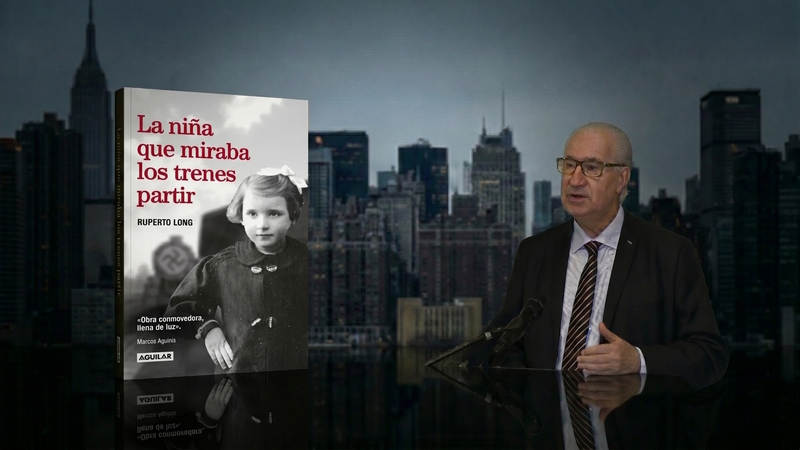
Videos leading up to the book's release in English in the United States.
-
August 25, 2022
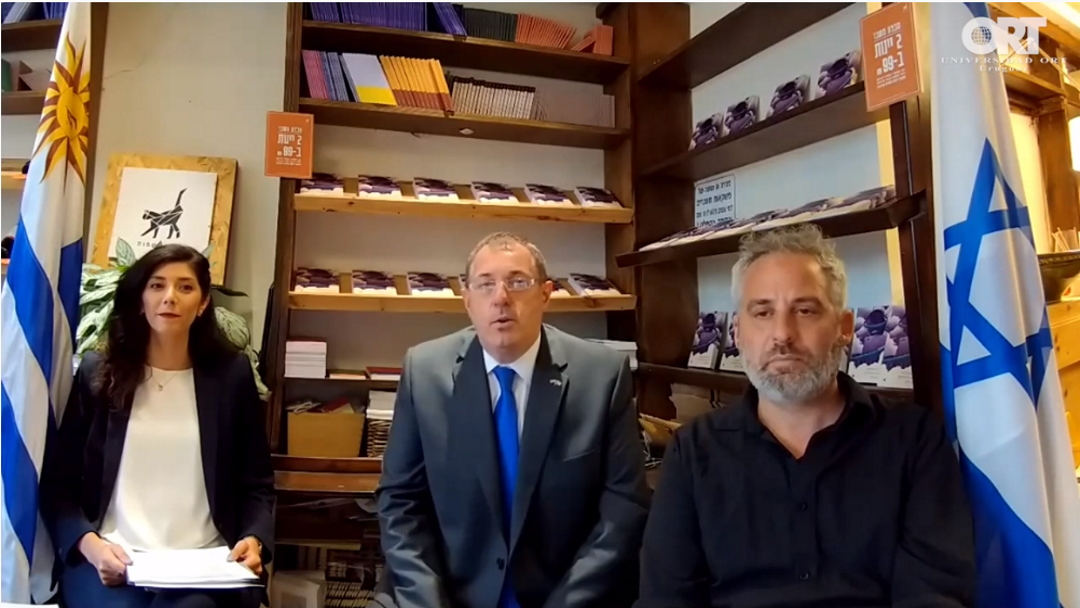
Book presentation via videoconference at the Uruguayan Embassy in Israel.
-
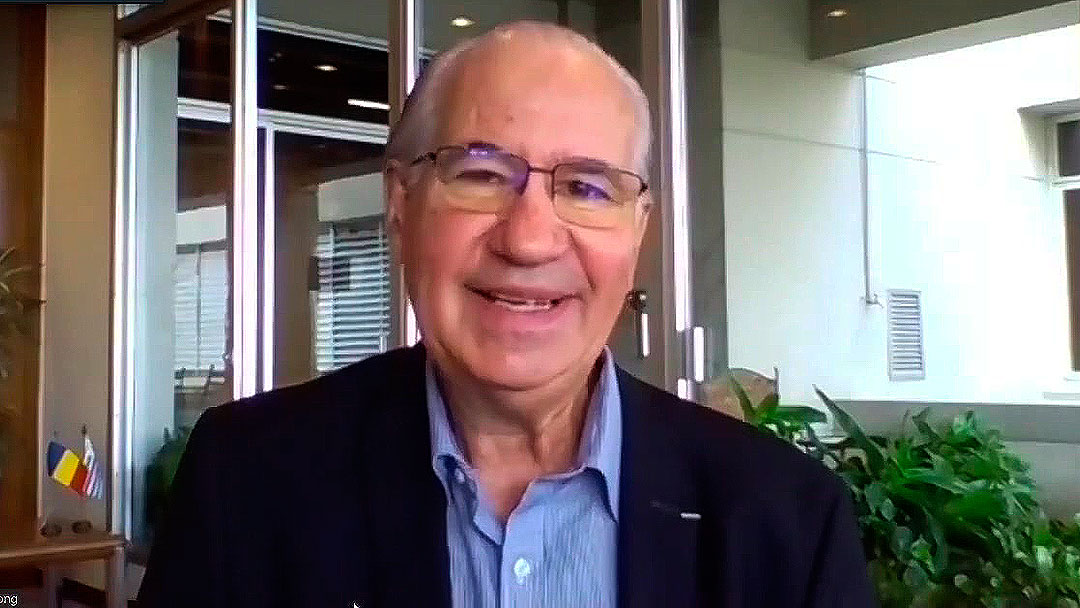
May 11, 2021
Book launch in Romania via videoconference.
-
August 1, 2019
Presentation to a delegation from the Jewish Federations of North America.
-
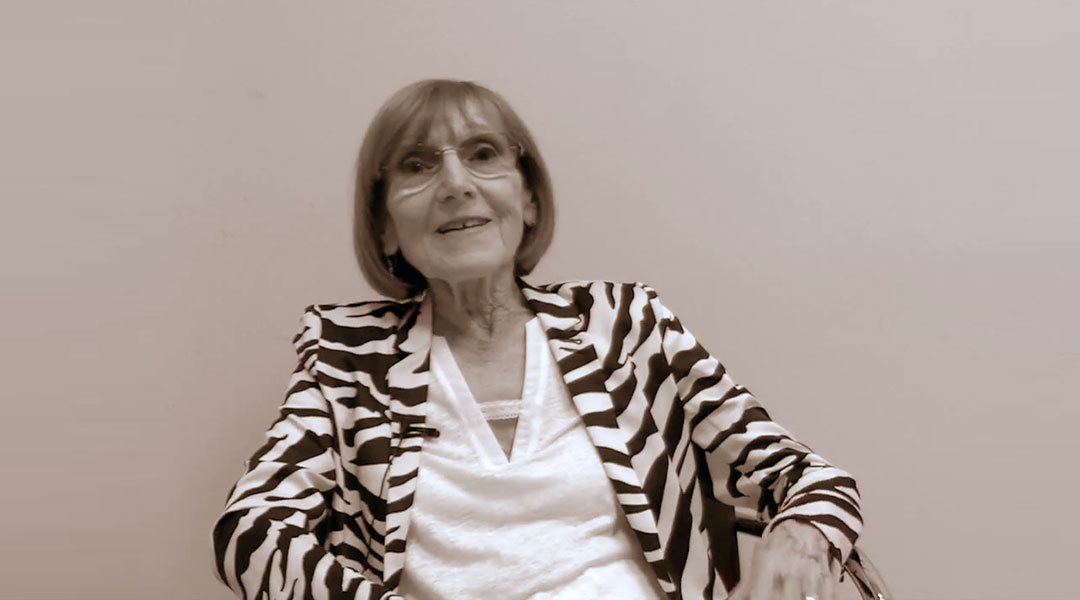
May 16, 2019
Book presentation at the Sefarad Israel Center in Spain.
-
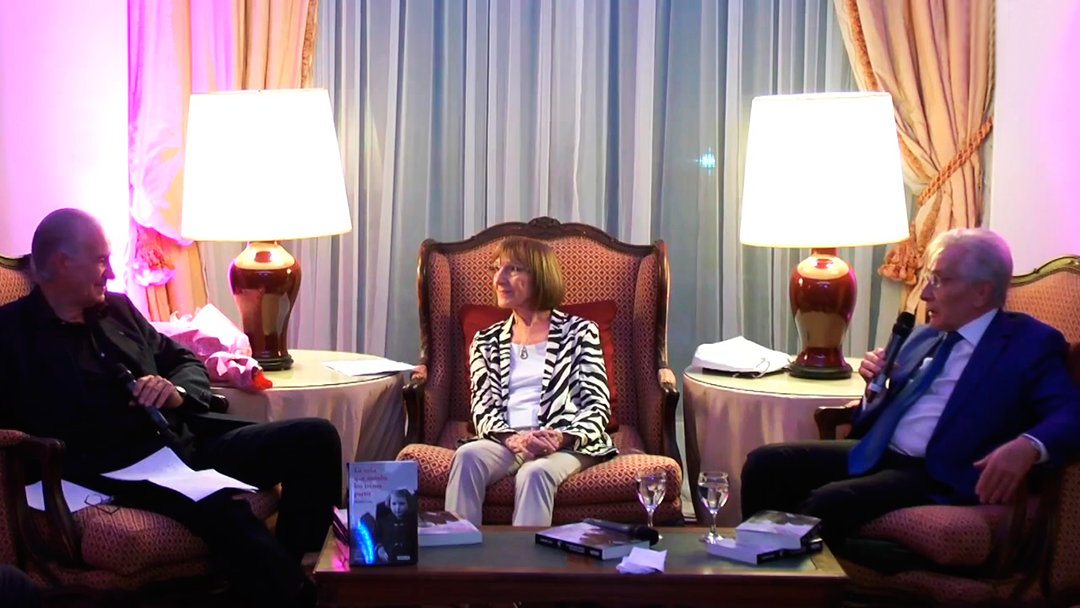
March 14, 2017
Presentation at the residence of the Uruguayan Embassy in Argentina.
-
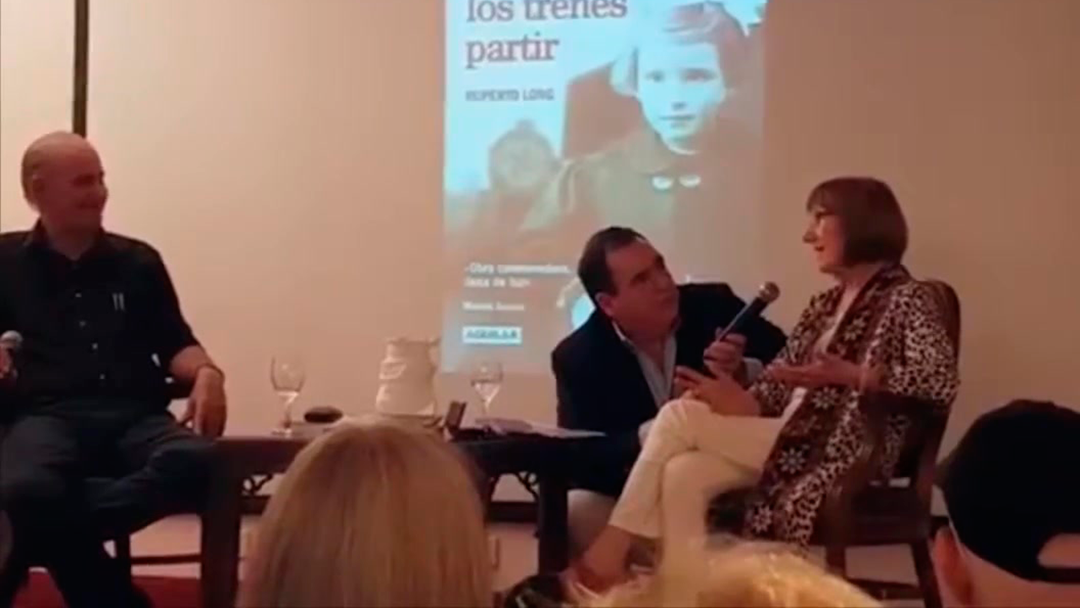
January 18, 2017
"Los notables en vivo" series at the Barradas Hotel in Punta del Este.
-
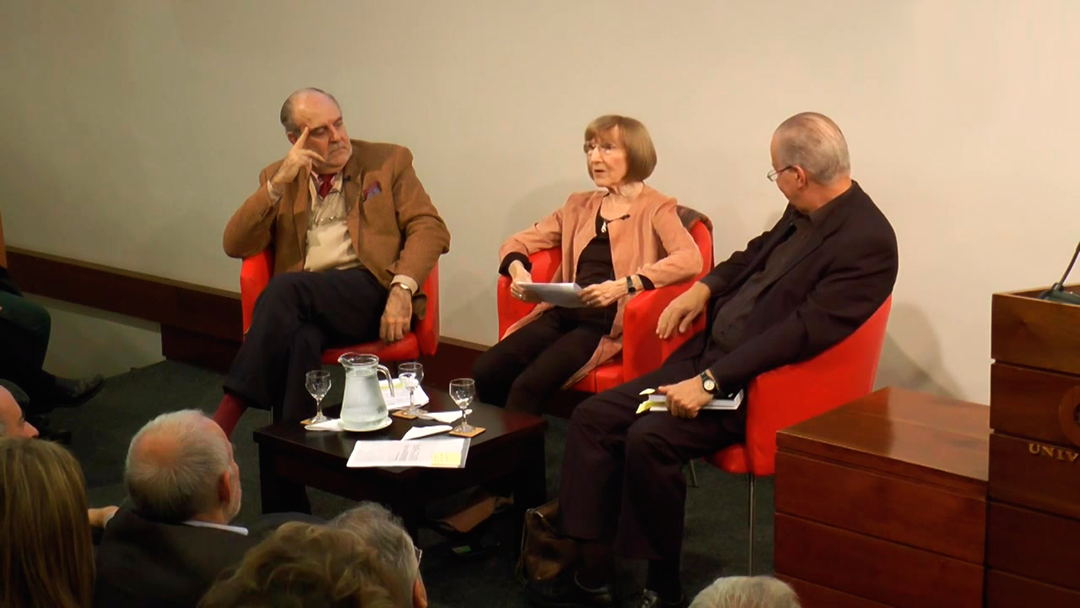
June 15, 2016
"Behind the Scenes of the Book" event at ORT's Pocitos Campus.
Invitations to the book presentations
In Montevideo, Maldonado, and other departments
-
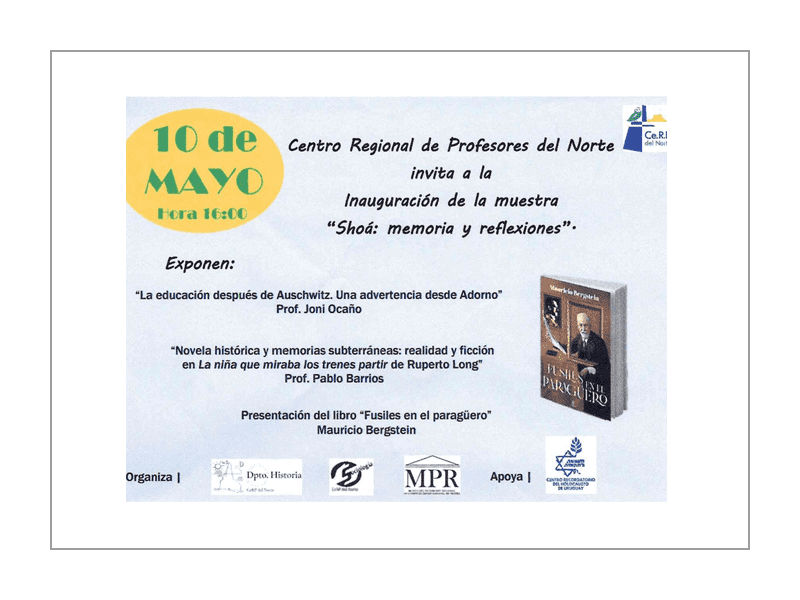
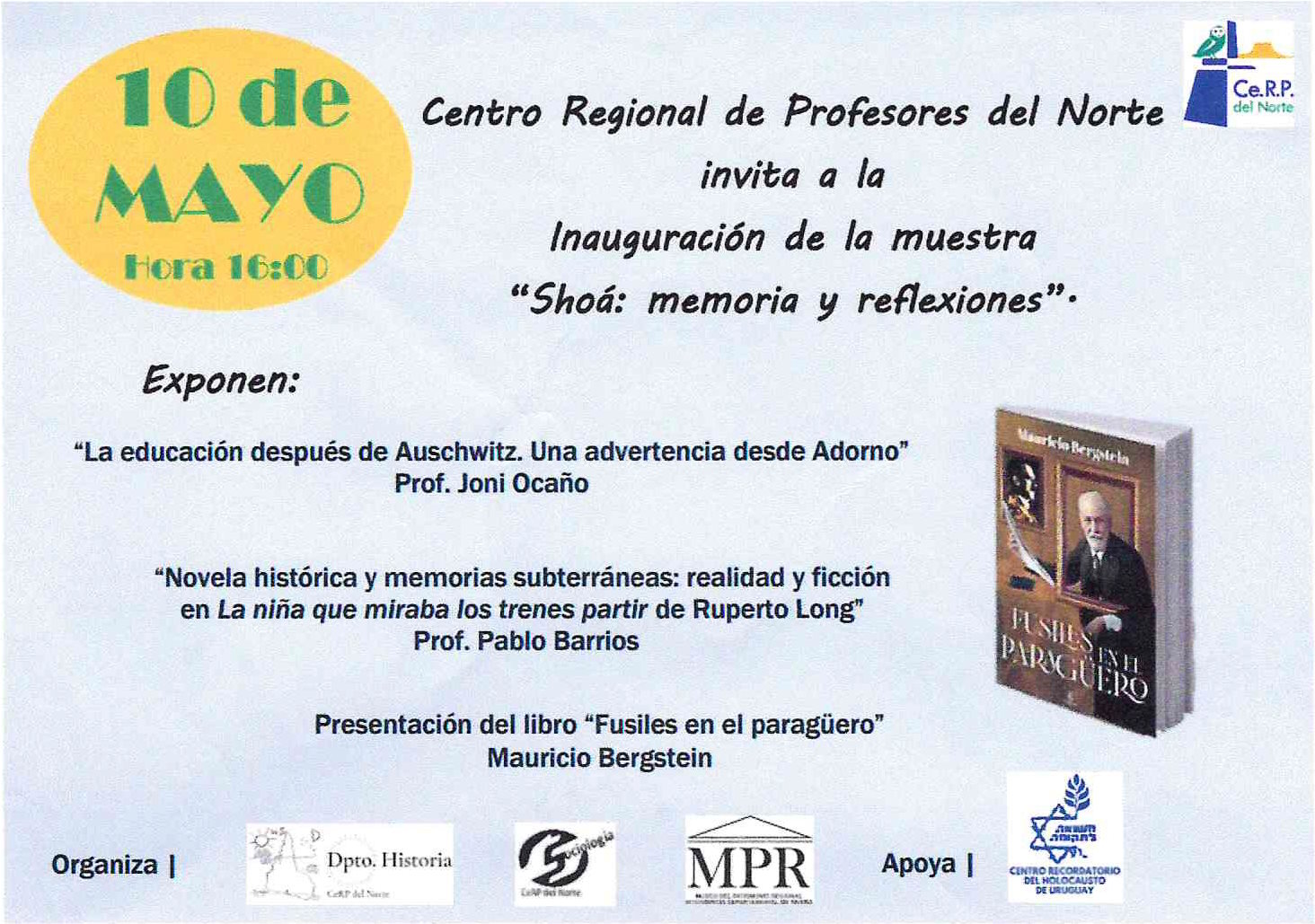
May 10, 2022
Northern Regional Teachers' Center
. Rivera -
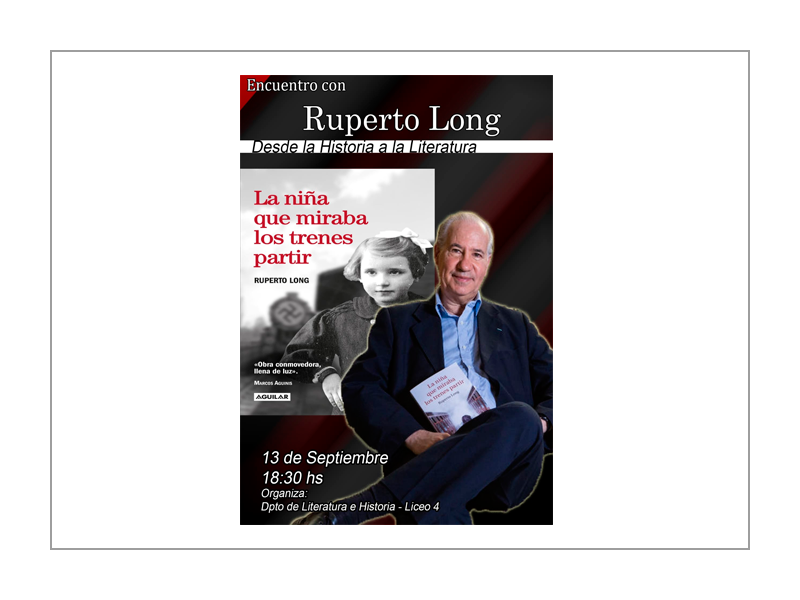
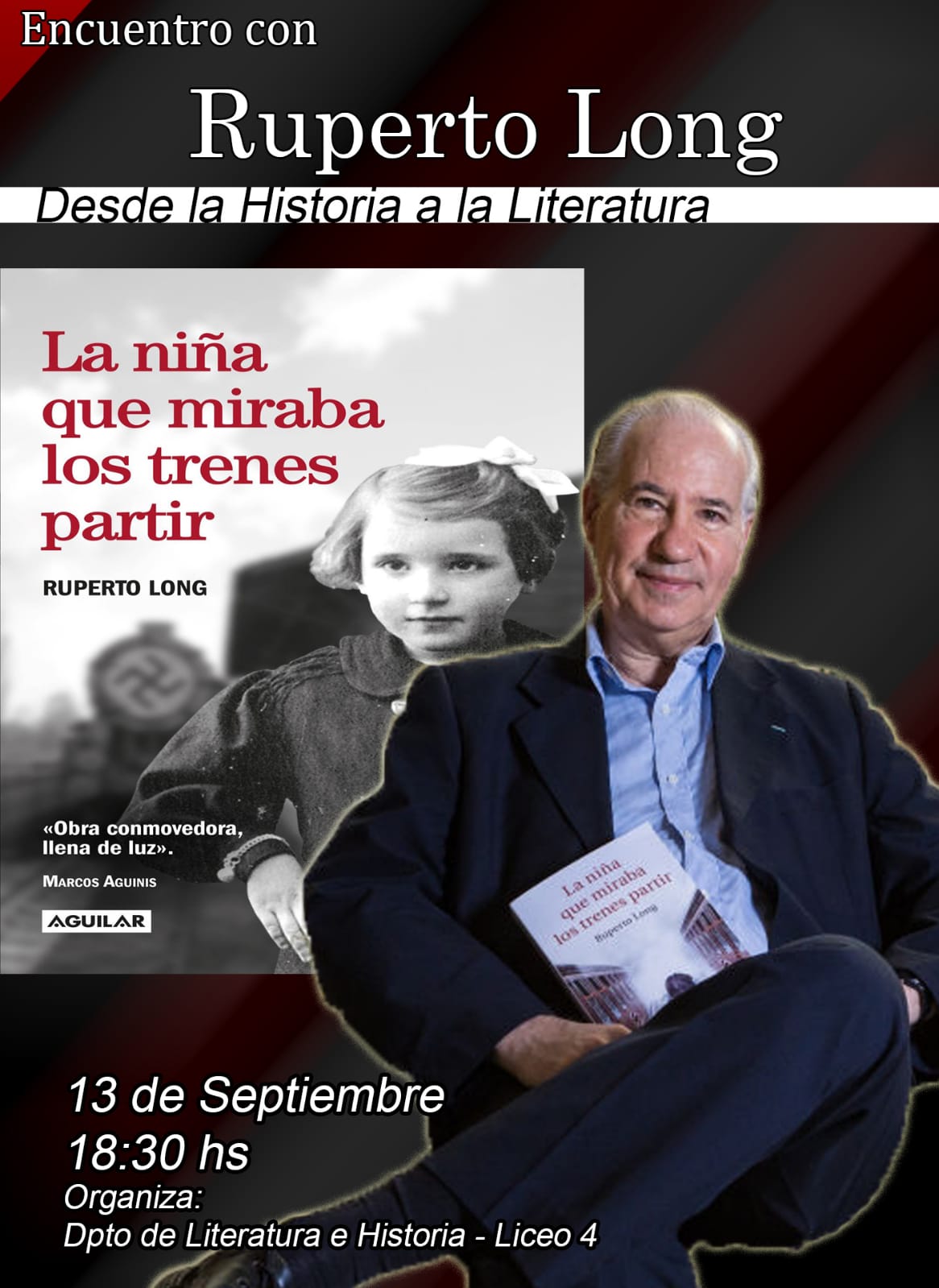
September 13, 2019
High School No. 4, Montevideo -
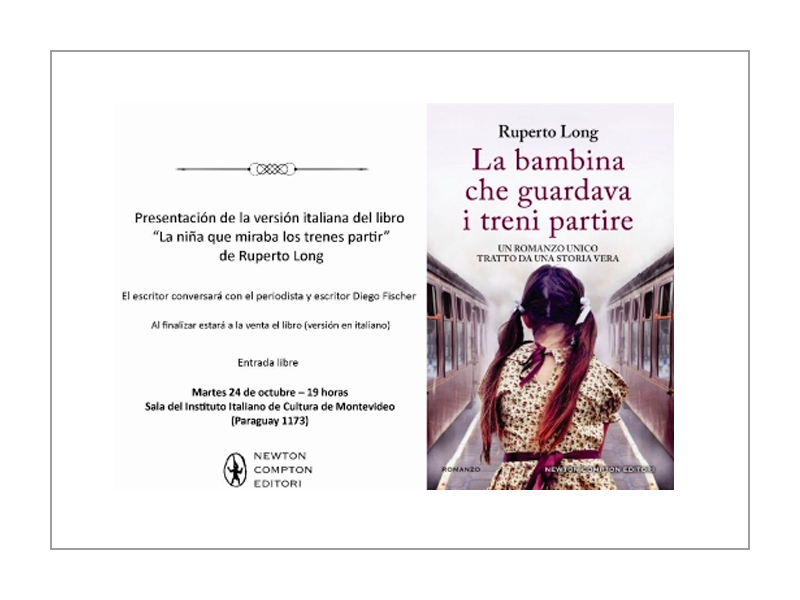
October 24, 2017
, Italian Cultural Institute, Montevideo -
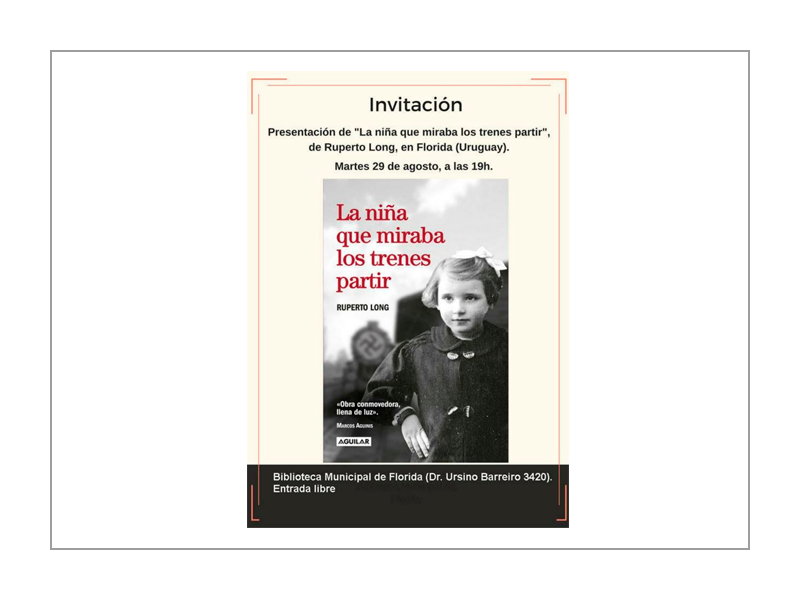
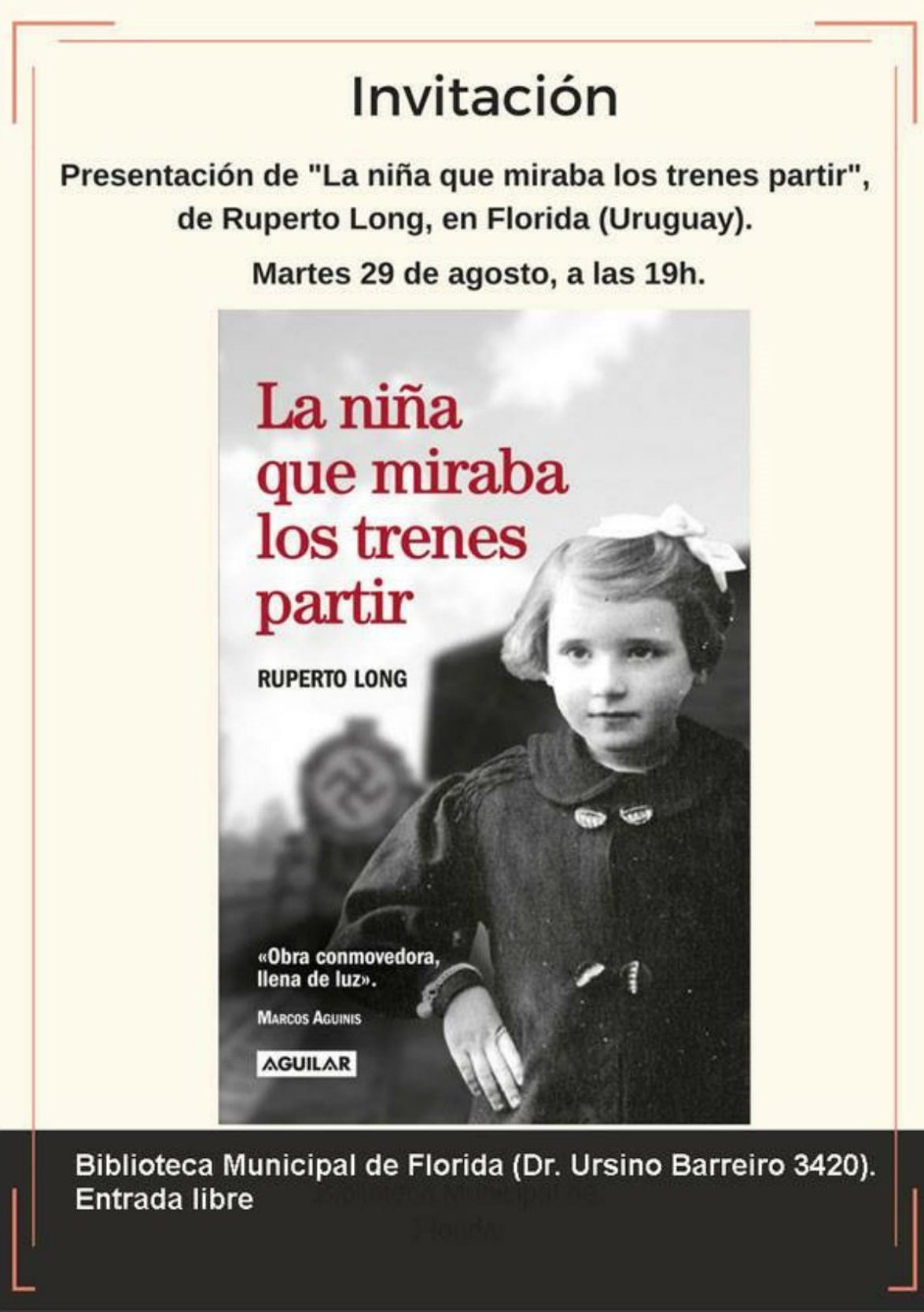
August 29, 2017
Florida Municipal Library -
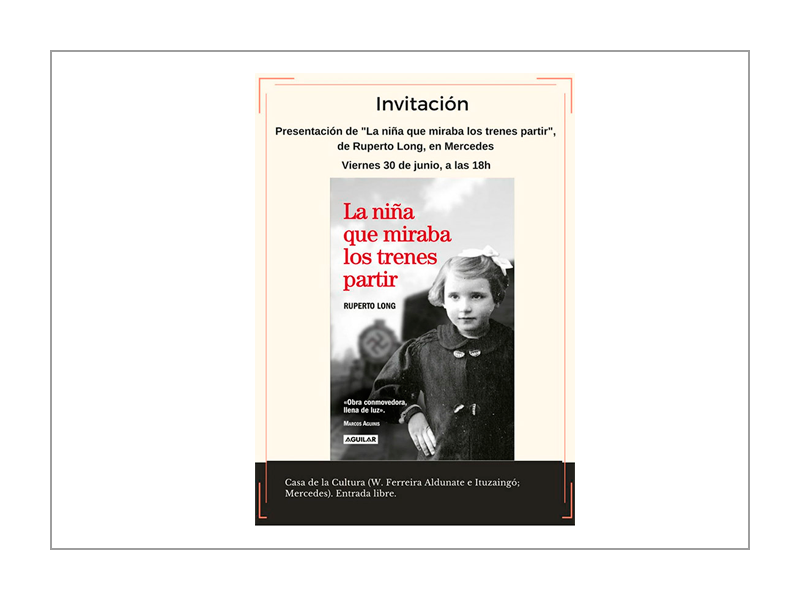
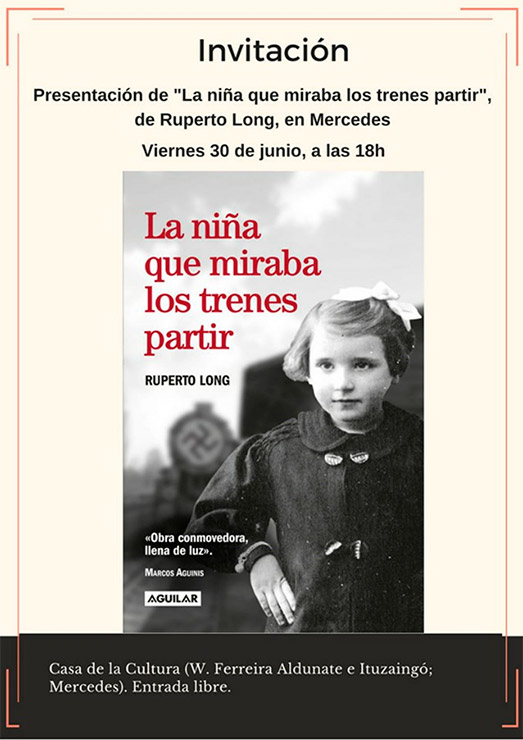
June 30, 2017
Cultural Center, Mercedes -
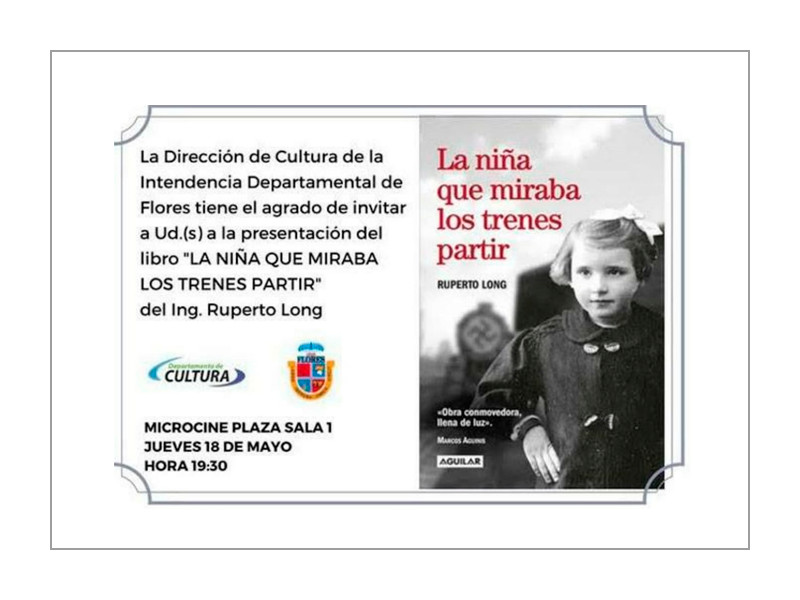
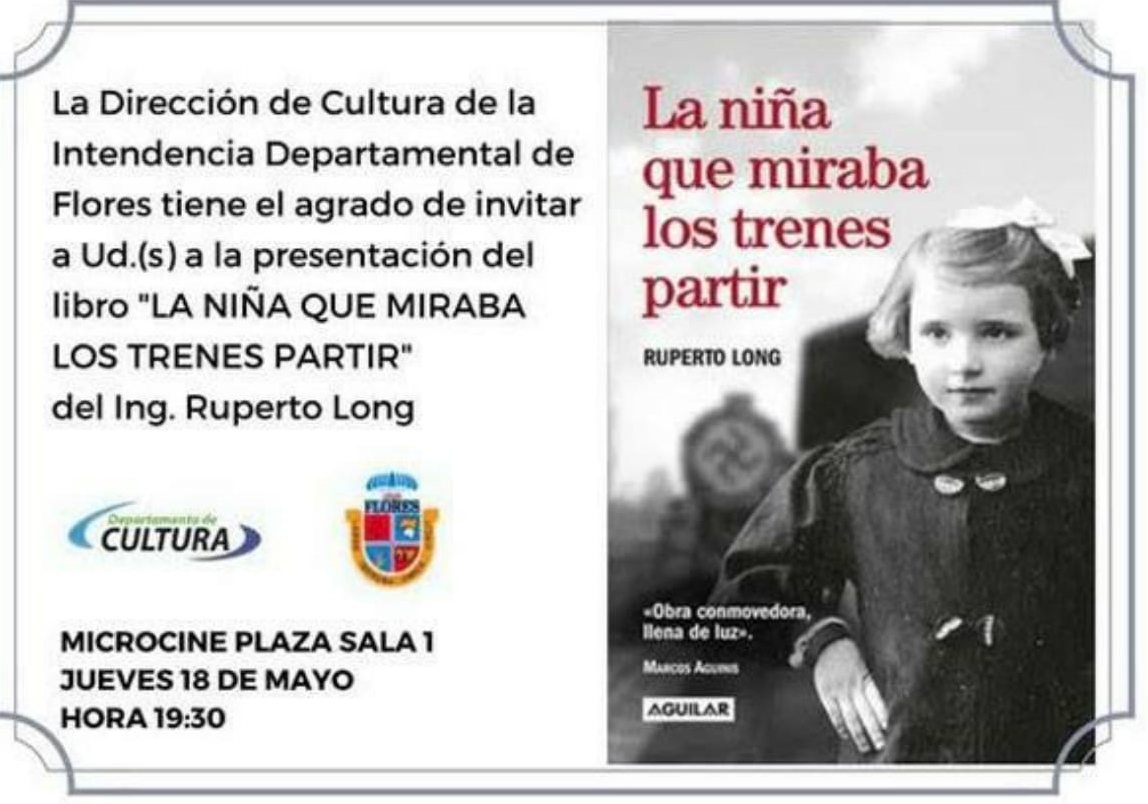
May 18, 2017
Flores Microcine Plaza -

February 16, 2017
WMW Cultural Space
, Punta del Este -

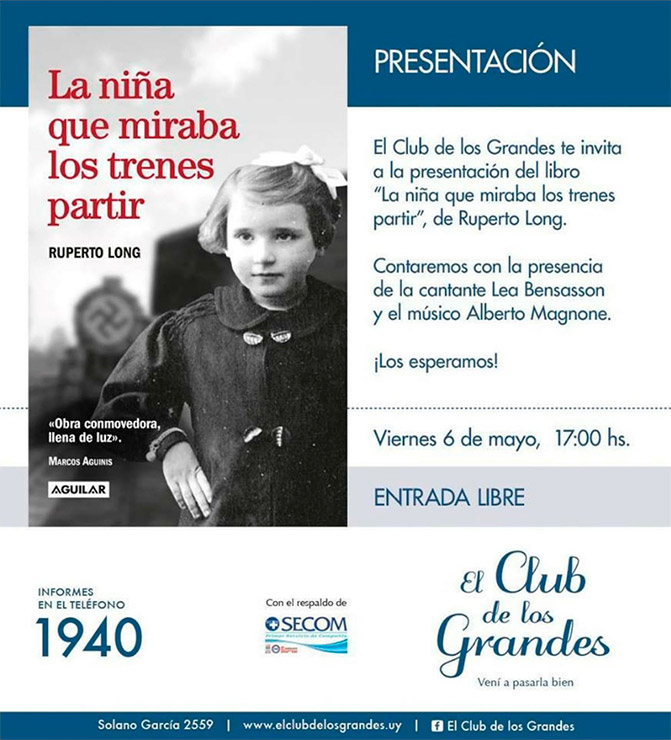
May 6, 2016
The Club of the Greats
Montevideo -
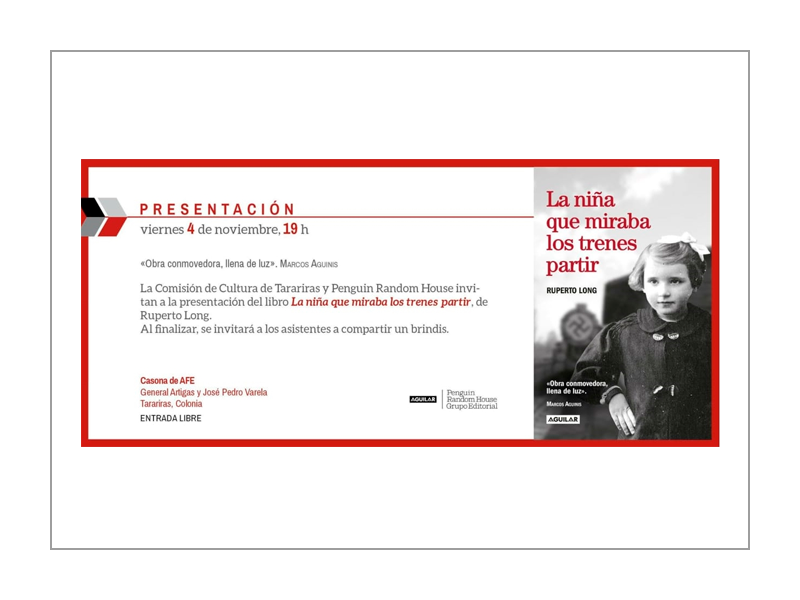
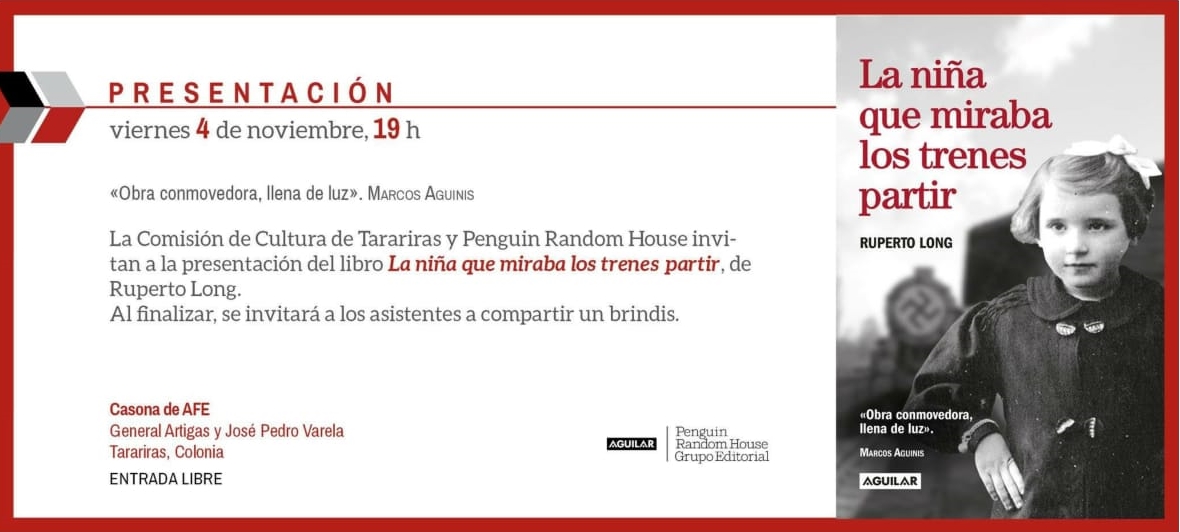
November 4, 2016
AFE Mansion
Tarariras -
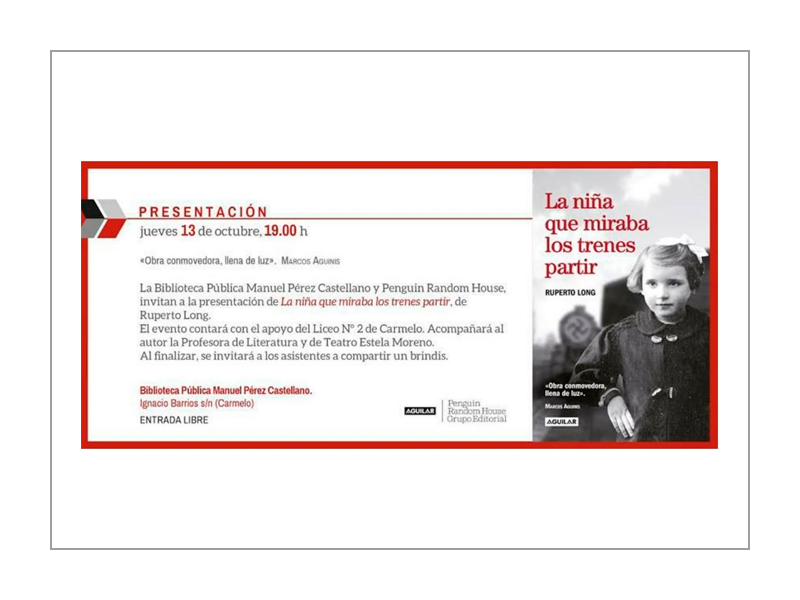
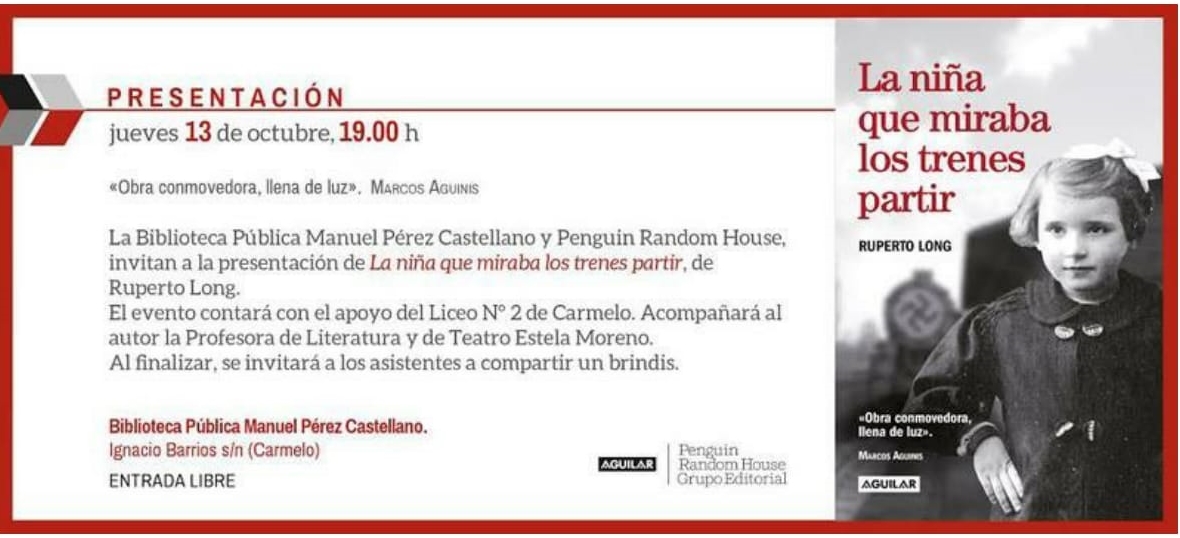
October 13, 2016
Manuel Pérez Castellano Public Library
Carmelo -
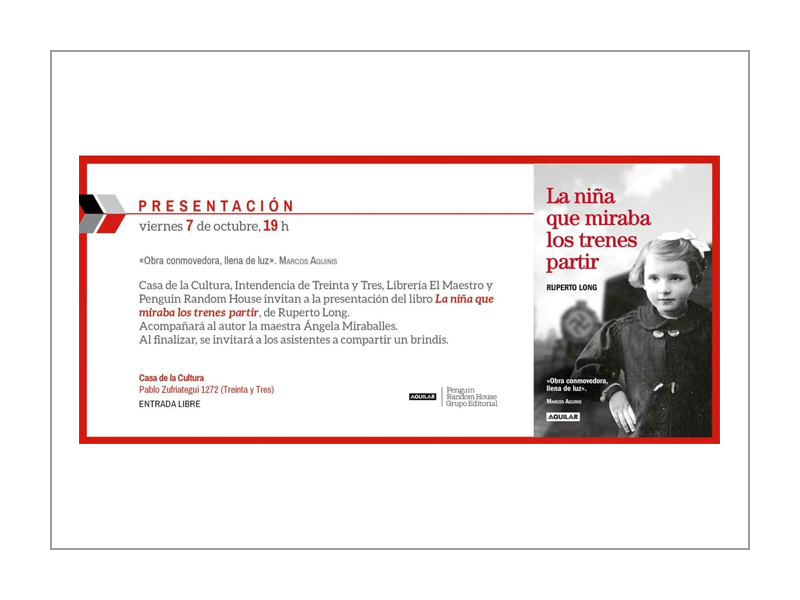
October 7, 2016
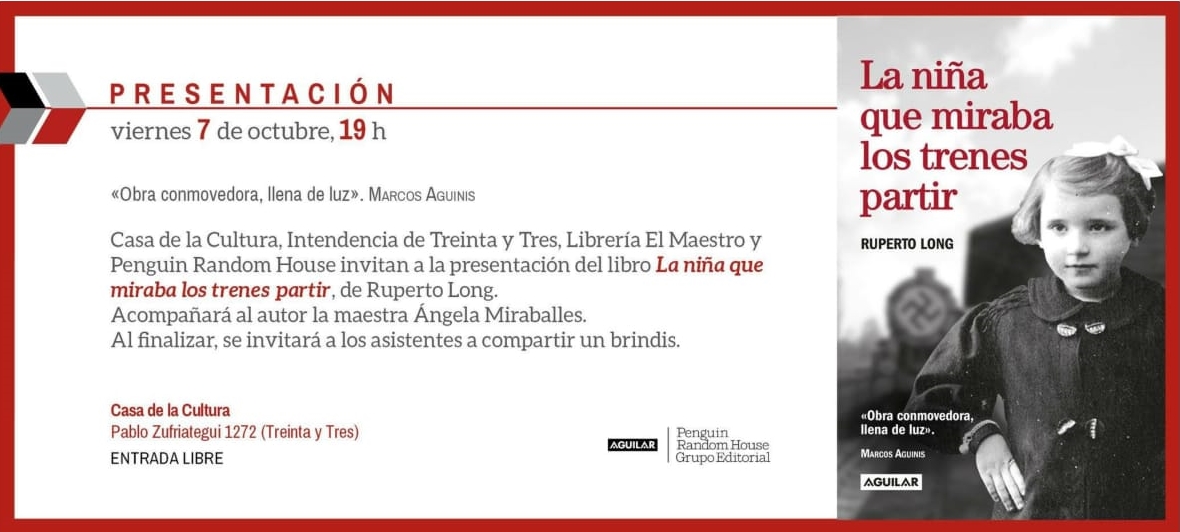
Cultural Center, Treinta y Tres -
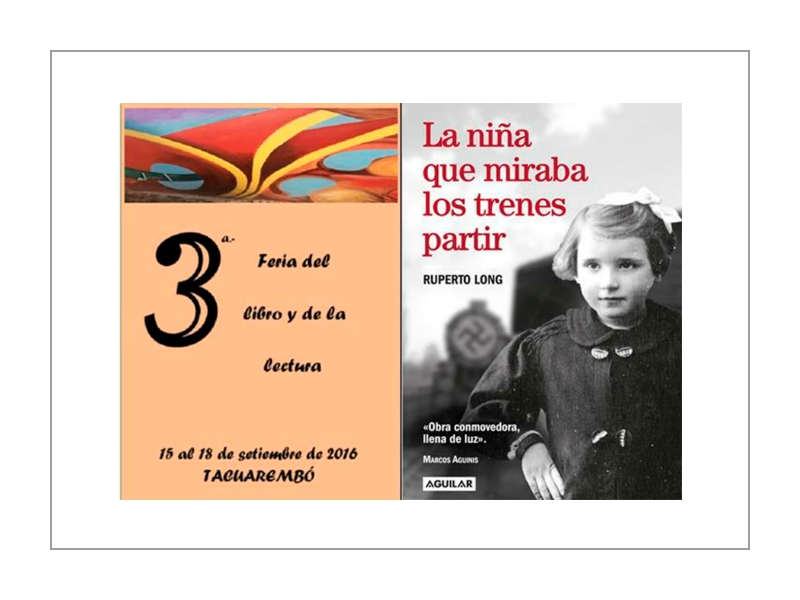
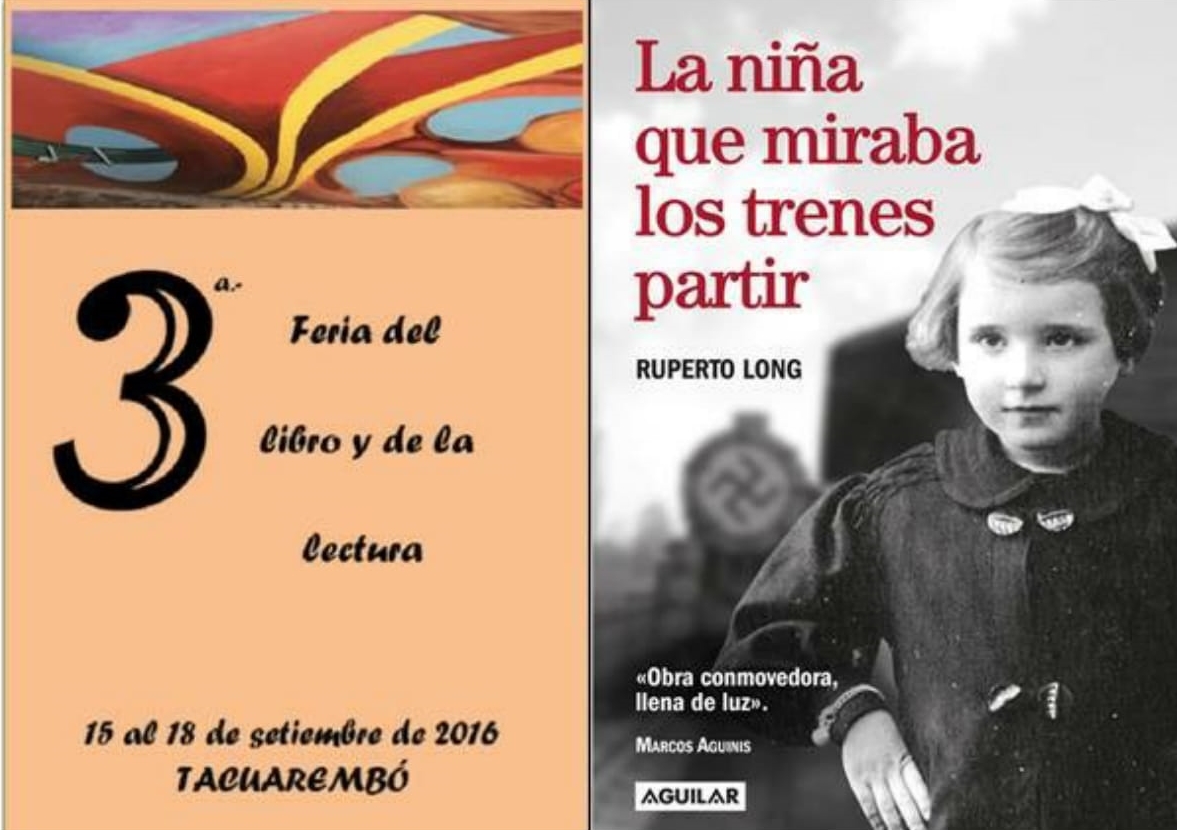
September 15, 2019 – September 18, 2016
Third Book and Reading Fair "
" in Tacuarembó -
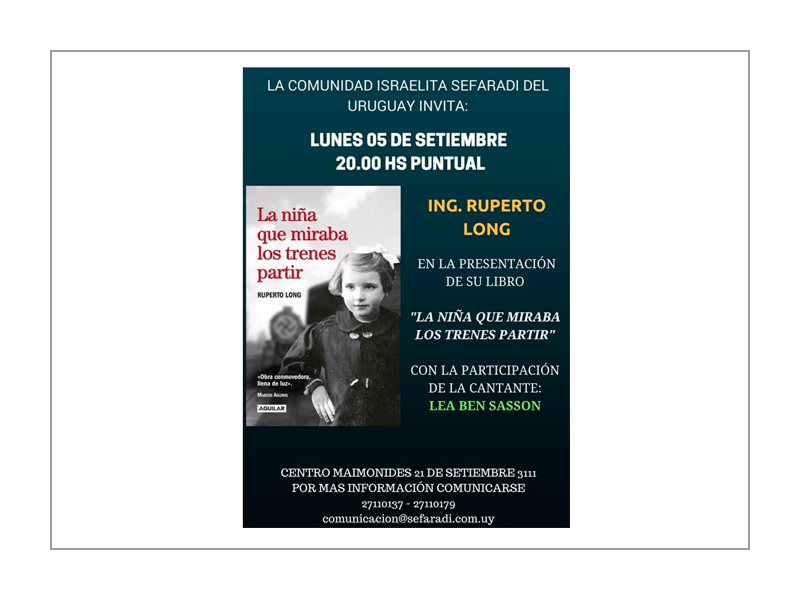
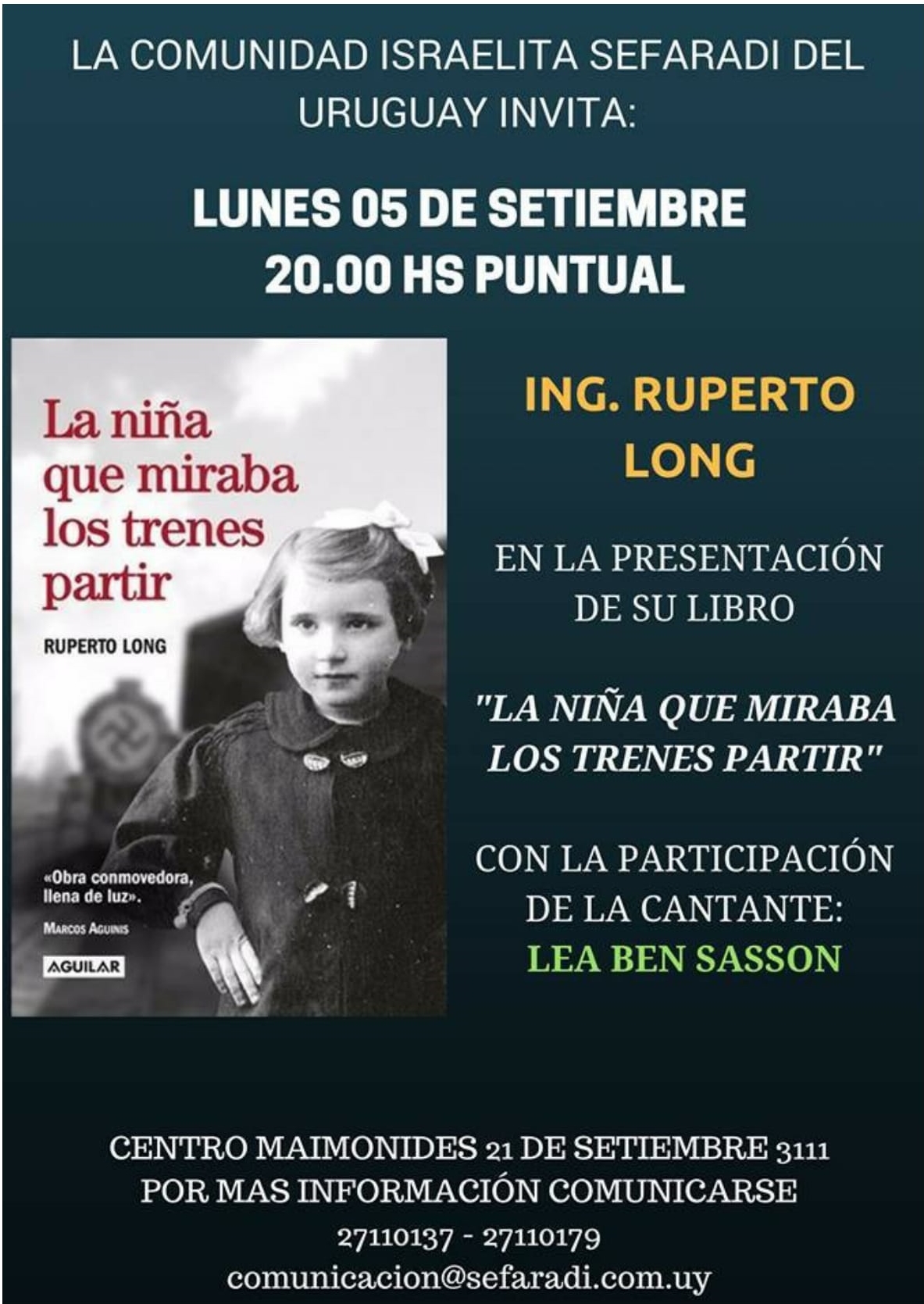
September 5, 2016
Maimónides Center
Montevideo -
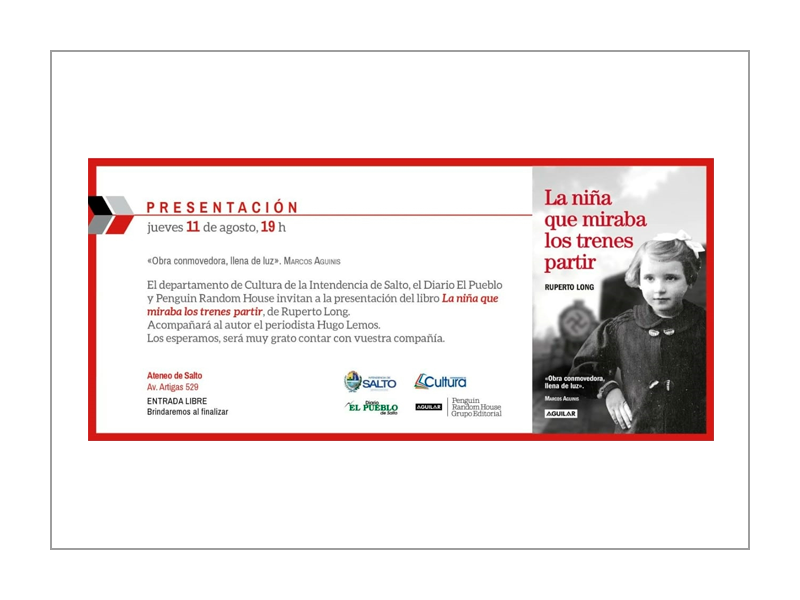
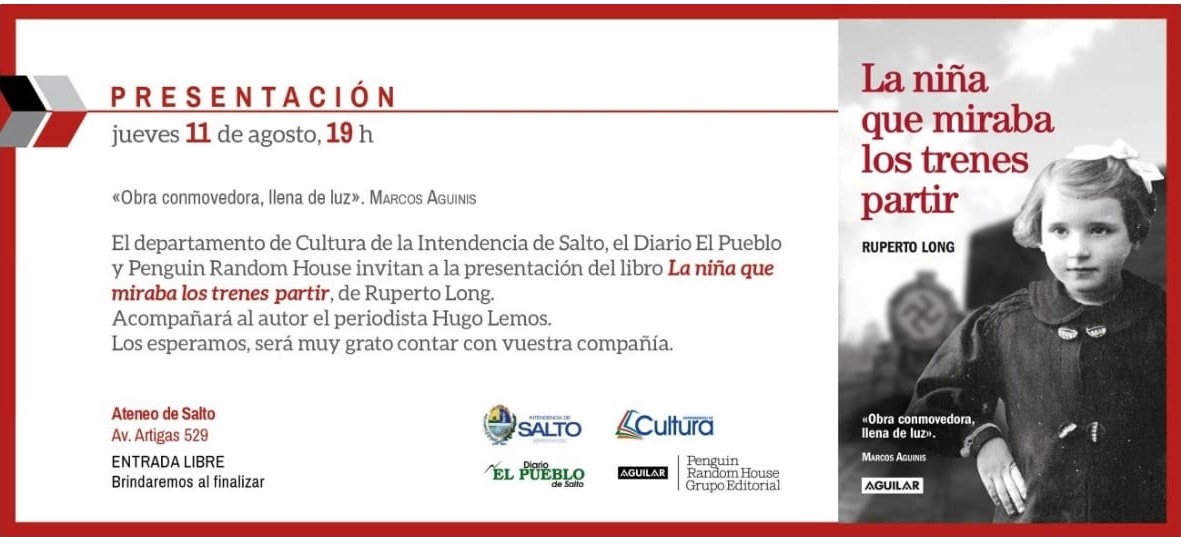
August 11, 2016
, Salto -
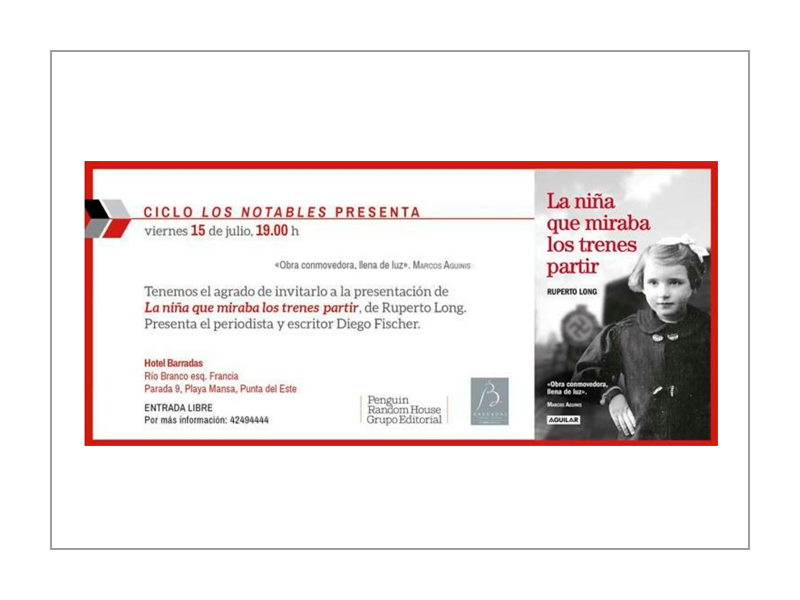
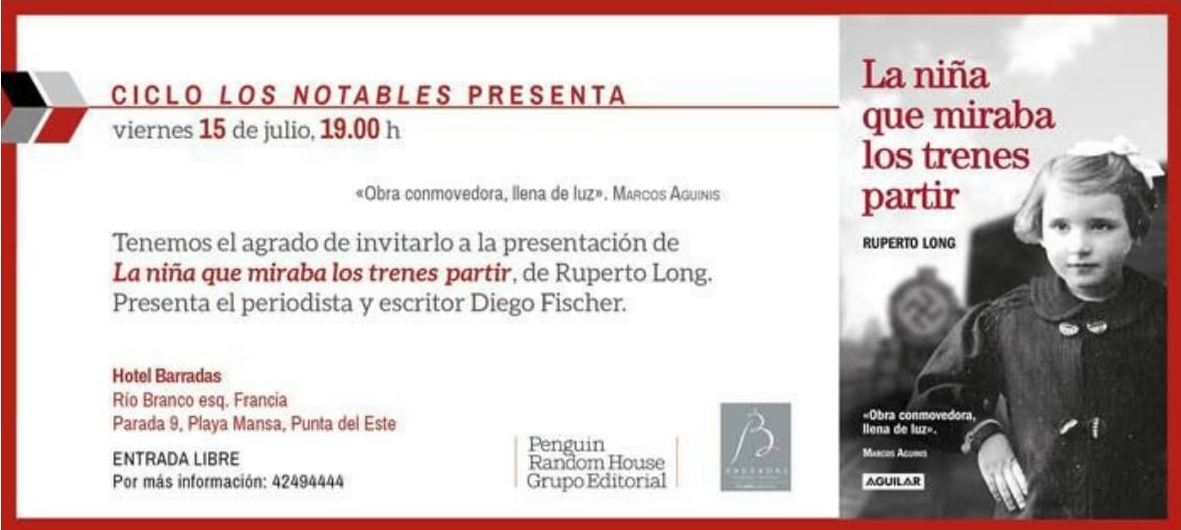
July 15, 2016
Hotel Barradas
, Punta del Este -
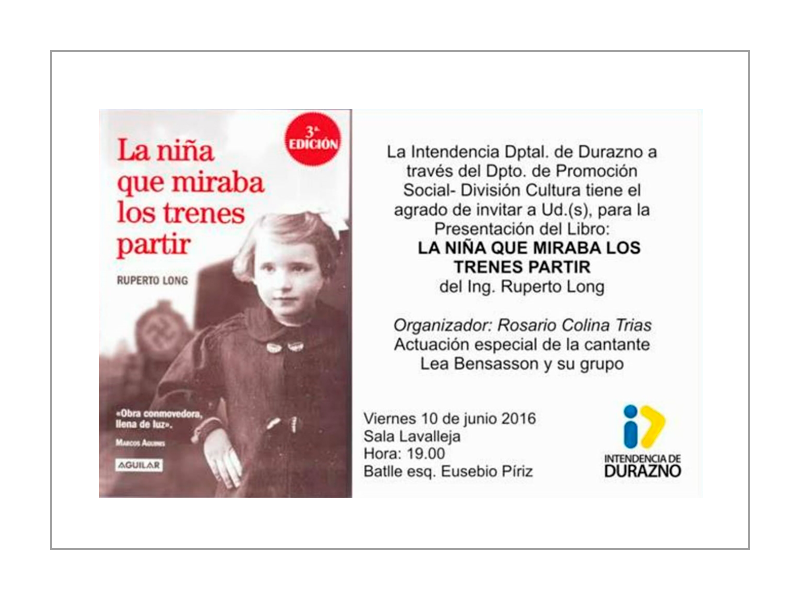
June 10, 2016
Lavalleja Hall
, Durazno -
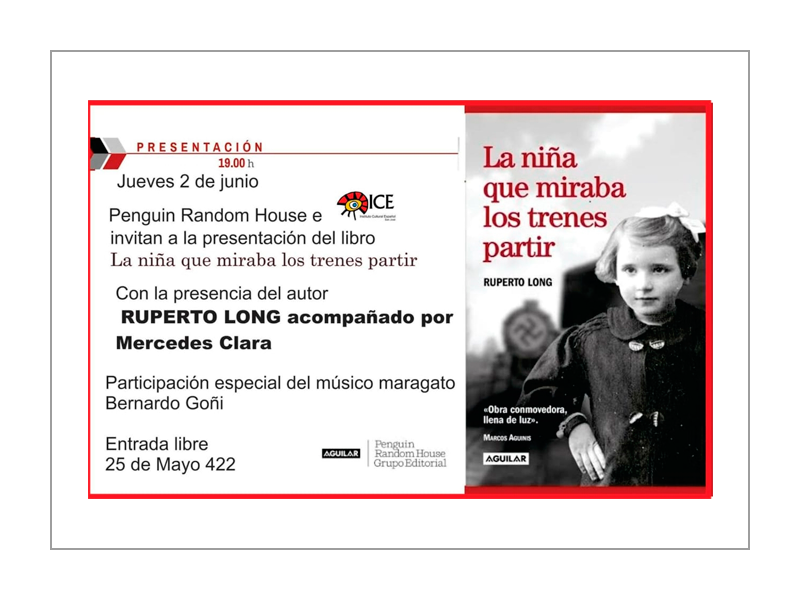
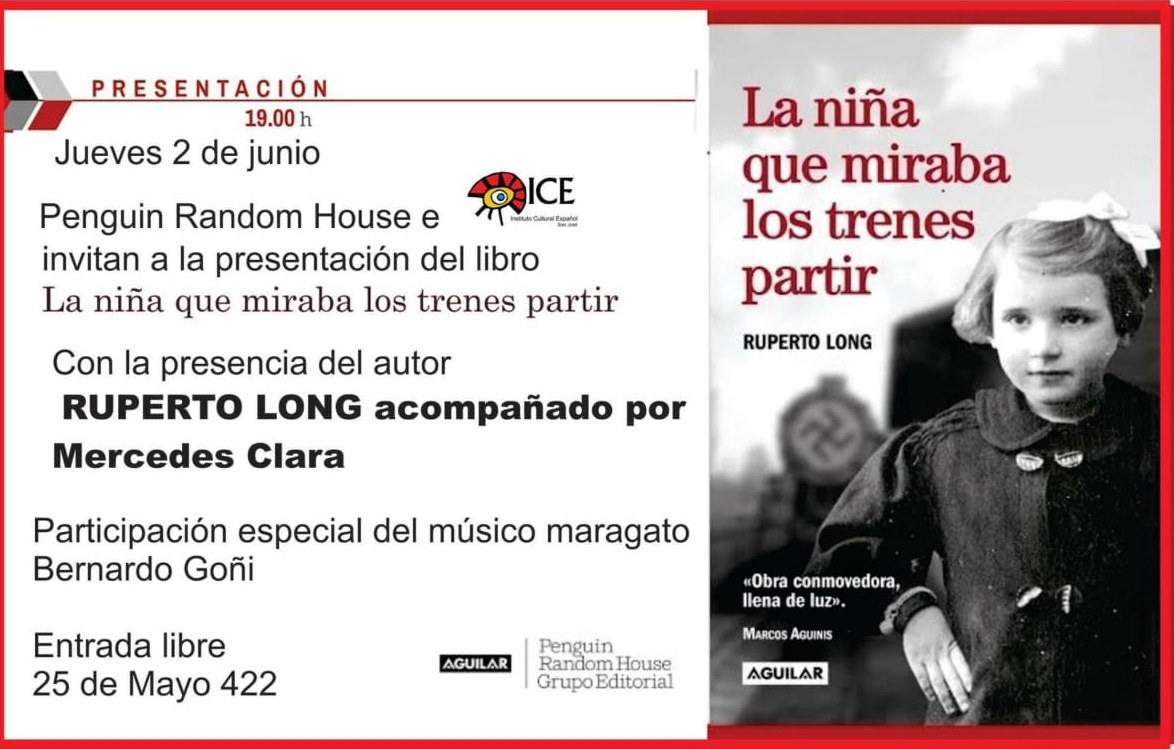
June 2, 2016
Spanish Cultural Institute "
" Montevideo -
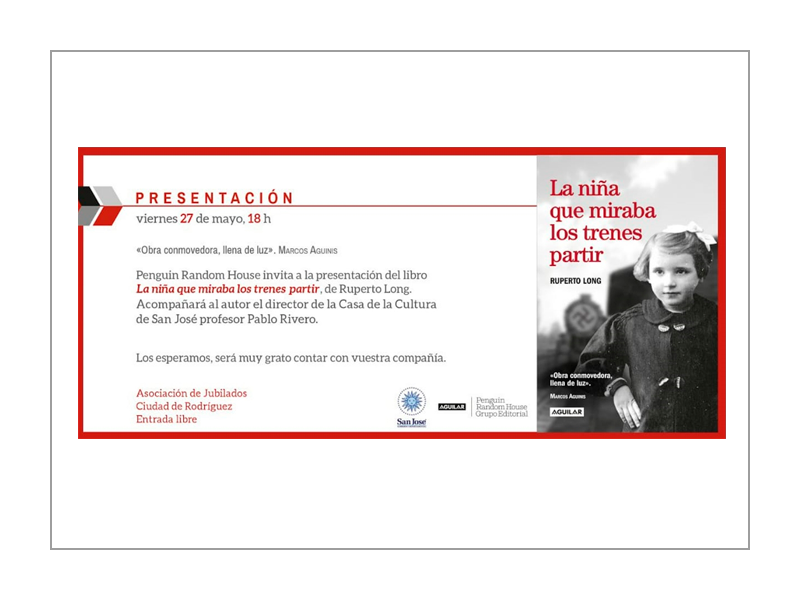
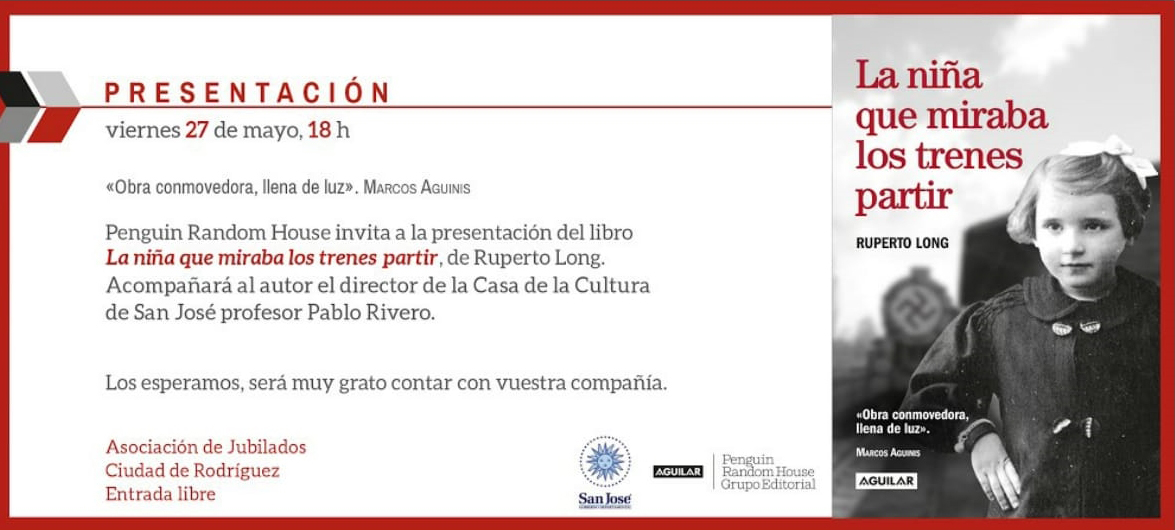
May 27, 2016
San José Retirees Association -
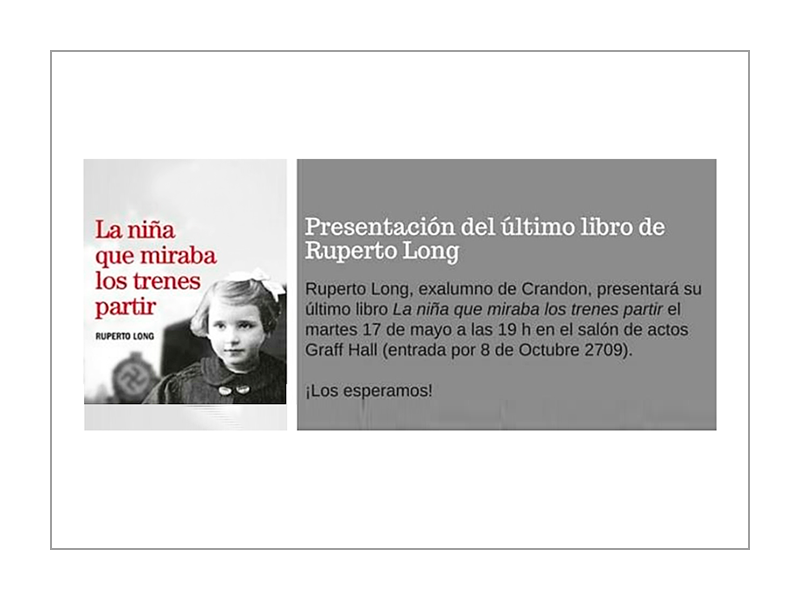
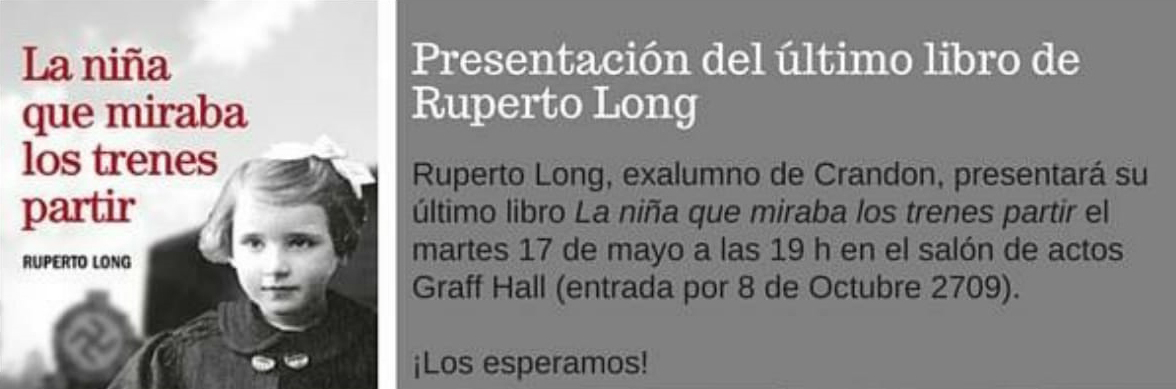
May 17, 2016
Crandon Institute
Montevideo -
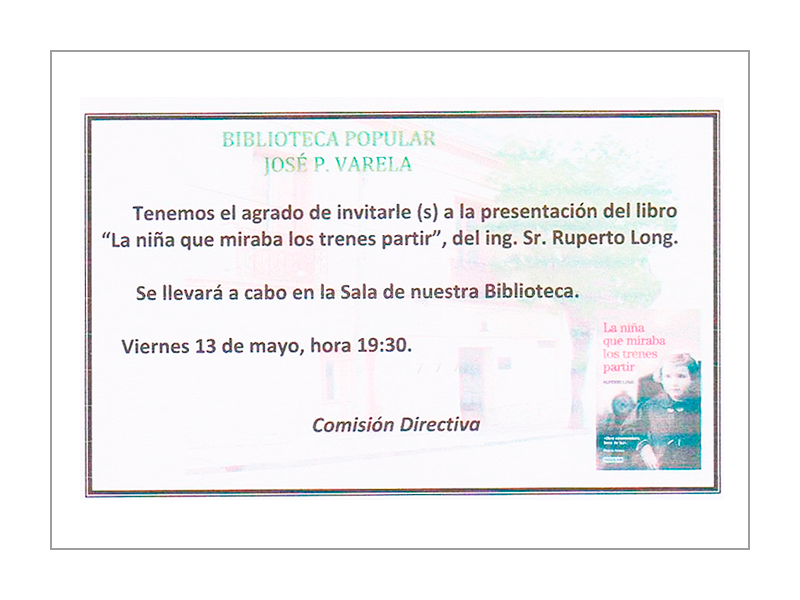
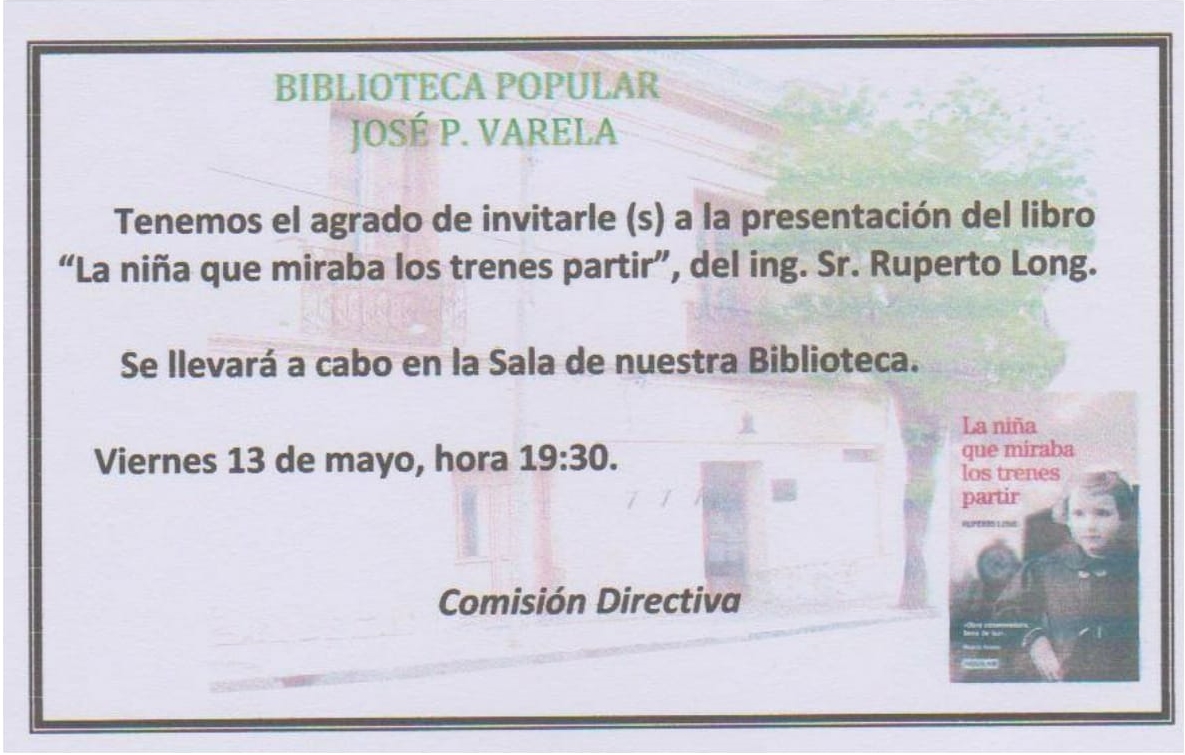
May 13, 2016
José Pedro Varela Public Library,
, Rosario


Around the world
-
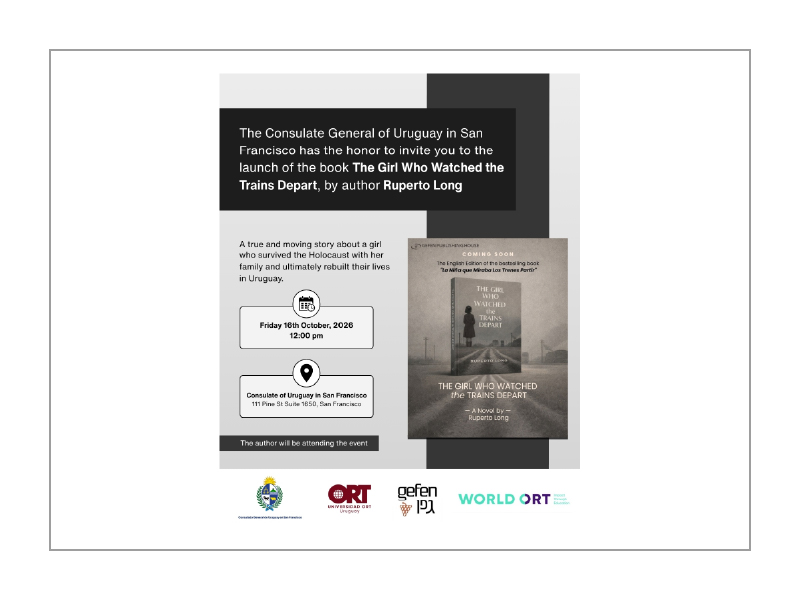
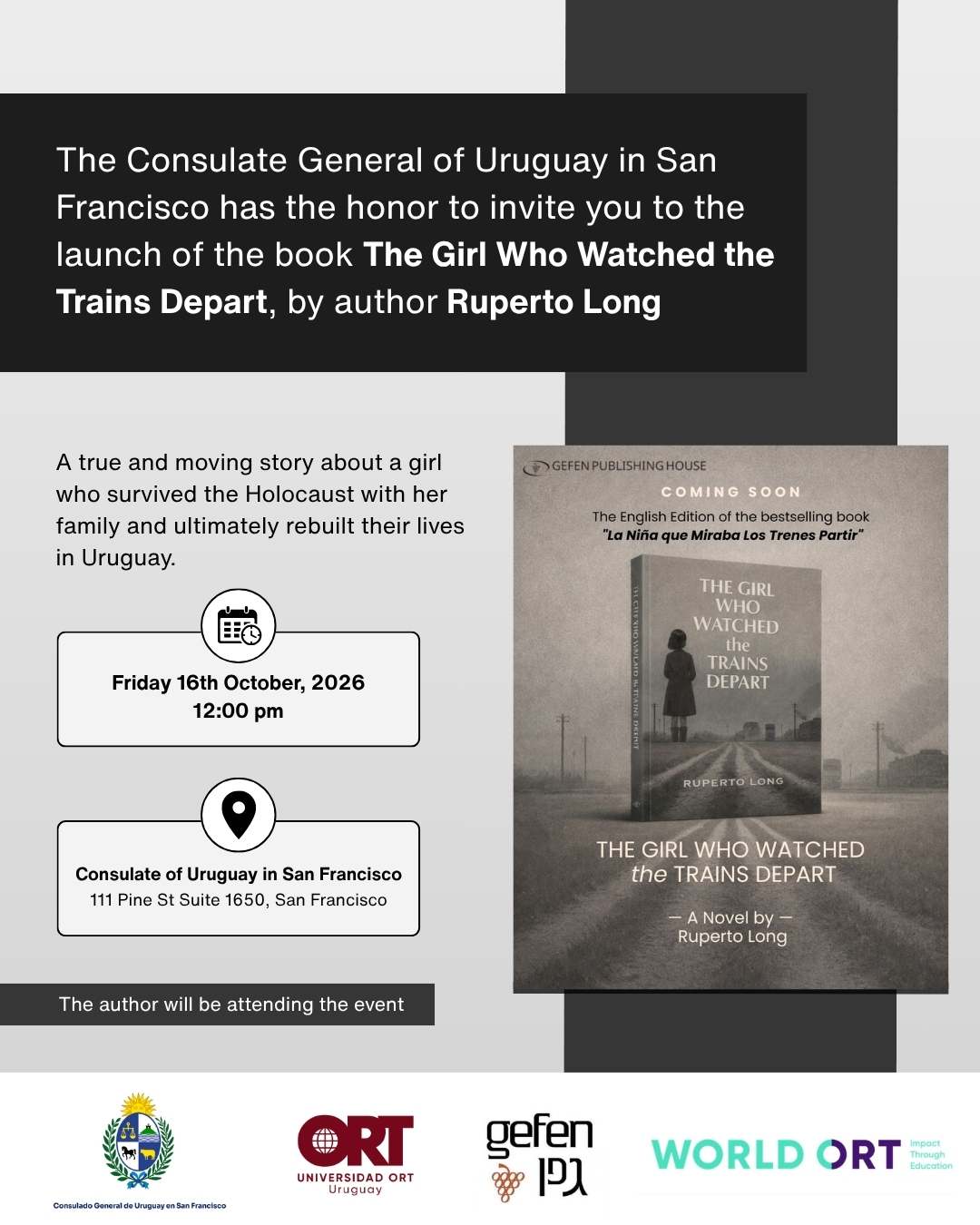
October 16, 2026
Consulate General of Uruguay,
, San Francisco, United States -
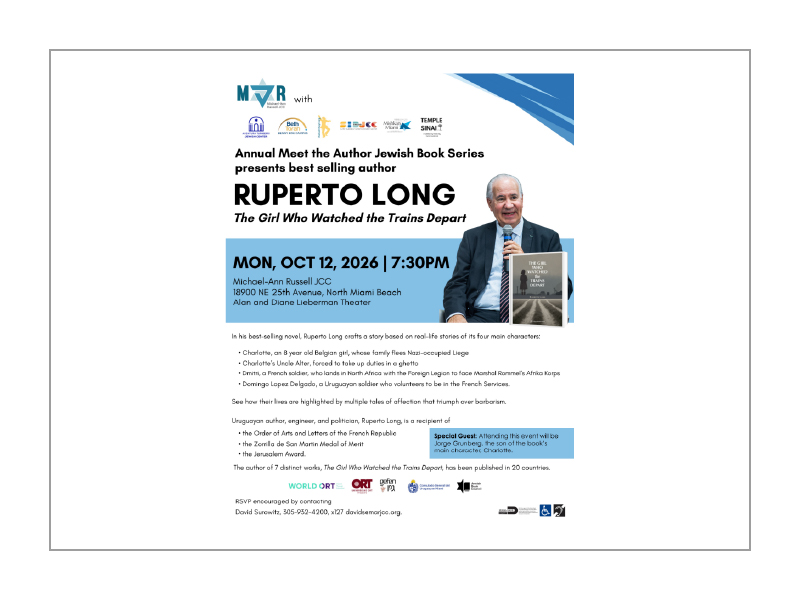
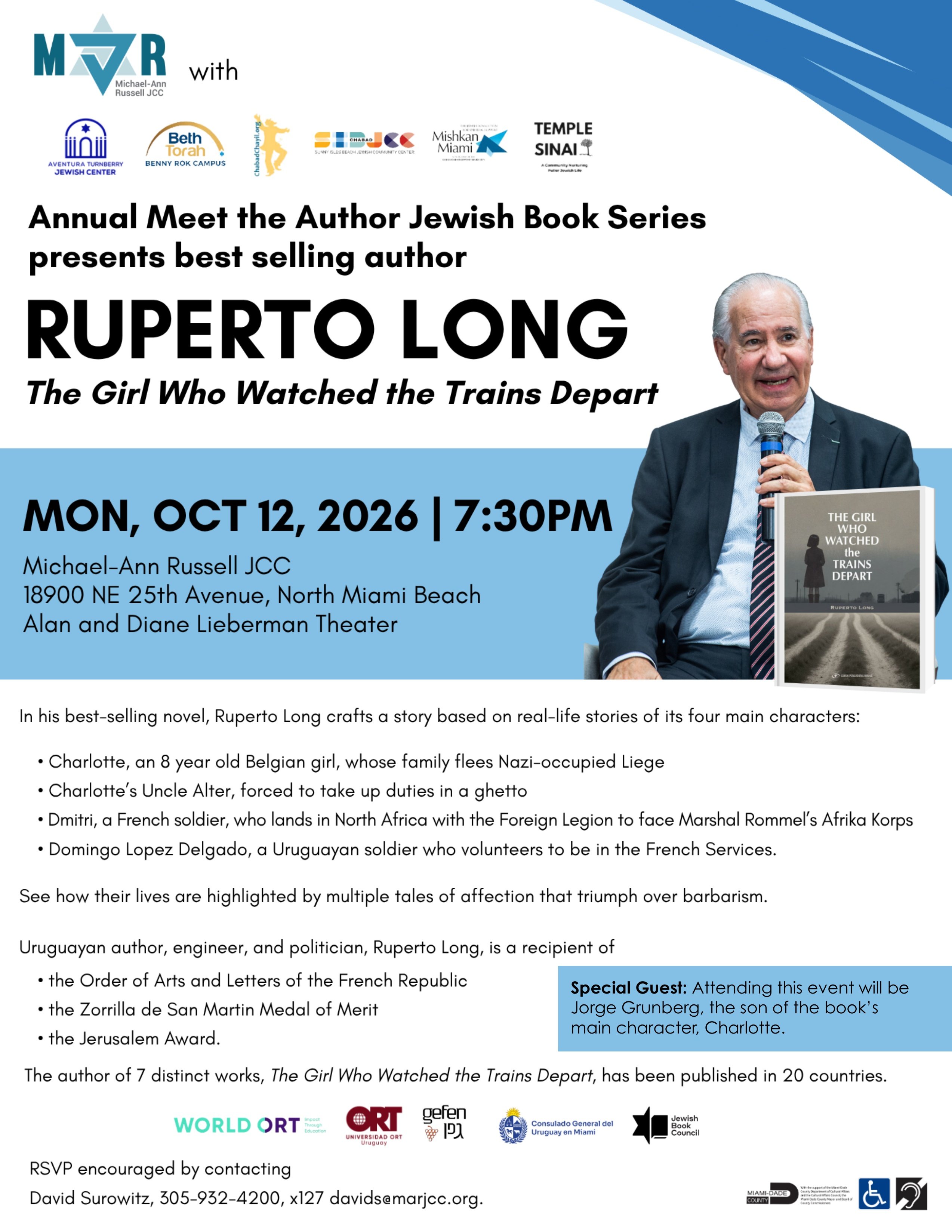
October 12, 2026
Michael-Ann Russell JCC
Miami, United States -
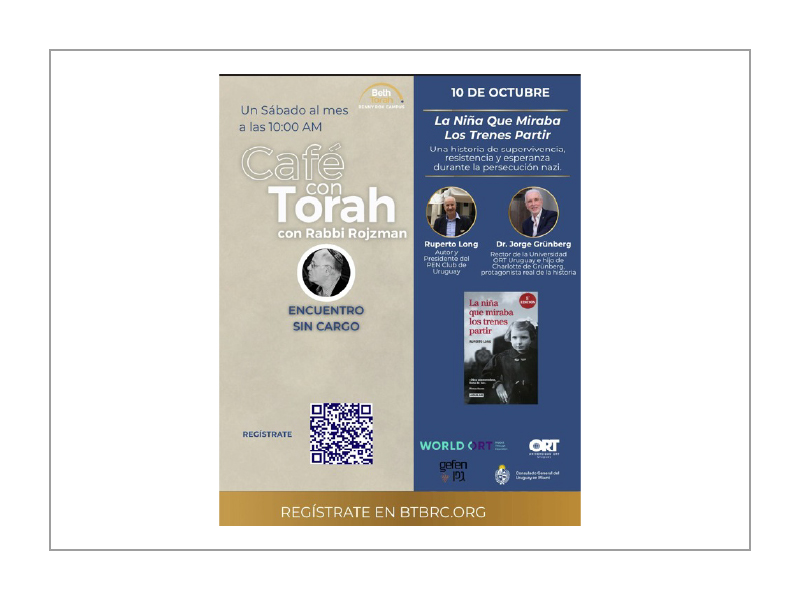
October 10, 2026
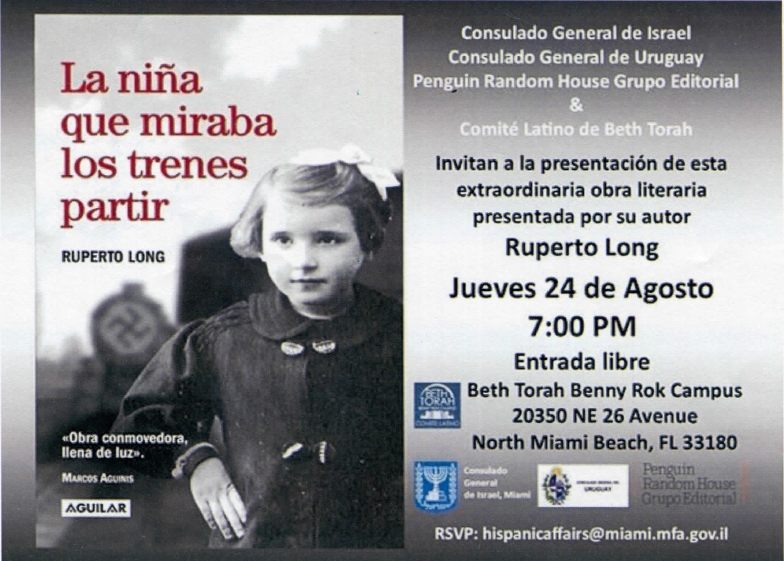
Beth Torah Benny Rok Campus,
, Miami, United States -
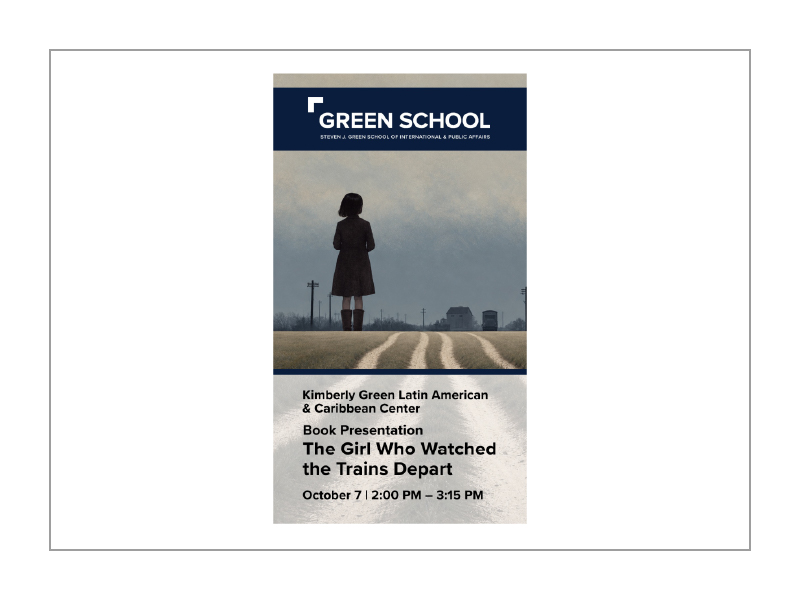
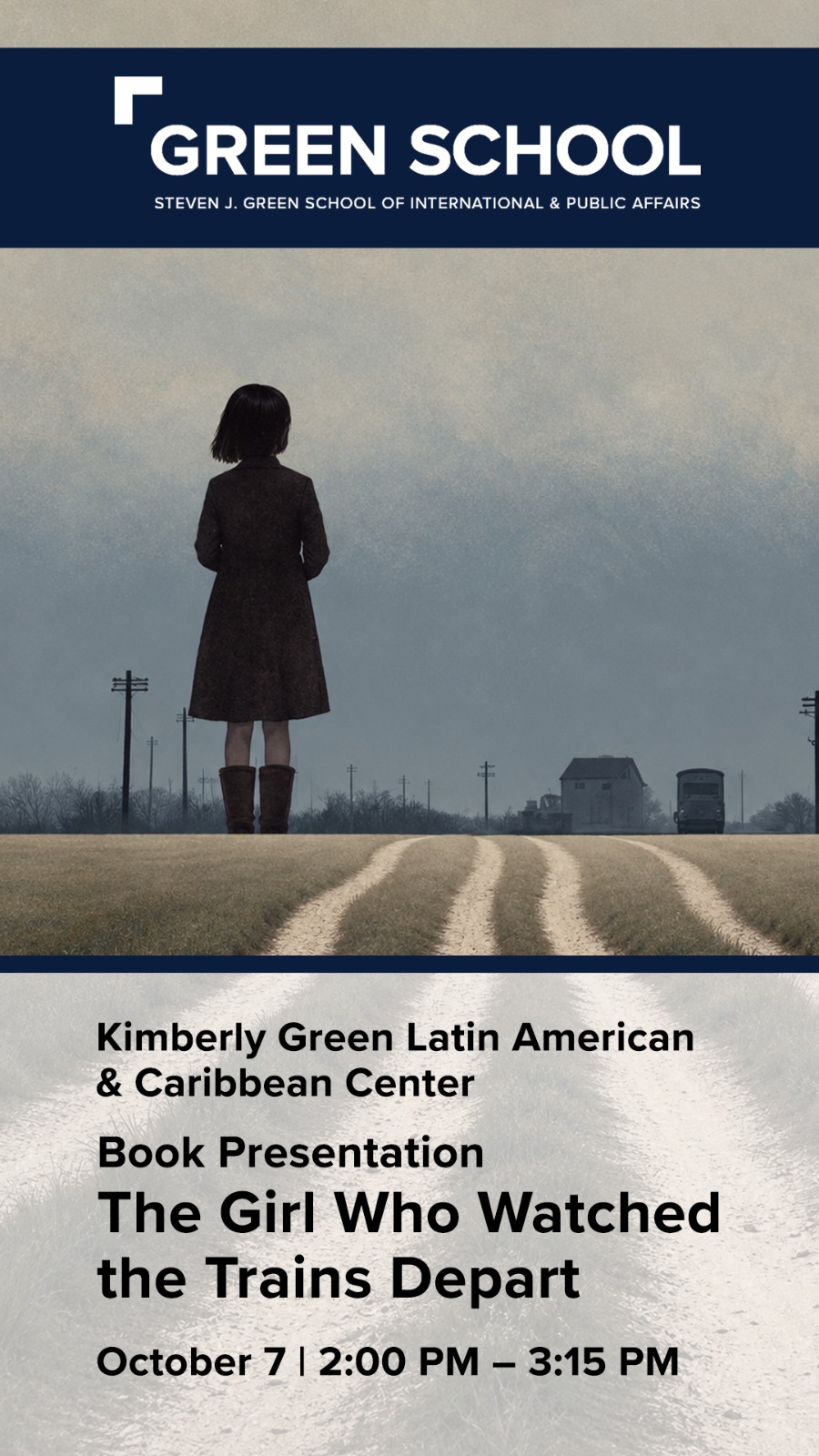
October 7, 2026
Florida International University
Miami, United States -
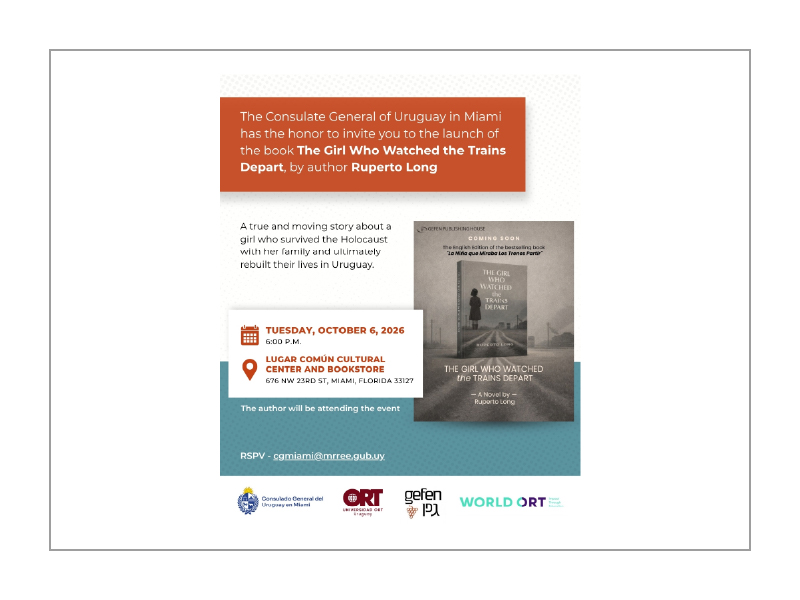
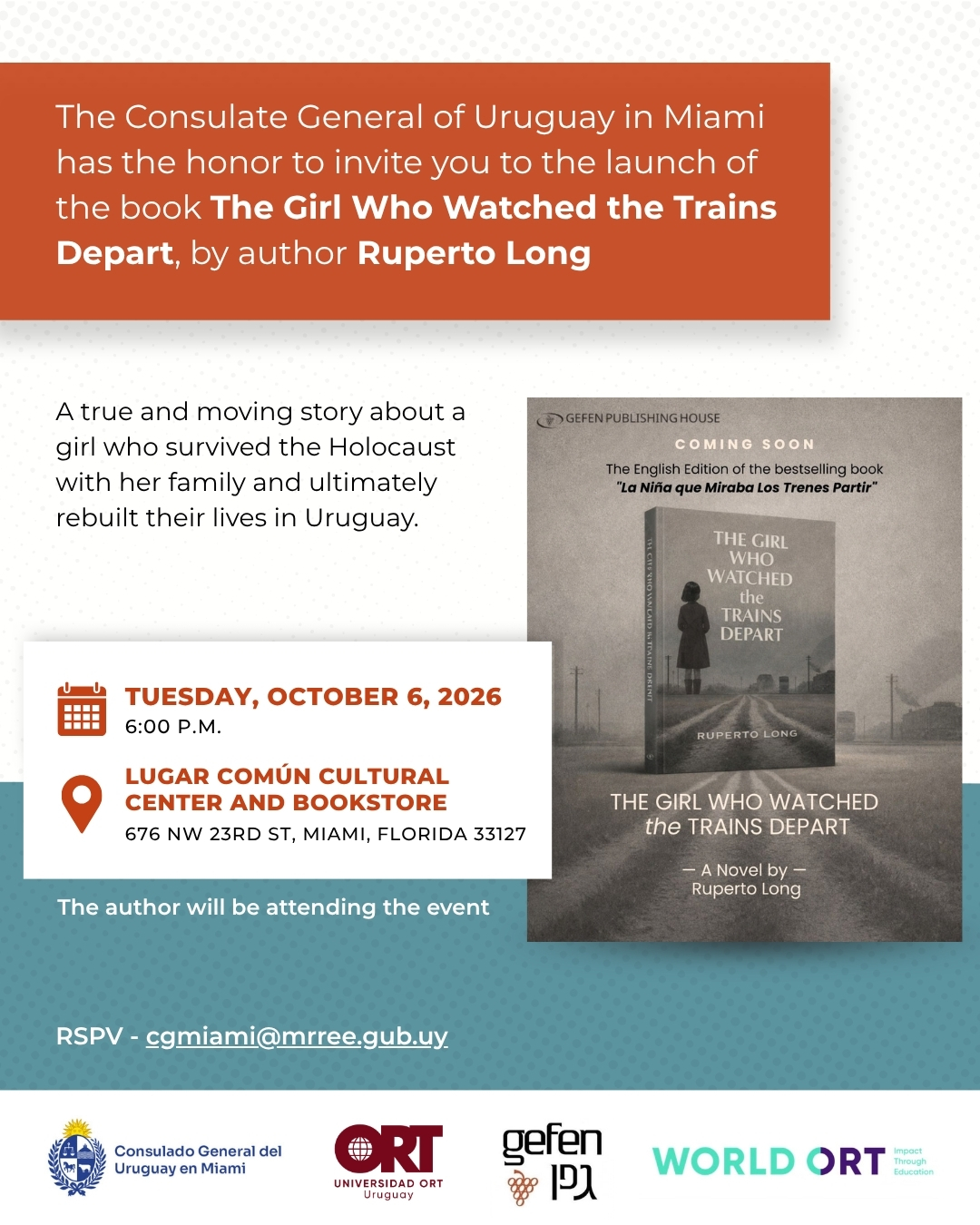
October 6, 2026
Lugar Común Cultural Center and Bookstore
Miami, United States -
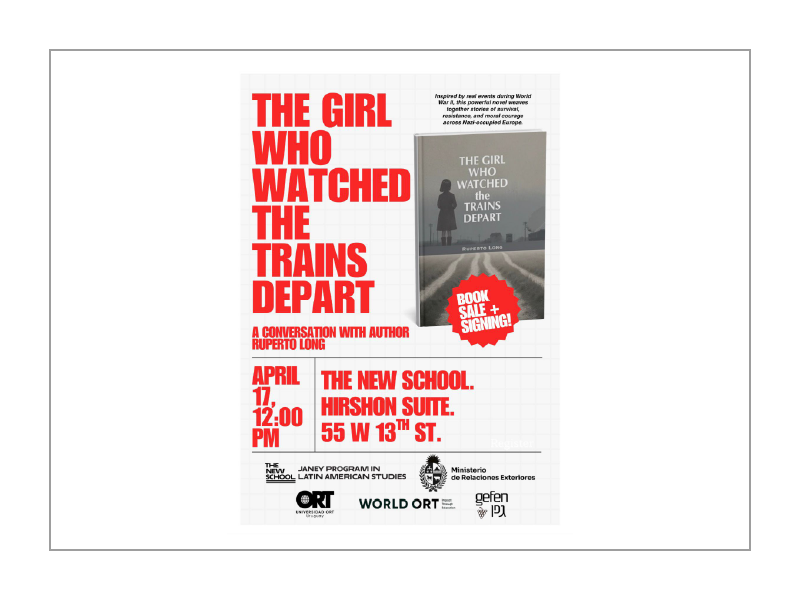
April 17, 2026
The New School for Social Research
New York, United States -
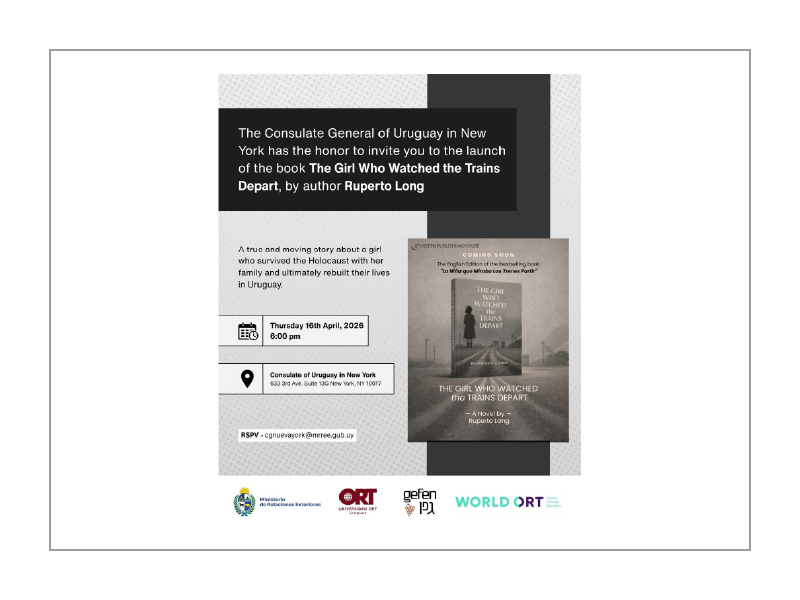
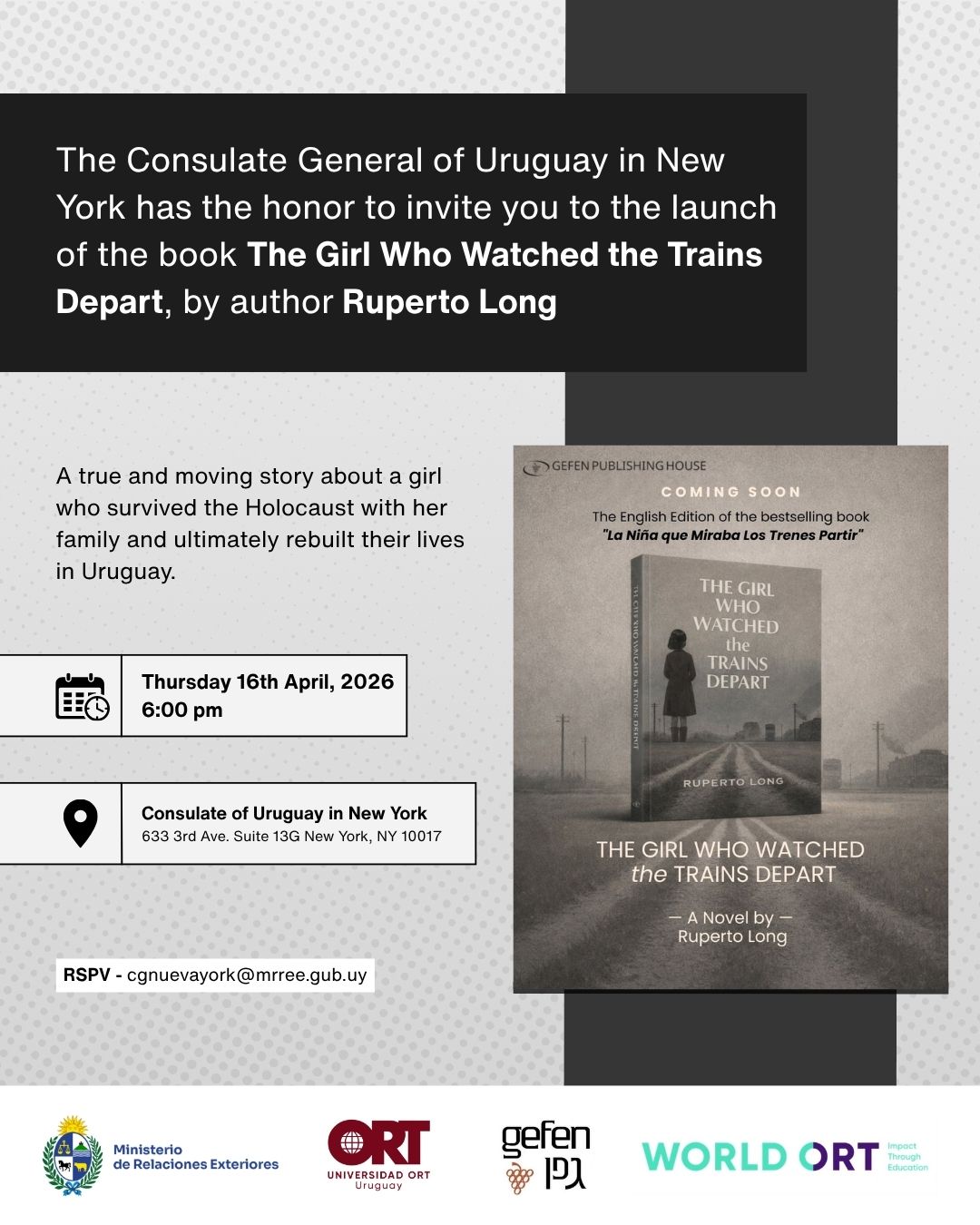
April 16, 2026
Consulate General of Uruguay
New York, United States -
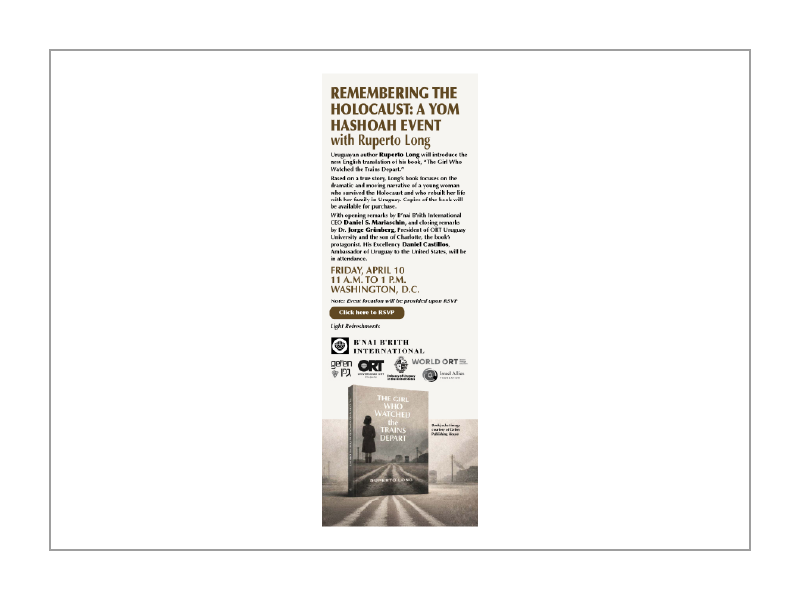
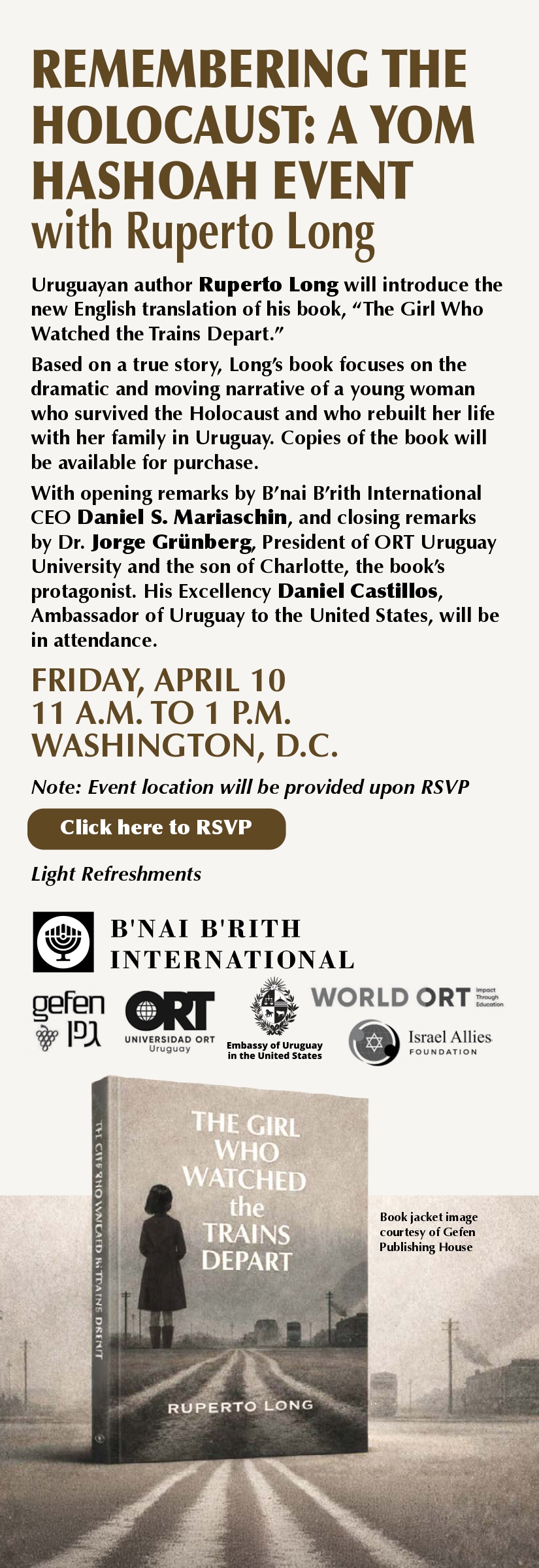
April 10, 2026
B'nai B'rith International
Washington, D.C., United States -
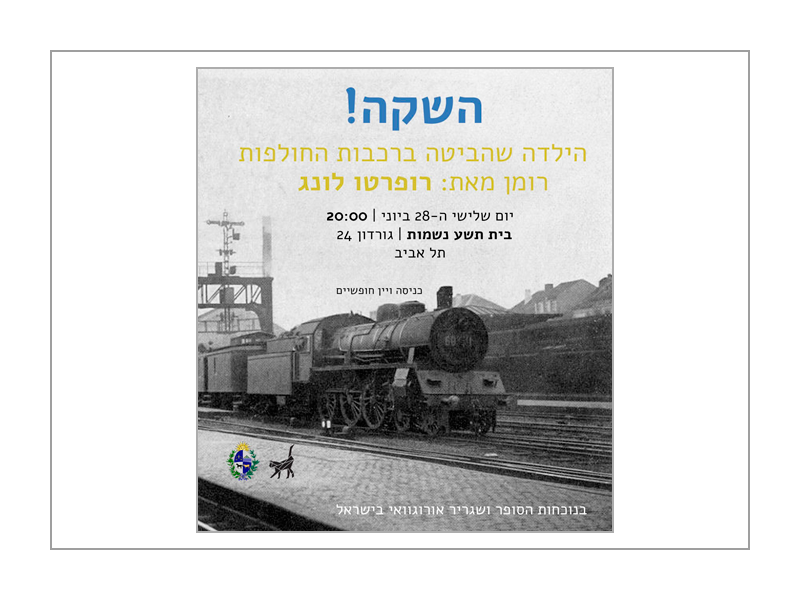
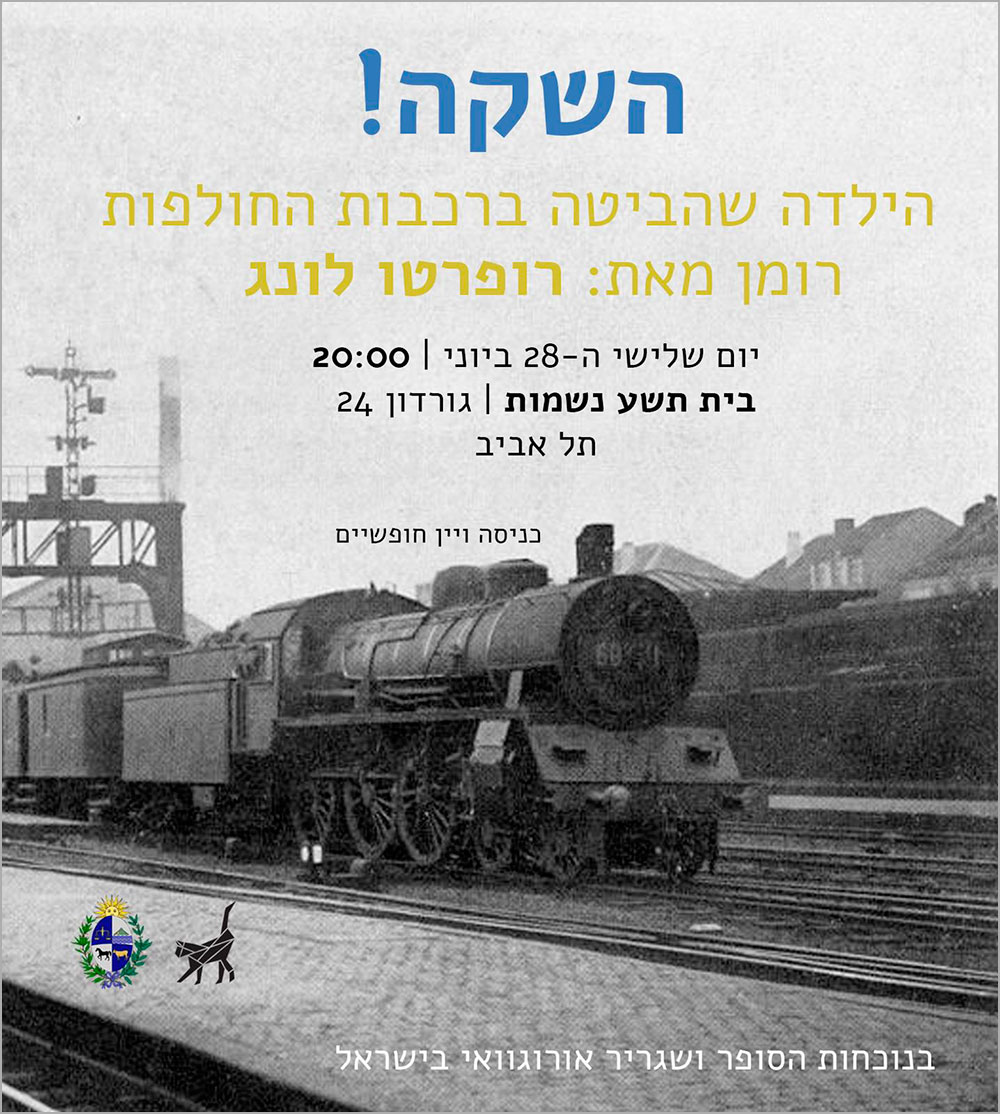
June 28, 2022
House of the Nine Souls
Tel Aviv, Israel -
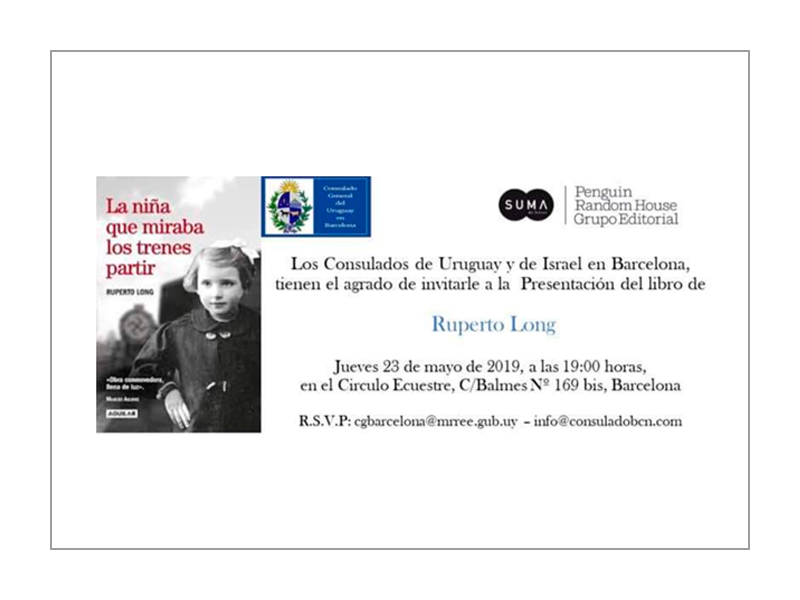
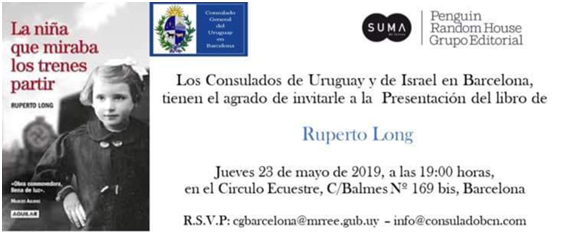
May 23, 2019
Círculo Ecuestre, 169 bis Balmes Street
, Barcelona, Spain -
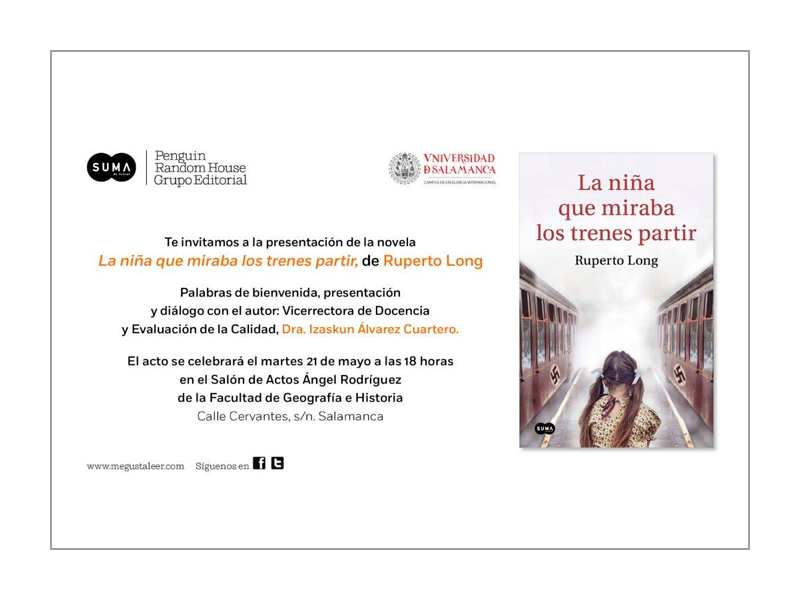
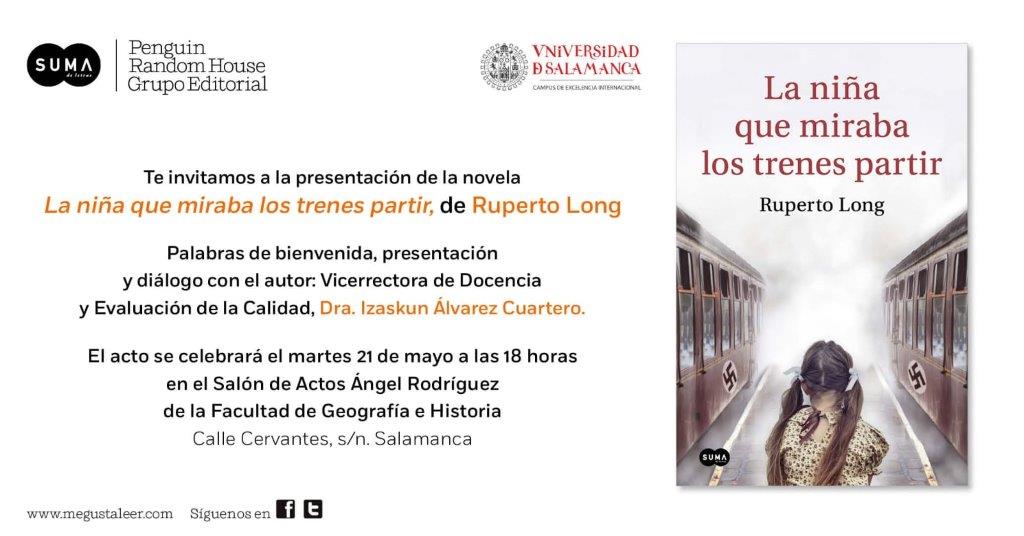
May 21, 2019
Ángel Rodríguez Auditorium, Faculty of Geography and History, University of Salamanca (
) - Spain -
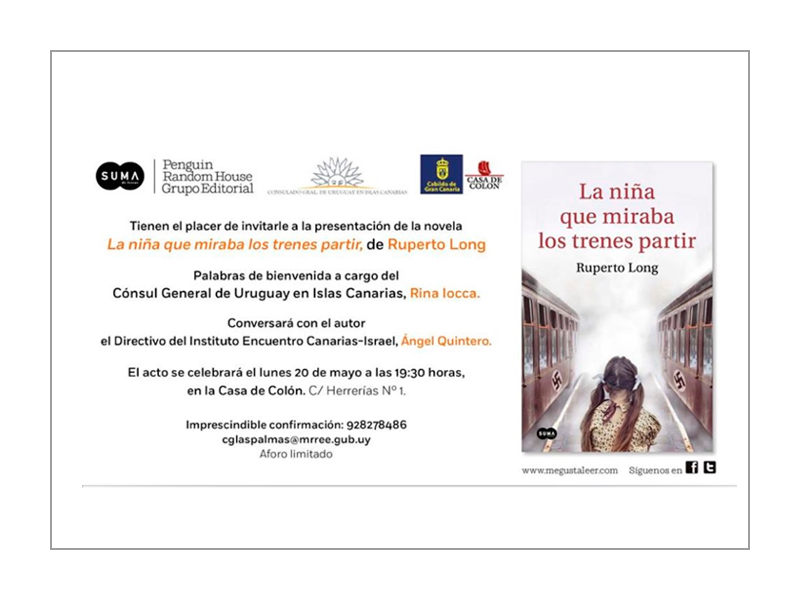
May 20, 2019
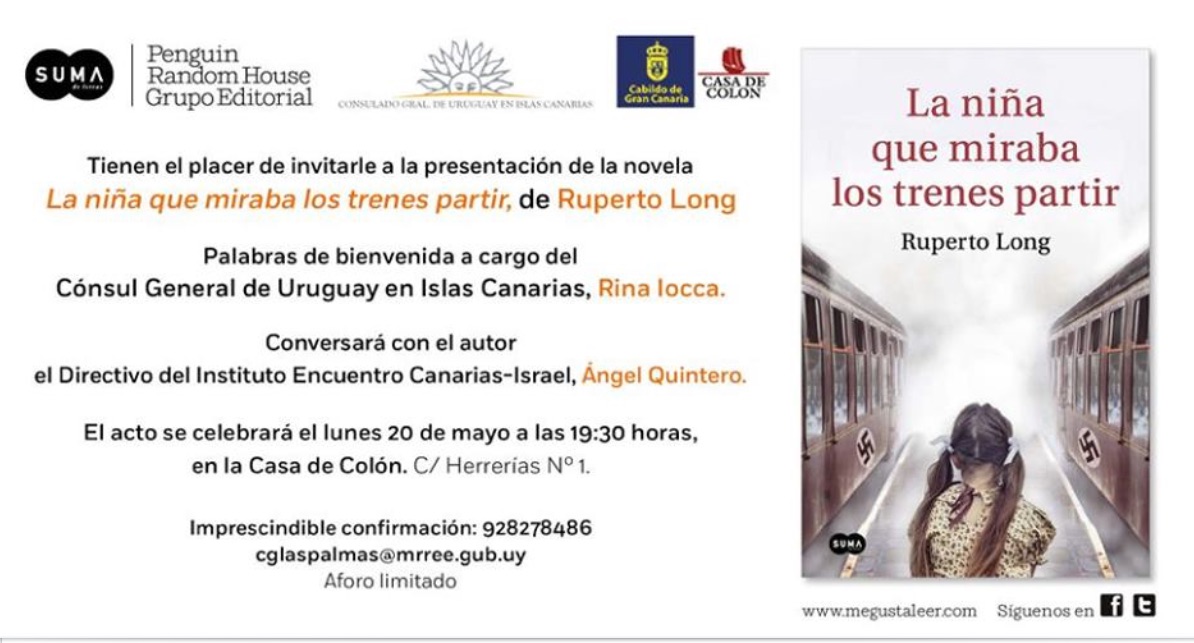
Casa de Colón
, Canary Islands - Spain -
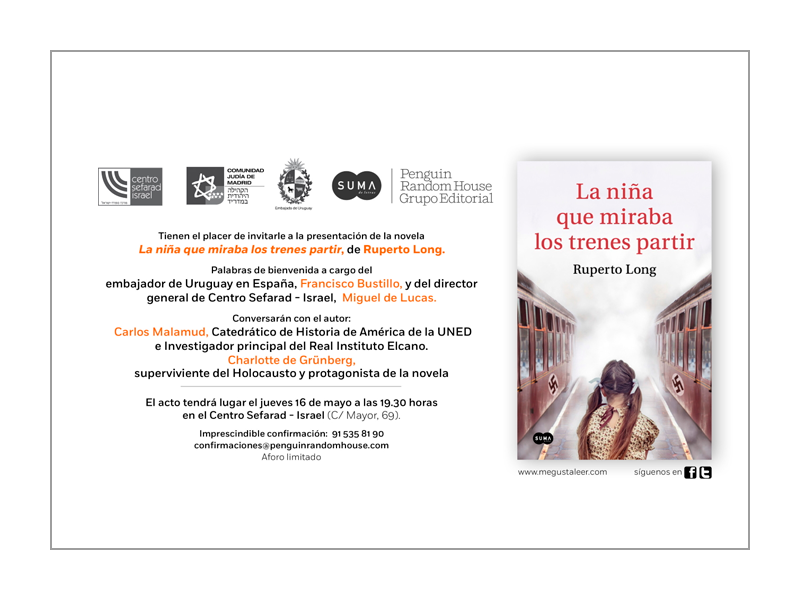
May 16, 2019
Sefarad Center - Israel
Madrid - Spain -
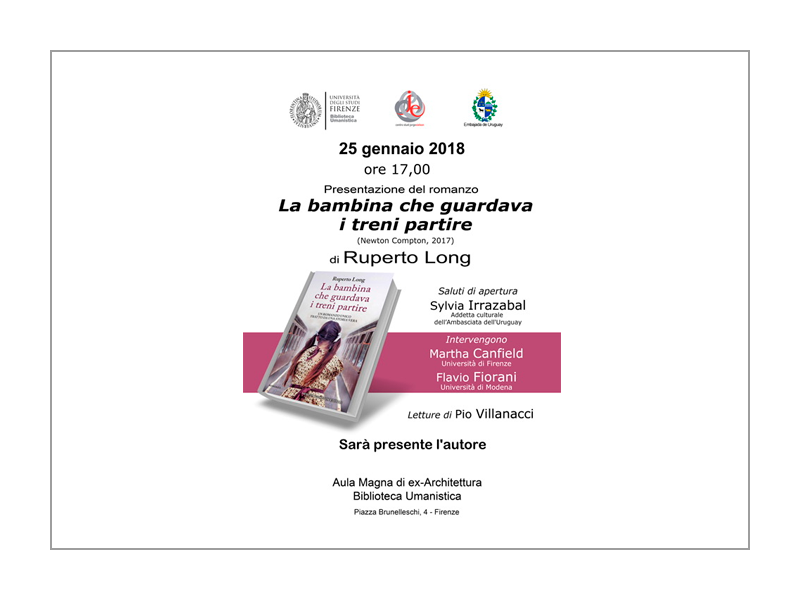
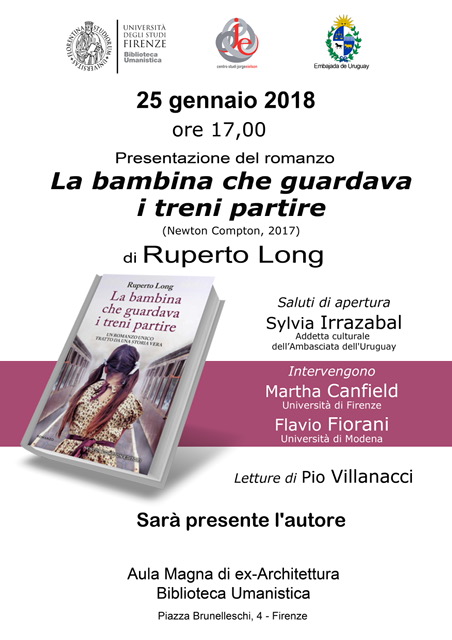
January 25, 2018
's Former Architecture Lecture Hall, Florence, Italy -
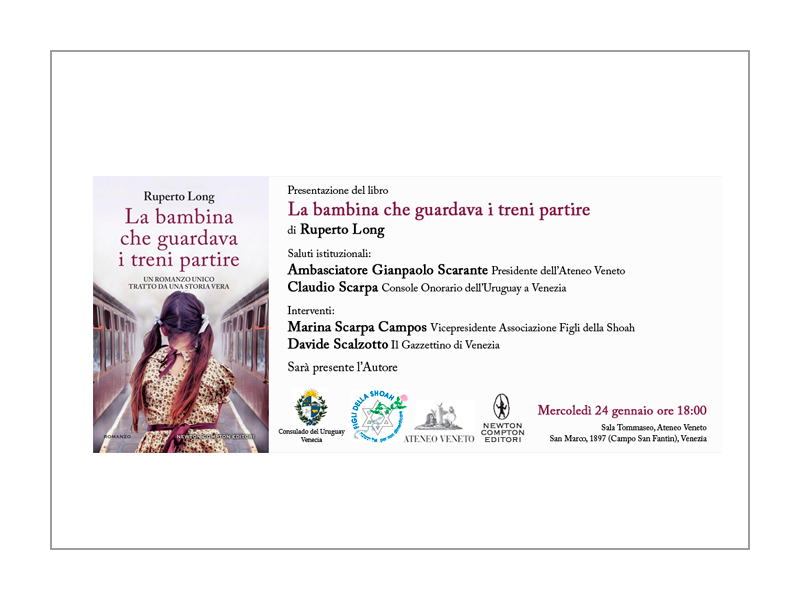
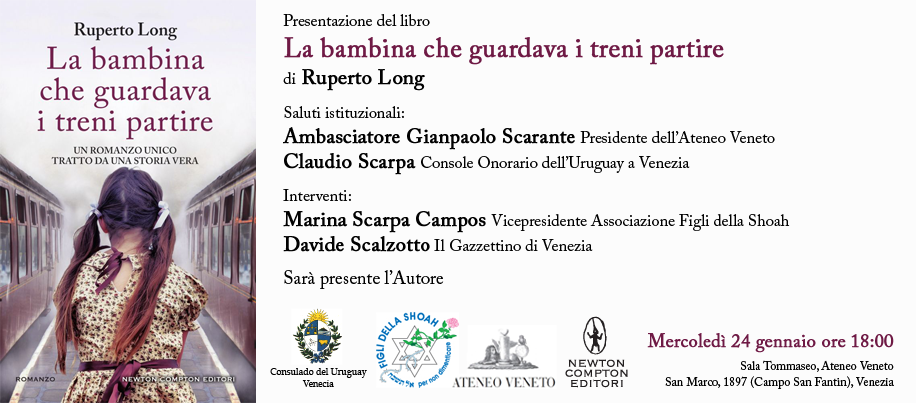
January 24, 2018
Tommaseo Hall, Ateneo Veneto
, Venice, Italy -
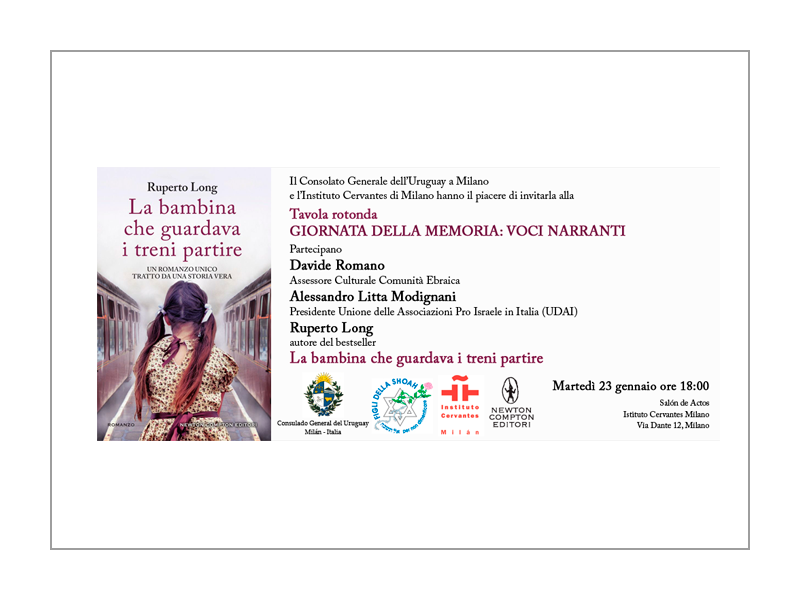
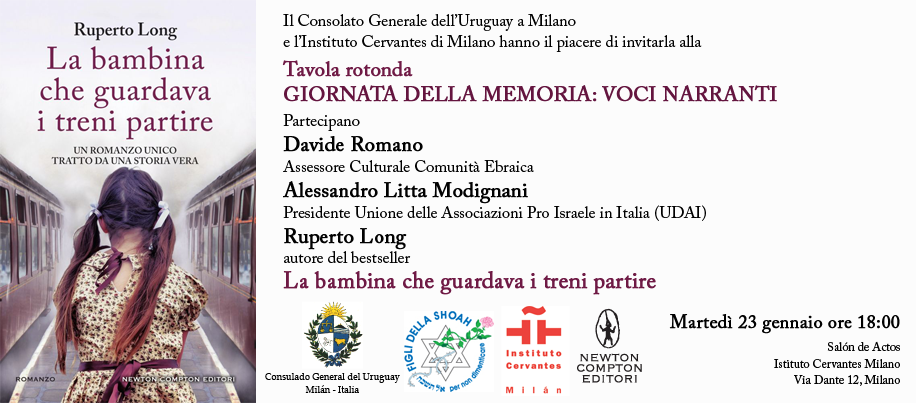
January 23, 2018
Istituto Cervantes Milano
Milan - Italy -
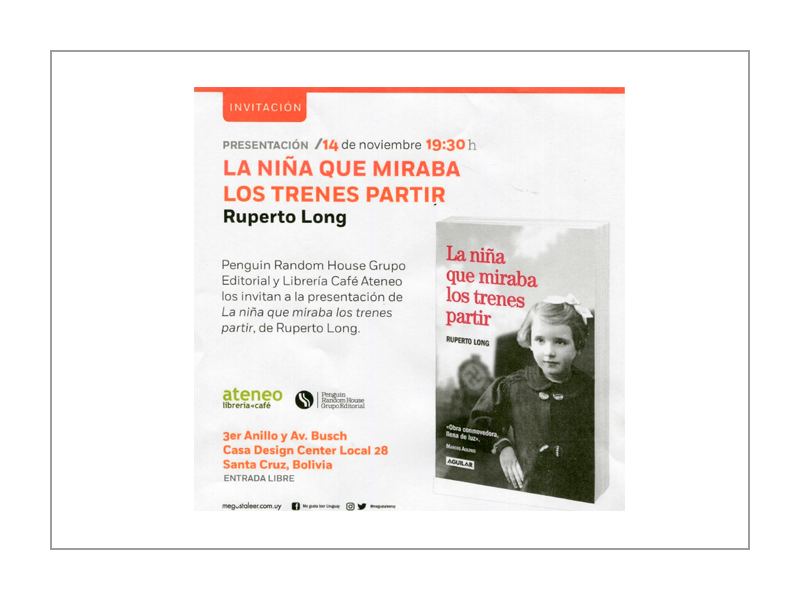
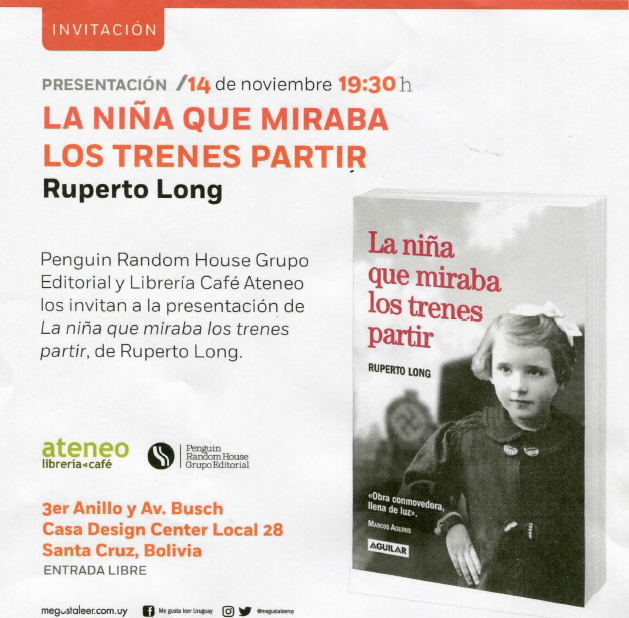
November 14, 2017
Design Center, Santa Cruz, Bolivia -
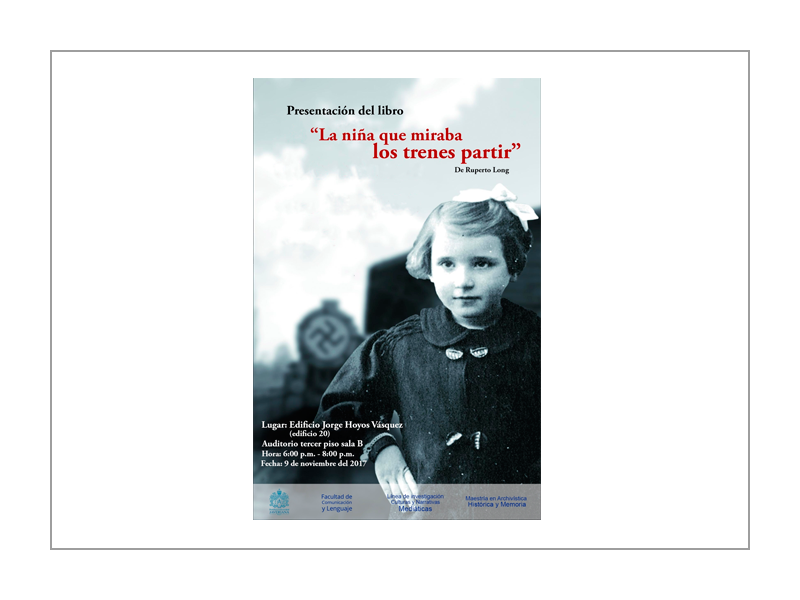
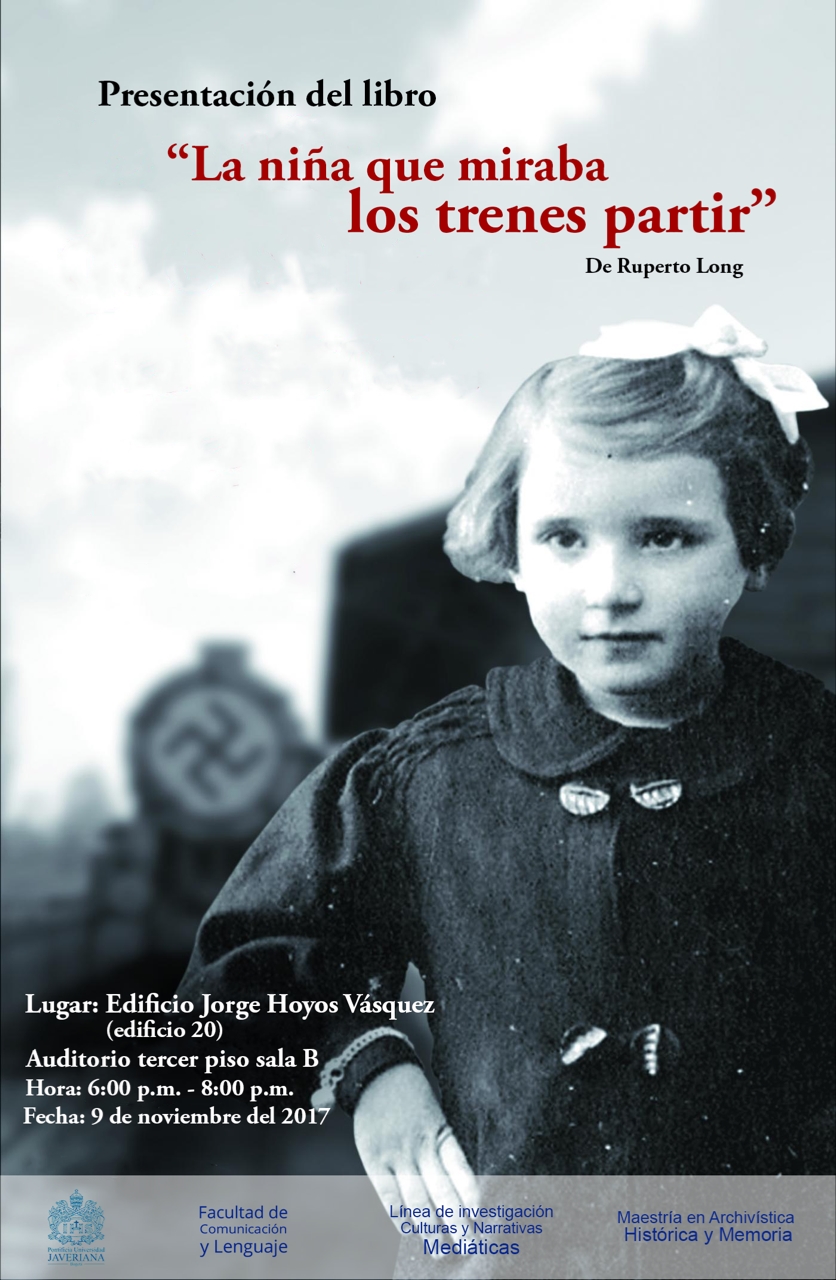
November 9, 2017
Jorge Hoyos Vásquez Building
, Bogotá, Colombia -
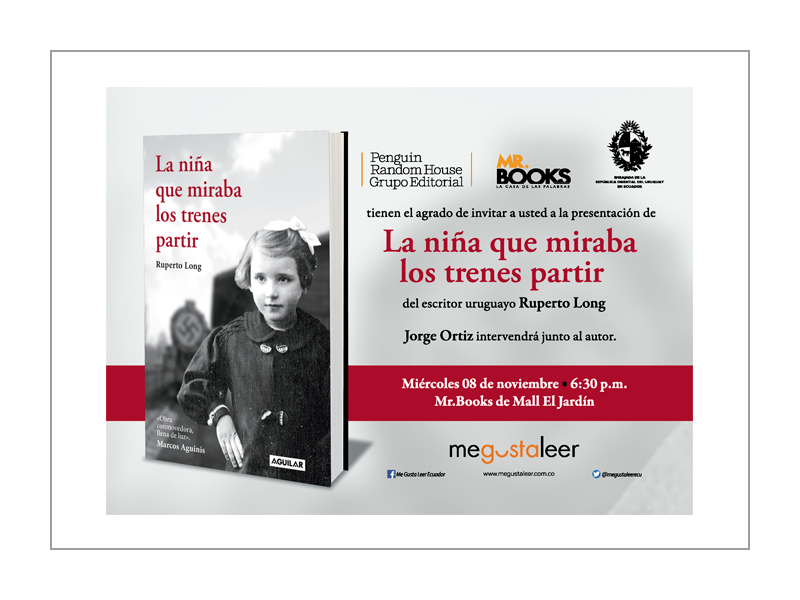
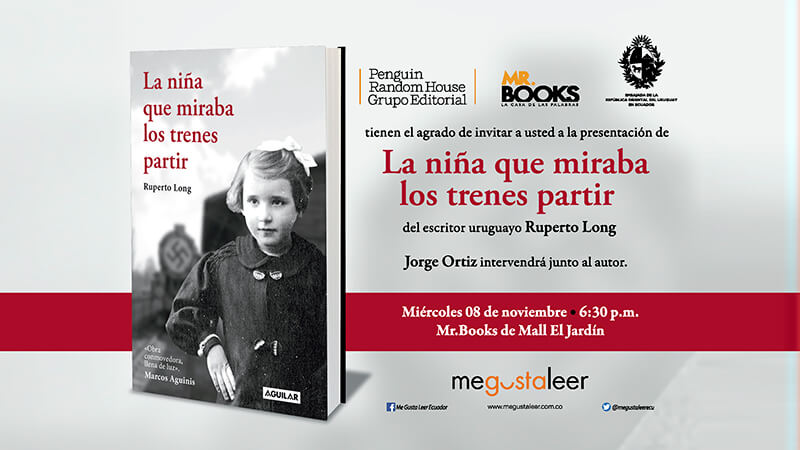
November 8, 2017
Mr. Books
, Quito, Ecuador -
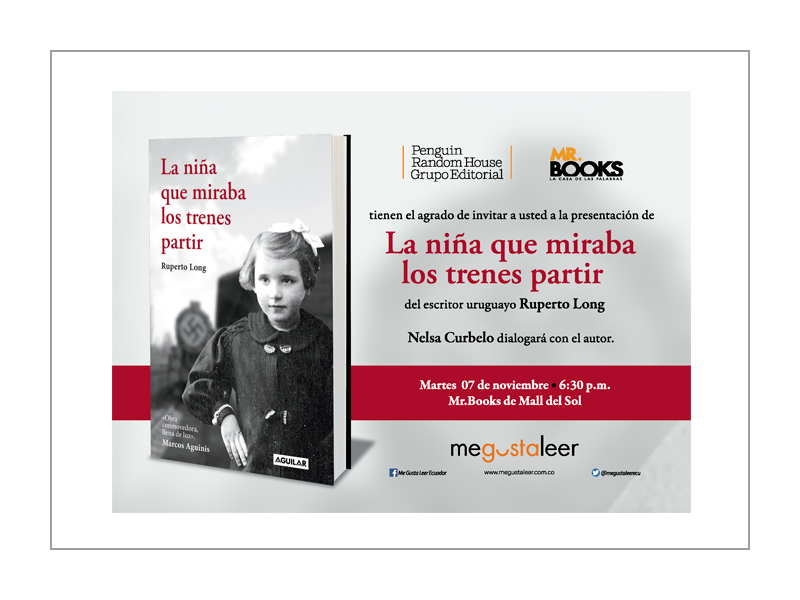
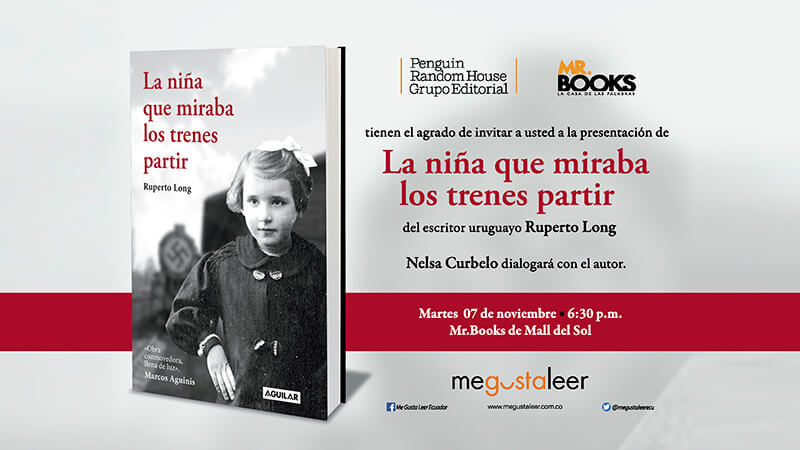
November 7, 2017
Mr. Books
Guayaquil, Ecuador -
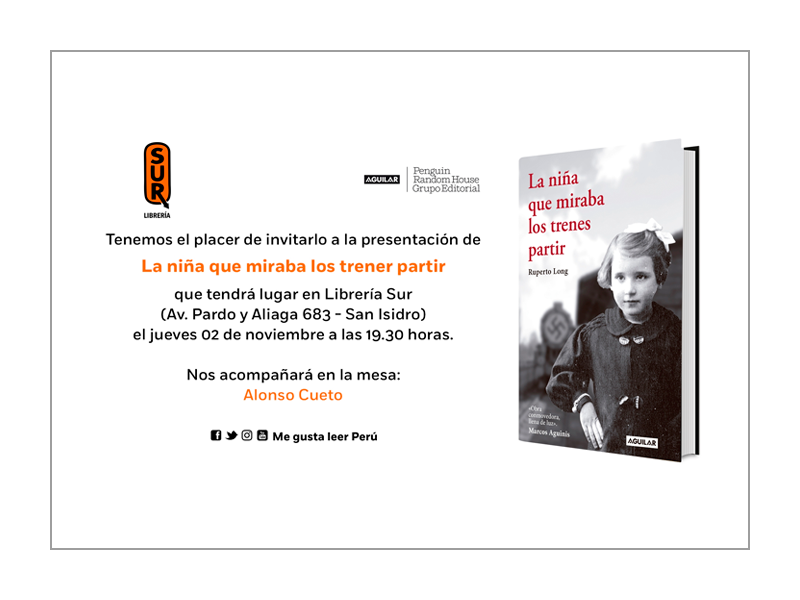
November 2, 2017
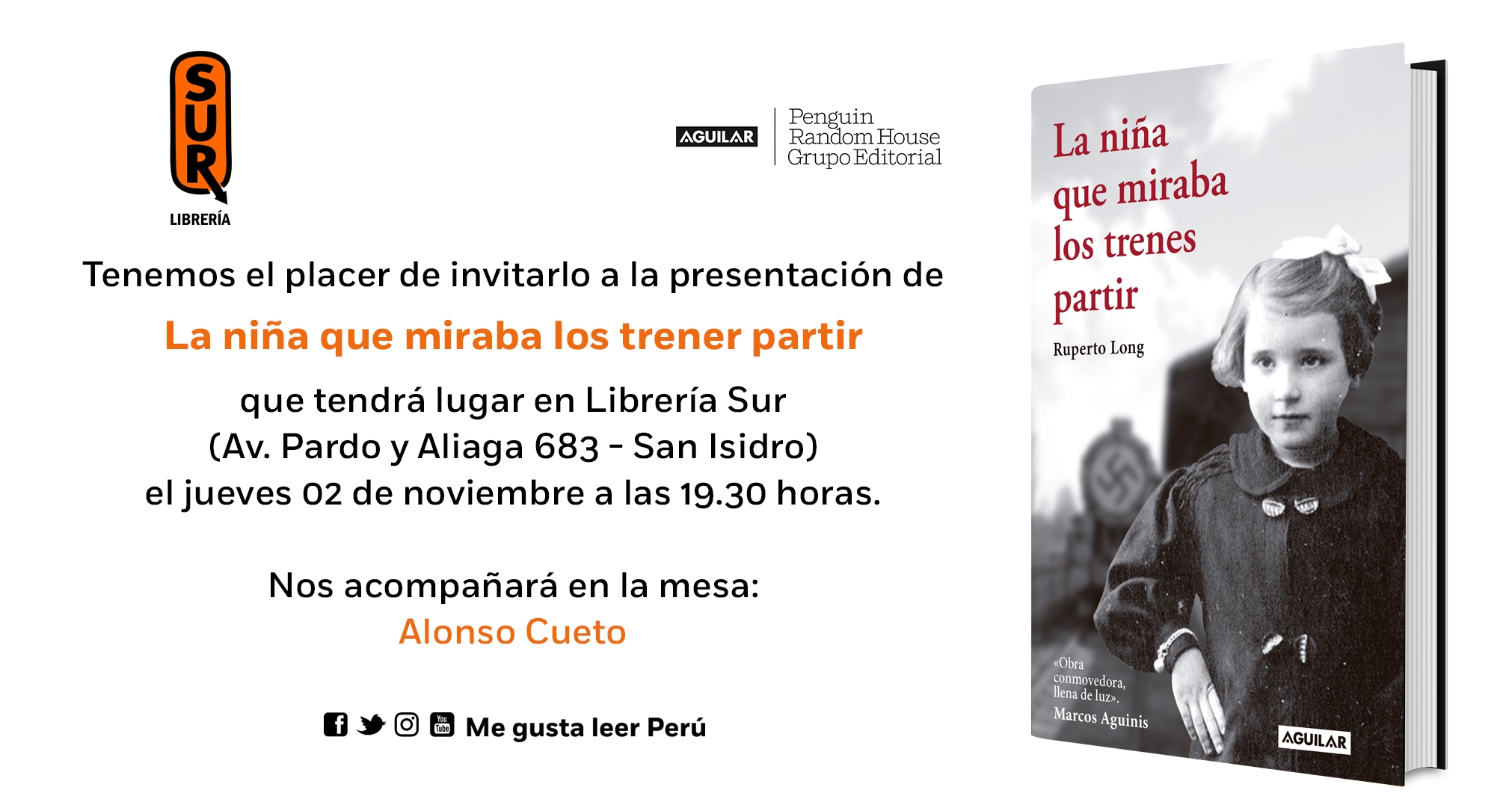
Librería Sur
Lima, Peru -
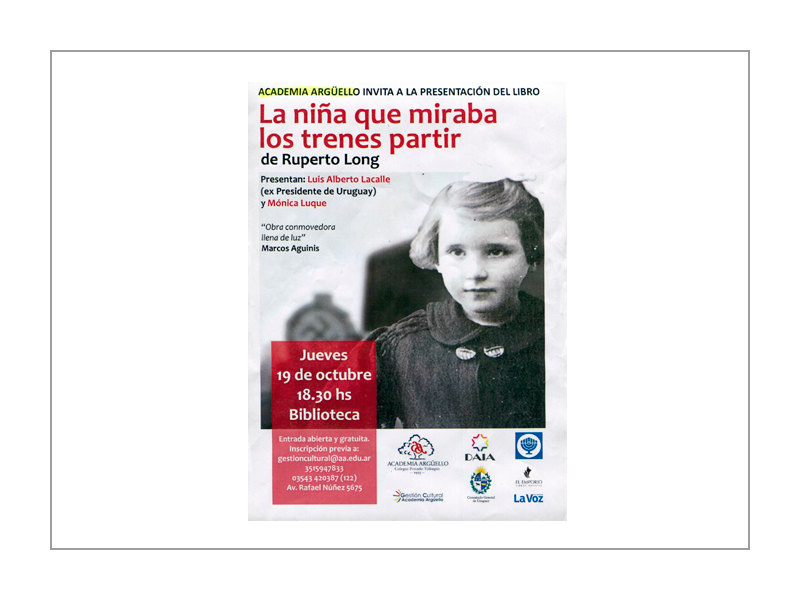
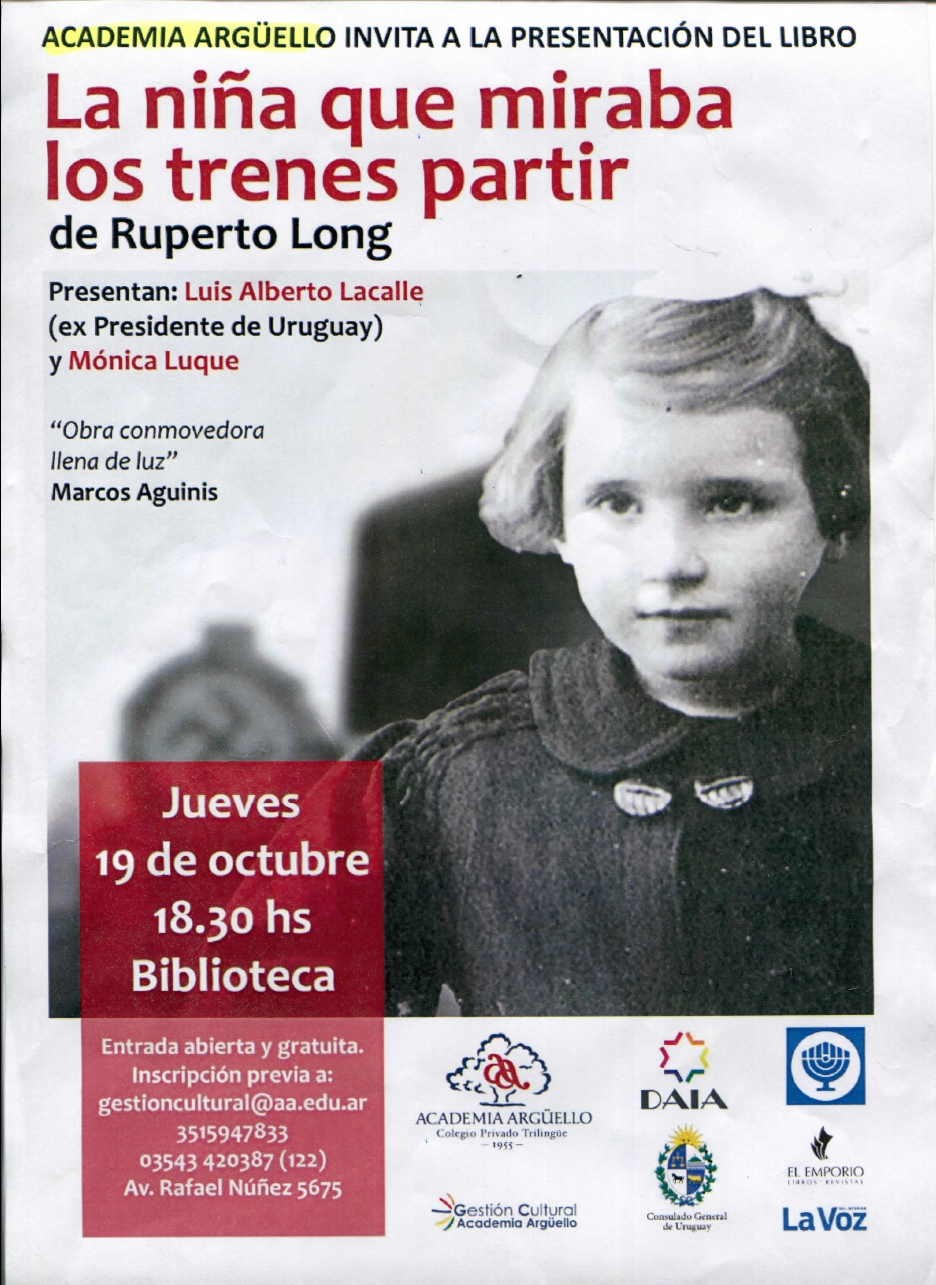
October 19, 2017
Argüello Academy
Córdoba, Argentina -
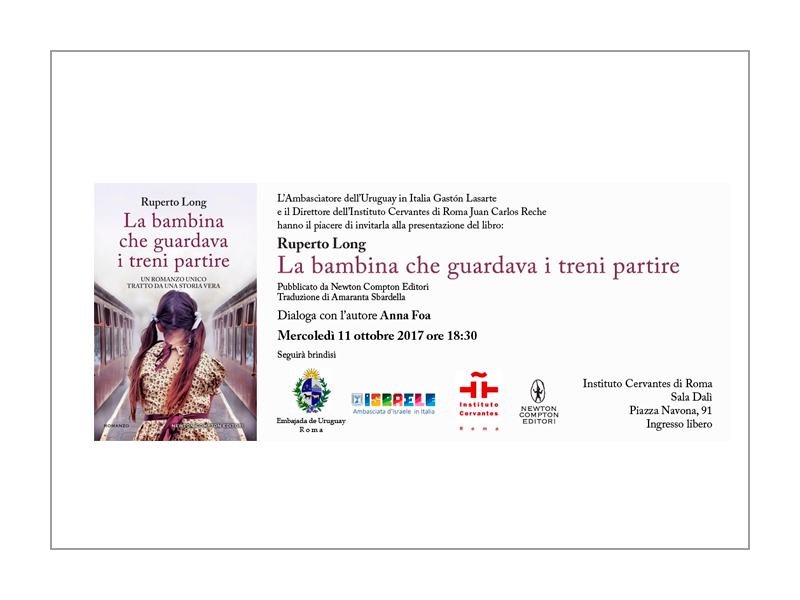
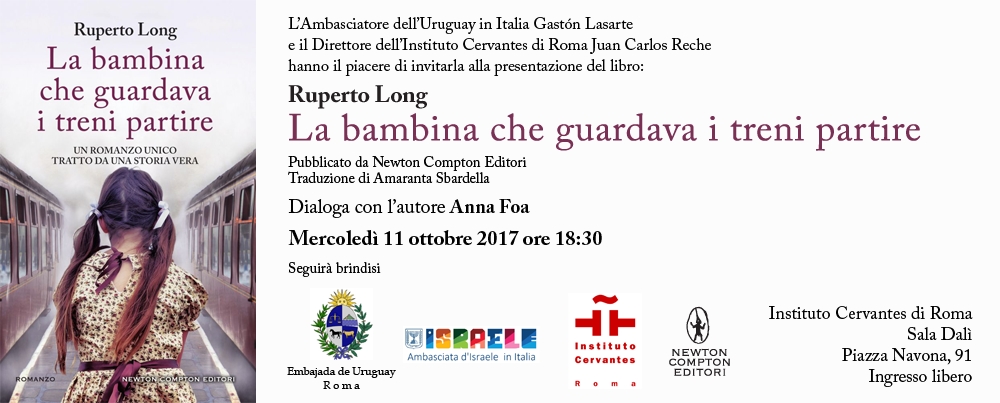
October 11, 2017
Cervantes Institute in Rome
Rome, Italy -
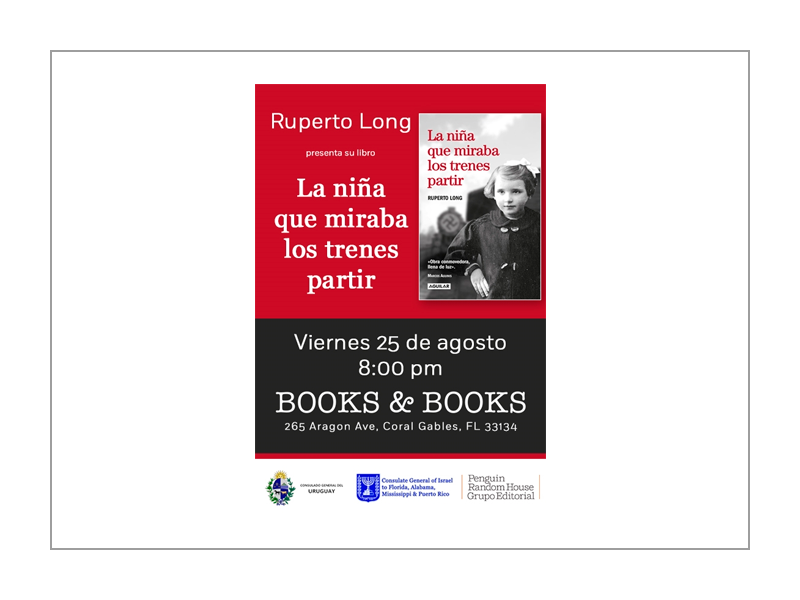
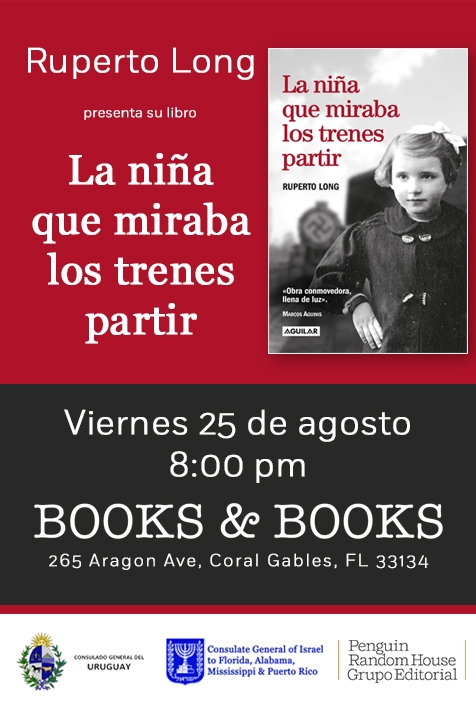
August 25, 2017
Books & Books
, Miami - United States -
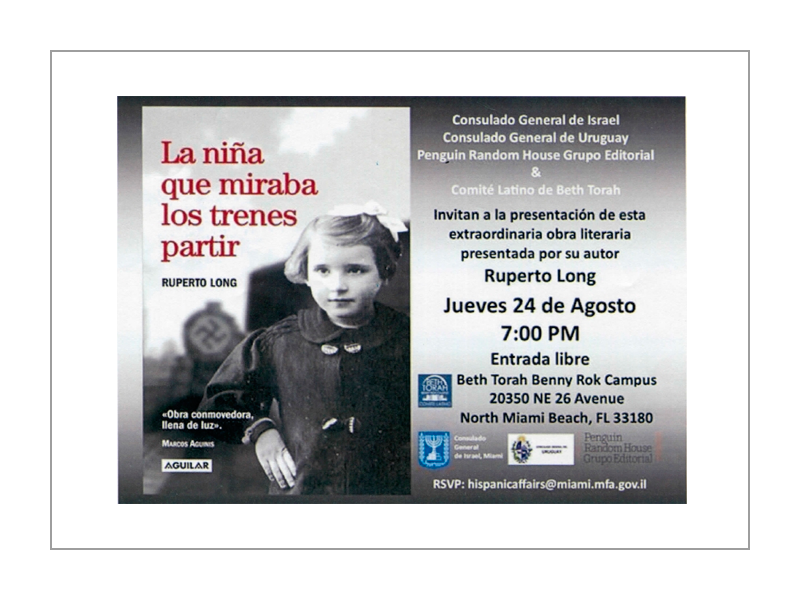
August 24, 2017
Bet Torah Benny Rok Campus,
, Miami, United States -
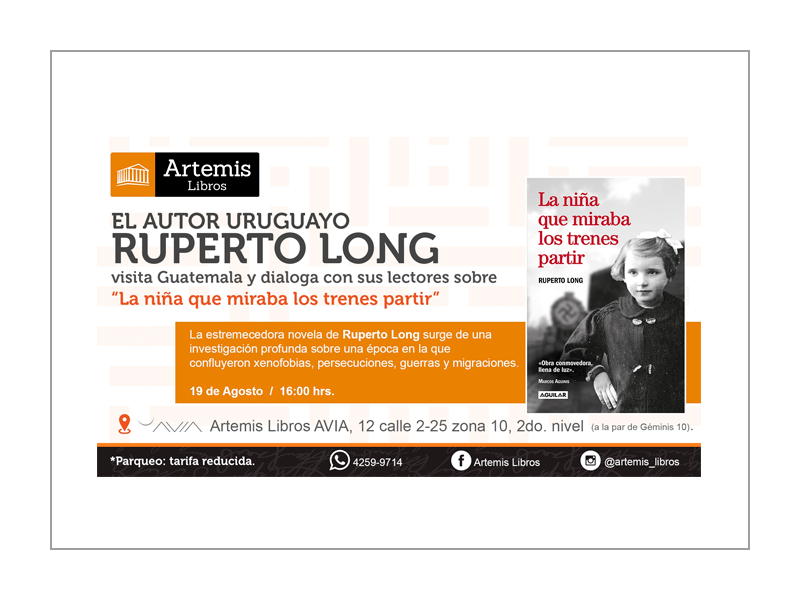
August 19, 2017
Artemis Libros AVIA
, Guatemala City, Guatemala -
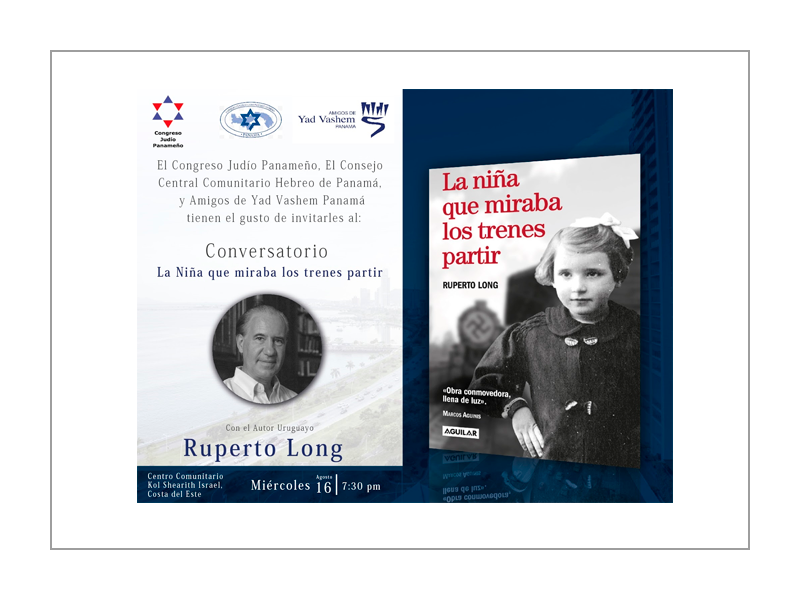
August 16, 2017
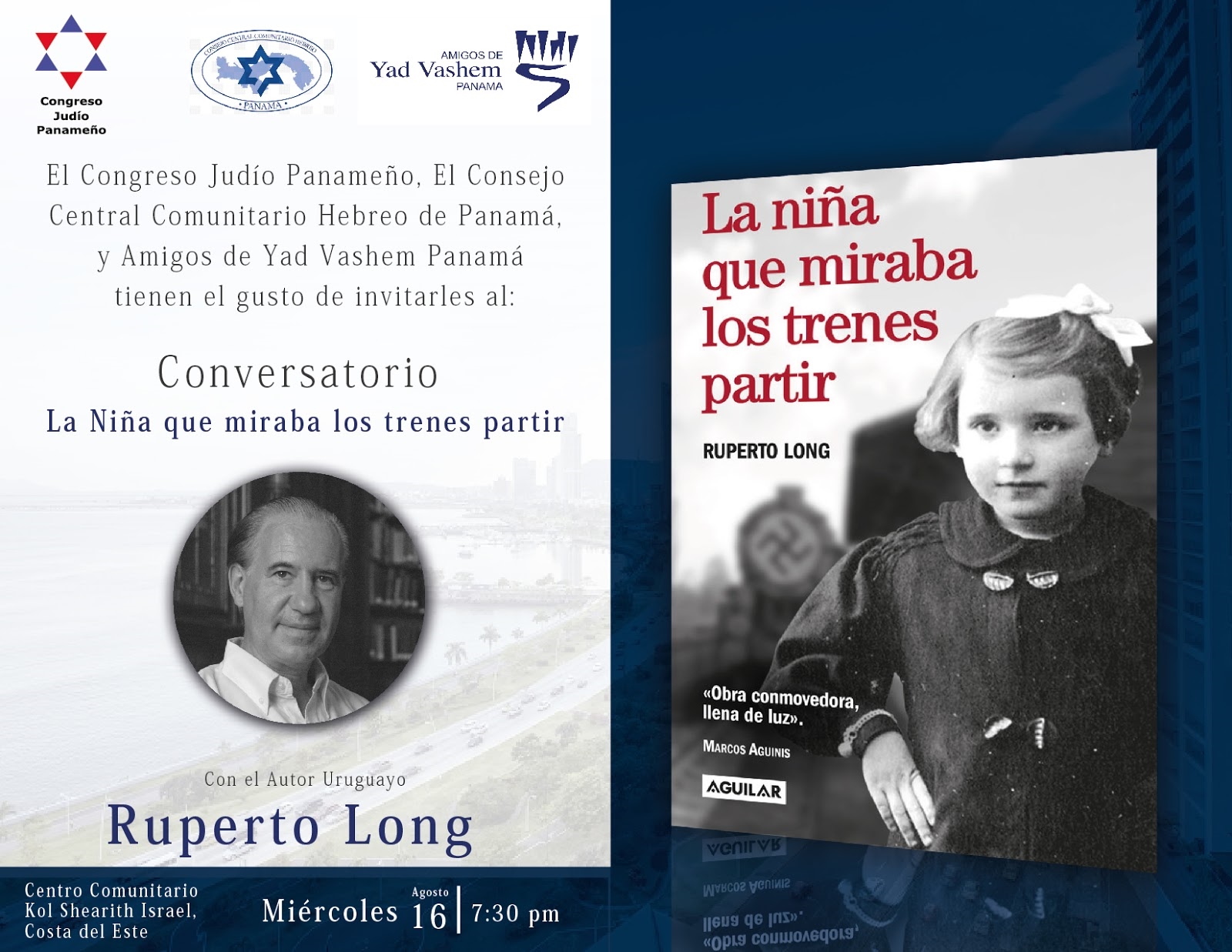
Kol Community Center
Shearith Israel
Panama City, Panama -
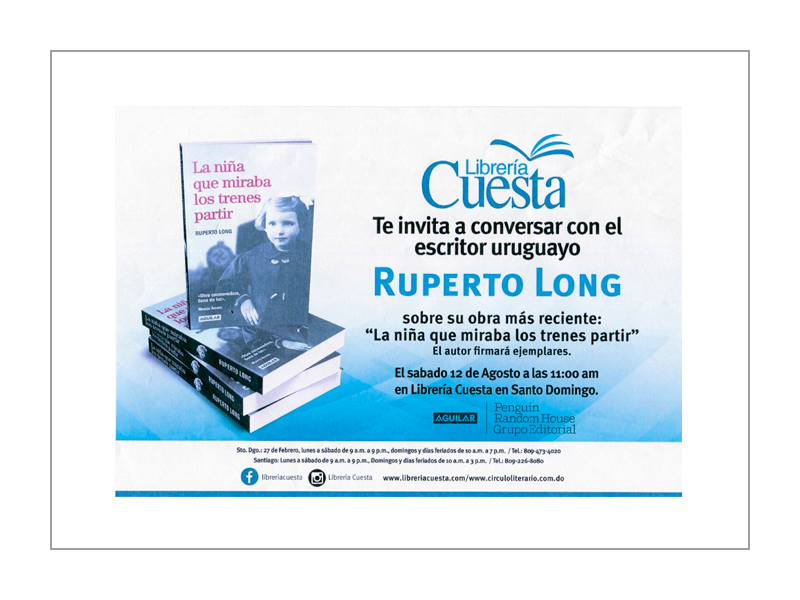
August 12, 2017
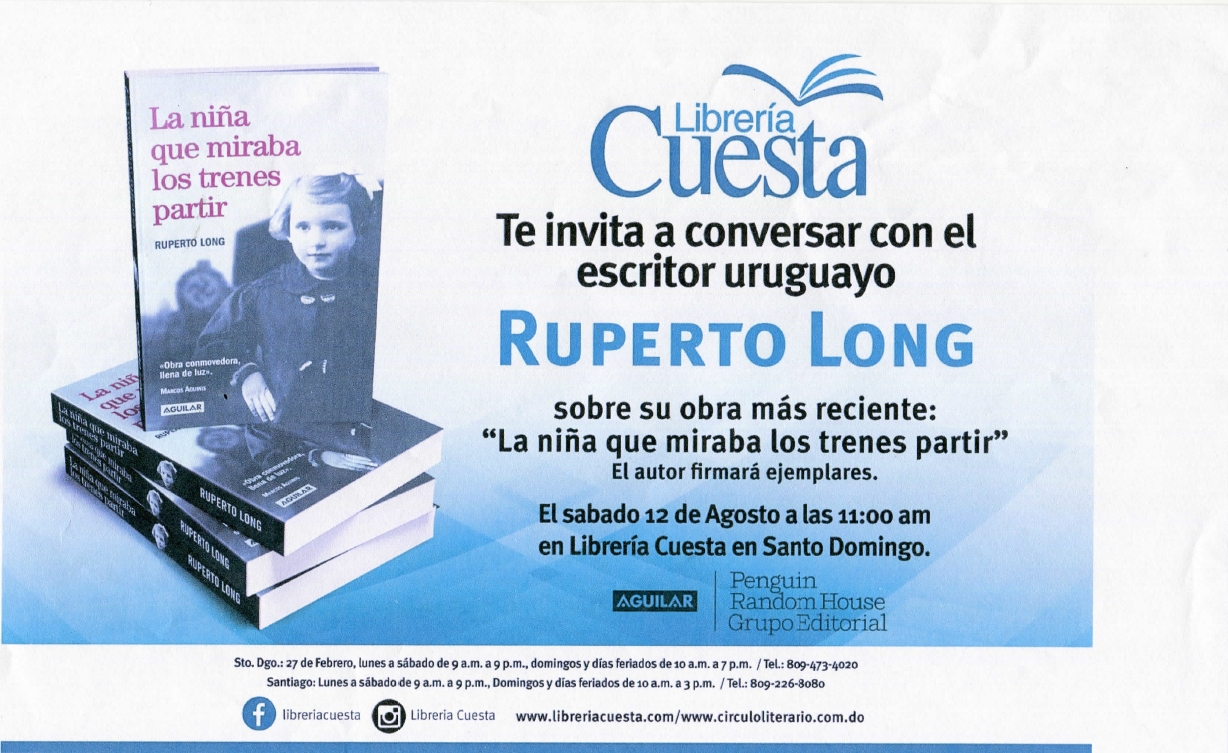
Cuesta Bookstore
Santo Domingo - Dominican Republic -
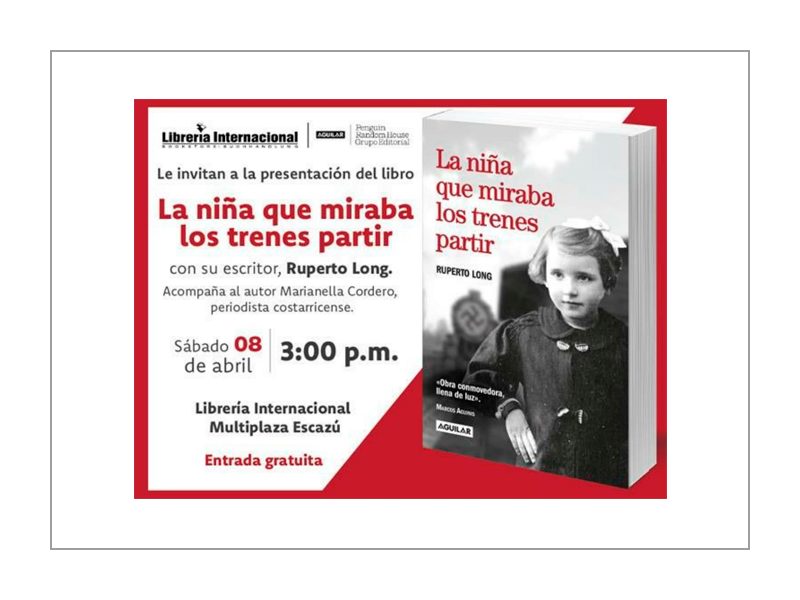
April 8, 2017
International Bookstore, San José, Costa Rica -
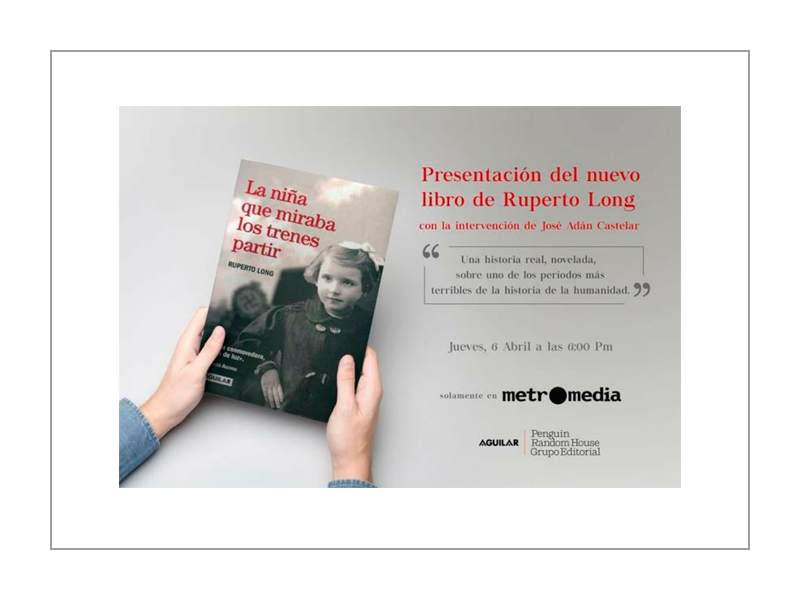
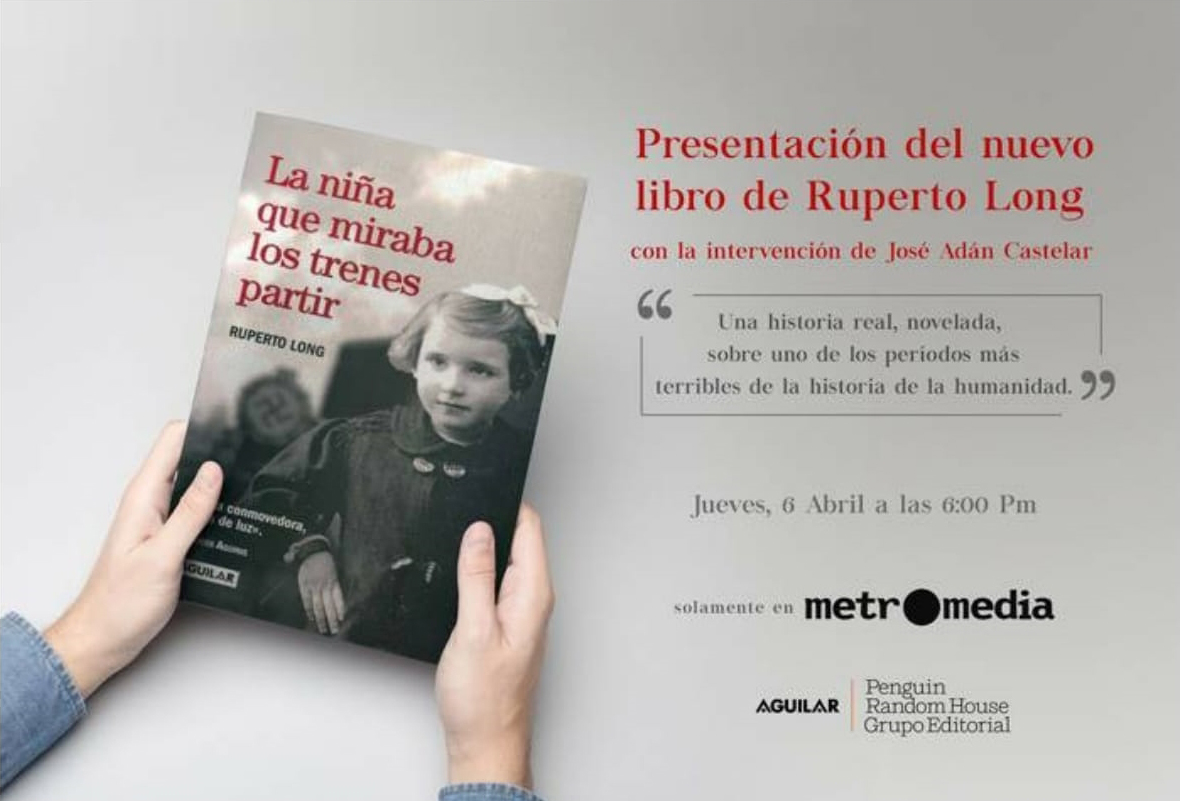
April 6, 2017
Metromedia
Tegucigalpa, Honduras -
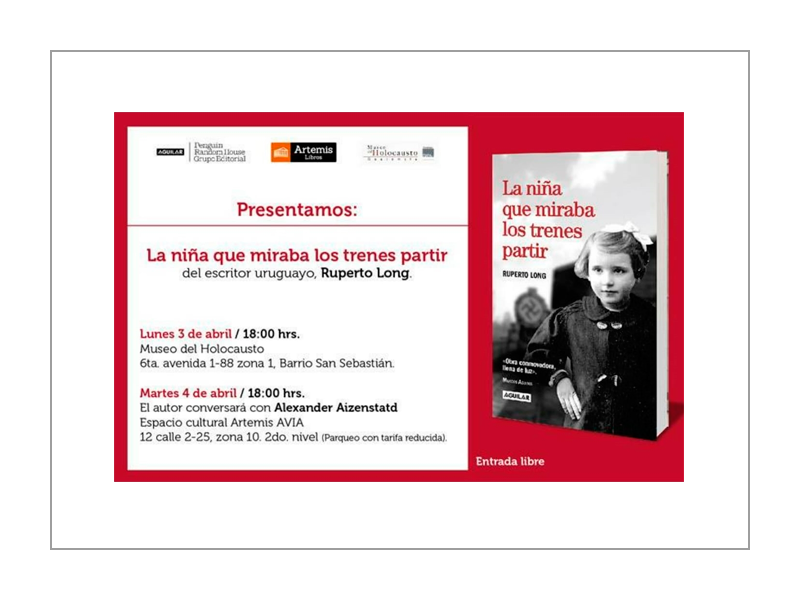
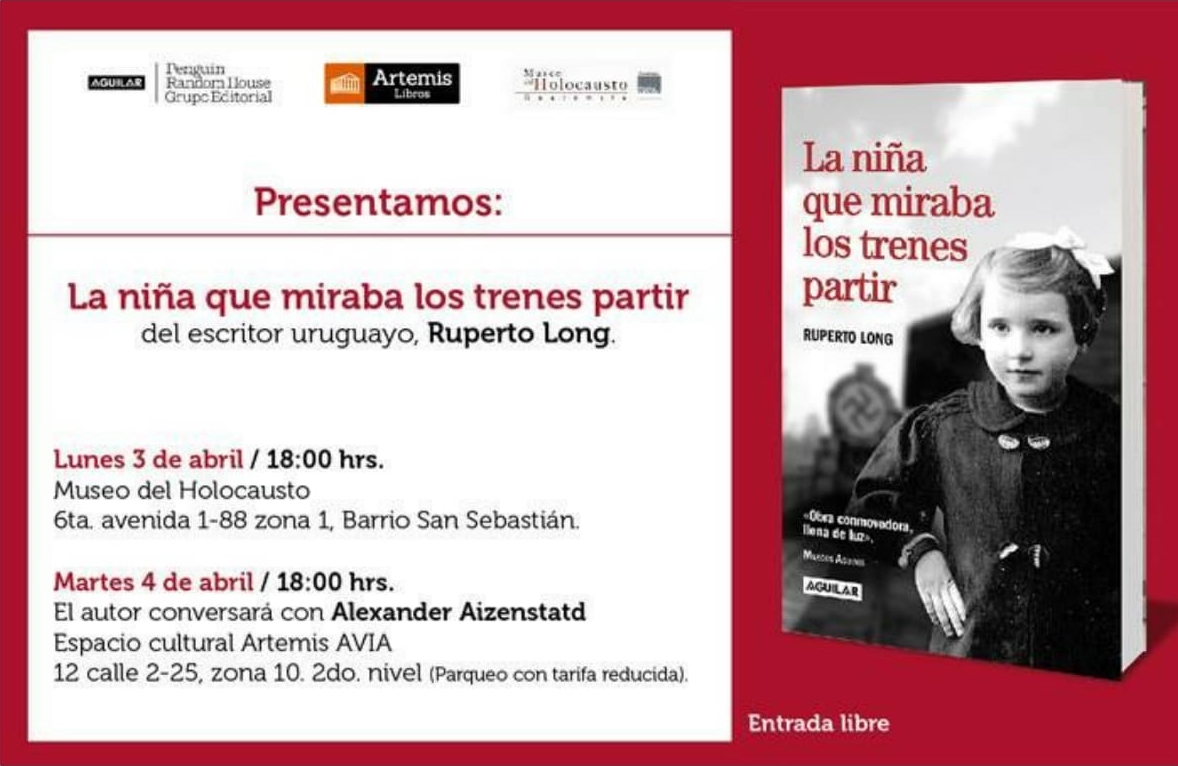
April 3, 2017 – April 4, 2017
Holocaust Museum and Artemis AVIA Cultural Center
Guatemala City, Guatemala -
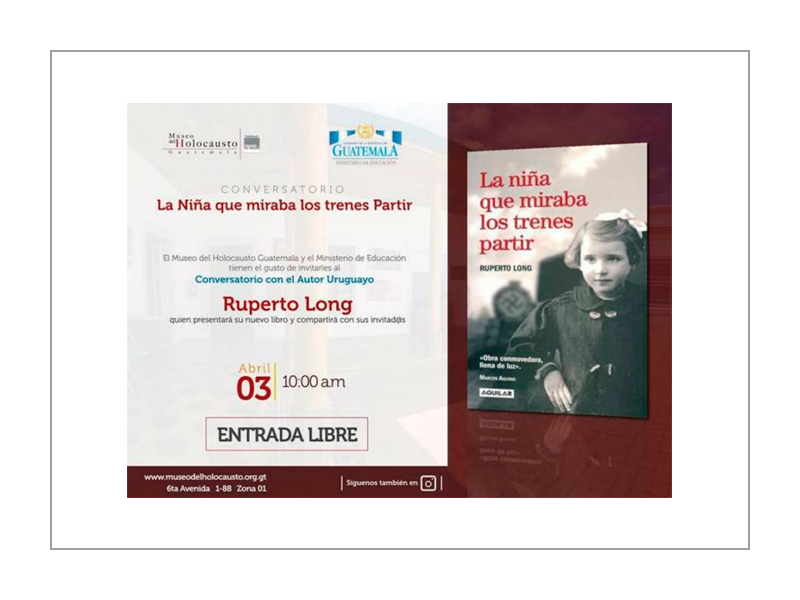
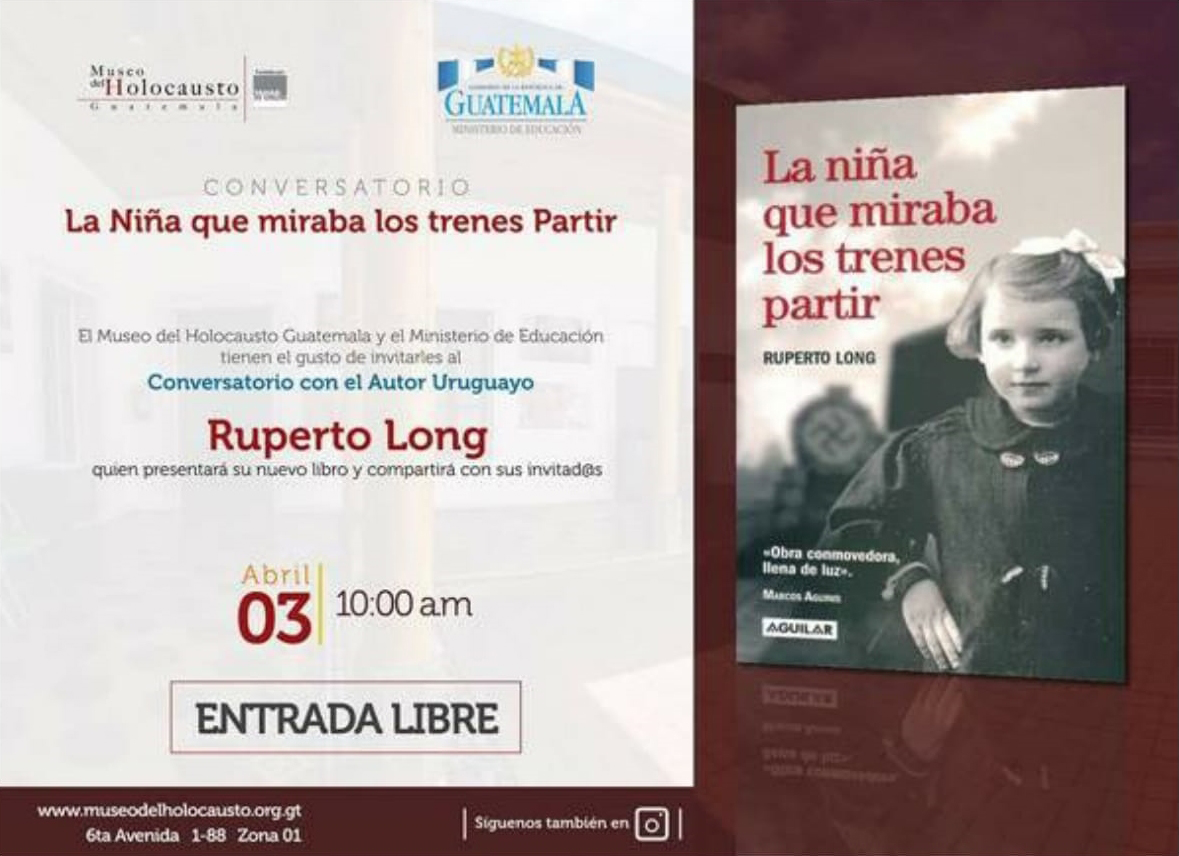
April 3, 2017
Holocaust Museum, Guatemala City, Guatemala -
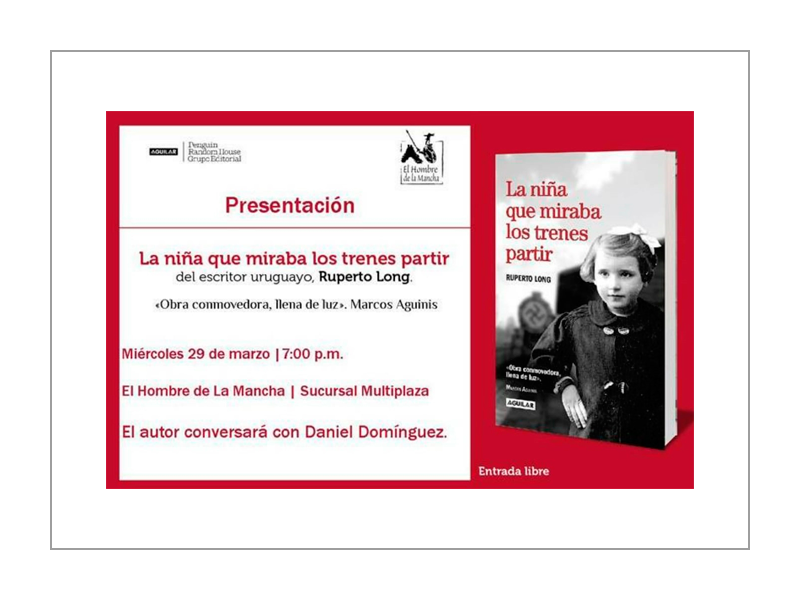
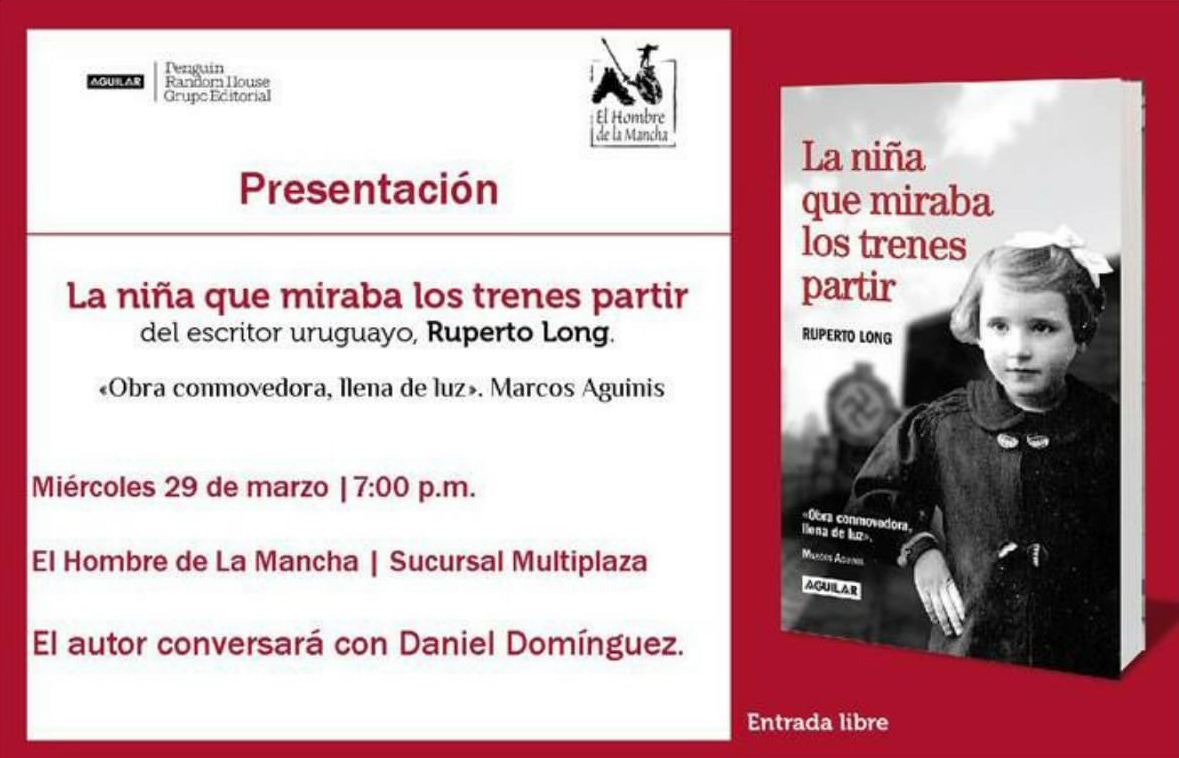
March 29, 2017
The Man from La Mancha
Panama City, Panama -
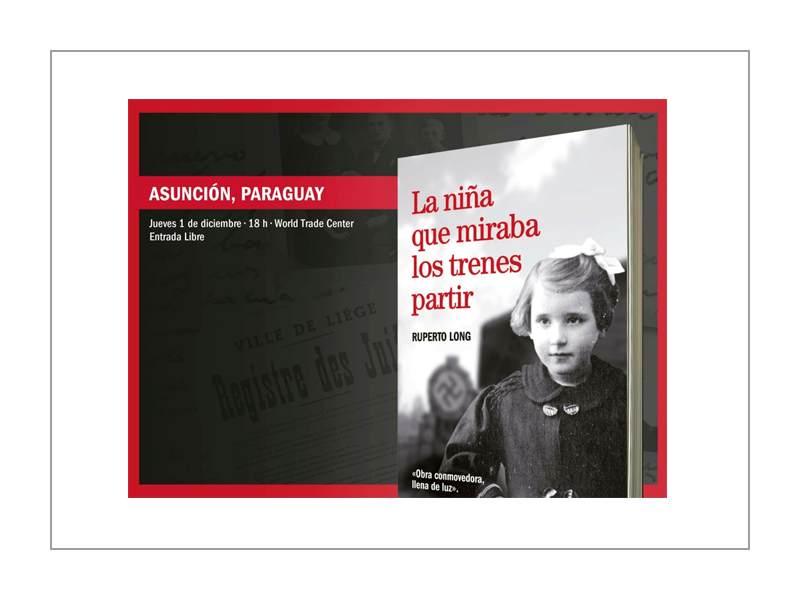
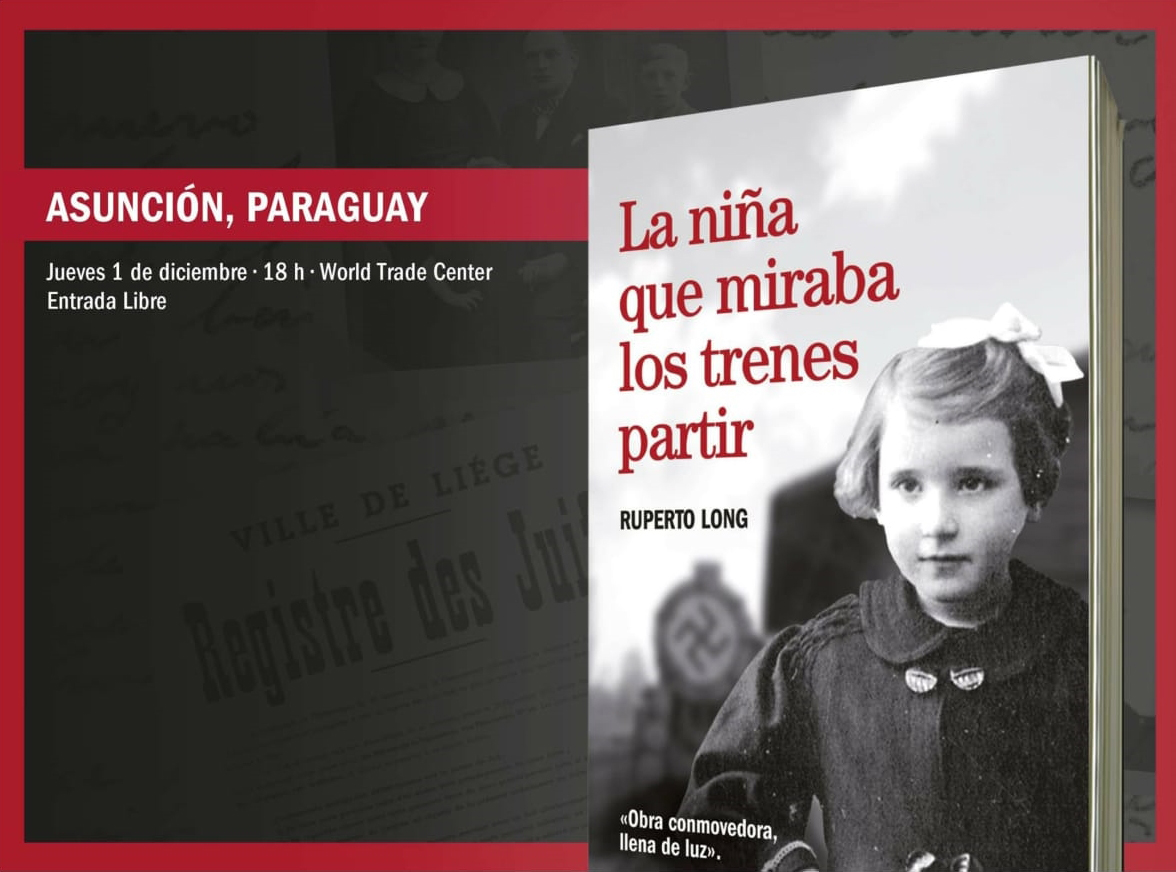
December 1, 2016
World Trade Center
Asunción, Paraguay -
March 29, 2017
The Man from La Mancha
Panama City, Panama





News coverage, testimonials, and conferences
-
2026
• B’nai B’rith Sponsors Book Launch- B’nai B’rith International - June 23, 2026
•Ruperto Long: From Leading LATU to Traveling the World with His Books, All Because of a Question That Changed His Life - El País - June 10, 2026
• The Girl Who Watched the Trains Go By Premiered in English in the United States – 180.com.uy - May 29, 2026
• Ruperto Long presented his novel, inspired by Charlotte de Grünberg, a Holocaust survivor, in Washington and New York– El Observador - May 20, 2026
• " The Girl Who Watched the Trains Go By" was performed in English in Washington– JAI Hebrew Weekly - April 26, 2026
•The Girl Who Watched the Trains Depart was performed in English – Central Jewish Committee of Uruguay - April 22, 2026
•The Girl Who Watched the Trains Depart was performed in English – Universidad ORT Uruguay April 17, 2026
• Presentation of The Girl Who Watched the Trains Depart in English- Lecture delivered by the rector Universidad ORT Uruguay, Dr. Jorge Grünberg - April 10, 2026
• The Ministry of Foreign Affairs declared the English-language presentation ofThe Girl Who Watched the Trains Departto be of ministerial interest– Universidad ORT Uruguay March 18, 2026
• The Charlotte de Grünberg Scholarship Was Awarded– El País - June 30, 2026
-
2025
• Universidad ORT Uruguay the Charlotte de Grünberg Scholarship for academic excellence and student merit– El País - 12/29/2025
• A full scholarship and monthly support: who is the student chosen by Universidad ORT Uruguay young people across the country – El Observador - 12/29/2025
• A student from Colonia del Sacramento was awarded the Charlotte de Grünberg Scholarship – Carmelo Portal - 12/20/2025
• Universidad ORT Uruguay the Charlotte de Grünberg Scholarship for academic excellence and student merit – Teledoce - 12/19/2025 -
2024
•Remembering a Being of Light: Charlotte Grunberg– Semanario Hebreo - April 17, 2024
-
2023
•Holocaust Survivor "Who Watched the Trains Leave" Shares Her Story– B'nai B'rith International - October 27, 2023
• Book Presentation of *The Girl Who Watched the Trains Leave* at the Romanian Parliament– Universidad ORT Uruguay May 22, 2023 -
2022
• Online cultural event hosted by the Uruguayan Embassy in Israel to mark National Day – JAI Hebrew Weekly - August 25, 2022• The Girl Who Watched the Trains Depart – a review by Efraim Beck (original in Hebrew) (Spanish translation) - July 25, 2022
• Ruperto Long in Tel Aviv - Búsqueda Weekly - June 30, 2022• Ruperto Long’s best-selling book has been released in Hebrew for the Israeli market(PDF version) – JAI Hebrew Weekly – June 29, 2022
• Children from every corner of the world, victims of every conflict - Radio Media Naranja (Netherlands) - April 29, 2022
•Testimony by Prof. Charlotte de Grünberg - Main ceremony for Yom HaShoah VeHaGvura (Holocaust and Heroism Remembrance Day 2022) - April 28, 2022 -
2021
• Books about the Holocaust You Shouldn't Miss- JAI Hebrew Weekly - August 12, 2021 -
2020
• Opening of the exhibition "Survivors of Nazism and the Holocaust in Uruguay 2020" - Museum of Migration - May 9, 2020
•The Girl Who Used to Watch Trains DepartNow Also Listens and Feels -Universidad ORT Uruguay February 18, 2020
-
2019
• "I use my wounds to try to help others" - Ynet Español (Israel) - November 19, 2019• Charlotte, the Nazi Holocaust survivor who watched the trains leave - La Silla Rota (Mexico) - September 15, 2019
• Charlotte was 8 years old when she fled from the Nazis. Her story in The Girl Who Watched the Trains Depart - Sin Embargo (Mexico) - August 31, 2019
• The Girl Who Watched the Trains Depart, by Ruperto Long - Enlace Judío (Mexico) - August 31, 2019
•Experiencing Judaism in Argentina: A Message From Our President & CEO - Jewish Federation of Greater Kansas City - August 22, 2019
• Prof. Charlotte de Grünberg speaks to JFNA’s delegation about her childhood in Europe during World War II - Universidad ORT Uruguay August 1, 2019• Must-read books about the Holocaust - Israel International - June 21, 2019
• Seventy years of silence from a Jewish girl who survived the Holocaust - La Vanguardia (Spain) - June 17, 2019
• The best-selling historical novels in May 2019 - 20 Minutos (Spain) - 06/11/2019
• Charlotte de Grünberg, Holocaust survivor: "Young people know nothing about the Nazi criminal industry" - Rtve.es (Spain) - 05/29/2019
• Charlotte de Grünberg, "The Girl Who Watched the Trains Depart" (Santa Bernardita Soubirous Parish, Montevideo, October 6, 2018) - Radio Sefarad (Spain) - May 29, 2019
• Presentation of: The Girl Who Watched the Trains Depart - Ruperto Long - Qué bello es leer (Spain) - May 28, 2019
• Interview with Ruperto Long: “War brings out the best and worst in human beings” - Todo Literatura (Spain) - 05/21/2019
• Überleben im Kleiderschank - Jüdische Allgemeine (Germany) - 05/19/2019 - SPANISH VERSION
• The Girl Who Watched the Trains Depart- Radio 21 Sierra Oeste Madrid (Spain) - May 18, 2019
•"The Girl Who Watched the Trains Depart" by Ruperto Long - RTVE (Spain) - May 17, 2019
• Nazism as seen by "The Girl Who Watched the Trains Depart from a Wardrobe"- La Vanguardia (Spain) - 05/17/2019
•Interview with Ruperto Long, author of "The Girl Who Watched the Trains Depart" - Cadena Ser (Spain) - 05/17/2019
• Ruperto Long presents his book "The Girl Who Watched the Trains Depart" at the Casa de Colón - La Provincia (Spain) - May 17, 2019
• With Ruperto Long, author of "The Girl Who Watched the Trains Depart" - Radio Sefarad (Spain) - May 16, 2019
• The Best New Books for This Spring - Elle Magazine (Spain) - 03/27/2019
• Horror After Horror - Deutschlandradio (Germany) - 01/27/2019 - SPANISH VERSION
• Interview with Charlotte Grünberg, "The Girl Who Watched the Trains Depart." By Ana Jerozolimski - Montevideo Portal (Uruguay) - 01/24/2019
• "La bambina che guardava i treni partire," by Ruperto Long - Informazionecorreta.com (Italy) - 01/12/2019
-
2018
• Charlotte de Grünberg at the Santa Bernardita Soubirou Parish - YouTube - 10/19/2018
• The true story of a little girl who survived the Holocaust: ELLE.IT interviews Charlotte de Grünberg on Holocaust Remembrance Day 2018 - elle.it - 01/27/2018 - English version (abstract)
• The little girl watched the trains heading to the camps - La Nuova (Italy) - 01/24/2018
• Escape from the Shoah in Ruperto Long’s book - Gorriere del Veneto (Italy) - 01/24/2018
• Against the racism of yesterday and today - La Nuova (Italy) - 01/23/2018
• The little girl who watched the trains leave - ilrecensore.com (Italy) - 01/23/2018
• The collective drama of the Shoah in Long’s book - Il Gazzettino Nazionale (Italy) - 01/23/2018
• With Charlotte de Grünberg, in a special interview - Semanario Hebreo (Uruguay) - 01/18/2018
• "After the horror, light always triumphs" - Famiglia Cristiana (Italy) - 01/14/2018
• Programme Los Notables - Nuevo Siglo (Uruguay) - Jan. 2018 -
2017
• About "The Girl Who Watched the Trains Depart," by Ruperto Long - Growing Up. Annual publication of the Argüello Academy (Argentina) - Dec. 2017
• Ruperto Long: "Literature is a way to seek the truth" - El Universal (Venezuela) - December 27, 2017
• "Children are the most vulnerable in wars" - La Voz (Argentina) - November 22, 2017
• The Writer of Hope - El Espectador (Colombia) - November 16, 2017
• A Uruguayan bestseller in Italian bookstores - El Observador (Uruguay) - October 24, 2017
• The Girl Who Watched the Trains Depart - El Universo (Ecuador) - November 15, 2017
• - Academia Argüello (Argentina) - October 19, 2017
• Long Charlotte, hidden in a closet (Italy) - Ansa - October 18, 2017
• The docu-novel about the Nazi era - Vero (Italy) - October 19, 2017
• RAI Radio Giornale National Network (7:45–9:04 a.m.) (Italy) - October 15, 2017
• RaiUno's "Programme CaffèProgramme (Italy) - October 10, 2017
• Little Charlotte in the Great Drama of the Sealed Trains - Avvenire (Italy) - October 10, 2017
• Escaping the Holocaust - Mocked (Italy) - October 10, 2017
• The Jewish girl who watched the trains heading for hell - Libero (Italy) - October 8, 2017
• Ruperto Long and the Girl Who Watched the Trains Depart - The Wynwood Times (United States) - October 7, 2017
• - Radio Libertópolis (Guatemala) - August 18, 2017
• "The Girl Who Watched the Trains Depart" - AMIA TV - July 2, 2017
• Book Presentation: "The Girl Who Watched the Trains Depart" - Buenos Aires Holocaust Museum (Argentina) - May 29, 2017
• He was eight years old and survived the Holocaust by hiding in a closet for a year - La Nación (Argentina) - May 19, 2017
• A girl's gaze amid the horror - La Gaceta Salta (Argentina) - April 30, 2017
• Ruperto Long's Favorites - El Heraldo (Honduras) - April 15, 2017
• The conversation turned into a novel - El Heraldo (Honduras) - April 15, 2017
• Memories of a World War - La Prensa (Panama) - April 9, 2017
• The cyclical history of humanity - La Estrella de Panamá - April 7, 2017
• Love as a lifeline - Panama América - April 7, 2017
• This book invites you to learn more about World War II - La República (Costa Rica) - April 6, 2017
• How to Reconstruct Memory While It Is Still Fresh - Infobae (Argentina) - March 29, 2017
• In Defense of Human Life - La Prensa (Panama) - March 29, 2017
• Ruperto Long - The Girl Who Watched the Trains Depart - Radio CUT (Argentina) - March 18, 2017
• Uruguayan Embassy: The Girl Who Watched the Trains Depart - Itón Gadol (Argentina) - March 15, 2017
• Book presentation of "The Girl Who Watched the Trains Depart" by Ruperto Long at the Uruguayan Embassy in Argentina - eSefarad - March 14, 2017
• Times of War - Página 12 (Argentina) - March 6, 2017
• "The Girl Who Watched the Trains Depart" was named a Golden Book in 2016 - El País (Uruguay) - January 17, 2017 -
2016
• With Ruperto Long, author of "The Girl Who Watched the Trains Depart" - Semanario Hebreo (Uruguay) - 12/22/2016
• The Uruguayan Book Chamber honored the best-selling books - El Observador (Uruguay) - 12/17/2016
• The best-selling authors in Uruguay - El País (Uruguay) - 12/17/2016
• The shared perspective on Nazi terror, the basis of Ruperto Long’s book - Ecos (Uruguay) - 12/01/2016
• Eternal Army of Shadows - El País Cultural (Uruguay) - 10/07/2016
• The Girl Who Watched the Trains Leave, by Ruperto Long — Ediciones Aguilar. 372 pp. - Relaciones Magazine (Uruguay) - June 2016
• "This book reconnects me with the best of Uruguay, with that spirit of feeling what happened to another as if it were my own" - Voces Weekly (Uruguay) - June 23, 2016 - English version
• Behind the Scenes of the Book "The Girl Who Watched the Trains Leave" by Ruperto Long - Universidad ORT Uruguay 06/15/2016
• Stories of Hope in Times of Death - Tu Meser (Uruguay) - 06/13/2016
• The Girl Who Watched the Trains Leave - Canal 10 (Uruguay) - May 24, 2016
• A Jewish Girl and an Unlikely Uruguayan Soldier: Memories That Defy Death - El Observador (Uruguay) - May 15, 2016 - English version
• The emphasis on light and the choice to resist - Semanario Arequita (Uruguay) - 05/14/2016
• Face to face with Ruperto Long, author of the book "The Girl Who Watched the Trains Leave" - Portal Jai (Uruguay) - 05/13/2016 - English version
• When a story finds its narrator- Galería (Uruguay) - May 12, 2016
• Hugo Burel’s reflections on “The Girl Who Watched the Trains Leave” - Universidad ORT Uruguay May 12, 2016
• Reflections by Ruperto Long on "The Girl Who Watched the Trains Leave" - Universidad ORT Uruguay May 12, 2016
• Reflections by Charlotte de Grünberg on "The Girl Who Watched the Trains Leave" - Universidad ORT Uruguay May 12, 2016
• "I am essentially a person who needs to create" - Galería (Uruguay) - May 12, 2016 - English version
• A brief history of sad days - El País (Uruguay) - May 11, 2016 - English version• Our Girl, Our Train - El País (Uruguay) - May 11, 2016 - English version
• Programme - TNU (Uruguay) - May 10, 2016
• Four Stories About the Shoah - Semanario Hebreo (Uruguay) - May 5, 2016
• Interview with Charlotte Grünberg - Montevideo Portal - May 4, 2016 - English version• This Is a Love Story - Semanario Hebreo (Uruguay) - April 21, 2016
• Stories That Never Lose Their Relevance - Galería (Uruguay) - April 14, 2016 - English version
• Lives Beyond War - El País (Uruguay) - 04/10/2016 - English version
• "The world needs to keep learning" - Semanario Hebreo - 03/31/2016
• Non-fiction novel about the Nazi era - El País (Uruguay) - 03/26/2016
Book trailers
These book trailers, created by students at the Liceo de Punta del Este (Maldonado), are inspired by the book The Girl Who Watched the Trains Depart by Ruperto Long.