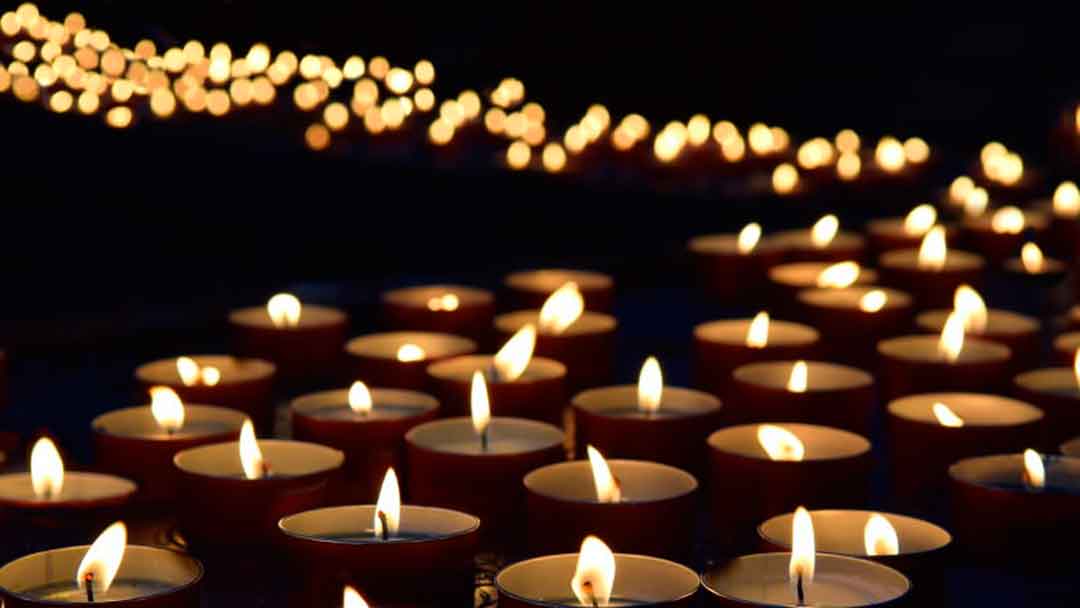
The date chosen by the State of Israel and the global Jewish community to mark this commemoration is the 27th day of the month of Nisan on the Hebrew calendar. On that same date in 1943, a group of the few Jews remaining in the Warsaw Ghetto faced an attempt by the Nazi army to transport them to concentration and extermination camps. The result was the total destruction of the ghetto.
In this way, we remember not only the six million Jews who marched to their deaths with no way to prevent it, but also all those Jews and non-Jews who, in whatever way they could, gave or risked their lives to save themselves and others.
Along with the Holocaust, we also remember all the genocides and massacres that have occurred throughout history, which were the result of religious, political, or ideological intolerance.
For the free and democratic world, it is an ongoing task to remember and educate others in order to keep the memory alive.
This is also the view of the United Nations (UN), which, at the General Assembly on November 1, 2005, designated January 27—the day commemorating the liberation of the Auschwitz-Birkenau concentration and extermination camp in 1945—as the annual International Day of Commemoration in Memory of the Victims of the Holocaust. It also urged UN member states to include the subject of the Shoah in their national programmes .
In sorrowful remembrance of the six million Jewish victims of Nazism, and as an educational institution that champions respect and tolerance for diversity as fundamental values for democratic coexistence, Universidad ORT Uruguay in the commemoration of the Day of Remembrance of the Shoah and the Heroism of the Jewish People, and pledges that humanity will never again experience such horror and suffering.