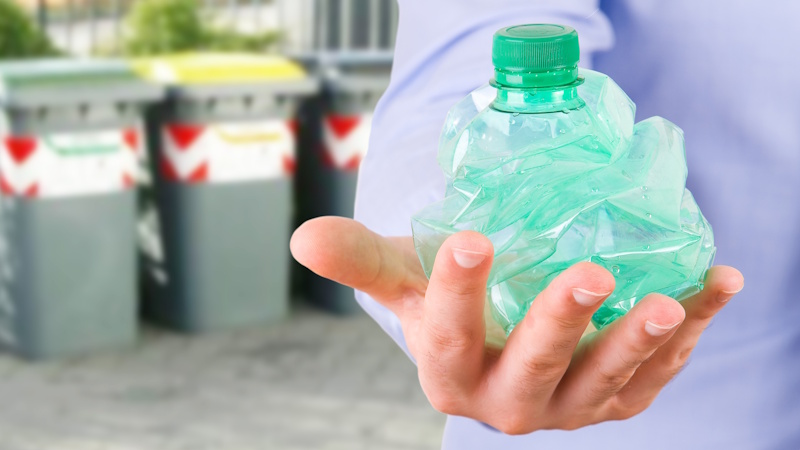
It is impossible to discuss sustainable development without addressing environmental conservation efforts, particularly recycling, since a linear economic model still prevails—one that we must transform.
Sorting waste, reusing materials, and giving them a new lease on life are just a few of the steps we can take to reduce pollution while promoting sustainable habits in society—habits that can have a positive impact both locally and globally.
The ORT Recicla program is one of the initiatives launched by Universidad ORT Uruguay promote proper waste management.
What is ORT Recicla?
ORT Recicla is an institutional program designed to promote the separation and proper disposal of waste within the buildings of Universidad ORT Uruguay.
In addition to installing recycling bins and containers, the initiative also has an educational component, as it aims to raise awareness among students, teachers, and staff about the importance of reducing, reusing, and recycling.
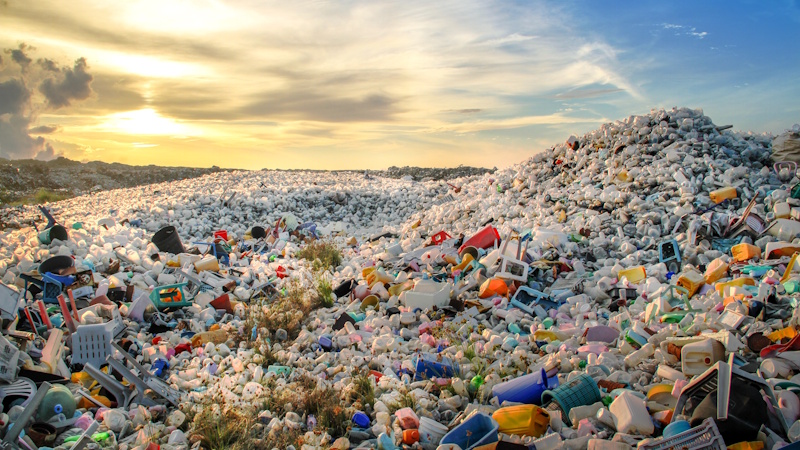
Like the rest of the world, Uruguay faces an urgent problem: the growing volume of waste.
According to CEMPRE Uruguay, each Uruguayan produces an average of 1.1 kilograms of trash per day, a significant portion of which could be recycled if there were better sorting habits and systems in place.
In this context, ORT Recicla serves as a model of environmental best practices where:
- People are taught how to sort their waste properly.
- We guarantee that these materials will be sent to the correct locations.
- We invite you to reflect on the everyday actions you take that contribute to a more sustainable future.
How does the ORT Recicla program work?
The ORT Recicla campaign features recycling bins made from recycled materials, including aluminum, cardboard, plastic, and food packaging.
Although these materials are usually difficult to recycle due to their composition, in this case they were transformed into something similar to waterproof wood that does not degrade.
The ORT Recicla initiative has three objectives:
Place trash cans
Special recycling bins Universidad ORT Uruguay located throughout all the buildings on the Universidad ORT Uruguay campus, allowing waste to be sorted by material type.
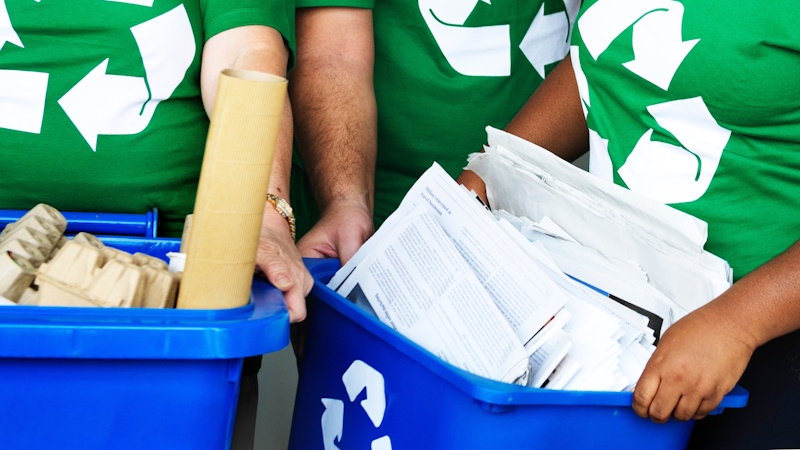
These bins are color-coded: blue for paper and cardboard recycling, and yellow for plastic waste. We also have dedicated bins for WEEE (electronic waste) and batteries.
This system prevents all waste from ending up in the same place and becoming unusable.
Instead, they are sent to the right place so they can have a second life in the future
Sorting and delivery to recycling facilities
Once the waste has been collected, we ensure that it is sent to specialized facilities.
For example, paper recycling in Uruguay is typically linked to industries that produce recycled paper, while plastics are sent to companies that reuse them to manufacture new products.
- We also recommend: The university is adopting a more sustainable approach to its printing
Education and Awareness
Beyond logistics, the ORT Recicla campaign places a strong emphasis on education through awareness campaigns.
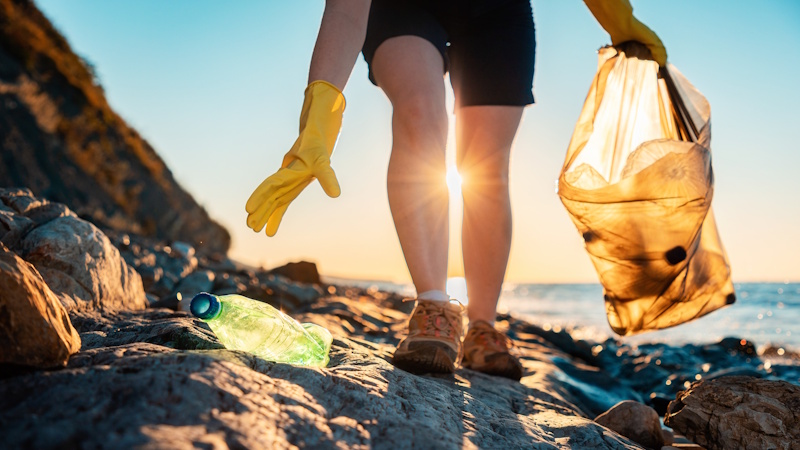
To this end, an interdisciplinary group of professors and professionals in the fields of communication, industrial design, and graphic design was formed.
Internal communication campaigns, talks, and activities are organized to help the entire ORT community understand why recycling is important and how to put these habits into practice both on and off campus.
Why recycle?
According to the article "The Potential Energy and Environmental Benefits of Global Recyclable Resources,", published in the journal Science of The Total Environment, it was estimated that recycling paper and plastic would save a huge amount of electricity and fuel, which translates into lower greenhouse gas emissions.
Sorting and reusing materials instead of discarding them offers numerous benefits for the environment, the economy, and society.
- Conservation of natural resources: Using recycled materials reduces the need to extract new raw materials, which helps preserve forests, reduce mining, and protect ecosystems.
- Energy savings: Recycling paper uses less water and energy than making paper from virgin materials. The same is true for many metals and plastics.
- Reduction of greenhouse gas emissions: By avoiding the burning of fossil fuels during the extraction, processing, and transportation of resources, emissions of CO₂ and other pollutants are reduced.
- Job creation: The recycling industry creates jobs in collection, processing, transportation, sorting, the sale of recycled materials, and the production of products made from recycled materials.
- Promoting a circular economy: Recycling is one of the central components of the circular economy model, in which waste from one process becomes a resource for another.
Paper and cardboard recycling has seen steady growth since 2021, exceeding 8 tons in 2024.
This progress reflects the university's increased environmental awareness and improvements in its systems for collecting and processing recyclable materials.
Waste electrical and electronic equipment (WEEE) also showed an upward trend, with nearly 3 tons recycled annually between 2022 and 2024.
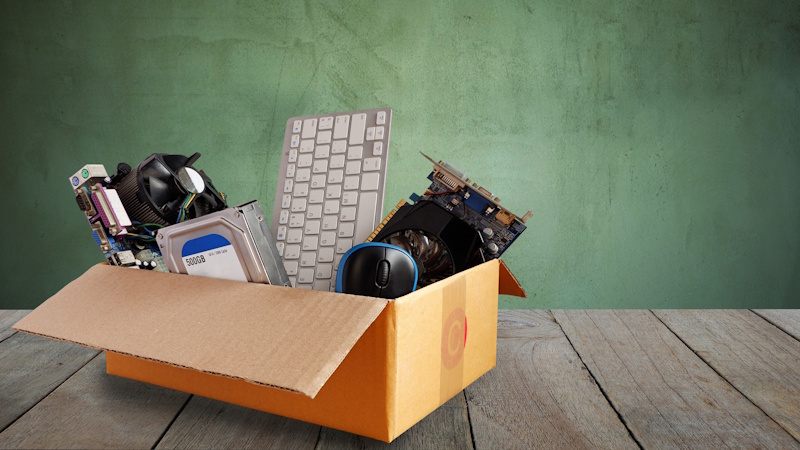
It is important to note that, according to Article 6 of the Regulation on the Comprehensive Management of Waste Electrical and Electronic Equipment (WEEE) (2024), the management of end-of-life WEEE is regulated according to its use and characteristics.
These are divided into two categories:
- General-purpose WEEE (AEE-G): For households, businesses, and industries, and must be managed through specific WEEE management plans.
- Non-general-use WEEE (AEE-NG): For specialized uses in productive economic activities, the management of which must be carried out directly by the generator through operators authorized to treat and dispose of it.
As for batteries, they are not currently recycled in the country, but are managed in an environmentally safe manner.
In Uruguay, for example, these are stored in containment cells designed to prevent soil and groundwater contamination.
This regulatory classification ensures that this waste is managed in an appropriate, responsible, and environmentally safe manner.
It minimizes its environmental impact and facilitates the recovery of valuable materials.
Internationally, there are notable examples of recycling certain types of batteries, such as lithium-ion batteries, which are widely used in electronic devices and electric vehicles.
Countries such as Belgium, Japan, and Sweden have implemented advanced technologies to recover valuable metals like cobalt, lithium, and nickel, thereby contributing to the circular economy and reducing the environmental impact of this hazardous waste.
Recycling in Uruguay
In Uruguay, recycling has gained prominence in recent years, with paper and plastic recycling being the most widespread.
In Montevideo, for example, there are sorting facilities where plastic, metal, and paper containers are separated and then sent to industries that turn them into new products.
At the same time, paper companies use recycled paper as a raw material, which reduces the need to cut down trees and lowers water consumption in their production processes.
Biological recycling has also gained importance, especially in programmes that promote home composting.
In this way, organic waste no longer takes up space in landfills and is turned into useful resources for agriculture and gardening.
The ORT Reciclaprogramaims to build onexistingrecycling initiativesin Uruguay.
When a student at a university places a sheet of paper in the recycling bin designated for paper, that material enters the recycling chain, which ultimately leads to the production of recycled paper at local factories.
That is why the ORT Recicla initiative does not operate in isolation, but rather as a link in a broader circular economy network.
Impact of ORT Recicla
Every plastic bottle, every sheet of paper, or every piece of cardboard that is placed in a recycling bin on campus represents a step in the right direction toward a more sustainable future.
- In the case of paper and cardboard, these materials are sent to companies that manufacture recycled paper, thereby reducing the strain on forest resources.
- In the case of plastic, recycling it prevents it from slowly breaking down in the environment, a process that can take hundreds of years.
- In addition, recycling plastic helps reduce the need to produce virgin plastic, which leads to energy savings and lower greenhouse gas emissions.
The plastic bottles are sent to Ecopet, a recycling plant located in Uruguay, which specializes in a process known as “bottle-to-bottle,” which involves transforming used bottles into new recycled bottles.
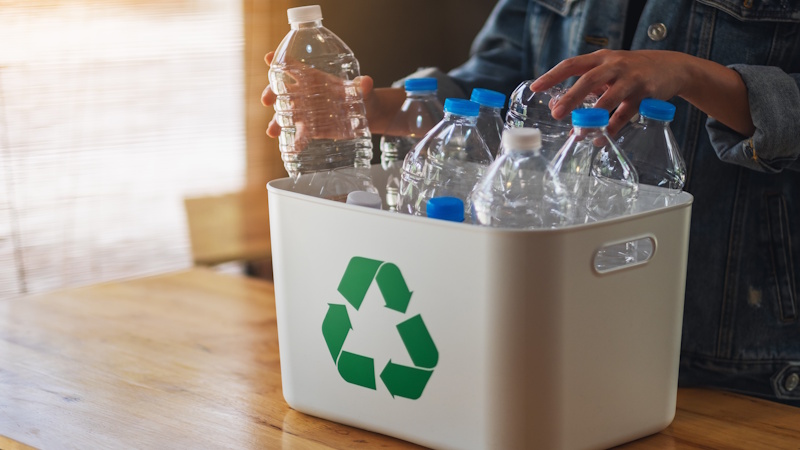
In this way, the ORT Recicla program not only has a direct impact on reducing waste, but also on climate change, as it helps cut emissions that harm people and the planet.
The other major contribution is educational in nature, because:
- We invite you to reflect on our daily practices.
- Students learn to identify different types of recyclables and how to sort waste properly.
- We foster a sense of shared responsibility, based on the understanding that individual actions contribute to a collective effort.
The impact of programmes and environmental awareness programmes is not measured solely by the amount of materials recycled, but also by the cultural shift they promote.
Plastic recycling, paper recycling, and the production of recycled paper in Uruguay are just a few examples of how this initiative ties into broader national and global trends.
ORT Recicla has the ability to foster citizens who are more environmentally conscious and responsible.
At the same time, it helps educate citizens who understand the importance of different types of recycling and their role in building a sustainable future.
Change, without a doubt, begins with small, everyday gestures.
Would you like to know how ORT promotes sustainability and recycling?
Read all about the ORT Recicla initiative