Blog
-

Starting College: How This New Academic and Personal Chapter Works
Starting college doesn’t mean leaving behind a “correct” way of studying or living, but rather entering a different environment. Understanding its dynamics, learning how a degree program is structured, and becoming familiar with new ways of learning can make it easier to adjust and help you make the most of a stage full of possibilities.
-

Cybersecurity for Students: Basic Habits to Protect Your Accounts
A message that seems urgent. A link asking you to log in. A password you’ve been using for months. Sometimes, a cybersecurity issue starts with something as ordinary as that. The good news: You don’t have to be an expert to reduce the risk. Find out what changes to your routine can make a difference.
-

Pre-Exam Anxiety: Signs and Practical Ways to Manage It
Exam anxiety can manifest itself in the body, in thoughts, and in behavior. Recognizing these signs helps you take action before your anxiety escalates and use strategies that promote anxiety management, concentration, and a more manageable exam experience.
-

What Is an Internship and How to Make the Most of It from Day One
What to consider before applying, how to fit into a team, and how feedback and initiative can make a difference in your early professional experience.
-

How to Argue More Effectively in Class, Debates, and Presentations
Learning how to support an idea with reasons, evidence, and a clear structure allows you to communicate it more effectively. Find out which elements strengthen an argument and which mistakes you should avoid.
-
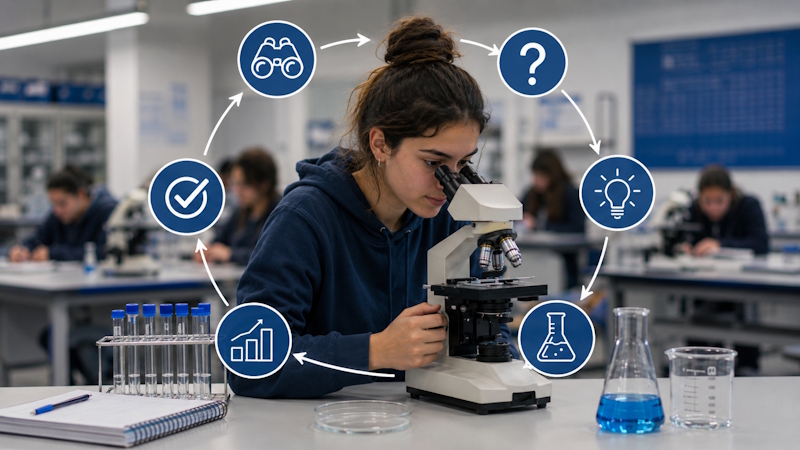
The Scientific Method Explained with Examples for Students
Discover what the scientific method is, what its main steps are, and how it is applied in practice. Learn, through simple examples, how to formulate a hypothesis, design an experiment, analyze the results, and draw evidence-based conclusions.
-
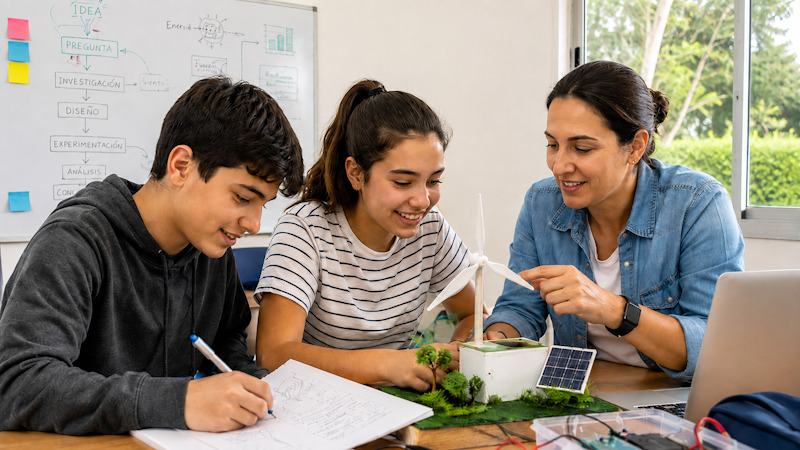
How to Turn a School Idea into a Science or Technology Project
Discover the steps involved in turning an initial idea into a concrete and viable proposal. Learn how to formulate a question, plan your work, develop your idea, and evaluate the results, as well as the differences between a scientific project and a technological one.
-

LinkedIn for Students: How to Create a Useful Profile from Scratch
Learn how to make the most of LinkedIn early in your career to build a professional profile, highlight your skills, and connect with the job market.
-
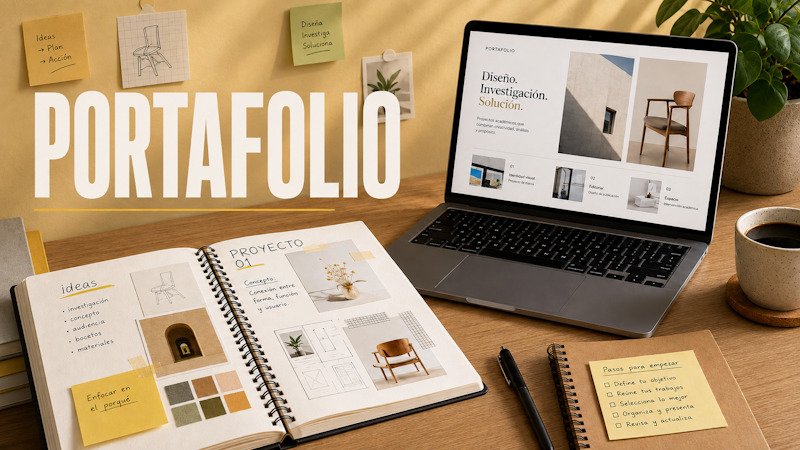
What Is a Portfolio and How to Start One as a Student
Demonstrating your knowledge and skills through specific projects can make all the difference when applying for internships, scholarships, or your first job. This article explains how to create a portfolio that showcases your professional potential.
-

What Are STEM Skills, and Why Are More and More Students Getting Involved?
In this article, we’ll explore what STEM competencies are, their main characteristics, the skills they help students develop, the different types of competencies that exist, and the benefits of participating in them.
-

How to Write Your First Resume If You Don't Have Any Work Experience Yet
Every job seeker writing their first resume should learn what information is most important to include, which skills and projects to highlight, and how to tailor the document to each job opening.
-

Green Skills: Cross-Cutting Competencies for Integrating Sustainability into the Workplace
Sustainability is reshaping the labor market and creating new opportunities for professionals capable of integrating innovation, efficient resource management, and environmental, social, and governance criteria into their decision-making.