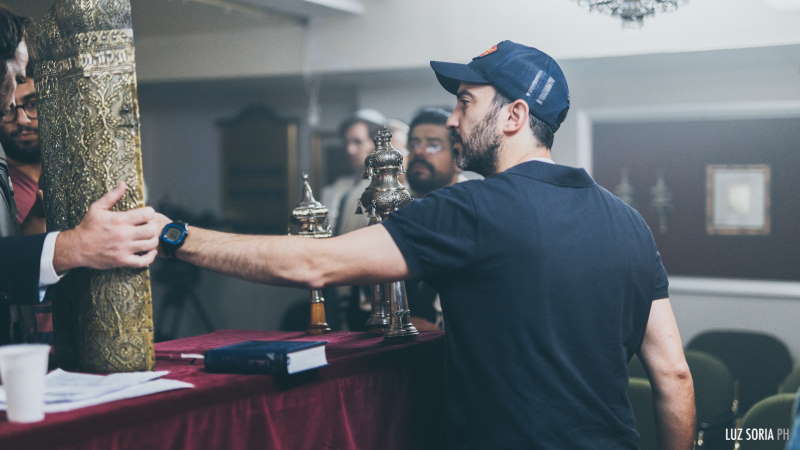
Mi kipá, estrenado en 2019, trata sobre un ladrón oportunista que se interesa en robar un Sefer Torá valorado en 100.000 euros, pero su plan entra en crisis cuando se descubre judío. Con un tono humorístico y por momentos hasta usando el recurso del absurdo, en 16 minutos logró cautivar a los espectadores del Punta del Este Jewish Film Festival, donde se llevó el premio del público a mejor cortometraje —distinción que compartió con el cortometraje Kaddish, de Razid Season—. Esta edición del festival se realizó entre el 5 y el 9 de febrero de 2022.
Ilan Rosenfeld es Licenciado en Comunicación Audiovisual por la Universidad ORT Uruguay. Vivió casi tres años en Madrid y desde hace dos está radicado en Jerusalén. Ha escrito y dirigido varios cortometrajes, como por ejemplo Ir, donde ya se hacía preguntas en un tono existencial o filosófico. También dirigió Olímpicos, largometraje documental por el que obtuvo el premio a Mejor Película en el Festival de Cine Detour 2016.
La gente hace libros, películas, todo tipo de expresiones artísticas que están dirigidas a diferentes públicos. En general, un realizador desea que la gente vea su obra, tener un diálogo con los demás, poder pensar con otros y, cuánto más lejanos a uno mejor, porque siente que es entendido más ampliamente.
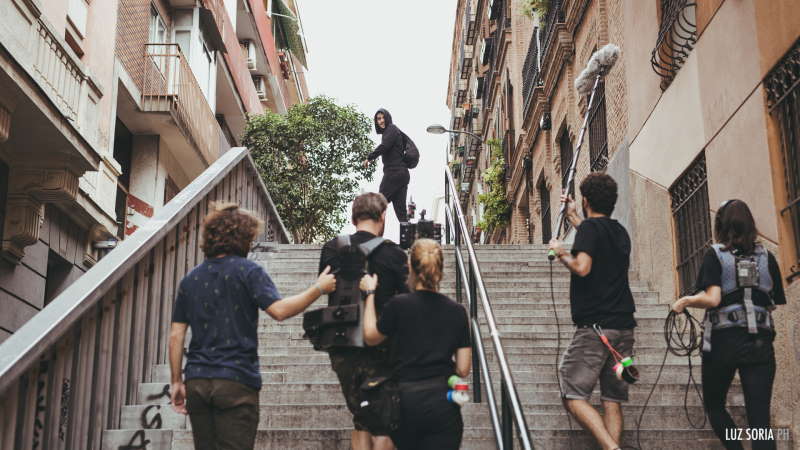
Raquel, la abuela materna de Ilan, “en cierta medida”, dice él, está en la historia de Mi kipá. “Siempre estamos metidos en nuestras historias”, asegura.
“En este caso hay elementos biográficos claros y mi abuela materna es una de ellos”, aunque aclara que no necesariamente se condice todo a nivel de datos.
“Cuando ella era adolescente, perdió a su hermana; fue una pérdida que marcó su vida y la del resto de las generaciones que vinimos después, como que había un elemento trágico que nos acompañaba.
Creo que cuando uno vive una situación así está obligado a preguntarse cosas. Desde entonces, mi abuela tomó una pregunta existencial, de difícil respuesta, de alguien que está buscando entender eso que le pasó. De forma más o menos directa, todos en la familia tuvimos que darle respuesta a esa pérdida”.
-
¿Cómo fue para vos enfrentarte a esa pregunta existencial?
Yo nací en una familia judía y me crié en un entorno judío con un vínculo fuerte. Sin embargo, eso no estaba necesariamente cargado de contenido, era algo más cultural que religioso.
Hace unos años me tomé más en serio algunas preguntas. El cortometraje Ir, que filmamos con Mutante Cine, trataba sobre un grupo de personas que, de pronto, decidía sentarse en la mitad de una calle a pensar, porque se daban cuenta de que, tal vez, no había ningún lugar a donde ir. A partir de eso, se generaba un embotellamiento.
En mí existía ese sentimiento de que no había ningún lugar donde uno pudiera abrir una puerta y del otro lado encontrar una verdad revelada.
-
¿Y cuándo te encontraste con ese contenido, al mudarte a Madrid?
Me fui a España a filmar una película documental que trataba de personas que viven fuera del sistema, para ver si en alguna de esas comunidades encontraba una filosofía que me enamorara, pero no lo encontré… aunque sí encontré pensamientos de una radicalidad interesante, valoré muchas cosas. Pero no sentí nunca que esos lugares eran mi casa.
Estando ya en Madrid, sentí que tal vez era el momento de estudiar Torá. ¿Por qué me surgió esto? Es algo que nunca había hecho. Y en ningún lugar encontré mejores respuestas a los temas existenciales que en ese centro de estudios en Madrid, el Kolel Torat Moshé.
-
La historia que cuenta Mi kipá, por un lado, es muy personal, muy tuya; pero por otro lado, está escrita en conjunto con Eliav Cohen. ¿Cómo fue ese proceso?
Donde estudiaba había un grupo de jóvenes, gente que no estaba en el mundo del cine y el audiovisual, gente de de veintipocos años, y pensamos en hacer algo juntos. Había un chico de 18 o 20 años que terminó siendo el coescritor, que tenía ganas de trabajar y no tenía ninguna experiencia en cine, así que empezamos a charlar juntos la idea, fue muy placentero, de ahí salió el guion. Fue la primera experiencia en cine para muchos de los que participaron y los combinamos con gente que yo trabajaba en publicidad.
-
El recurso del absurdo ya lo has usado y lógicamente te hace sentir cómodo. ¿Cómo utilizás el humor en tus realizaciones?
Un relato es un trabajo de encuentro, de sugestión. La comedia es una herramienta de defensa, al menos en mi caso, para afrontar algunas dificultades de la vida: es como “quitémosle peso a esto”.
-
El premio que recibiste fue otorgado por el público, ¿qué significa eso para ti?
Es lo máximo, es lo mejor que le puede pasar al corto y a nosotros mismos. La alegría siempre es más grande cuando el premio es del público, porque habla de esa conexión con la gente. Y más aún cuando estás hablando de algo que es incómodo, un tema incómodo.
Sobre todo me da alegría pensar en mi abuela, pensar que va a leer esta nota, e imagino que va a sentir najes, es una expresión del hebreo, una especie de satisfacción.
Además, la satisfacción del premio es más grande porque nunca tuve una mirada tan ideológica como en este corto. Claro que siempre estoy metido en las historias que escribo, pero aquí no solamente en lo biográfico sino que además trabajé al máximo de mis posibilidades para dirigir el relato con el mayor de los cuidados hacia la dirección que queríamos contar: que existe un lugar a donde ir.